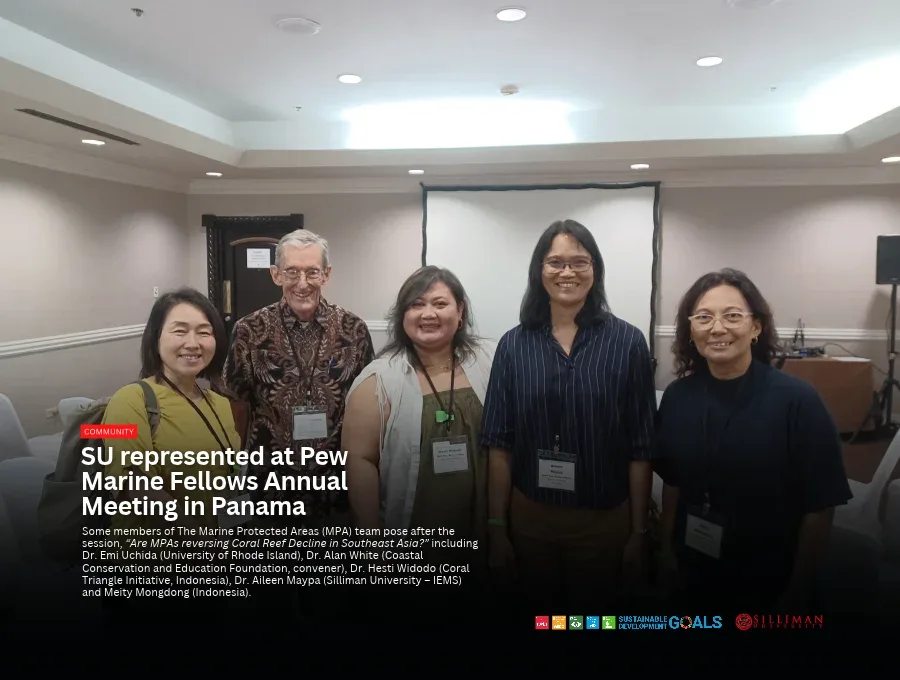
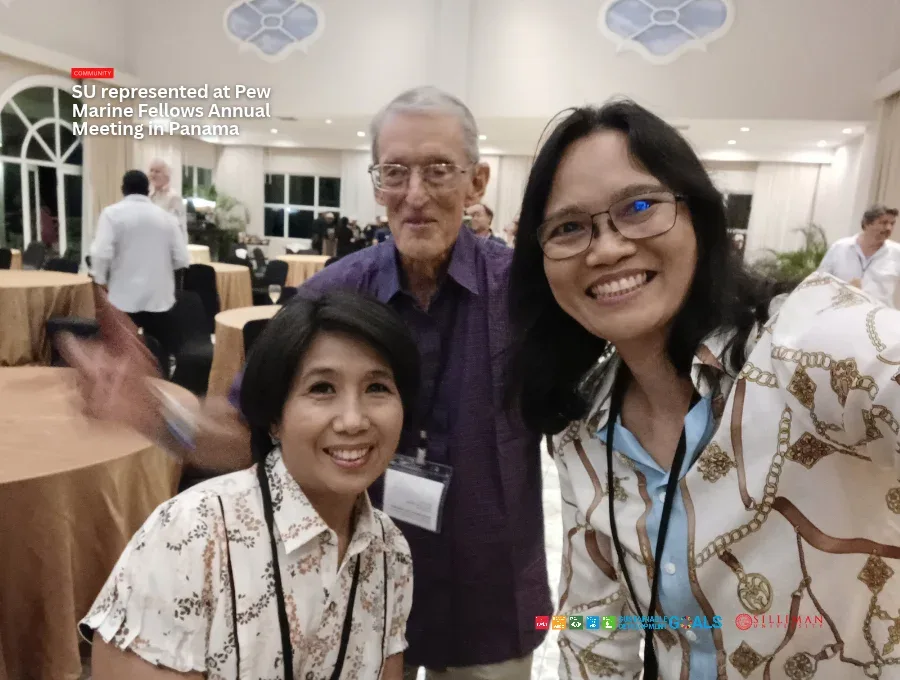
Silliman University (SU) strengthened its presence in the international marine conservation community through the participation of Dr. Aileen P. Maypa, Institute of Environmental and Marine Sciences (IEMS) director and a 2025 Pew Fellow, in the Pew Marine Fellows Annual Meeting held November 4–9, 2026, at the Gamboa Rainforest Reserve in Panama.
Representing the Philippines at the gathering alongside Maypa was Dr. Rene Abesamis, a faculty member of the University of the Philippines Marine Science Institute and a 2024 Pew Fellow.
The annual meeting brought together members of the Pew Marine Conservation Fellows Community, a global network of more than 200 current fellows and alumni.
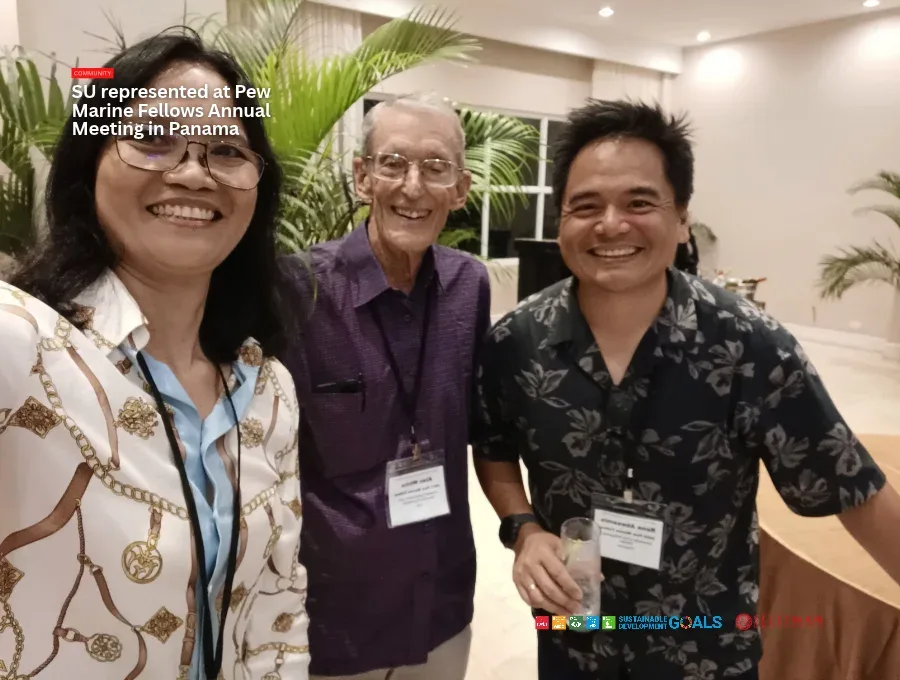
Comprising distinguished marine scientists from around the world, the community advances ocean research, marine policy initiatives, and sustainable resource management through funding and professional support from The Pew Charitable Trusts, headquartered in Washington, D.C., USA.
The Pew Fellowship in Marine Conservation is a prestigious international recognition awarded to only six marine conservation scientists each year.
To date, only five Filipino marine scientists have received the distinction, two of whom are from Silliman University: the late Dr. Angel C. Alcala and Maypa. Their recognition underscores the University's enduring contribution to marine science and conservation in the Philippines.
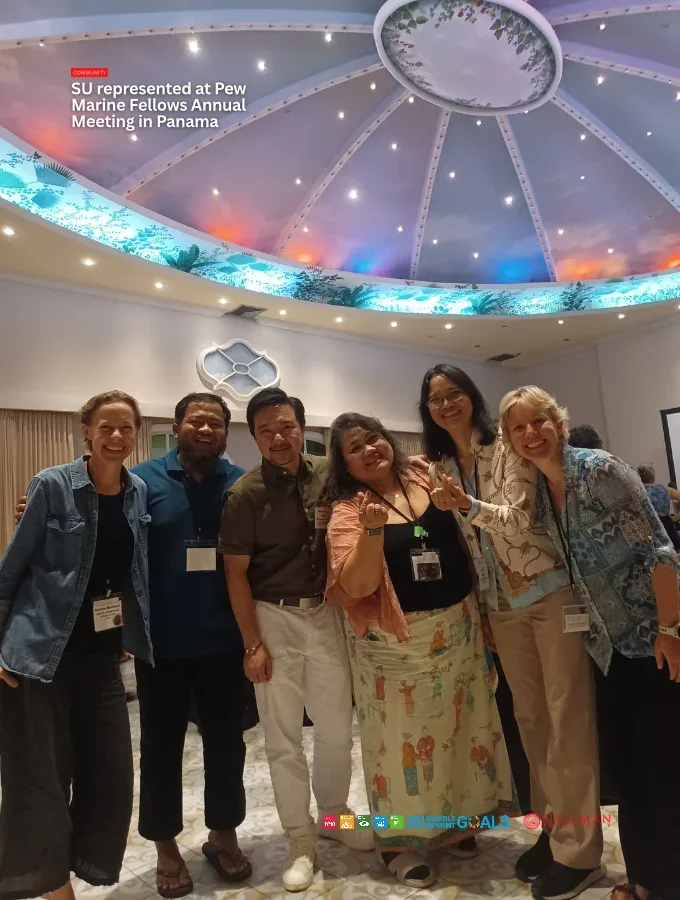
During the five-day gathering, fellows participated in workshops for the 2025 Pew Fellow cohort and the incoming 2026 cohort, followed by research presentations, discussions, and collaborative activities.
The annual meeting provided a platform for sharing research findings, strengthening professional partnerships, and exploring solutions to pressing global challenges, including the adverse impacts of climate change.
Maypa presented two research papers from her Pew Charitable Trusts-supported project, “Accelerating Coral Reef Recovery and Function through Science-Based and Community-Friendly Restoration Toolkits in the Philippines.”
Her first presentation, “Coral Reef Restoration in the Central Philippines: Community Engagement and Co-designing,” highlighted coral reef restoration protocols and techniques being implemented by local communities, the dive sector, and other practitioners across the Central Philippines.
It examined how these grassroots initiatives can be strengthened through science-based guidance and collaboration with marine scientists, local government units (LGUs), and relevant national government agencies.
The presentation emphasized the importance of co-designing conservation and restoration approaches that encourage local stewardship, shared responsibility, and long-term commitment to protecting coral reef ecosystems.
In her second presentation, “Accelerating Coral Reef Recovery and Protection in the Philippines through Community Voices, Local Engagement, MPAs and Restoration,” Maypa discussed strategies for accelerating coral reef recovery through preventive measures, passive restoration, and active restoration interventions.
These approaches include minimizing reef damage, establishing and managing marine protected areas (MPAs), and implementing active restoration techniques such as coral gardening and artificial reef deployment. She also highlighted the role of local communities and various sectors in carrying out these initiatives.
Maypa further emphasized that active restoration activities may require permits and regulatory approval from relevant national government agencies, particularly the Bureau of Fisheries and Aquatic Resources (BFAR) and/or the Department of Environment and Natural Resources (DENR), depending on the methods used and the project's location.
According to Maypa, the project continues to be implemented in close collaboration with local communities, LGUs, MPA management bodies, and other partners and stakeholders, underscoring the importance of inclusive and community-driven approaches to marine conservation.
(PHOTOS: AP Maypa)