STUDENT HOUSING AND RESIDENCE DIVISION (SHRD)
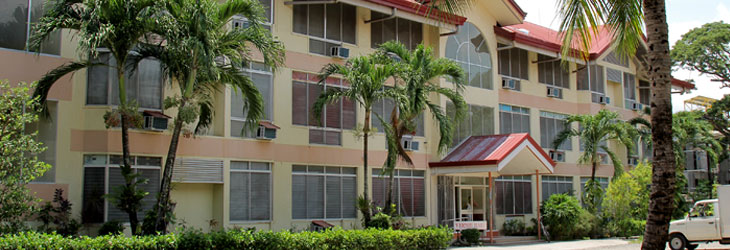
Going away to college can mean major lifestyle changes for students who are living away from home for the first time. Dormitory living can make the transition easier, combining the opportunity for freedom and fun with reassuring comfort and security.
Residence life at Silliman University balances students' educational and social needs, including lectures and discussions, athletics, spiritual, social, and cultural programs, and other experiences.
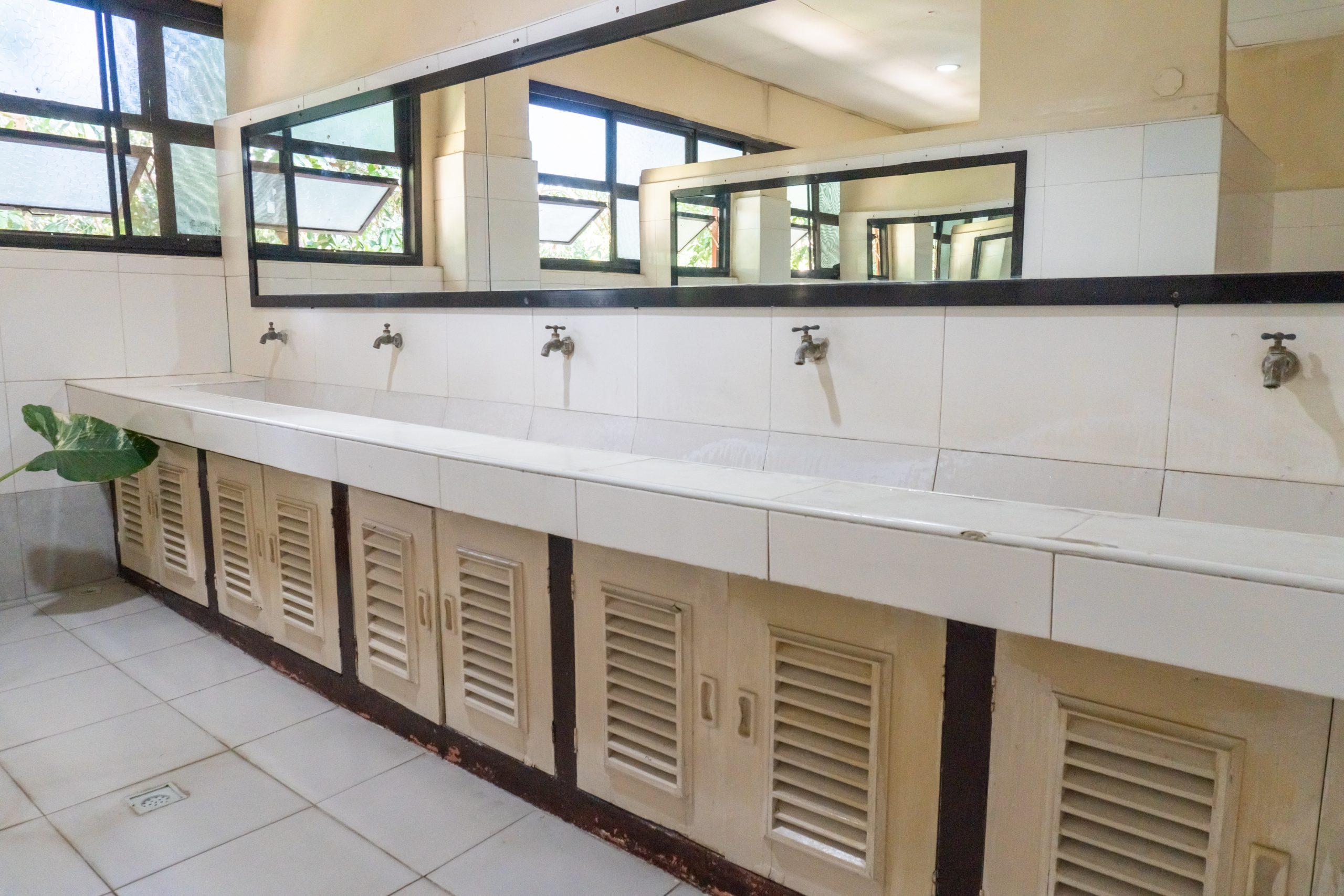
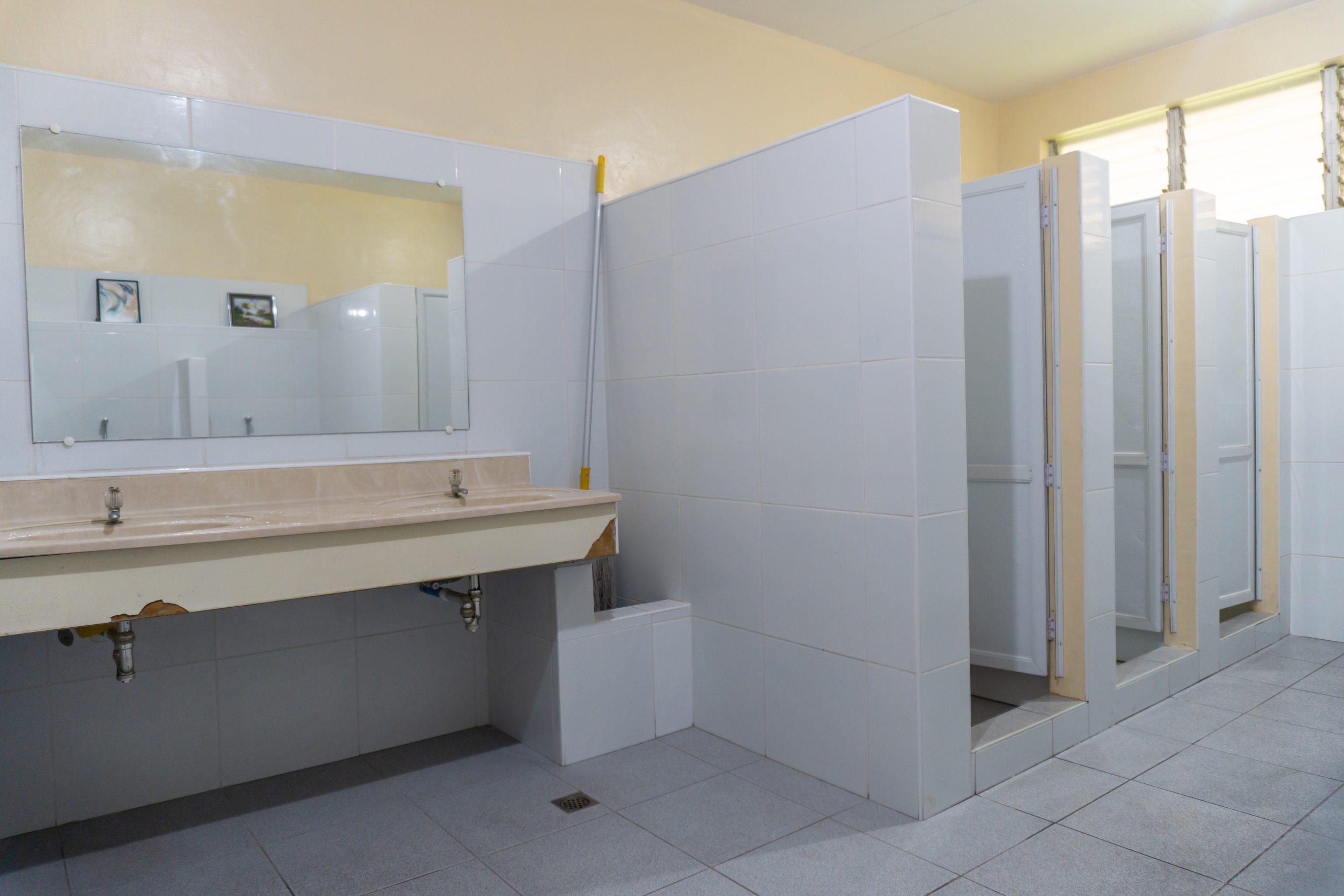
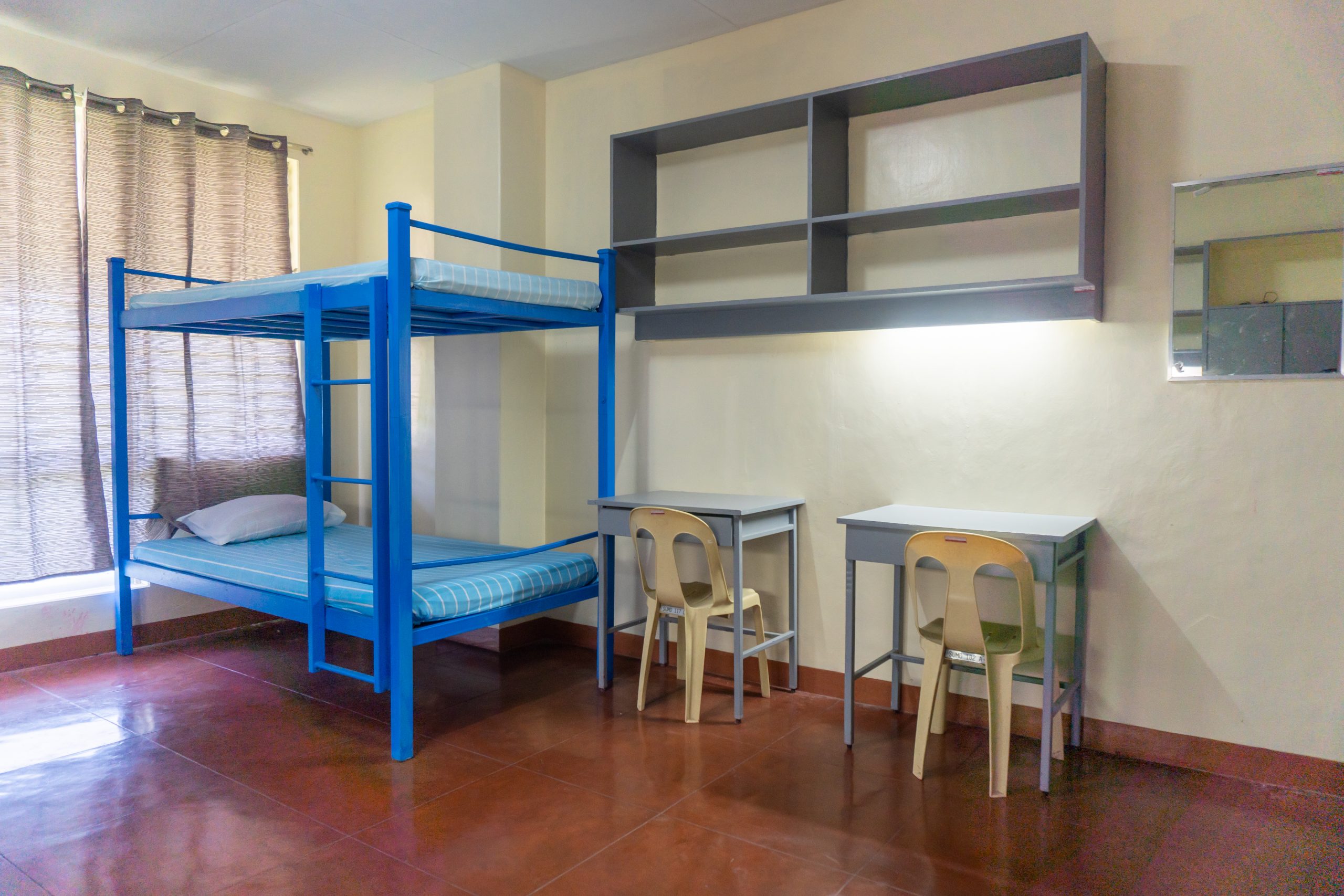
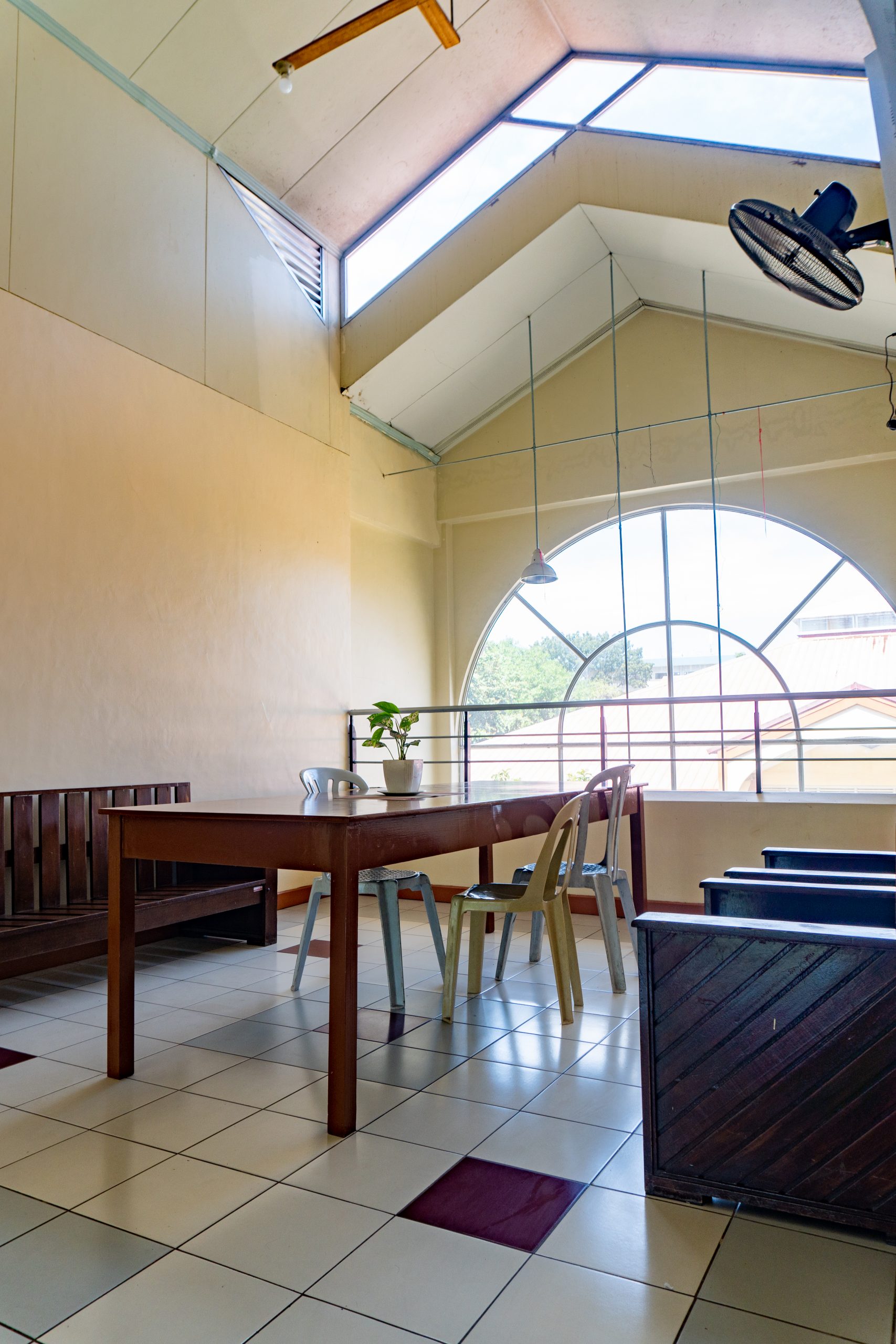
Silliman University operates regular and cooperative dormitories. These dormitories provide comfortable living conditions for approximately 800 students.
VISION
We envision a student campus housing that is safe, adequate, clean and responsive to the arising challenges and growing needs of student-residents for holistic integration into the Silliman community.
MISSION
We strive to complement the university’s goal for Christian quality education through a wholesome, safe and conducive living condition for the student-resident’s total development manifested by desirable life skills and healthy lifestyles.
OBJECTIVES
- To provide living conditions with facilities that are adequate, clean, healthful, and comfortable at a reasonable cost.
- To help student-residents learn useful and desirable lifestyle and study habits.
- To establish and develop human relations skills through respect for one another, cooperation, friendship, and courtesy.
- To guide student-residents and to develop in them an intelligent attitude toward recreation and use of leisure time; to recognize leisure time as an opportunity to expand one’s experience.
- To train student-residents in self-management skills and democratic living through various organizations and worthwhile community activities that will ultimately contribute to the good of society in general.
- To offer opportunities for spiritual growth and training of Christian character, and the counseling program.
- To encourage student-residents to accept increasing responsibility for their own lives and the full consequences of their decisions and actions.
- To assist the university in the development of a well-rounded personality for the individual student-resident-citizen who is being prepared to take their place as individuals and as members of their social group in a democracy.
DORMITORY TYPES
Regular Dormitories
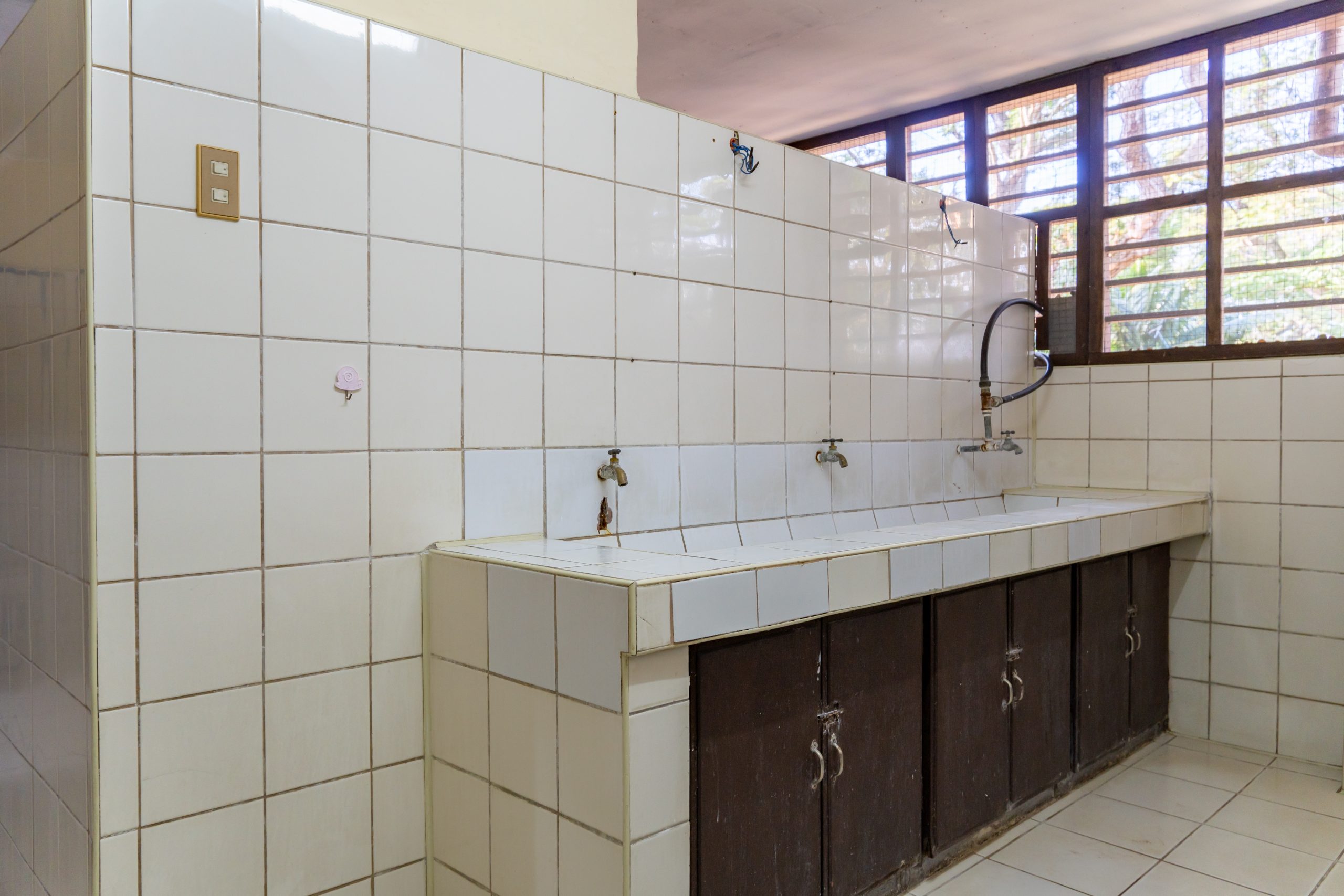
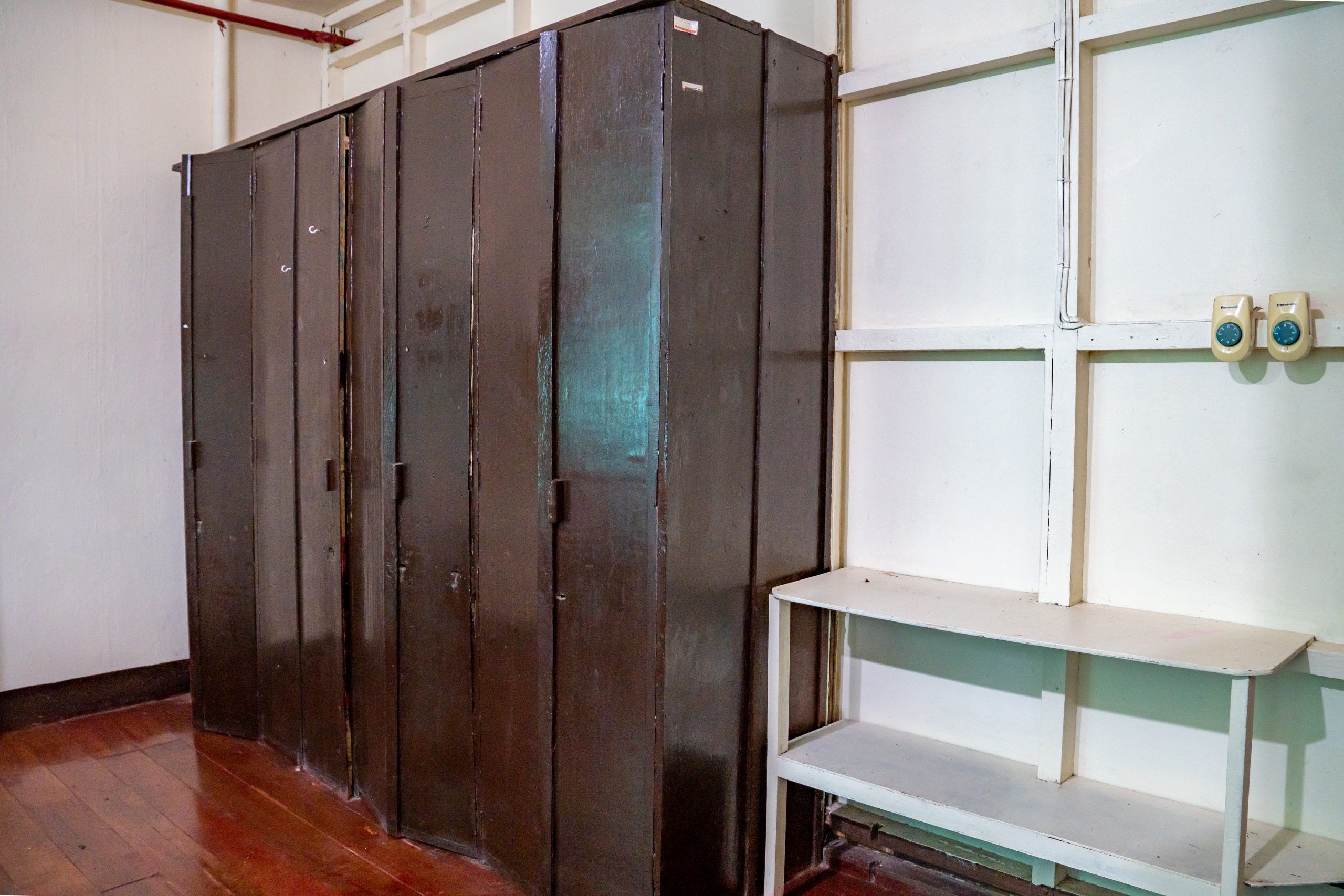
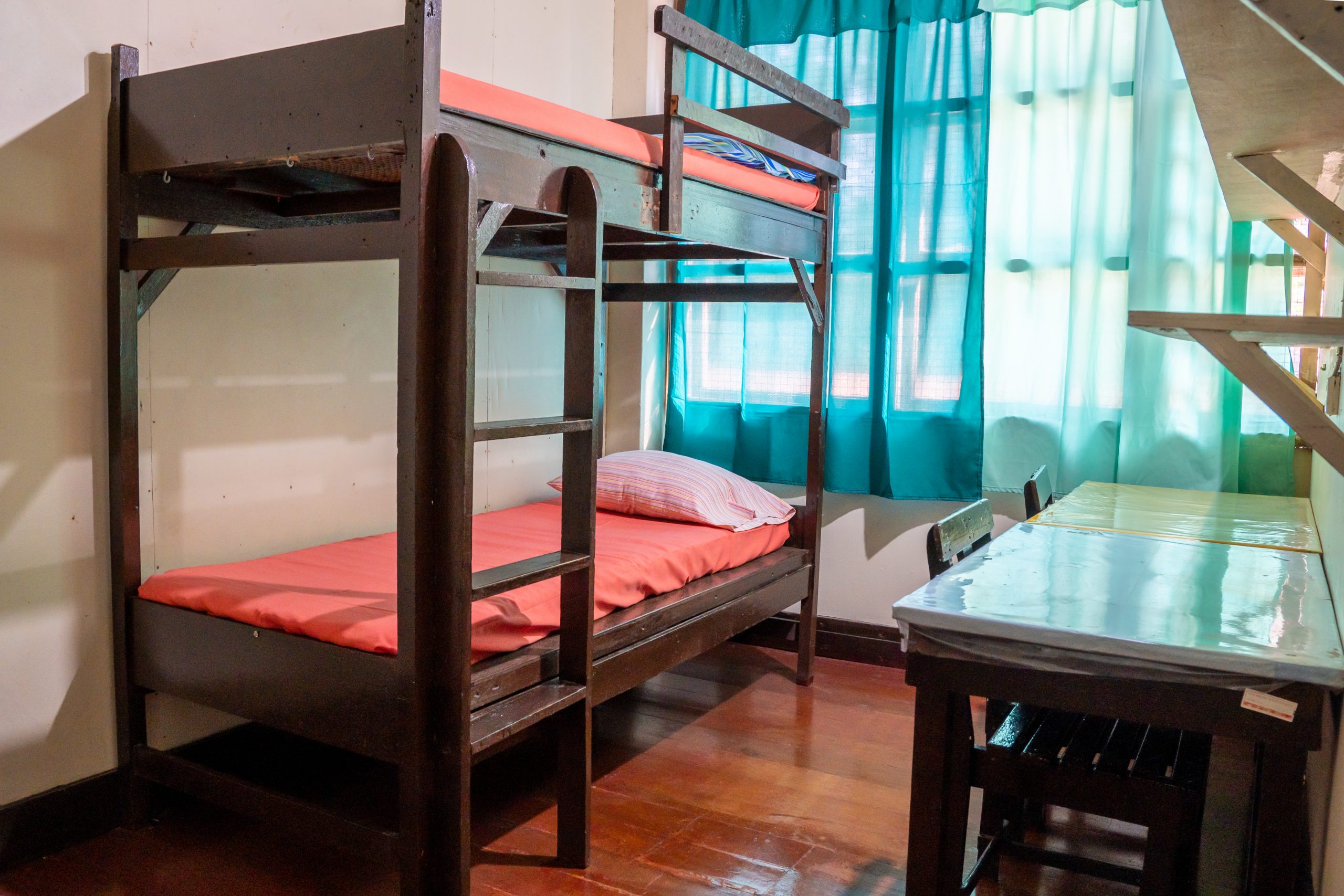
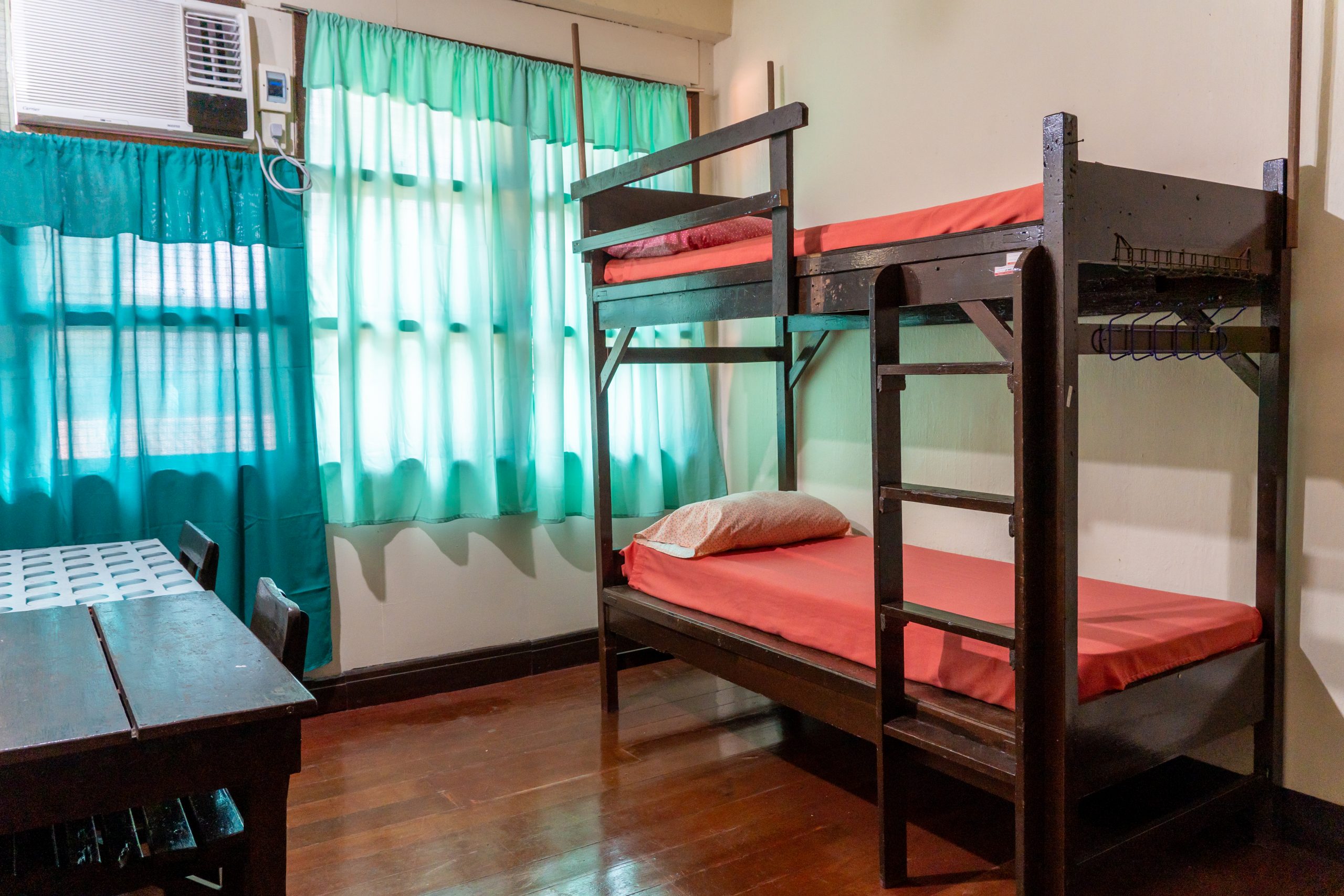
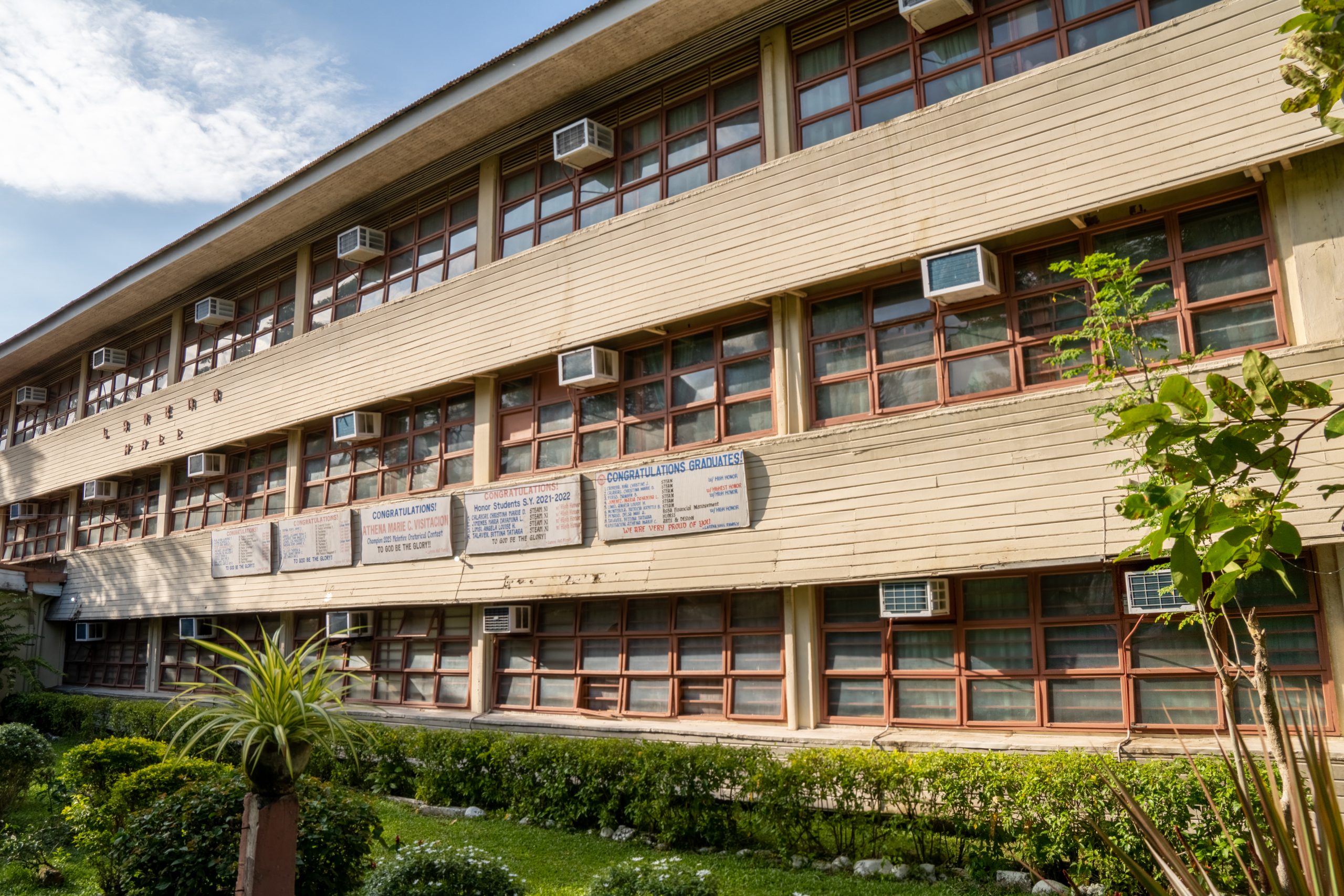
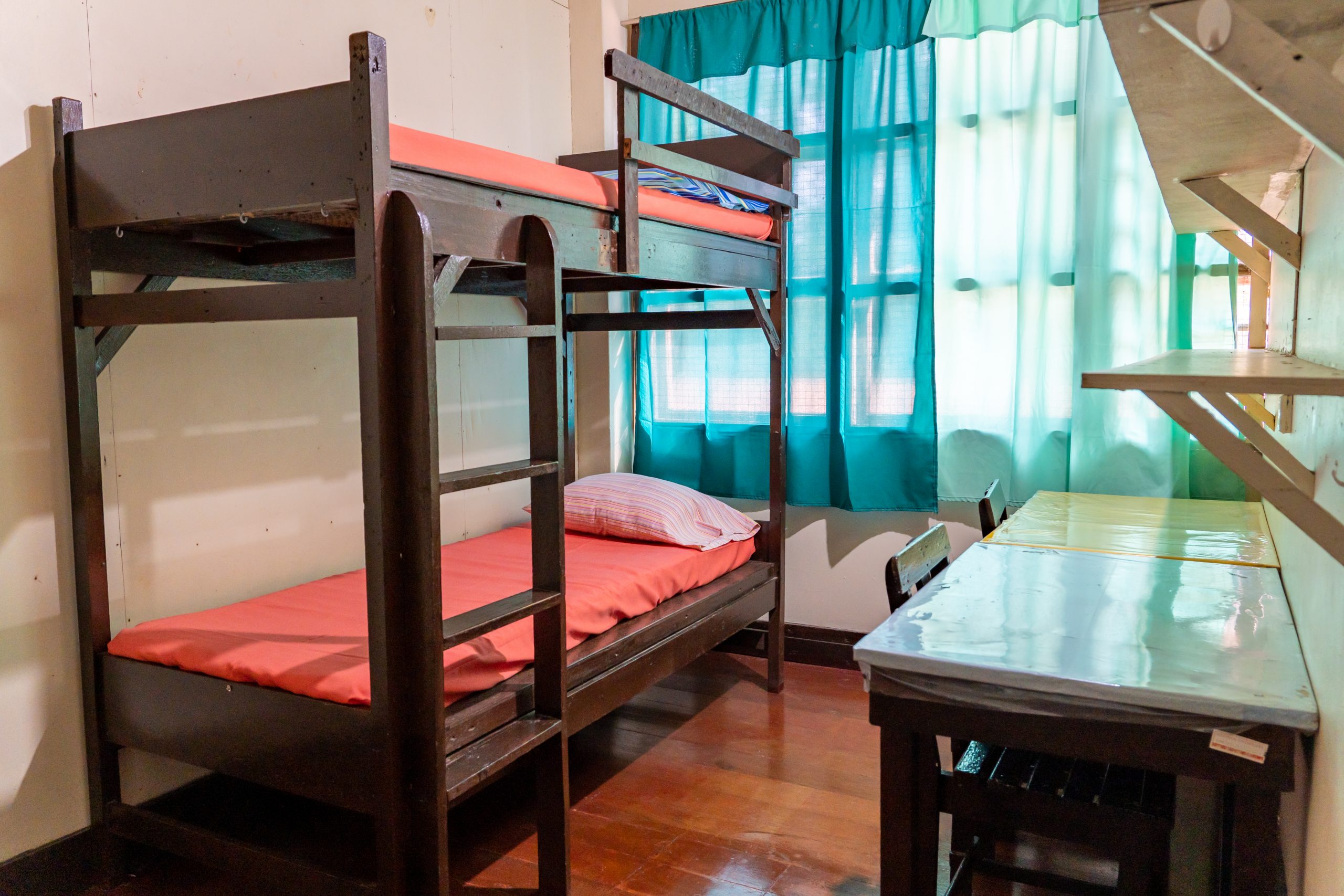
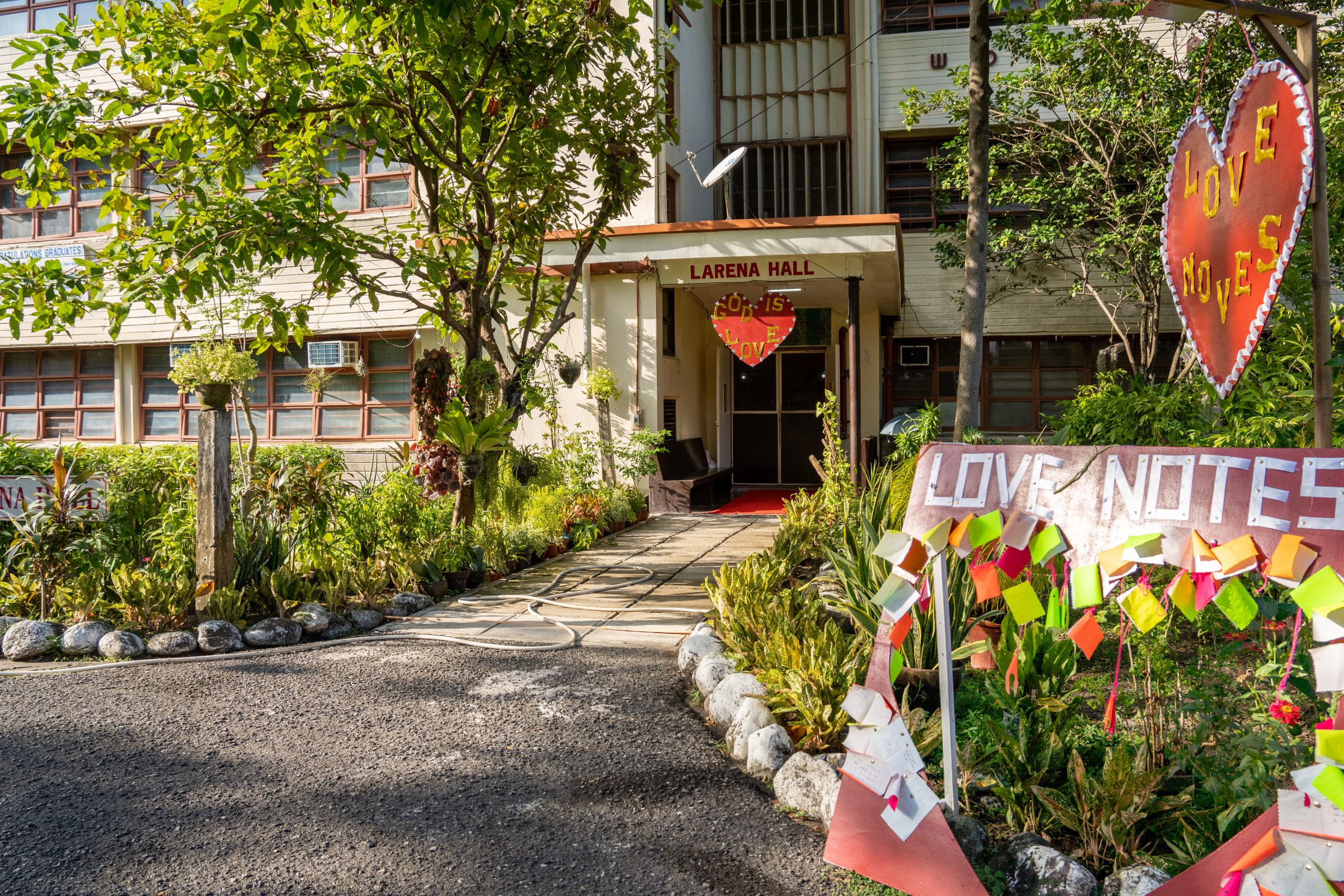
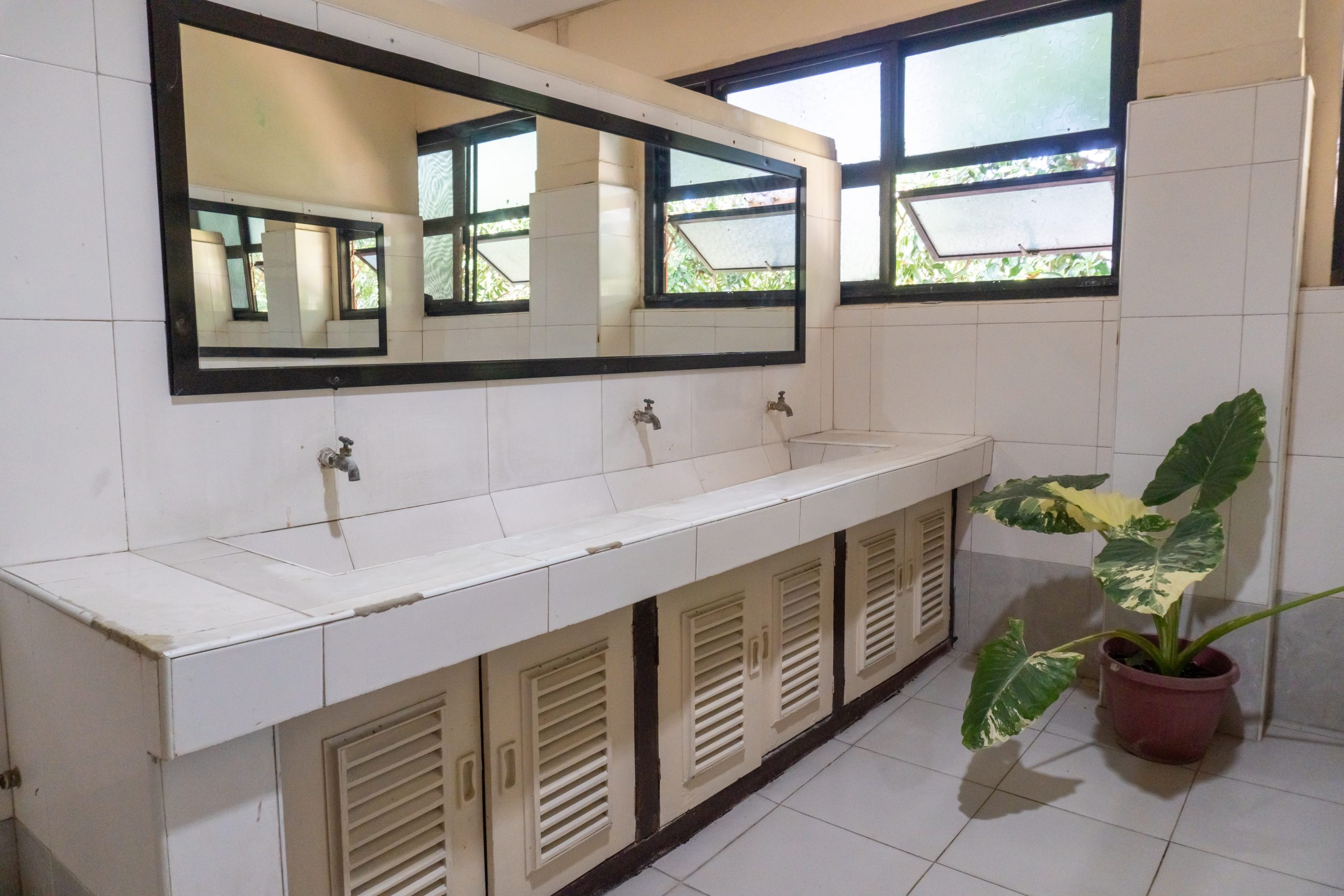
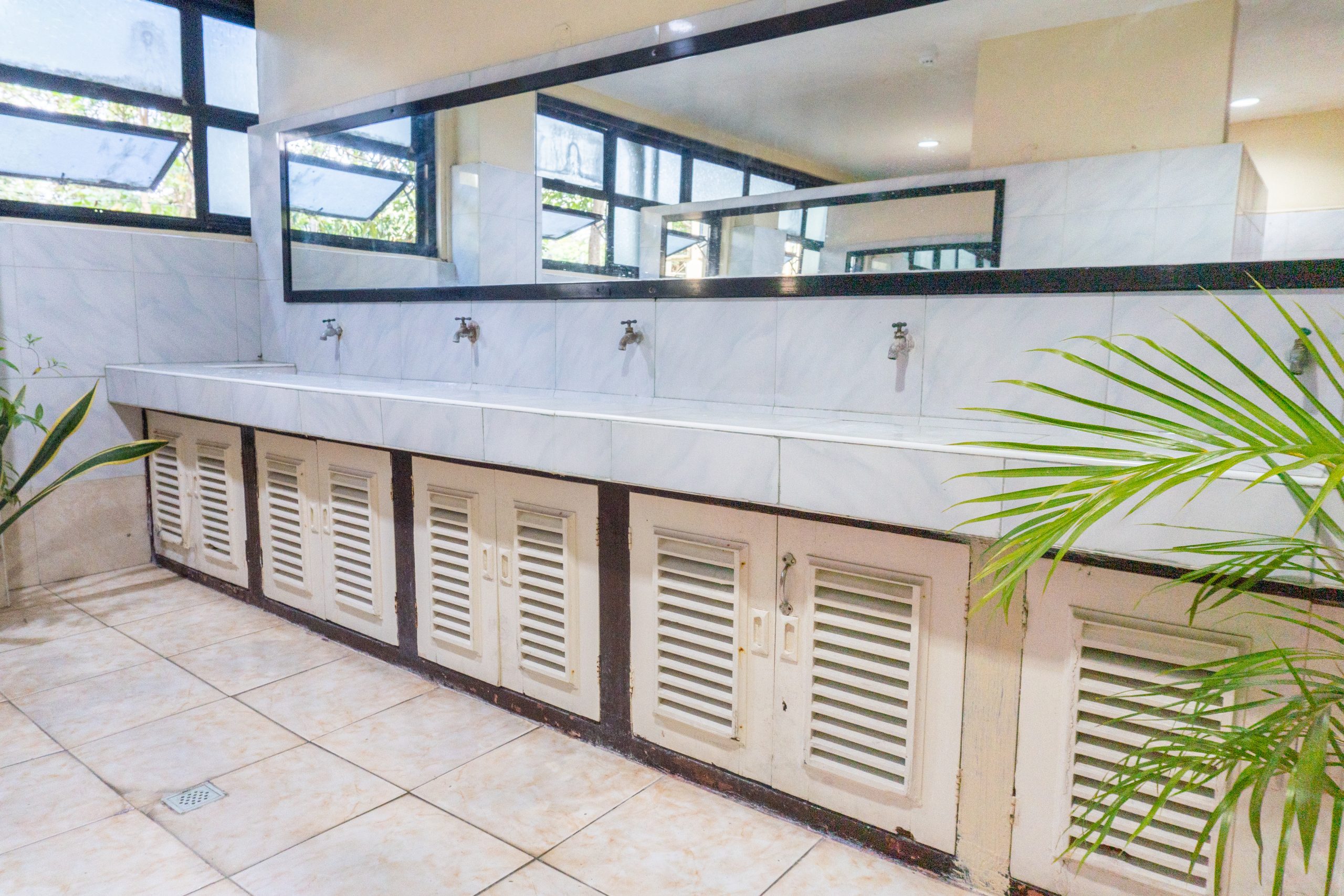
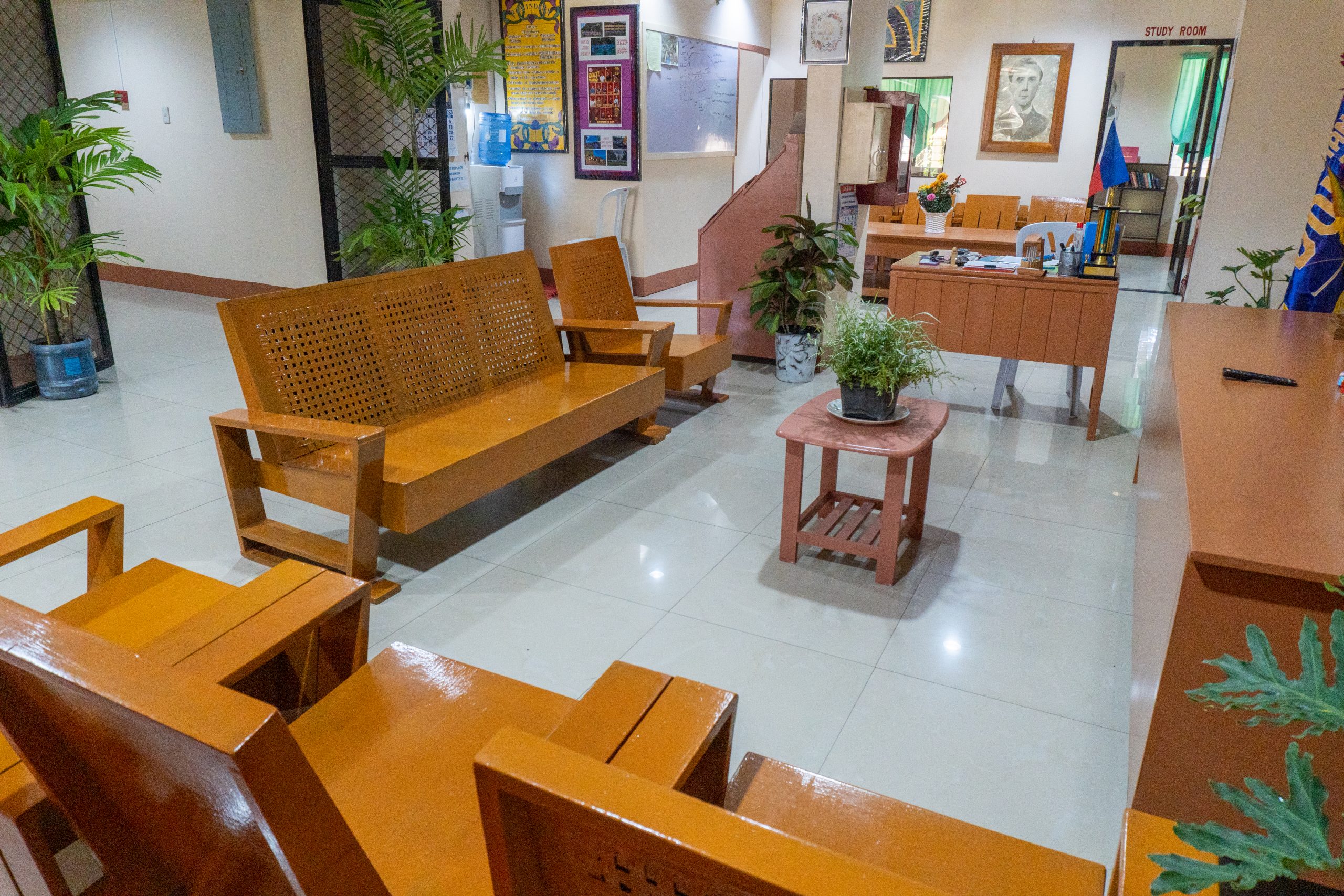
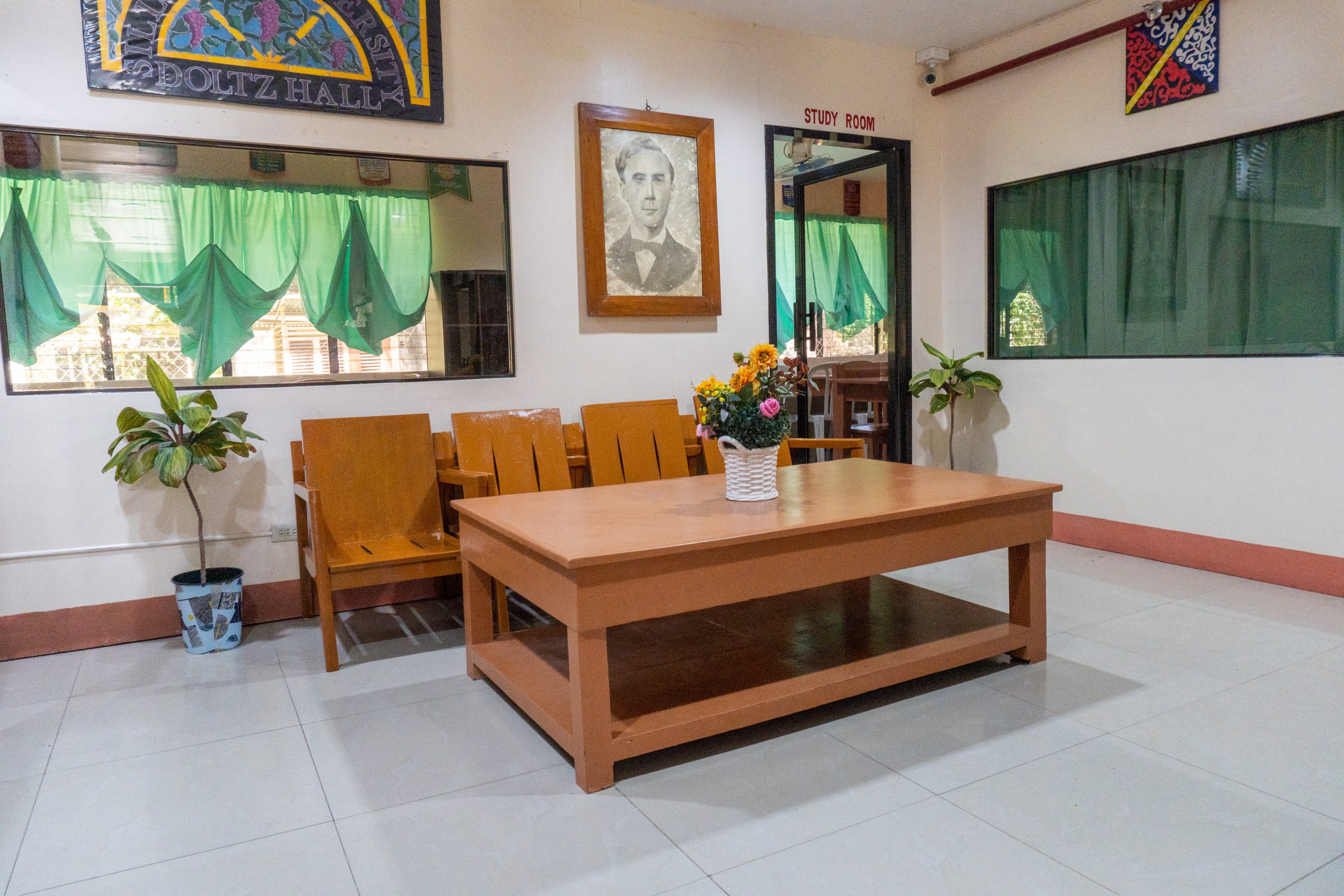
There are ten (10) regular dormitories on campus. Six of these dormitories are directly supervised by a Dormitory Manager, who also renders full-time service as a university staff member. Four (4) regular dormitories with lesser capacities are managed by Dormitory Advisers.
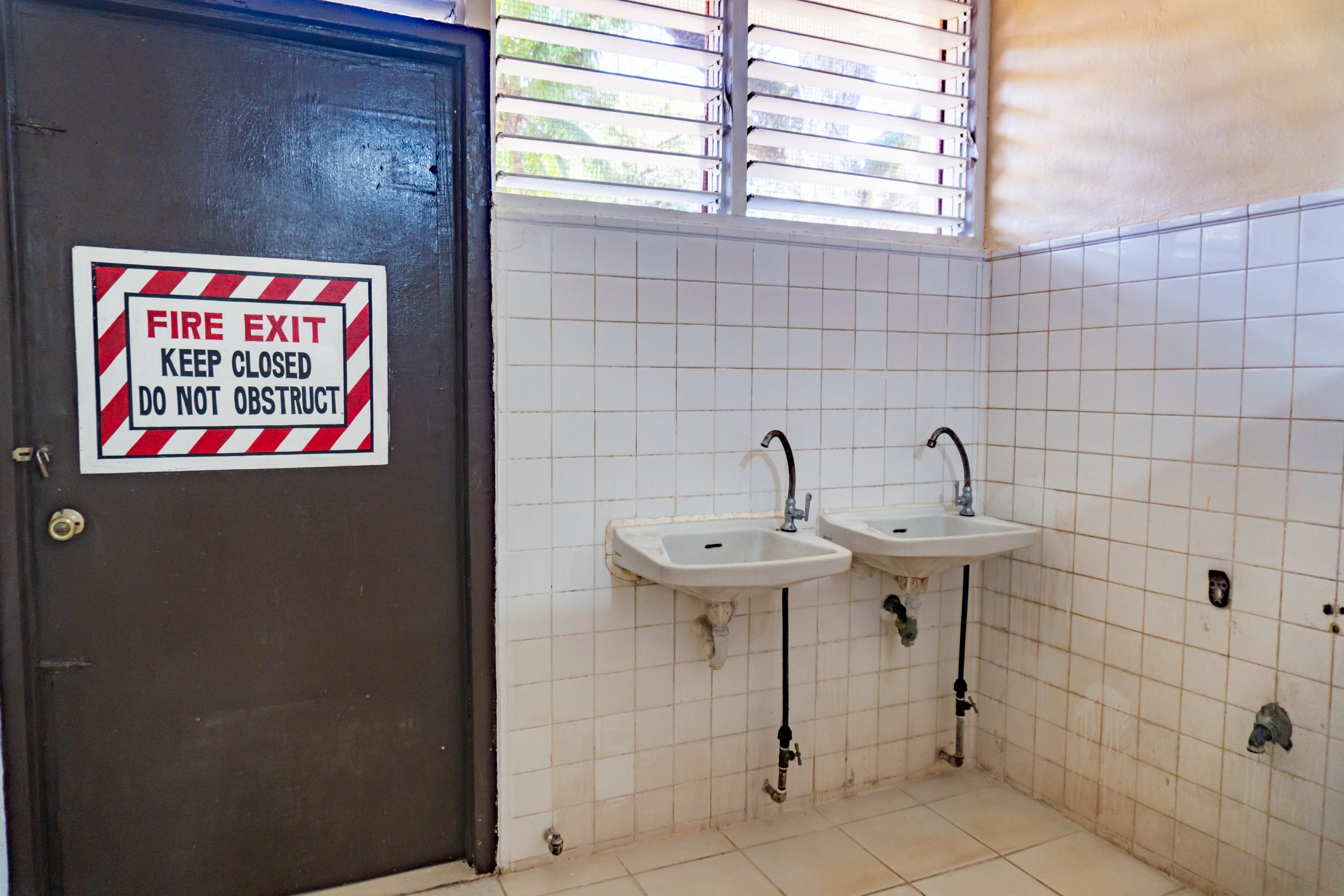
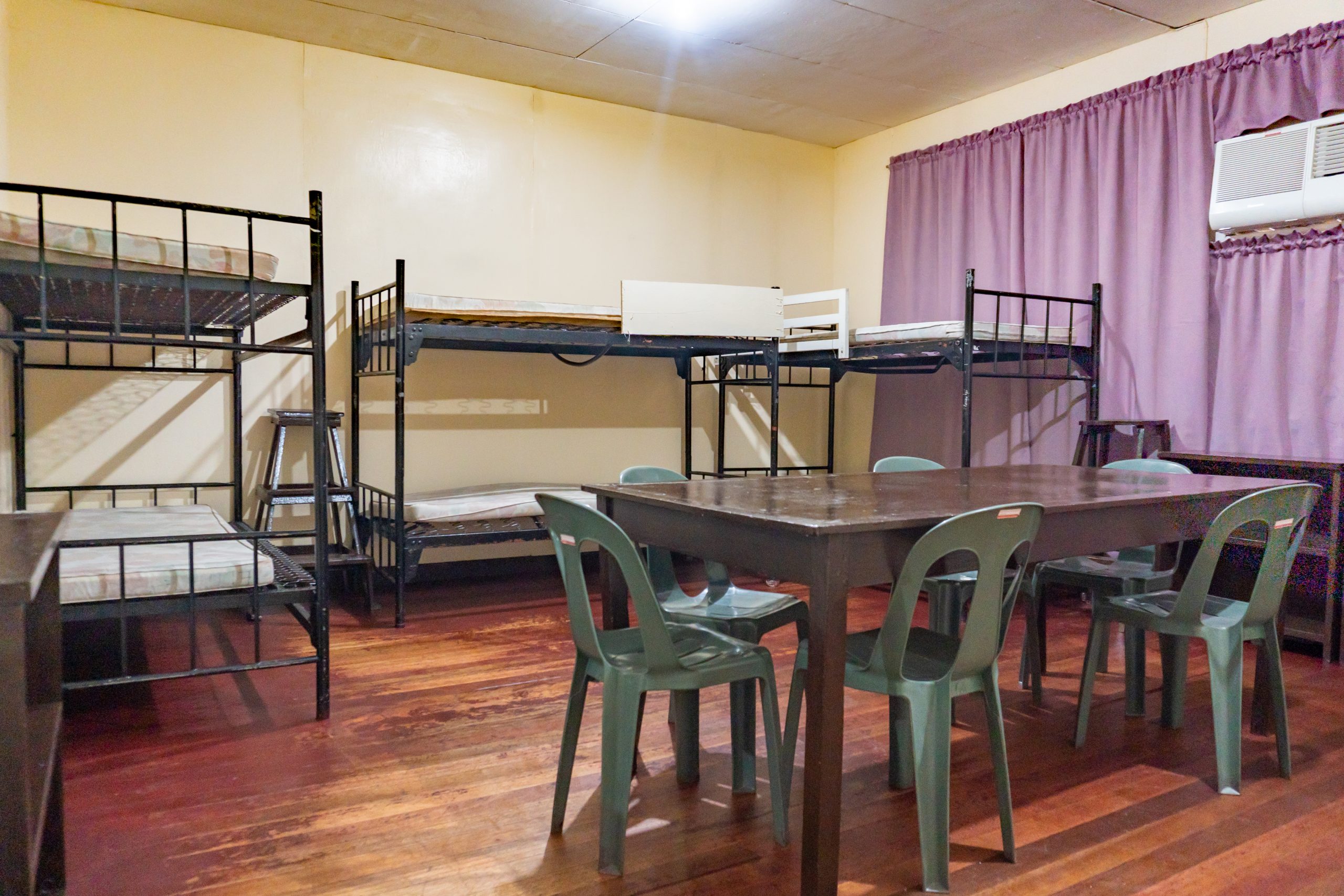
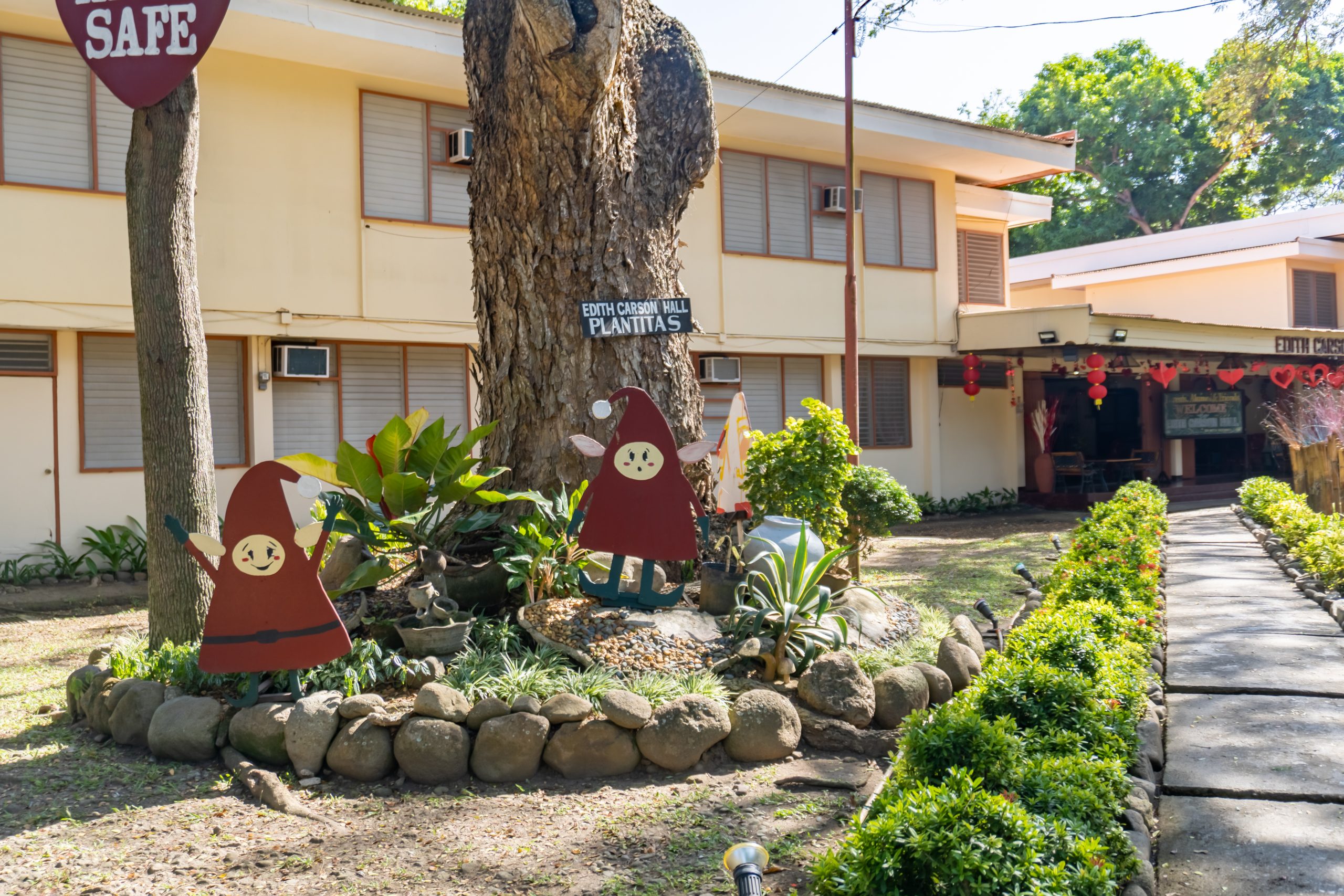
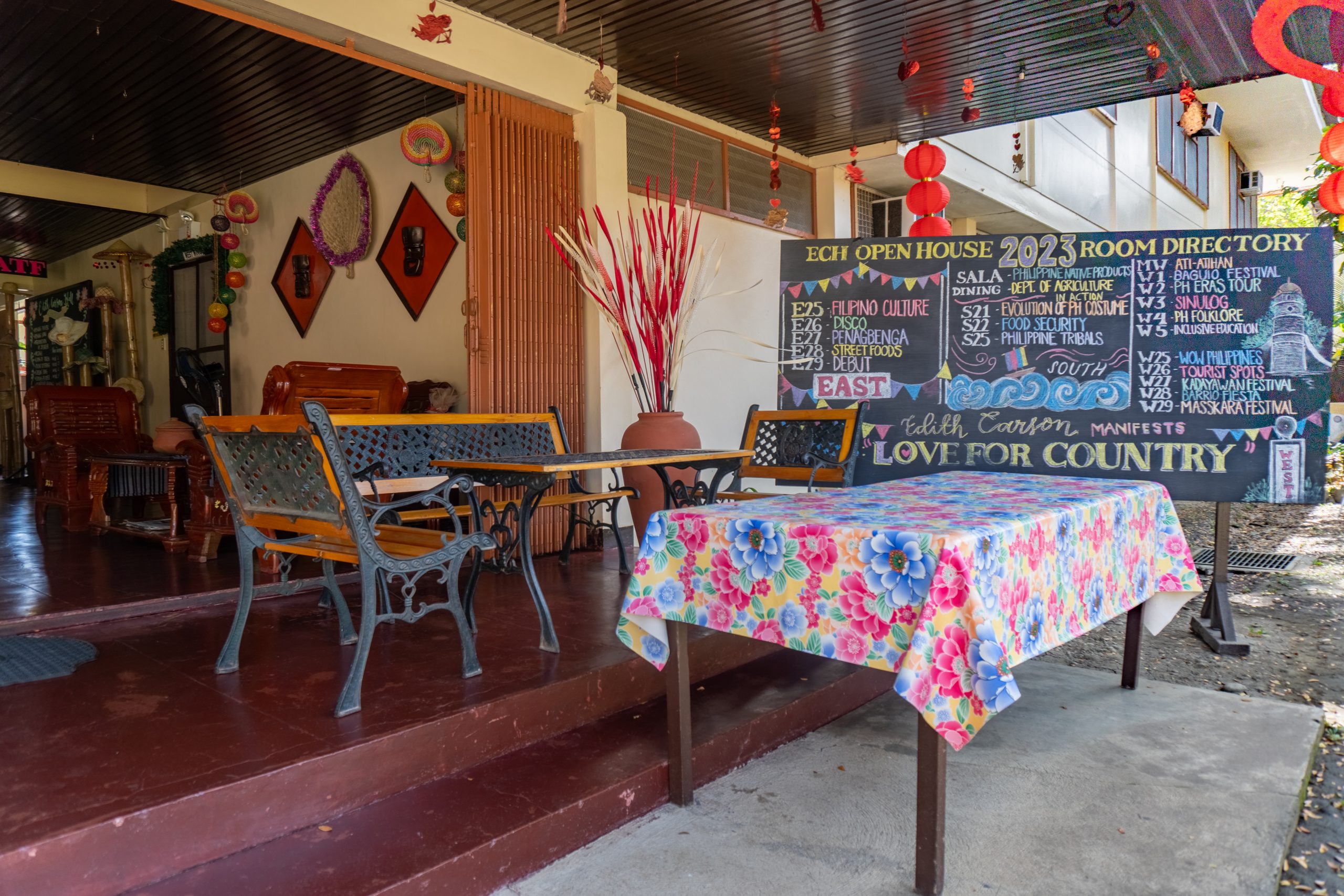
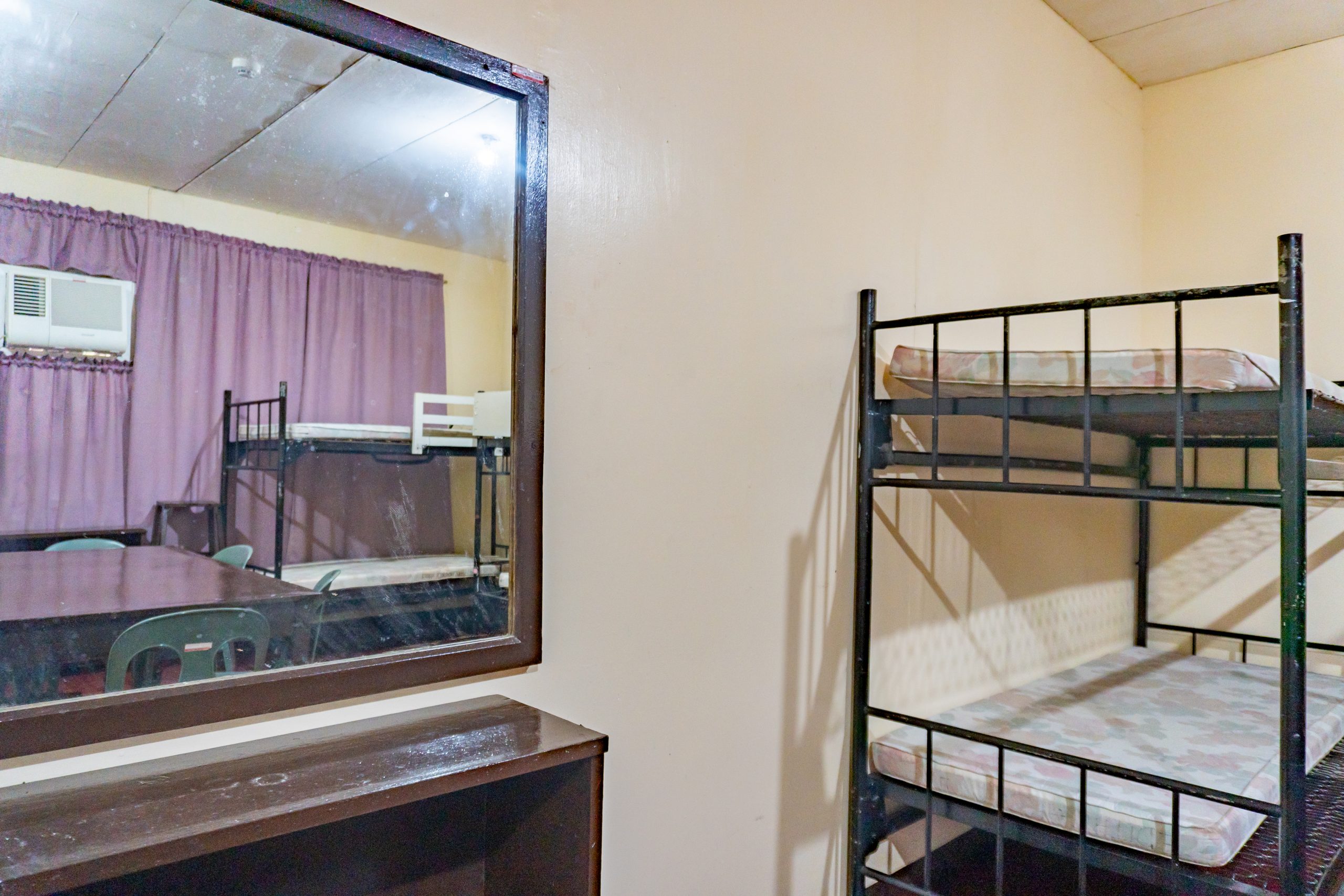
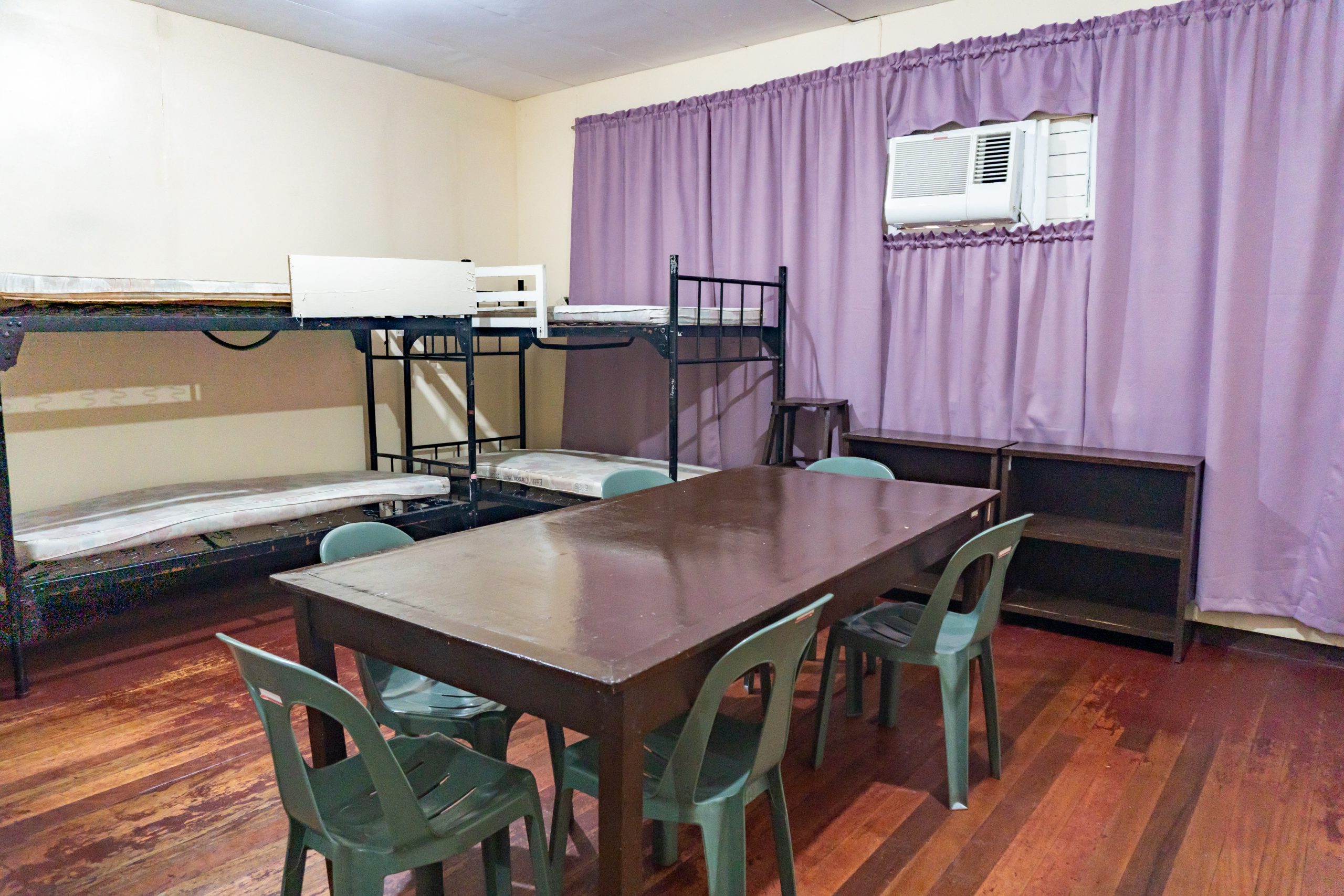
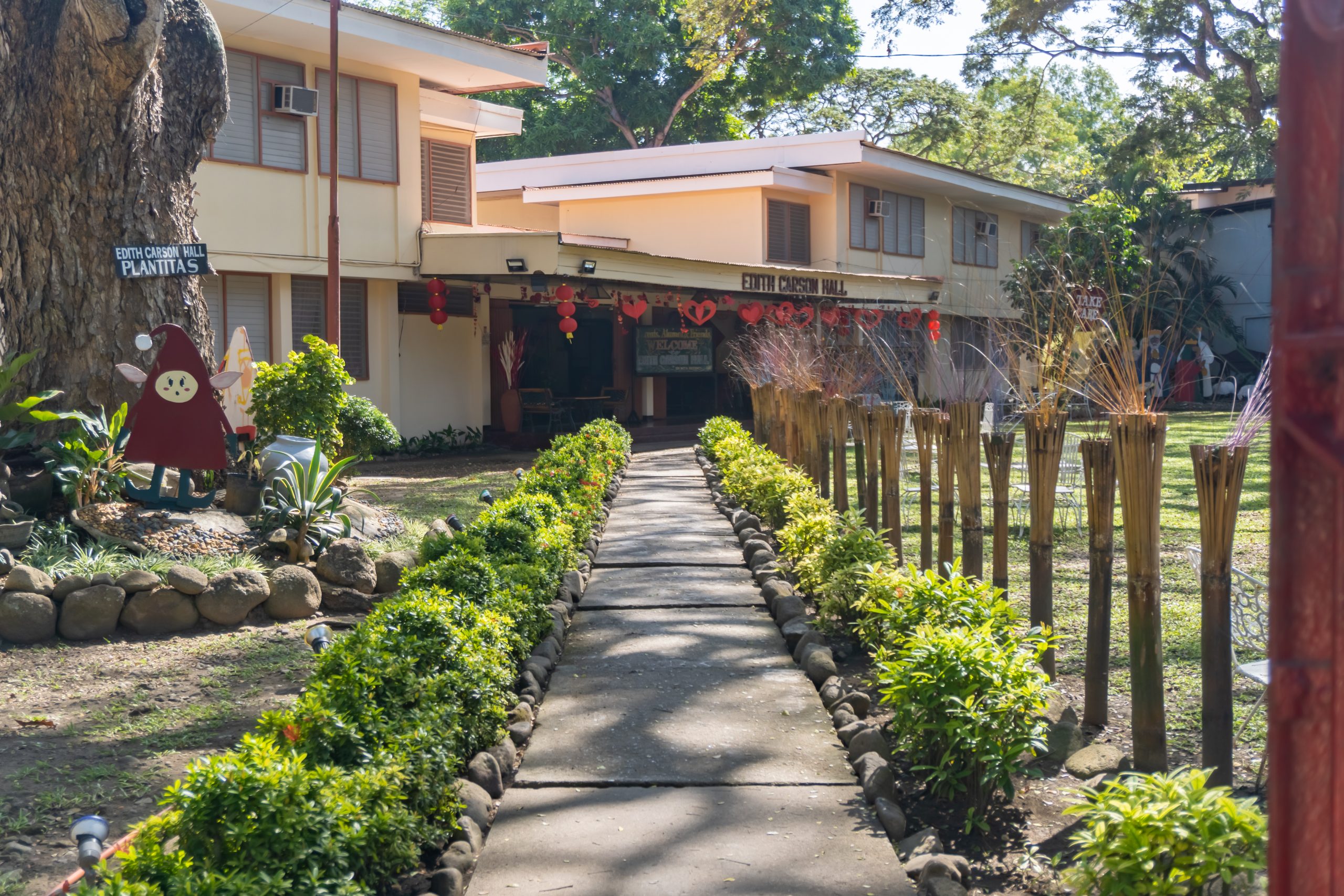
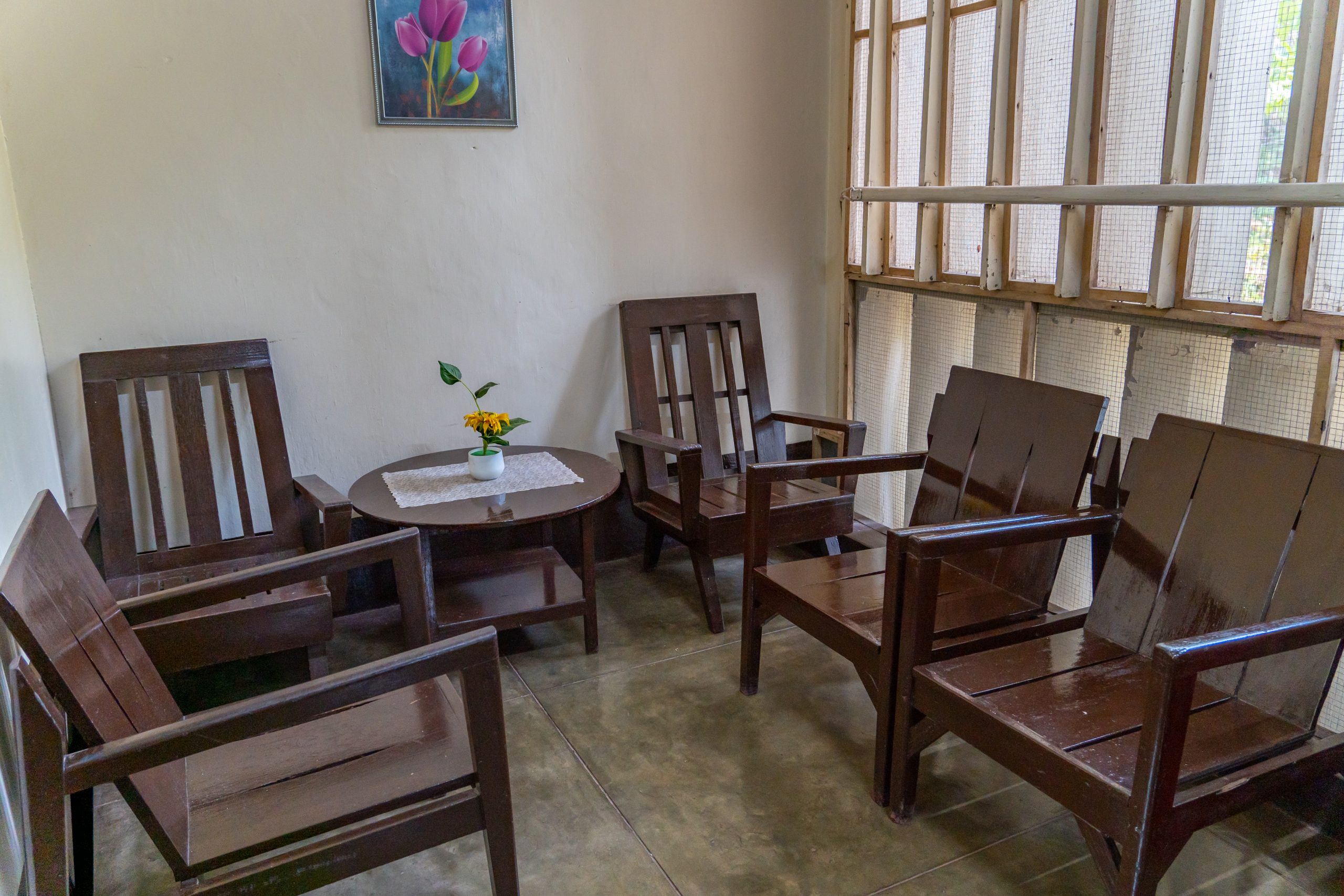
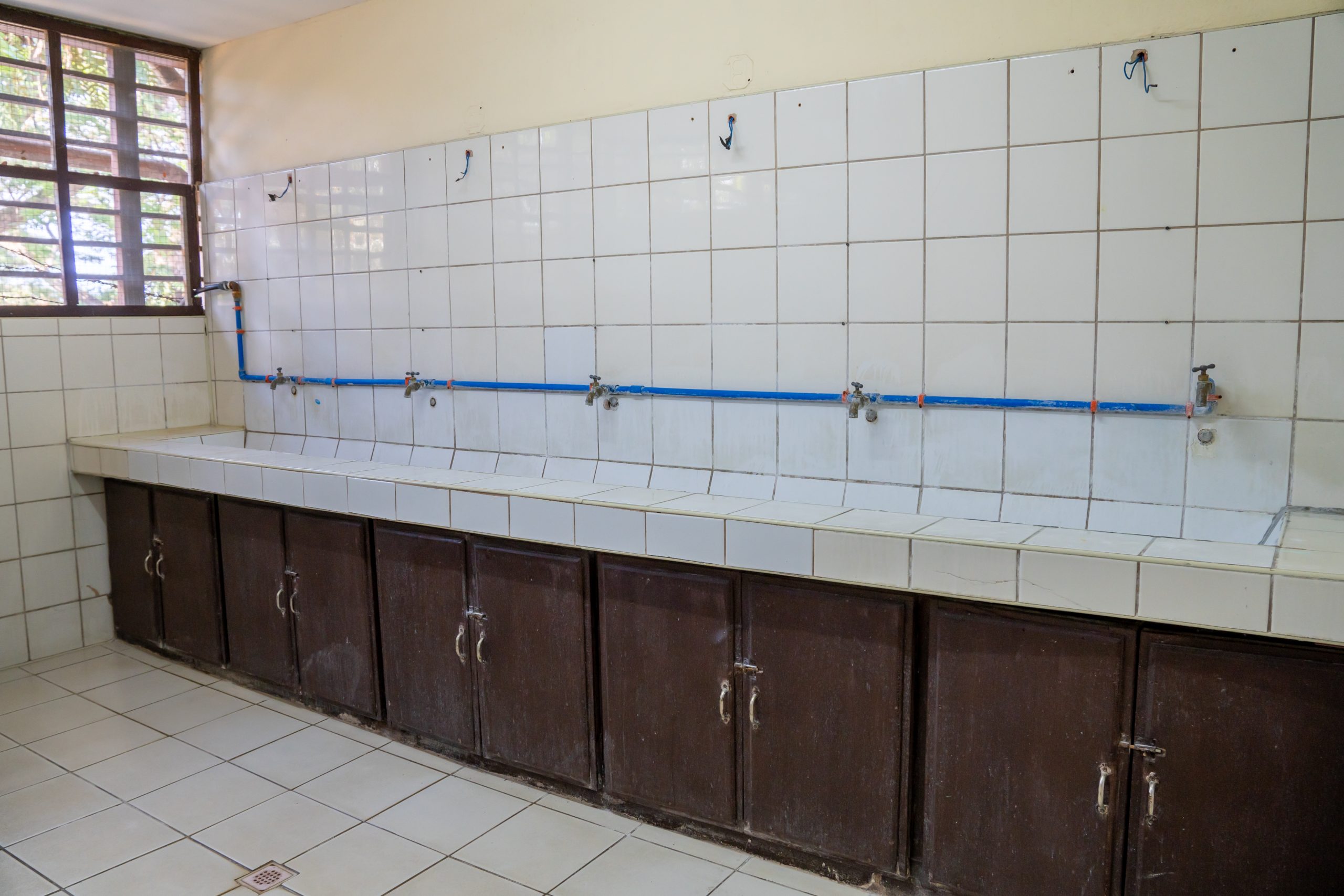
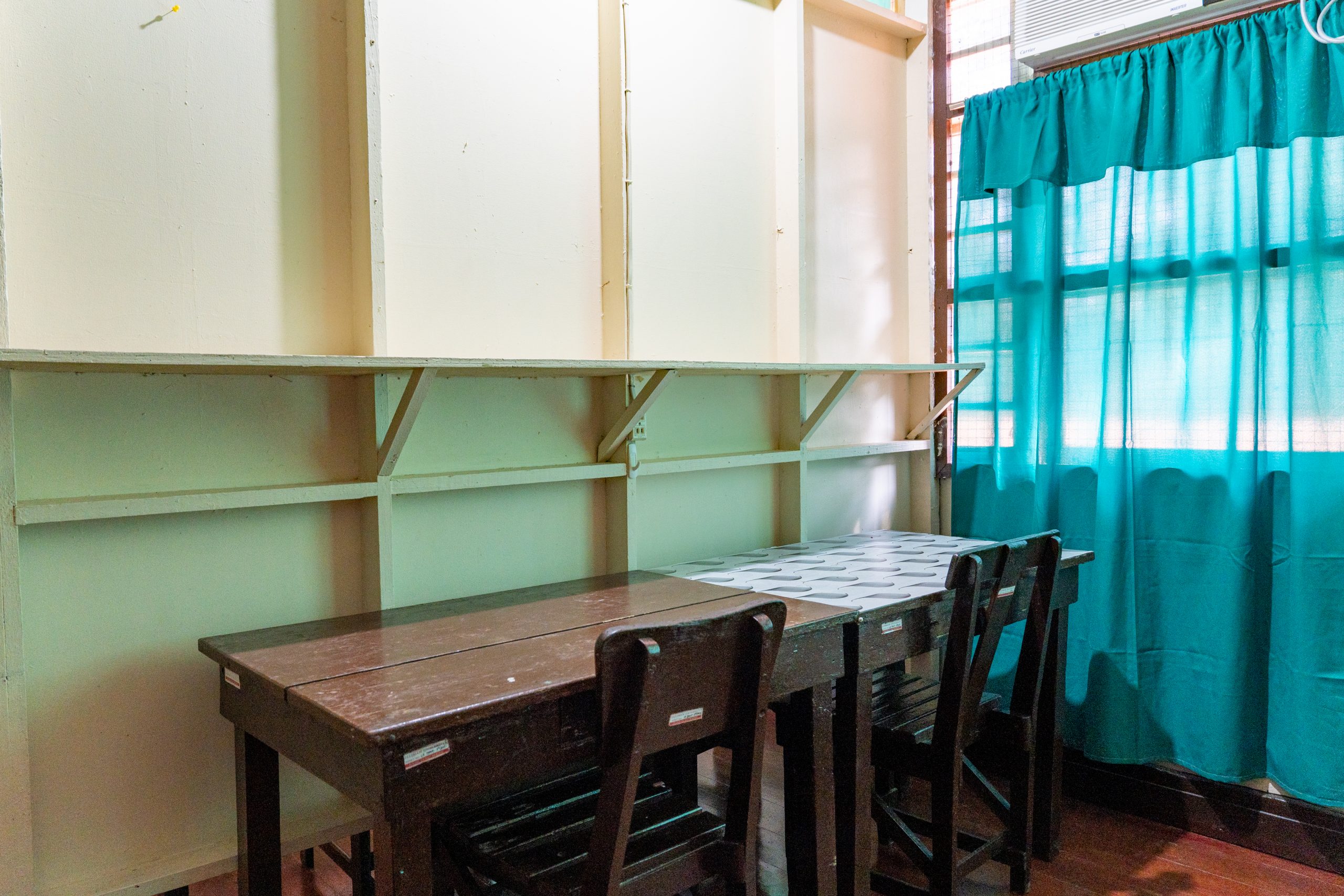
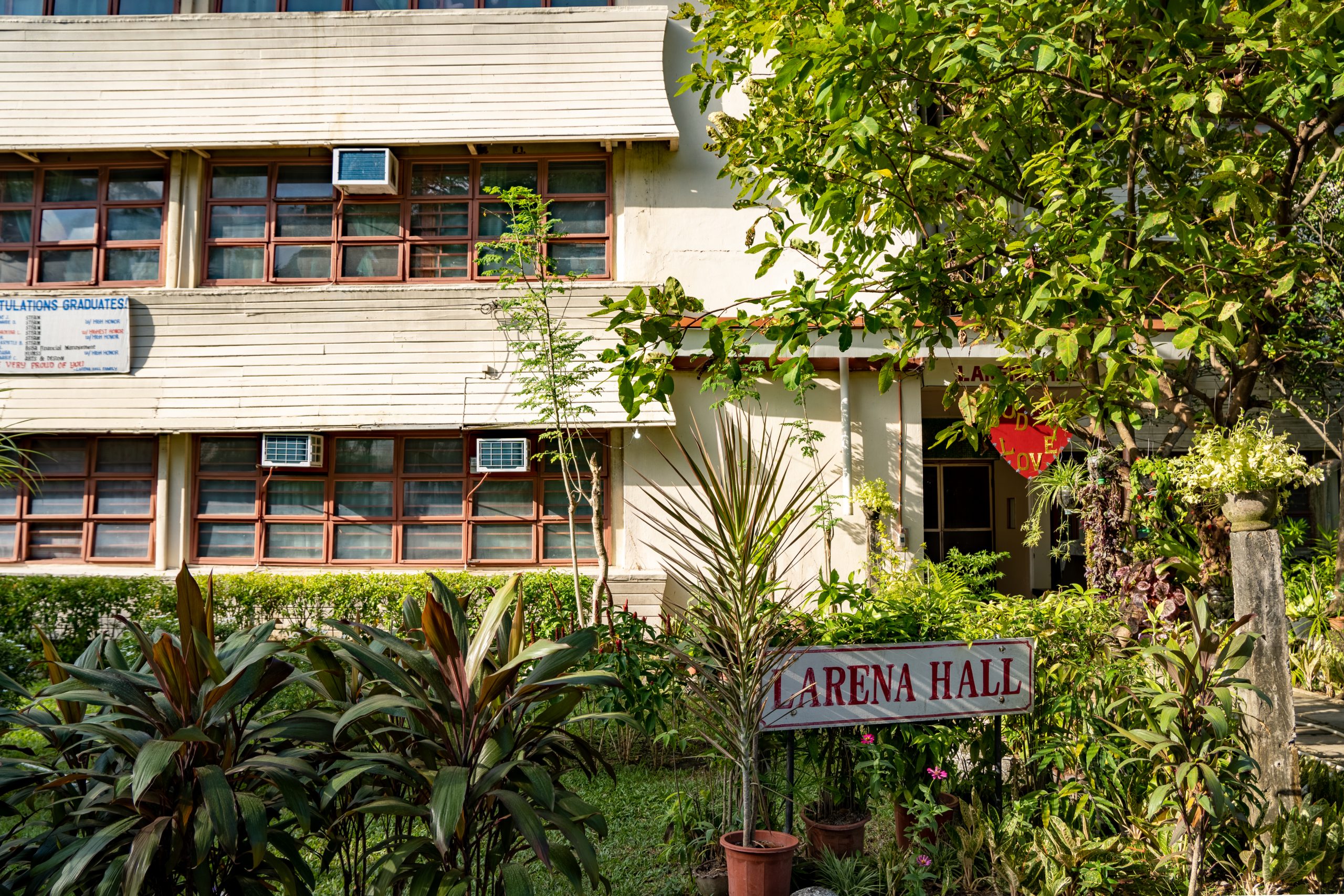
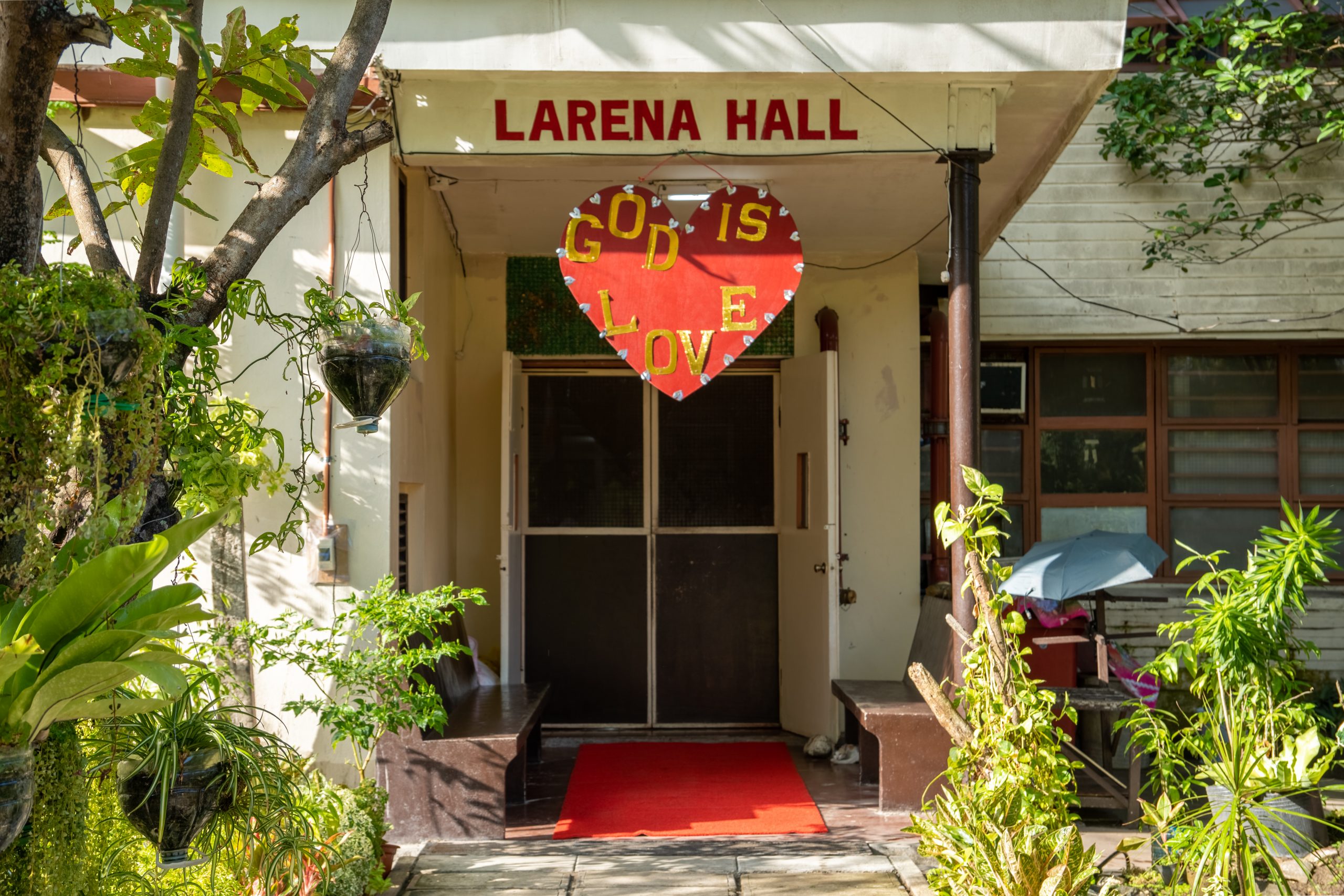
Regular women’s dormitories include Channon Hall, Edith Carson Hall, and Larena Hall, while men’s dormitories include Doltz Hall and Vernon Hall.
LEARN MORE: Dormitory & Board Rates
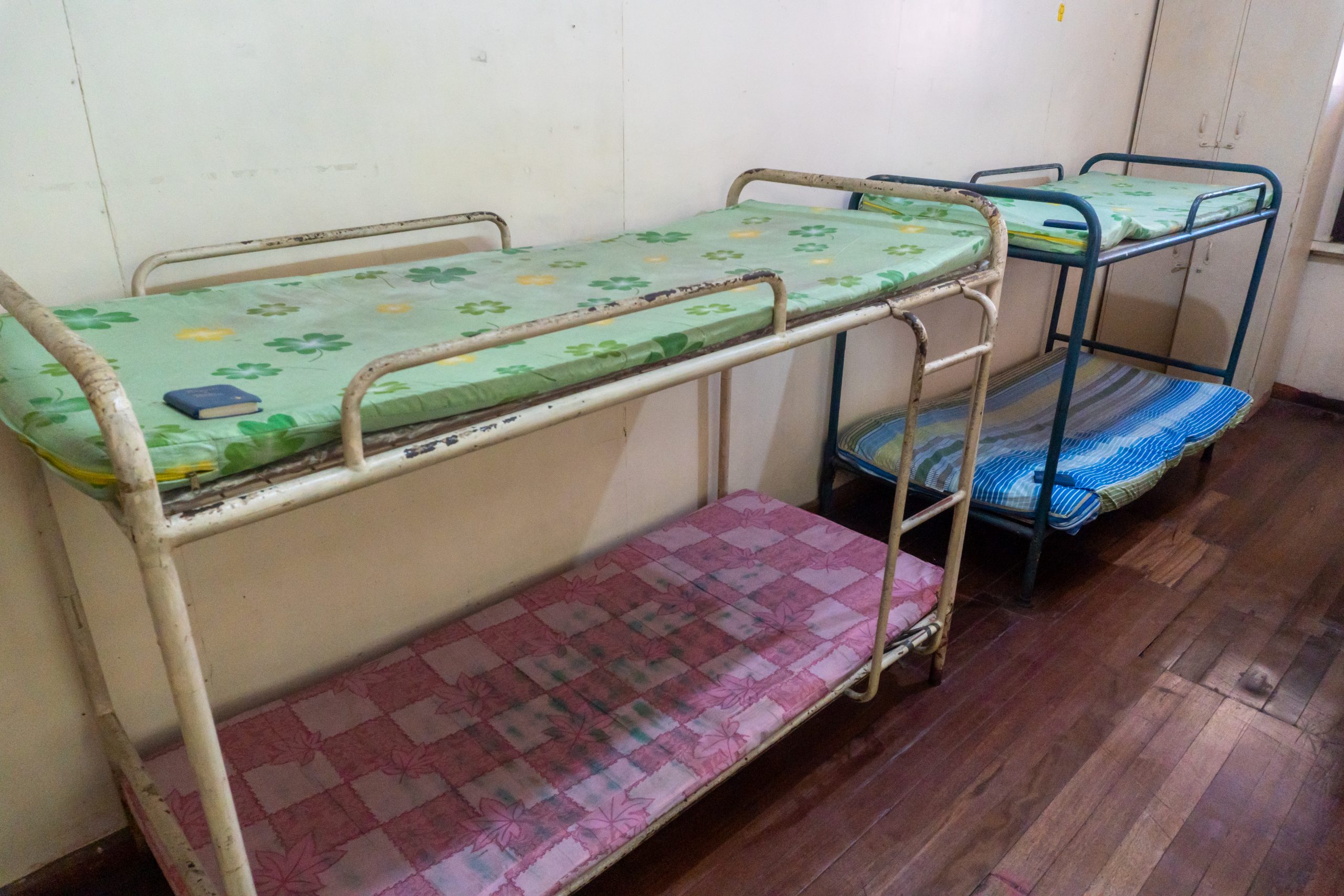
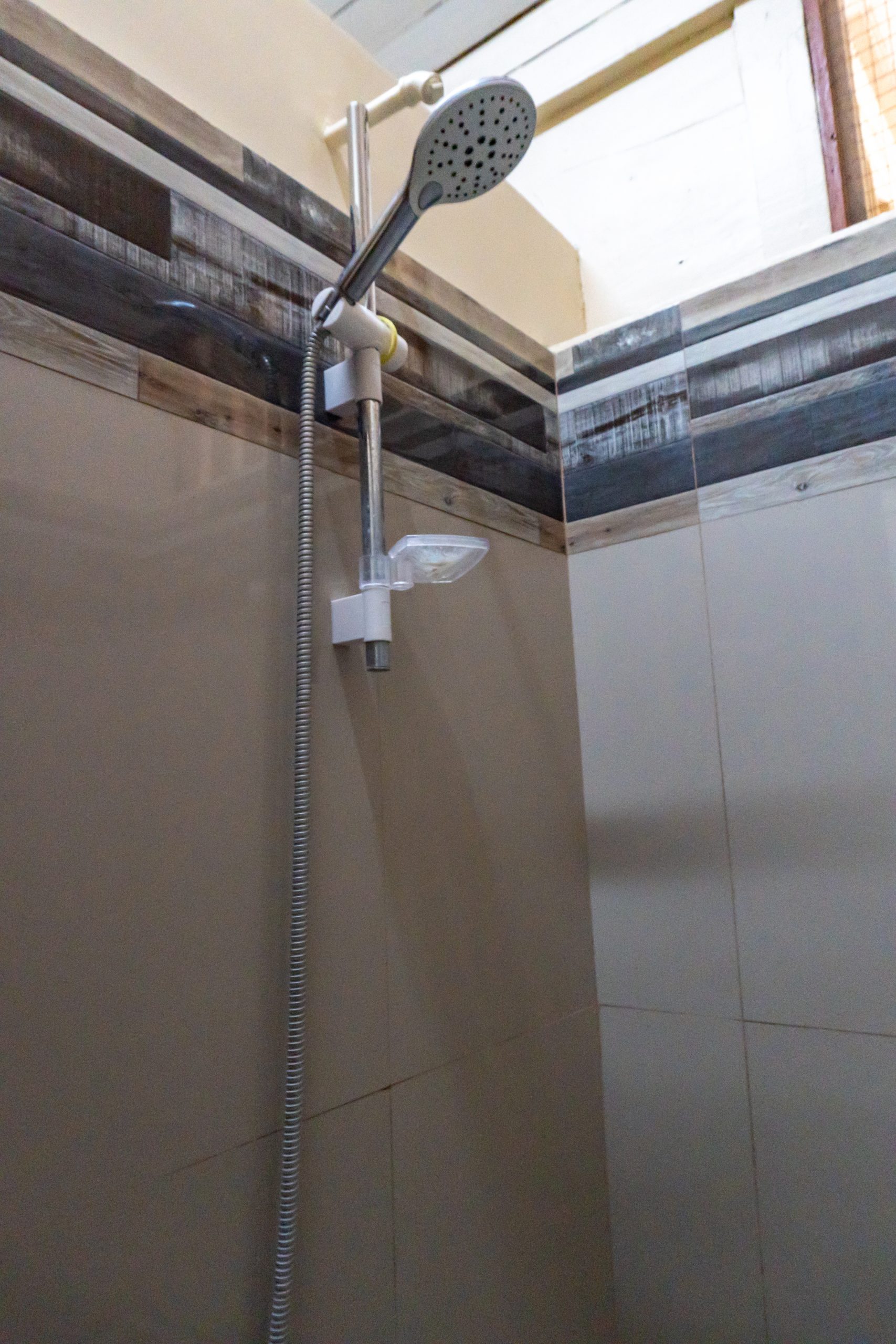
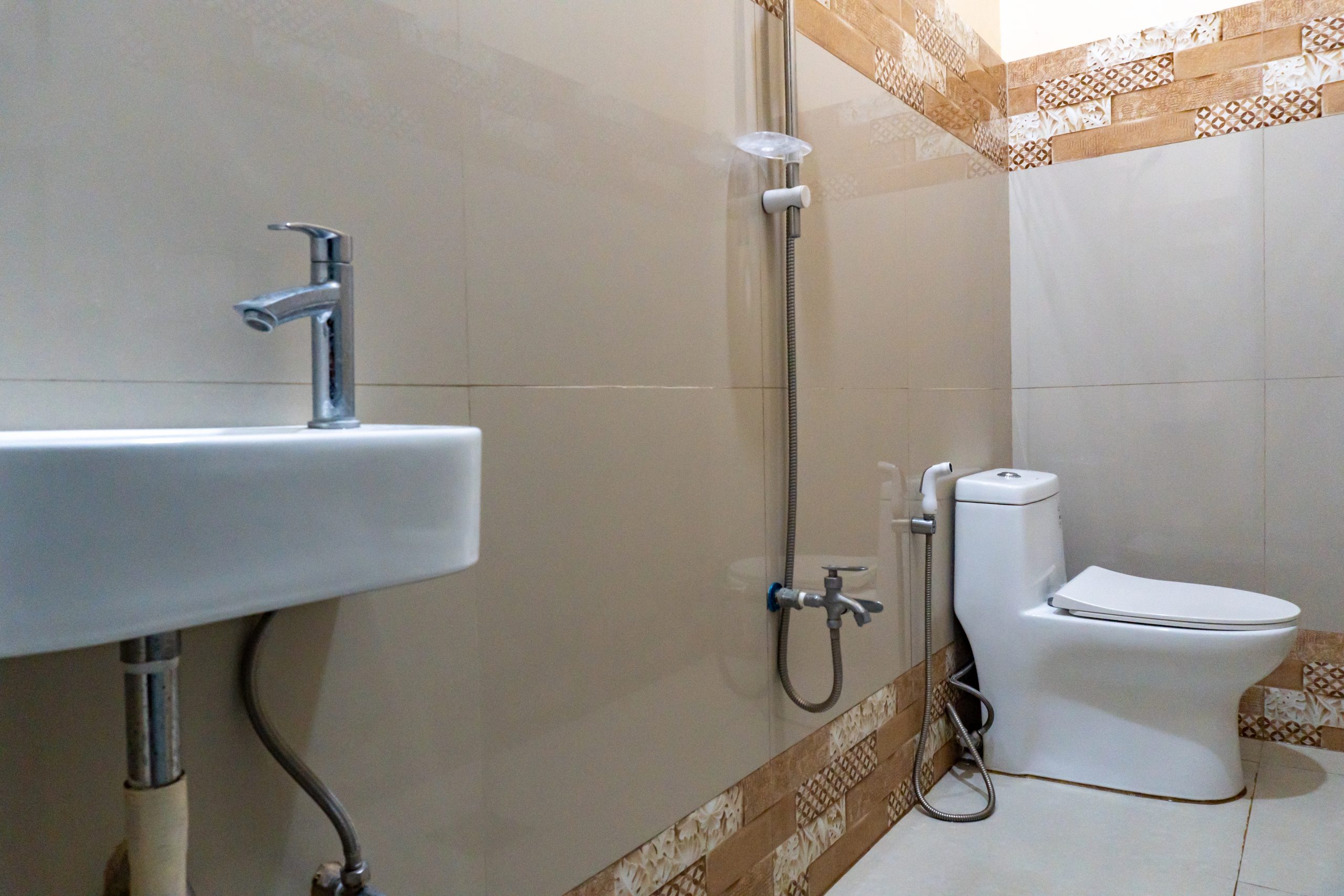
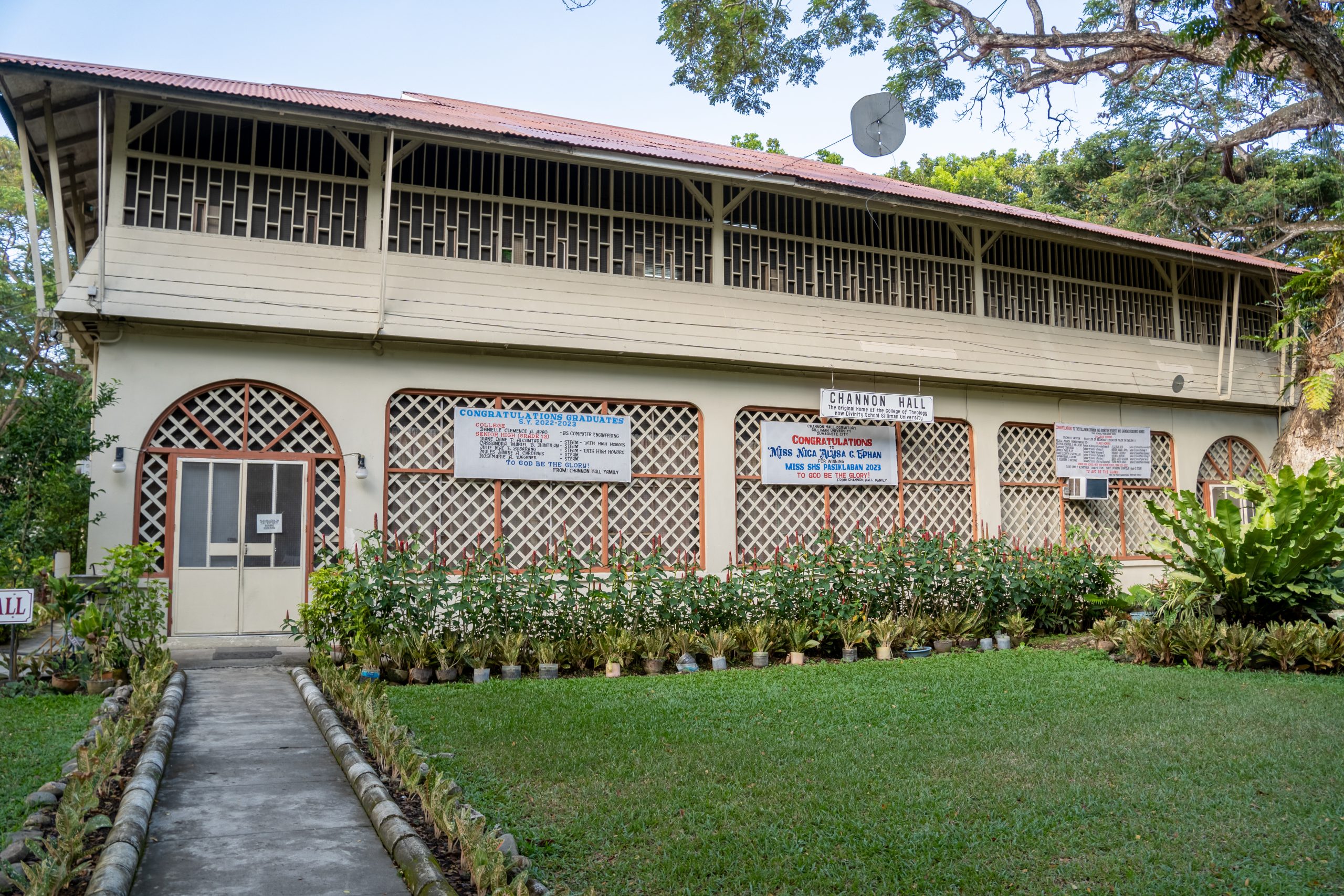
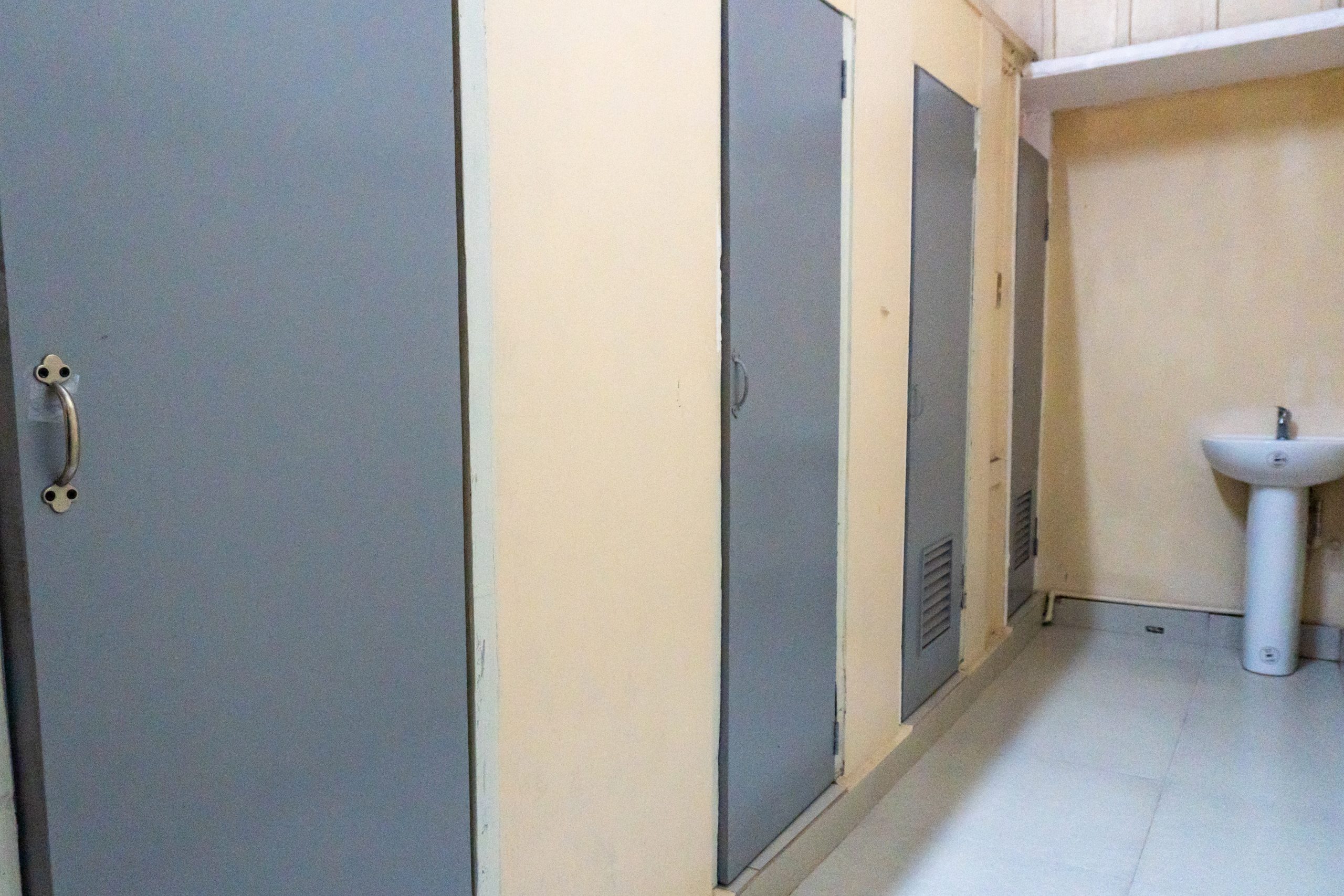
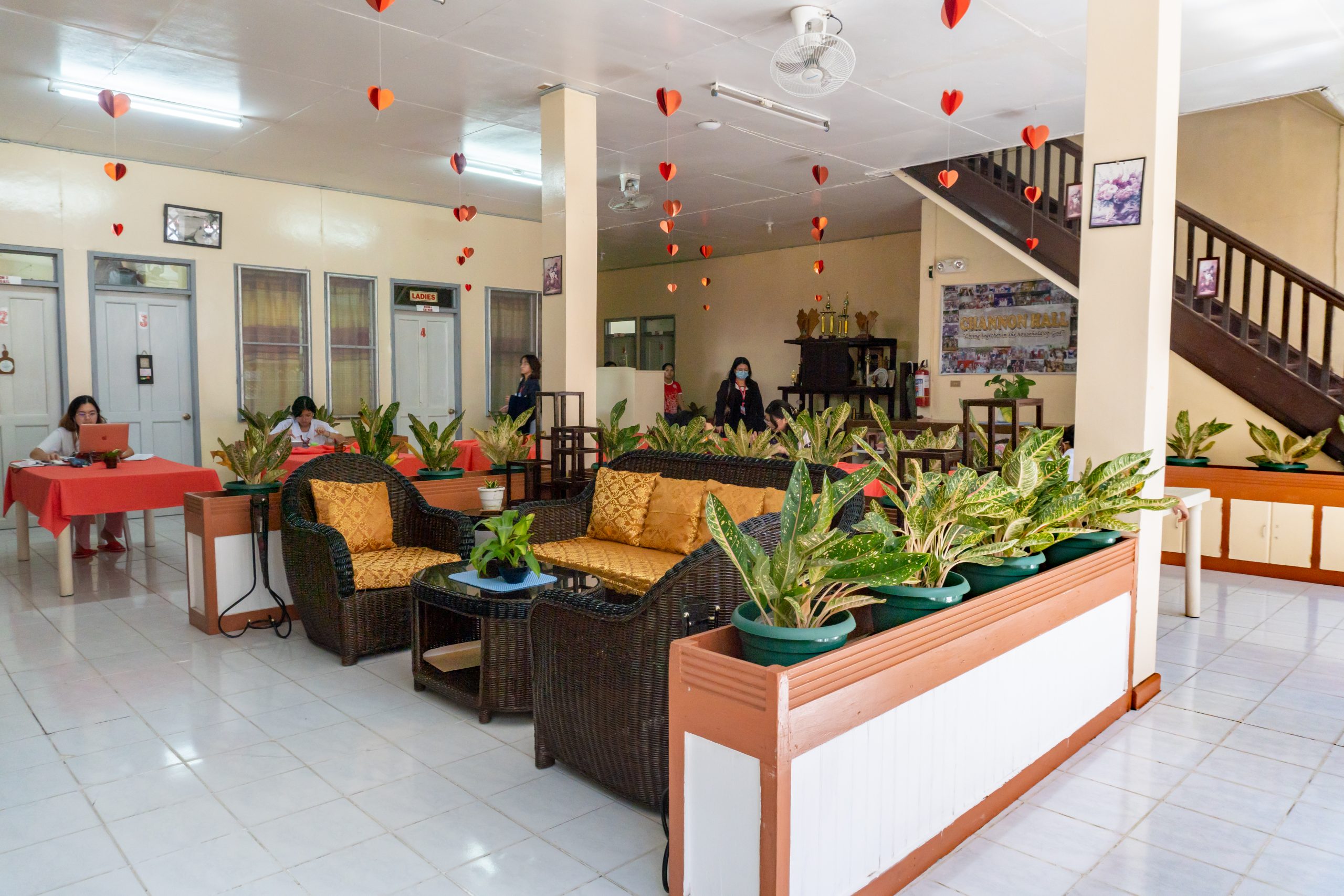
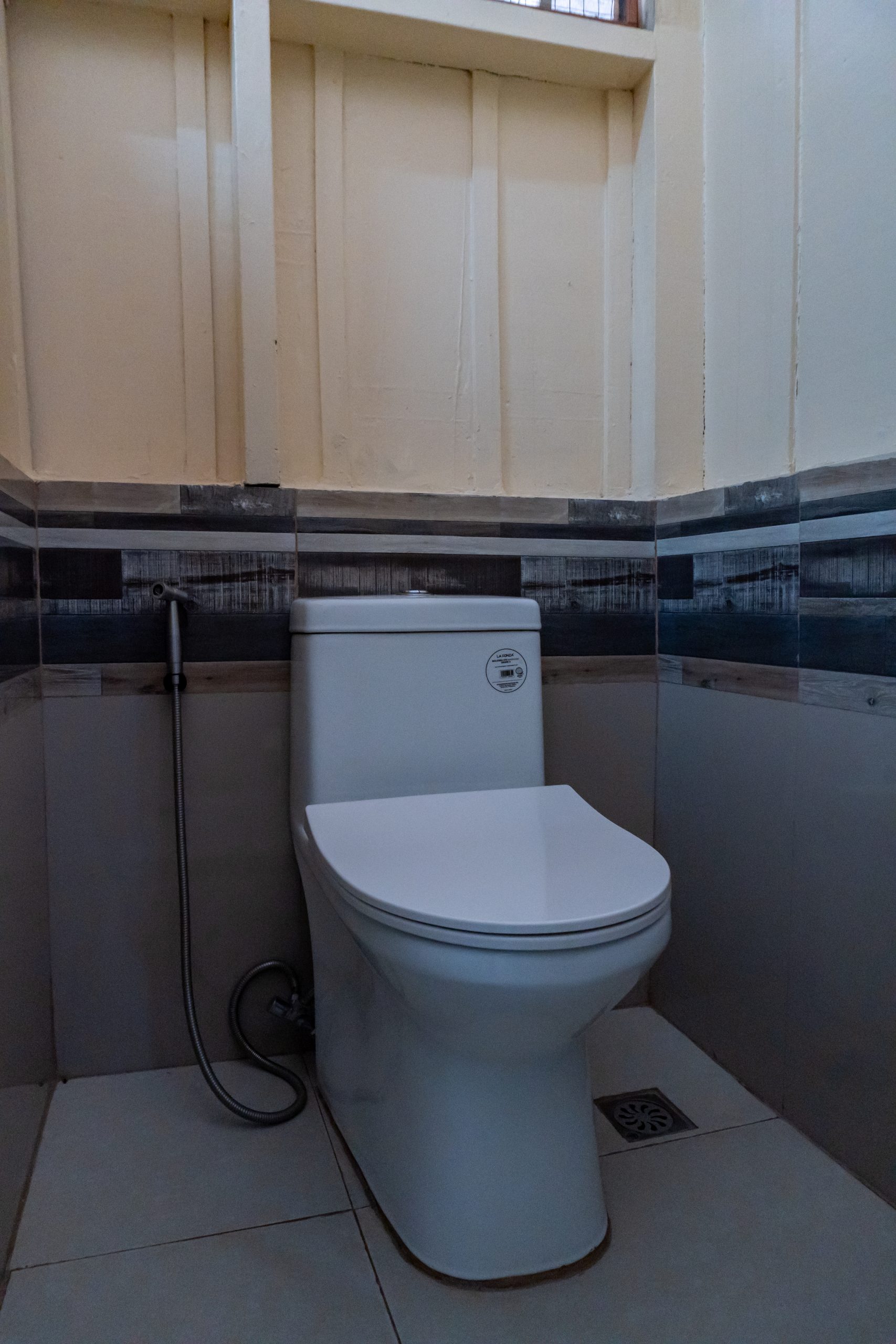
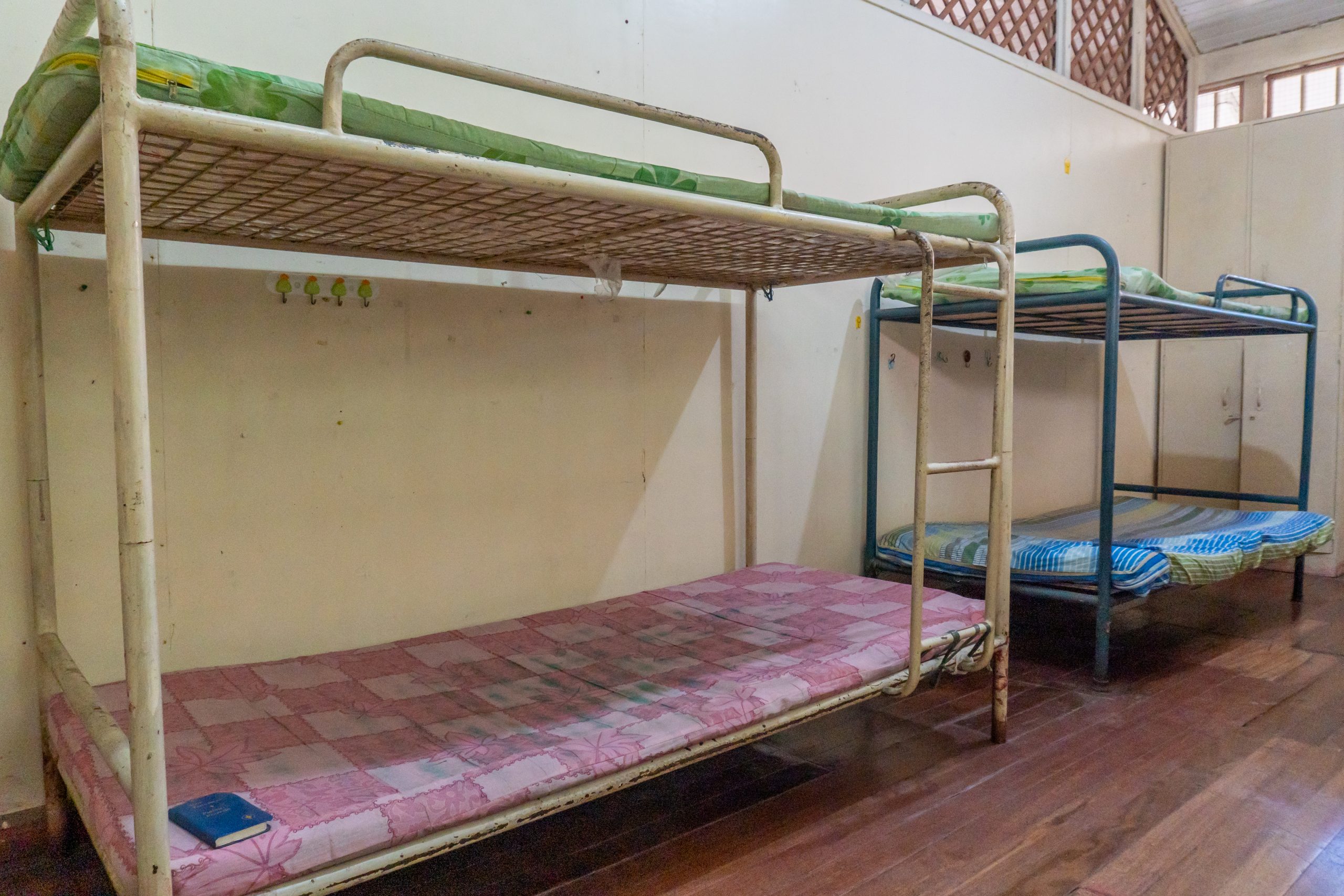
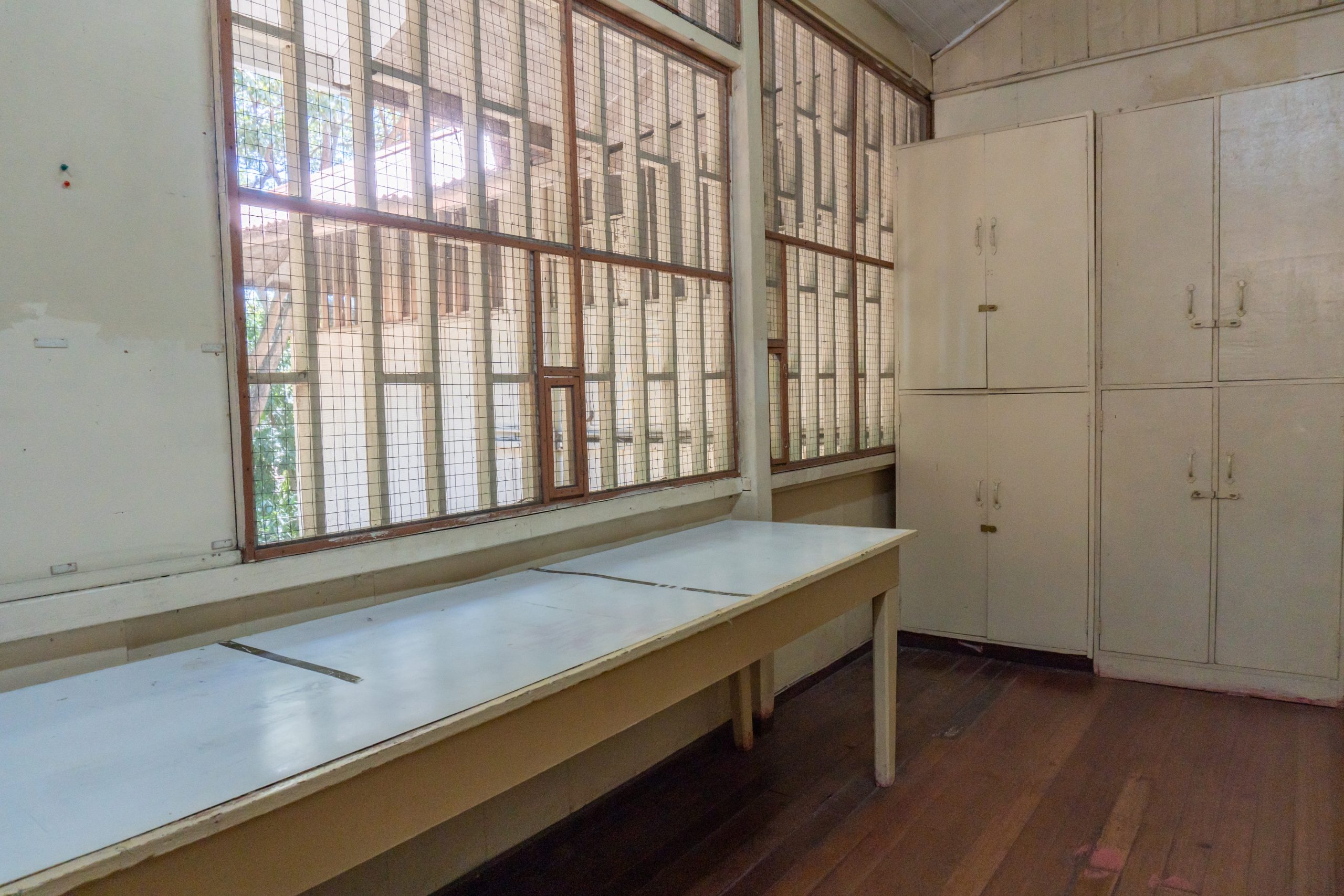
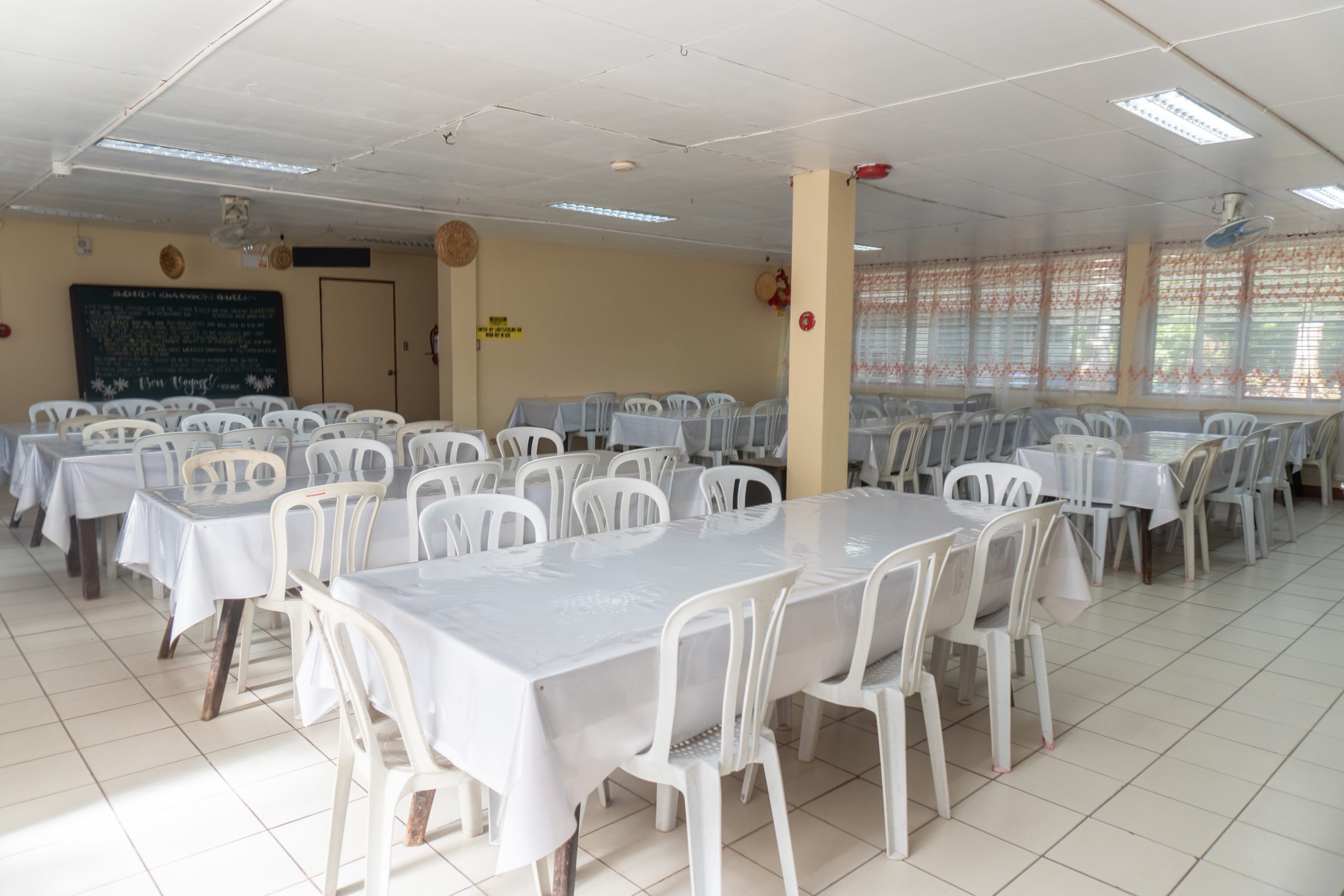
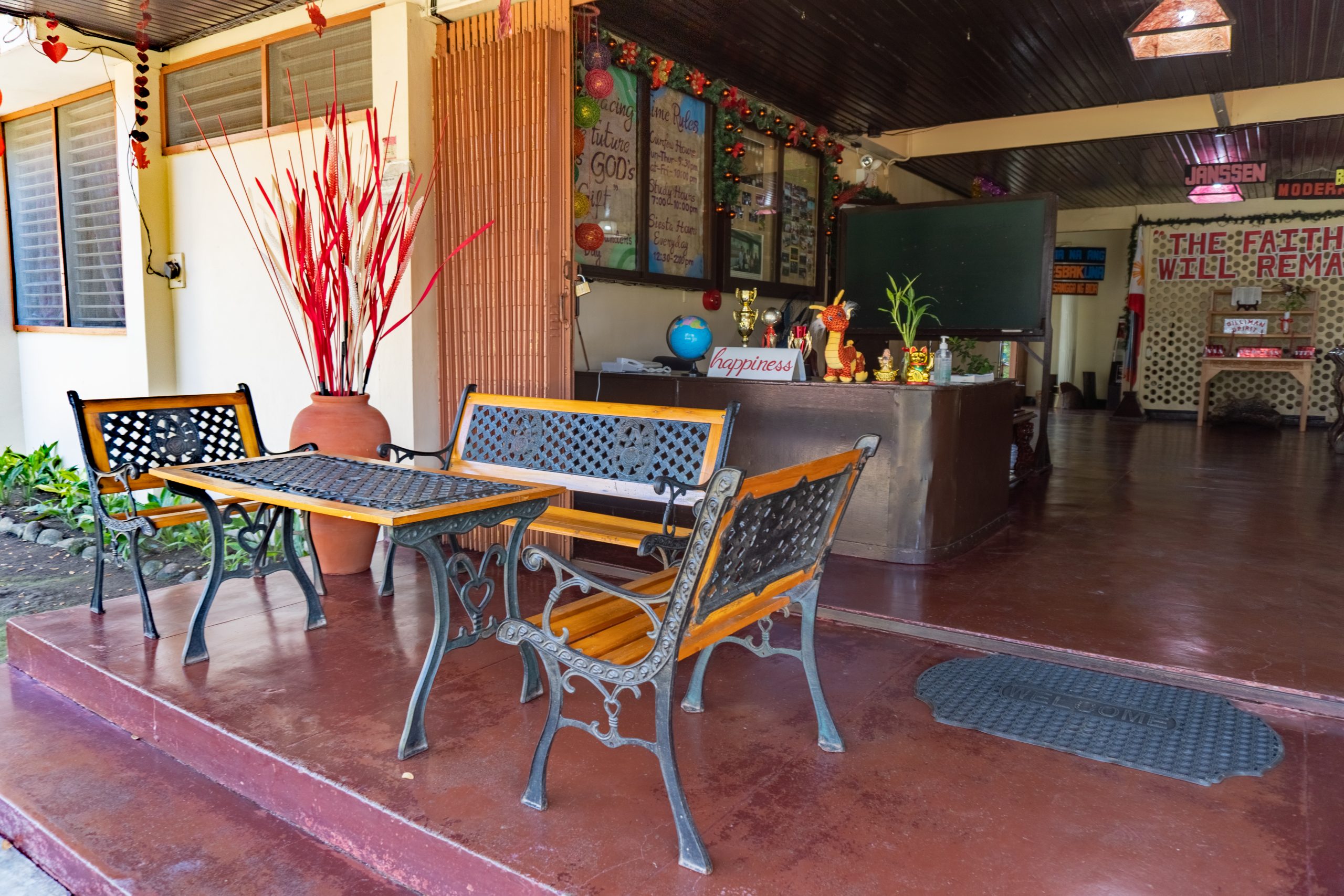

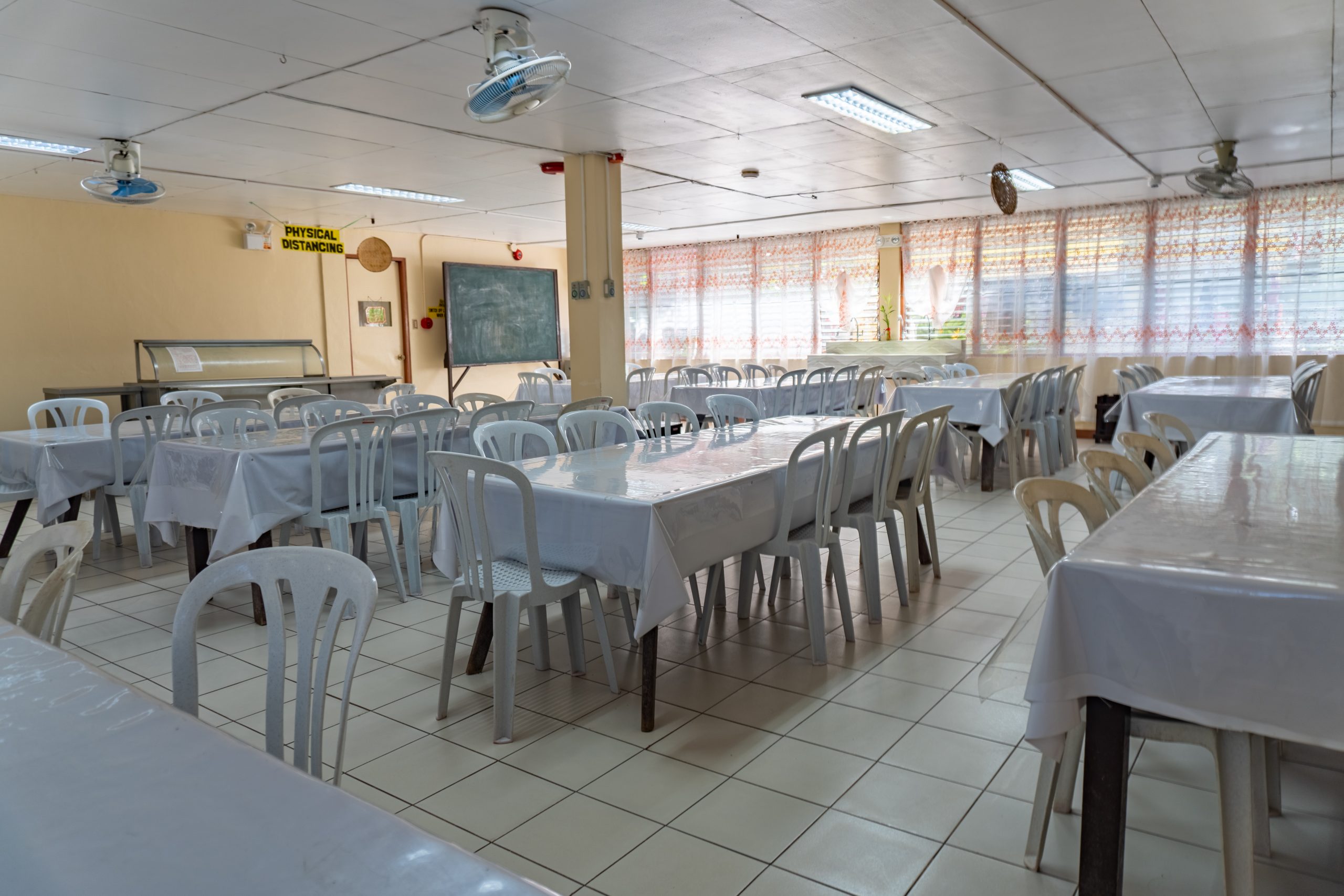
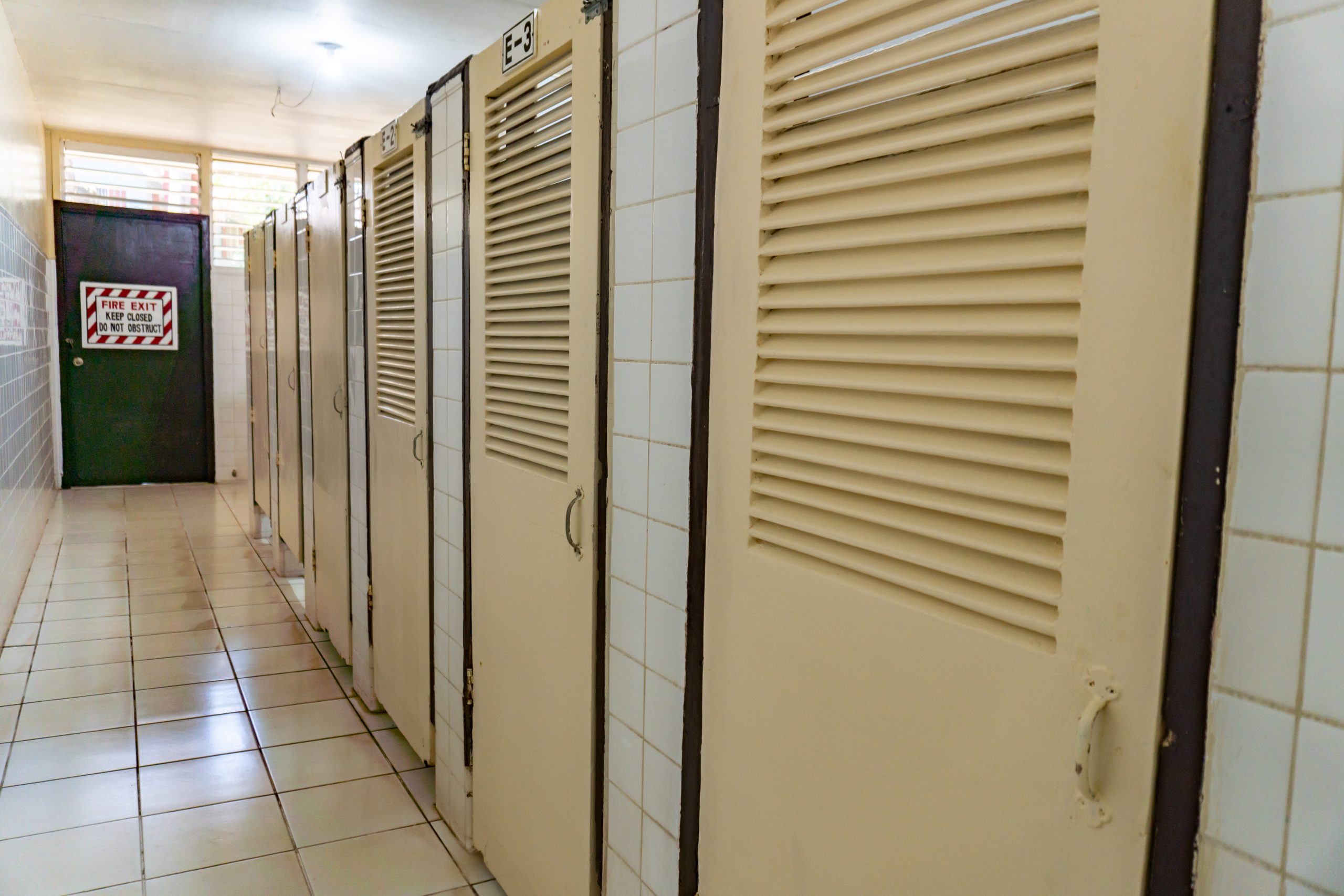
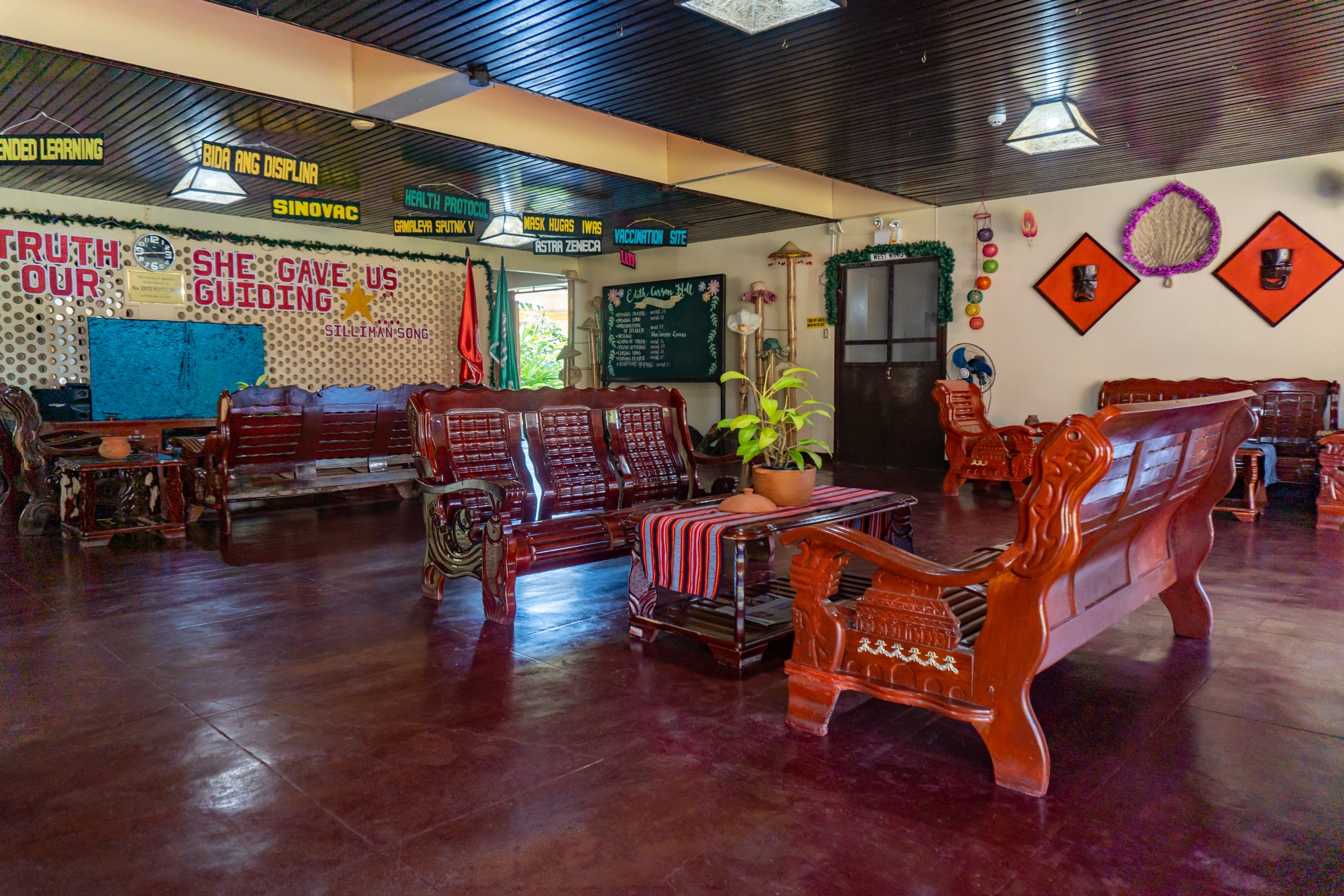
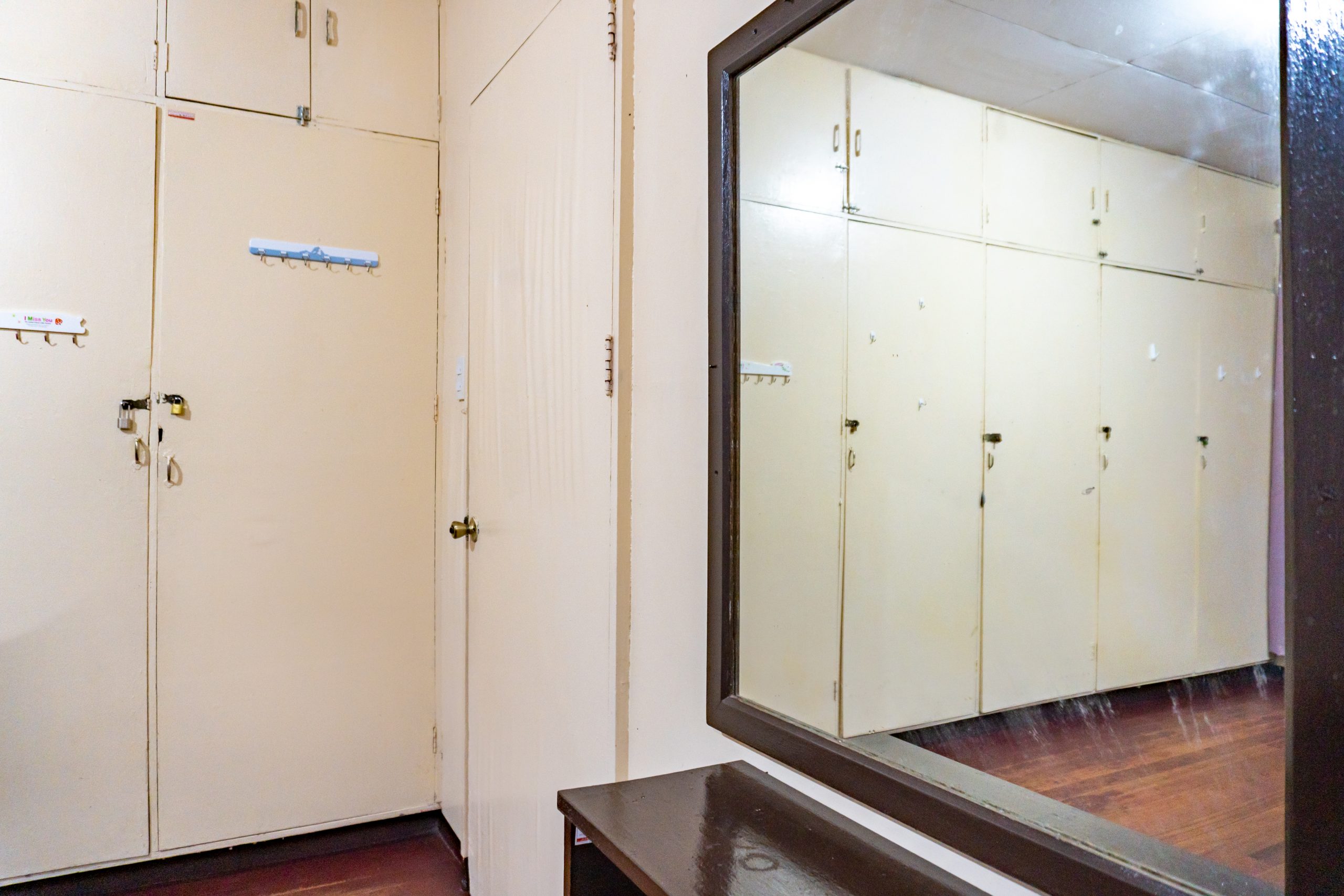
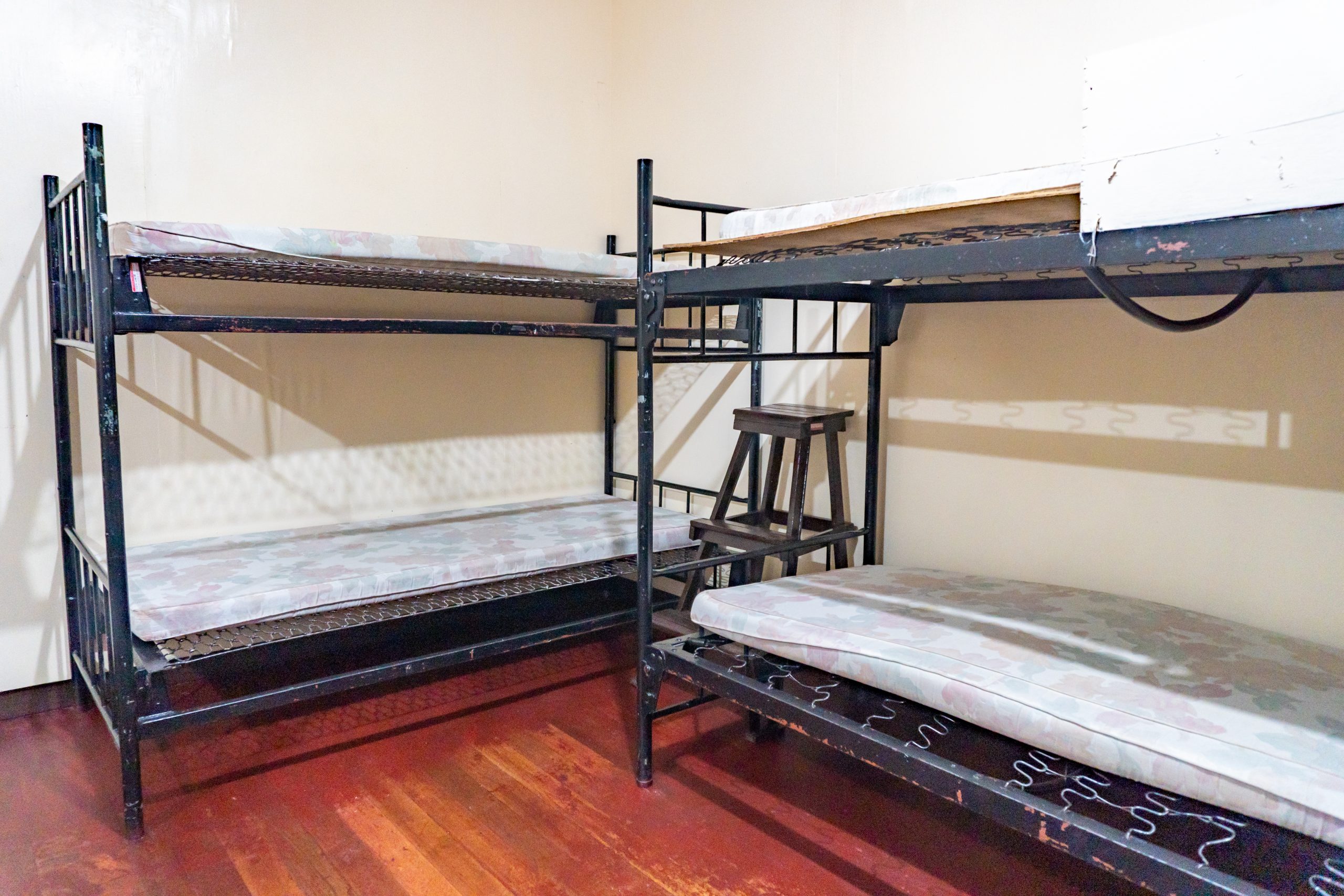

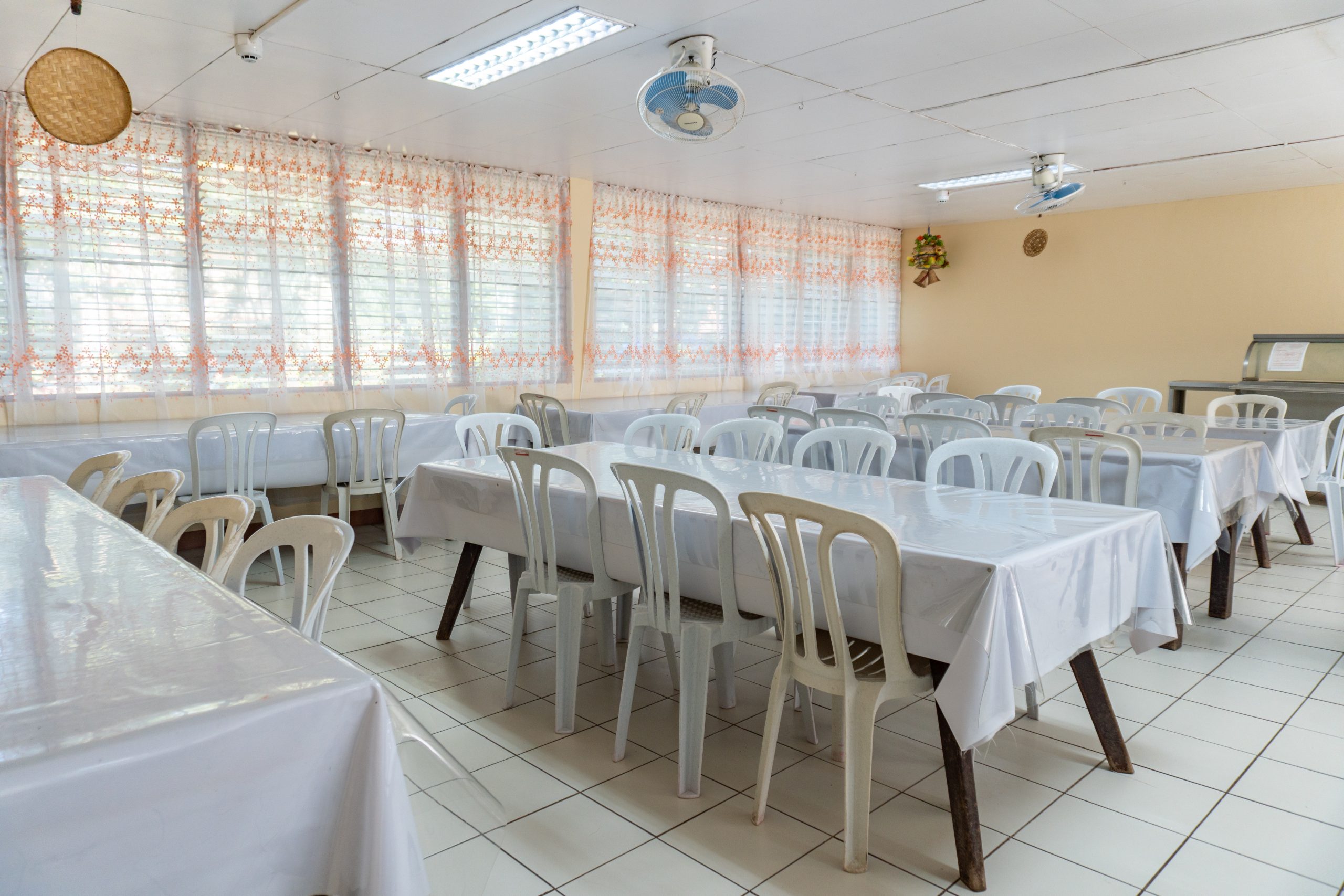
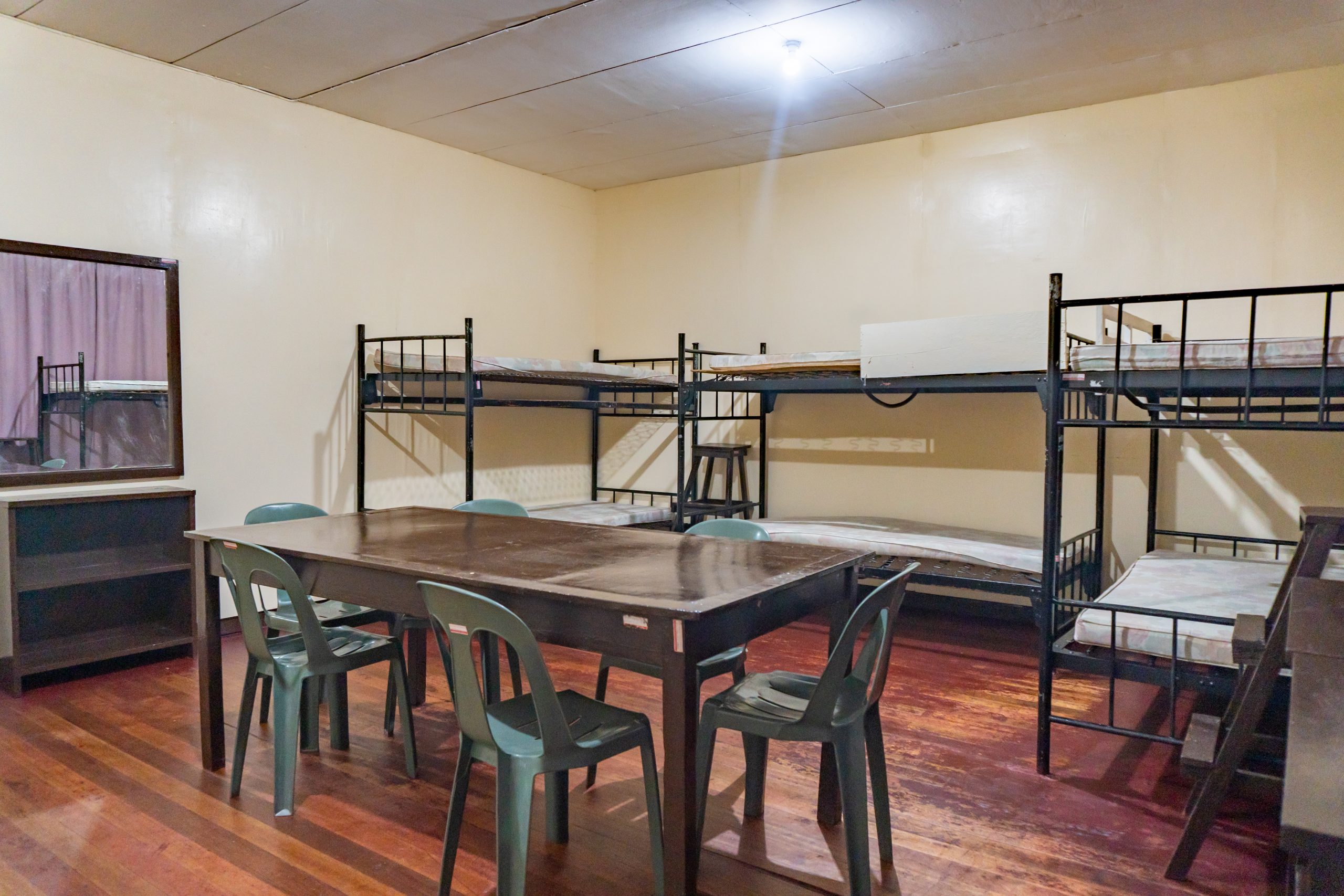
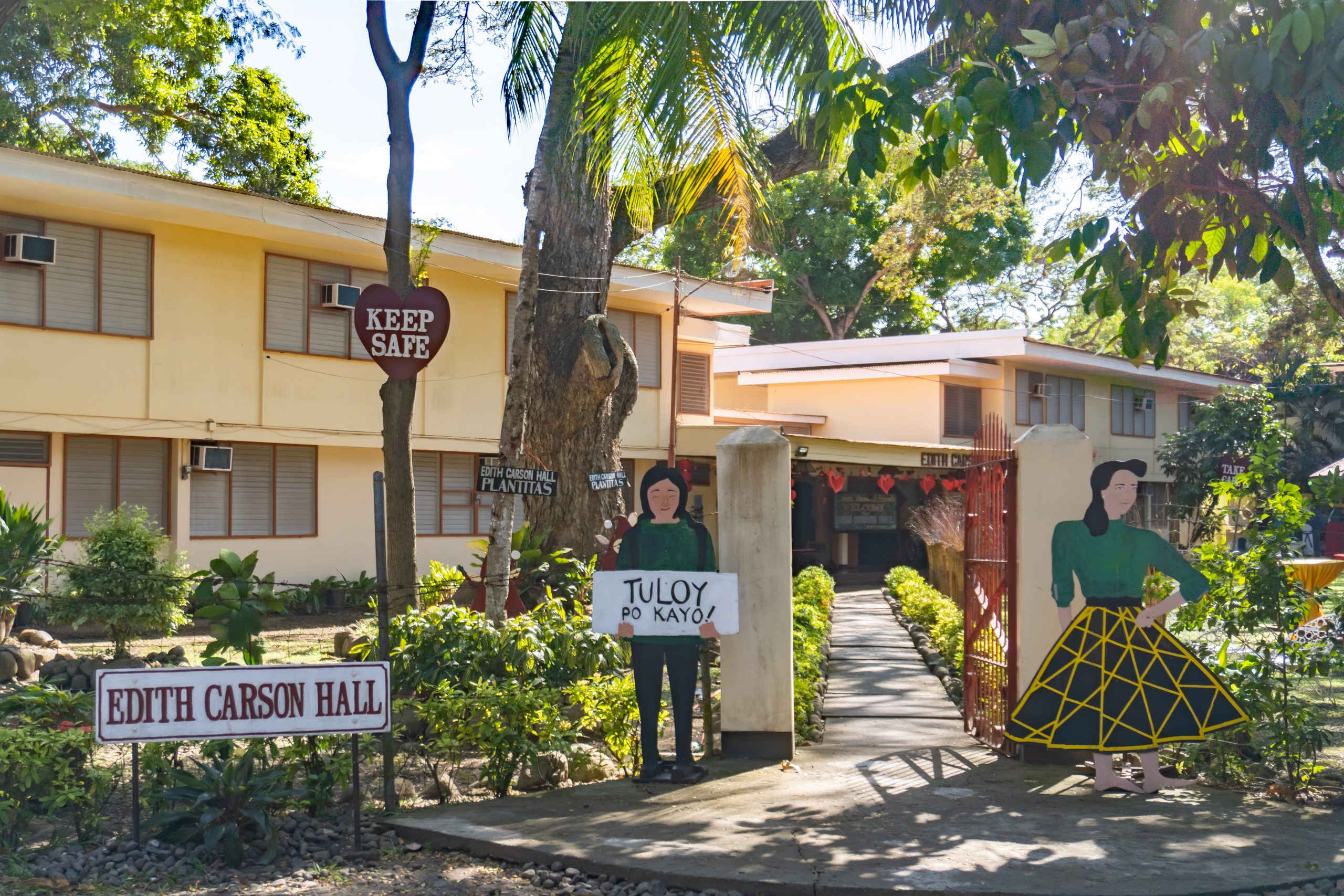
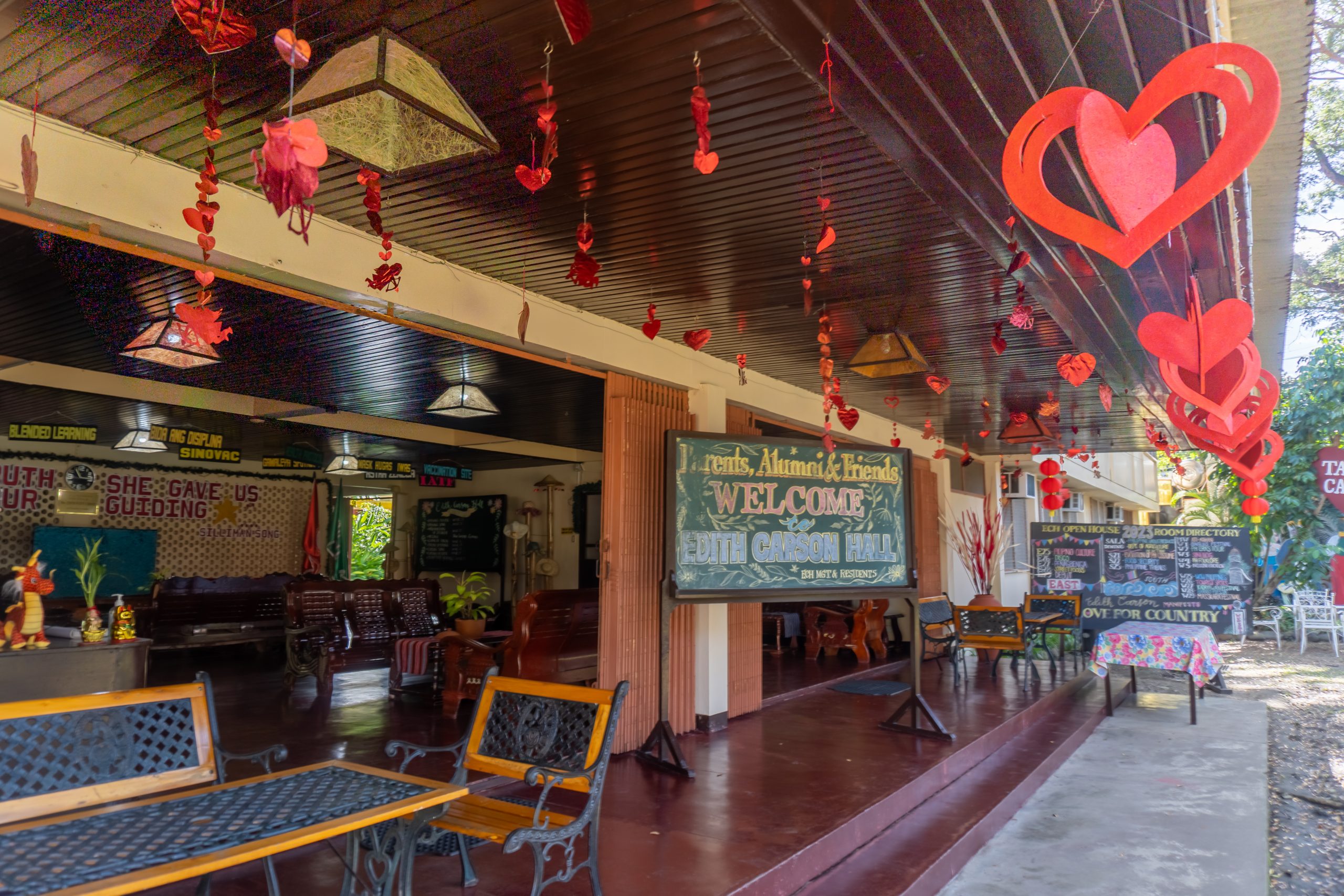
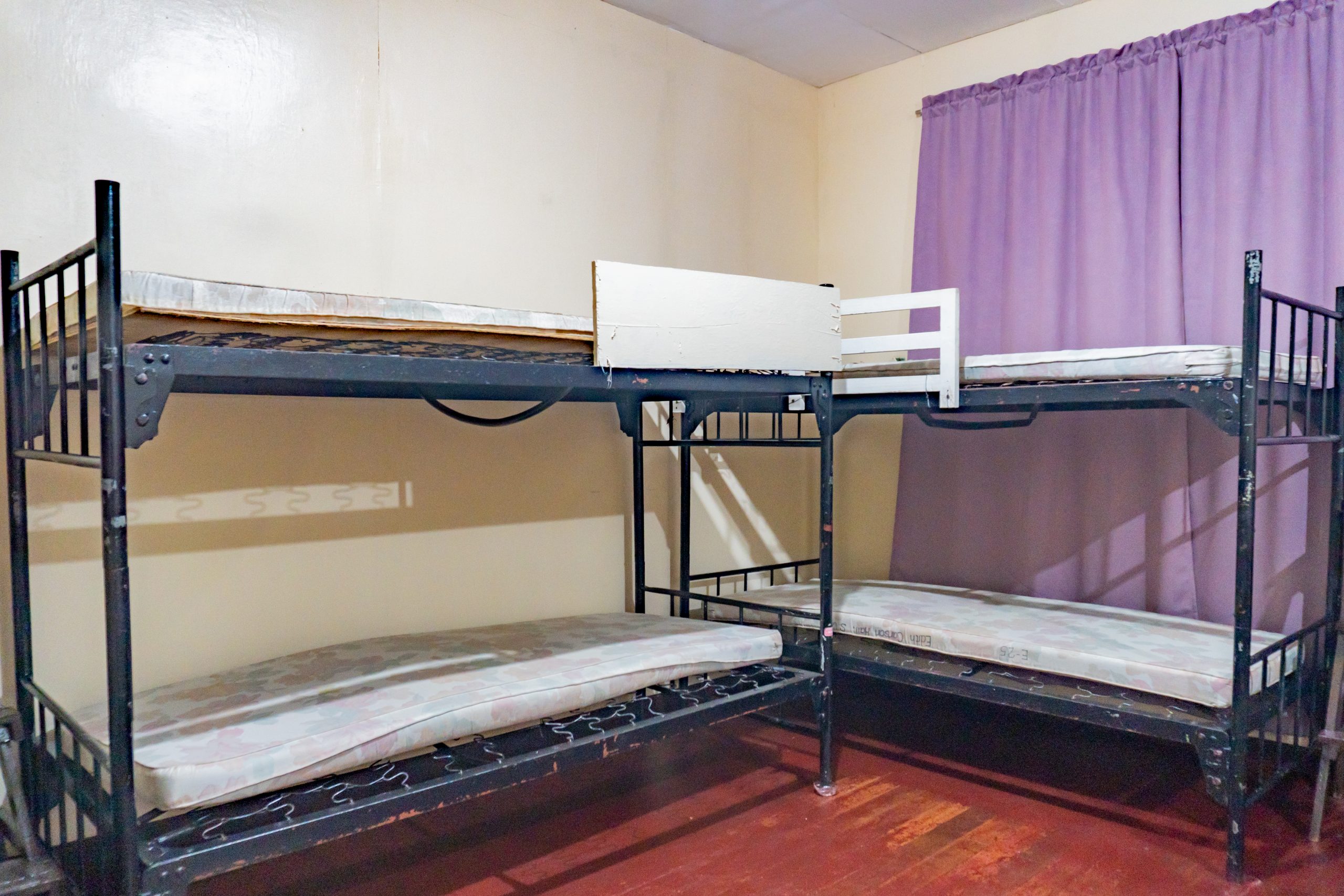
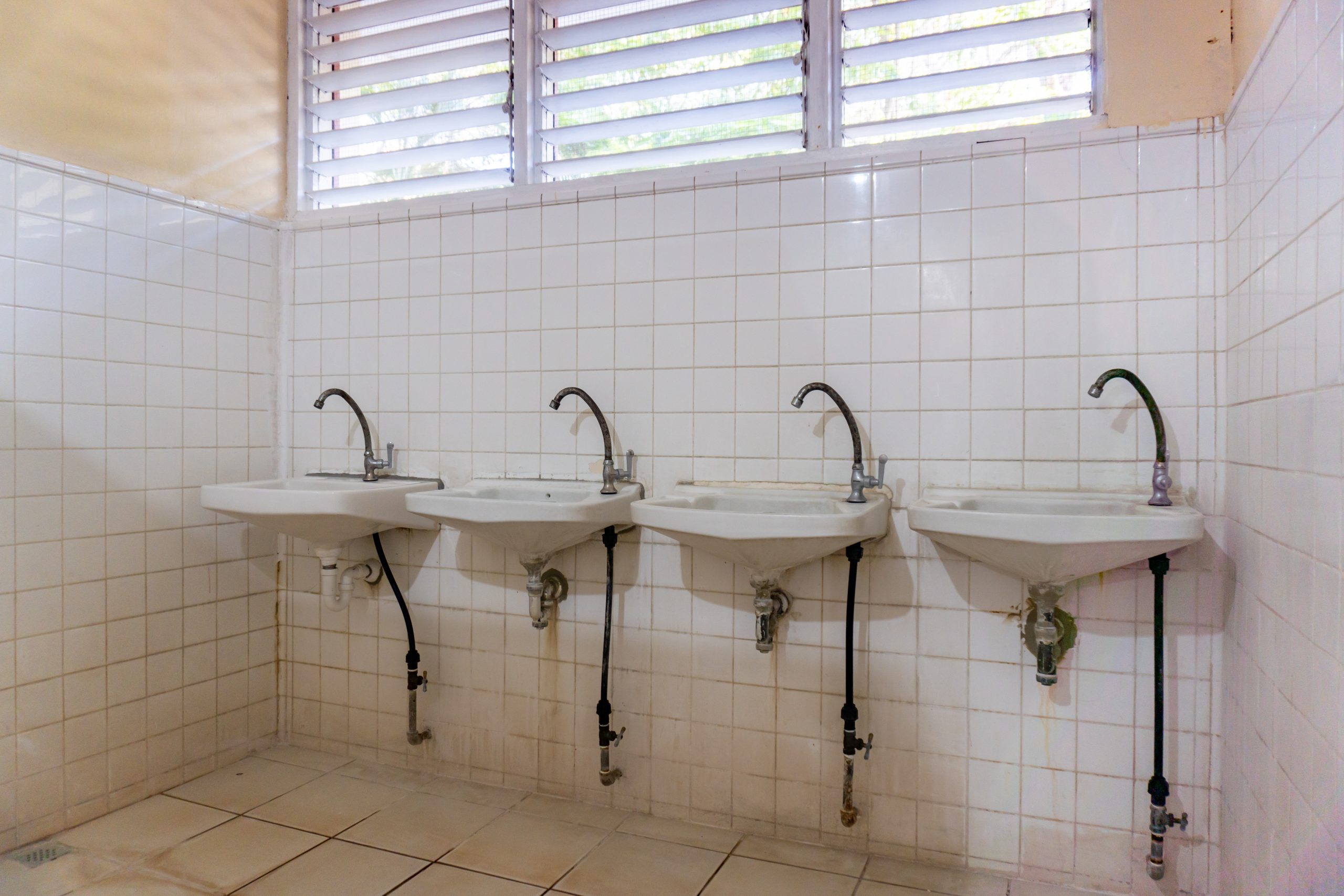
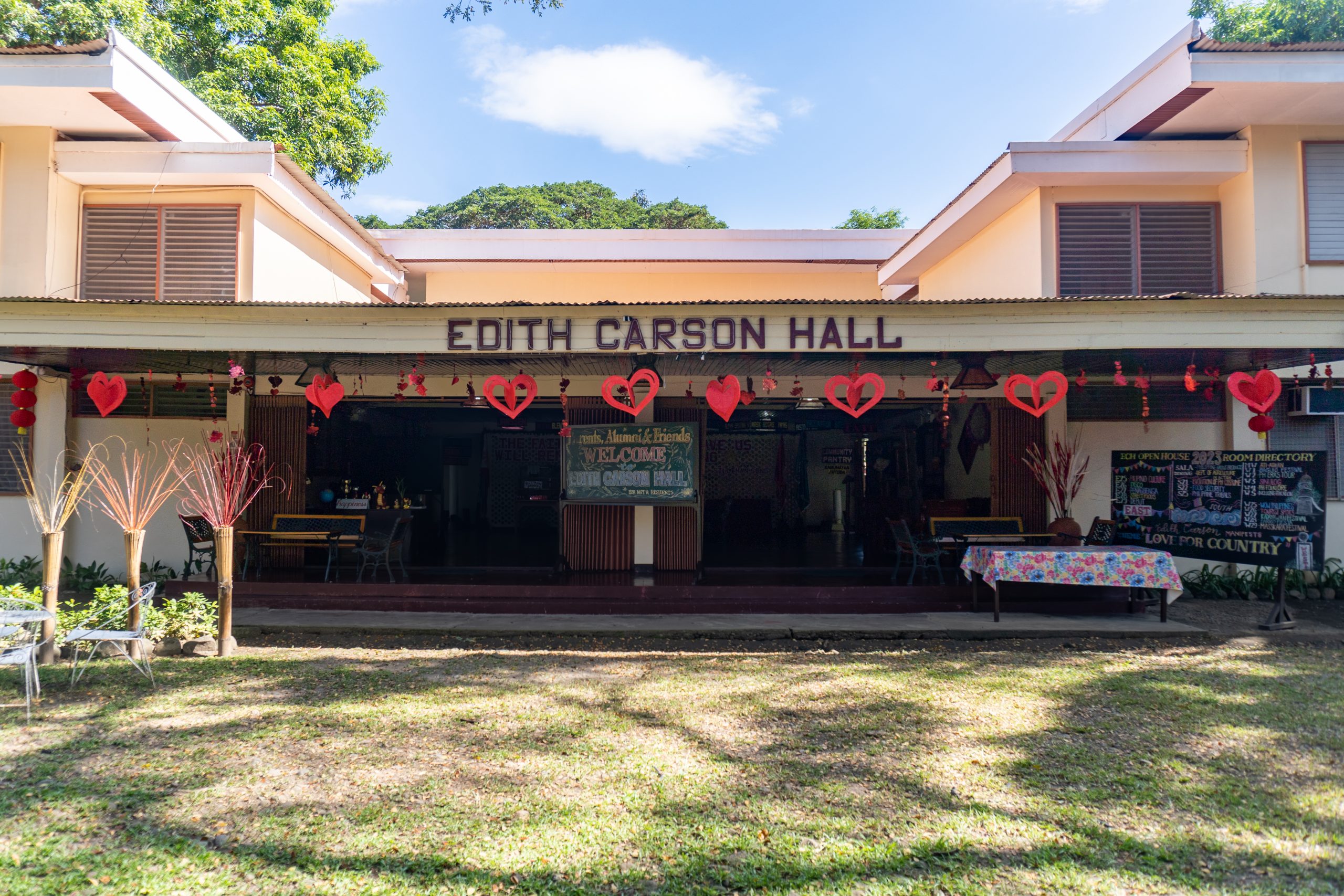
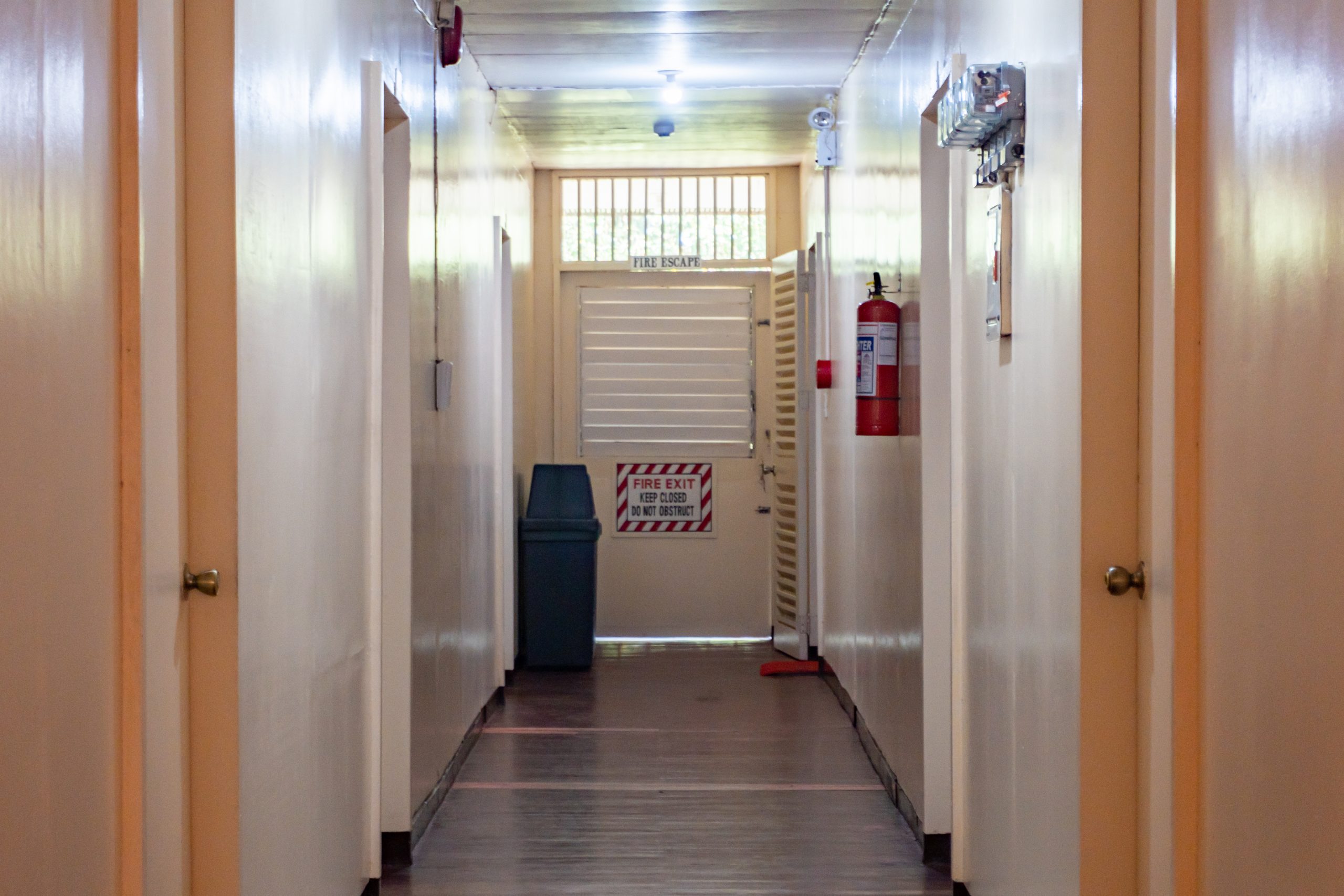
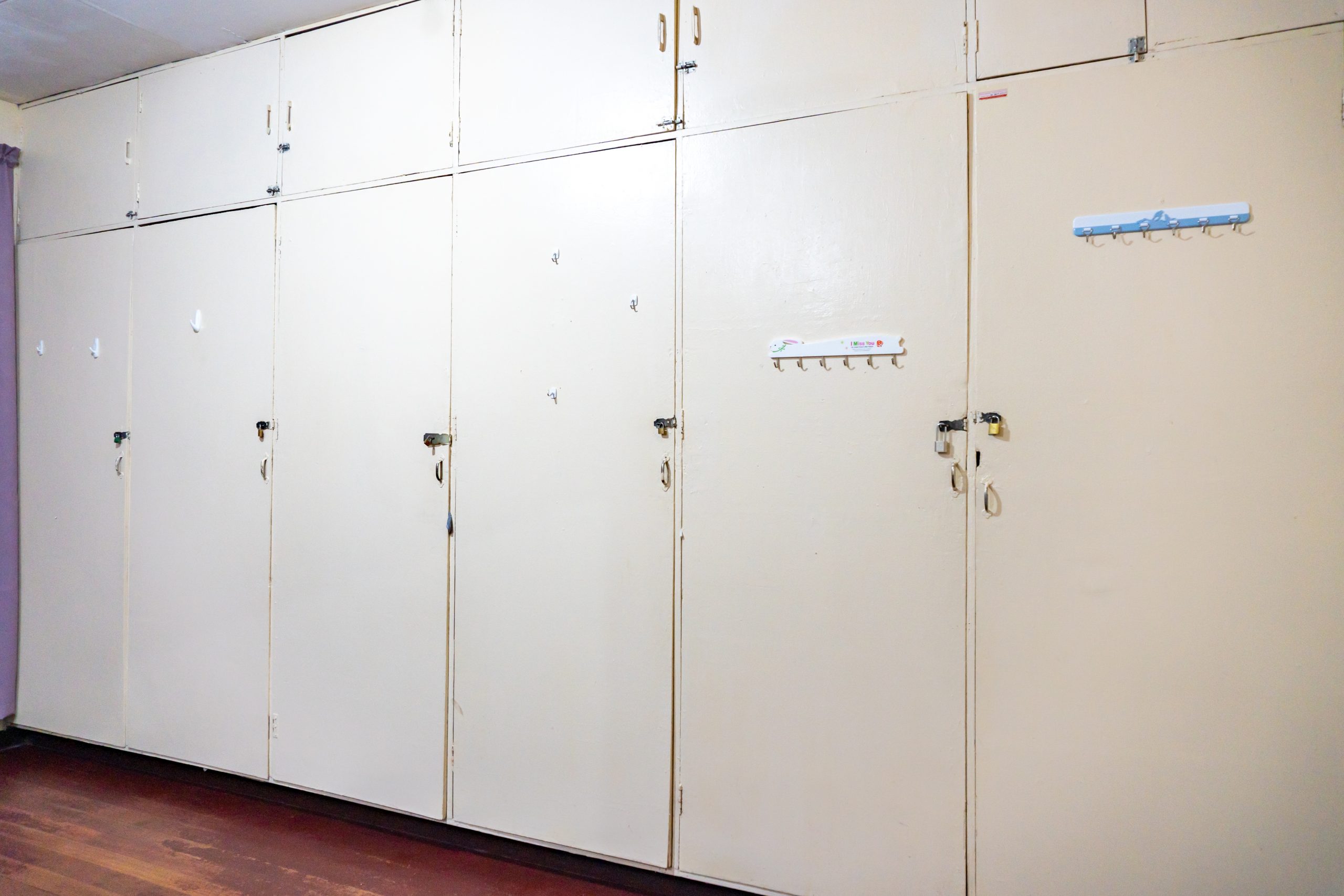
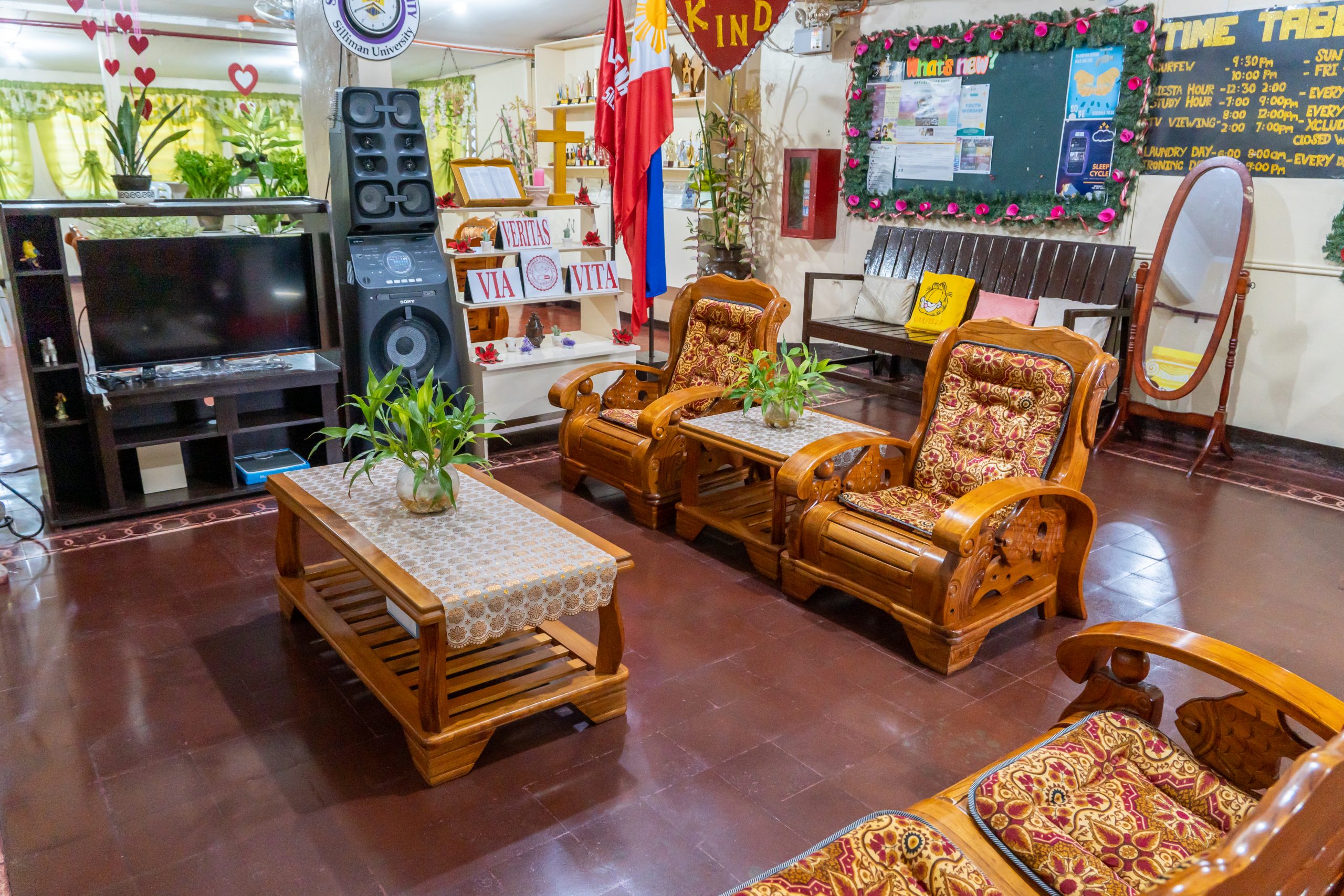
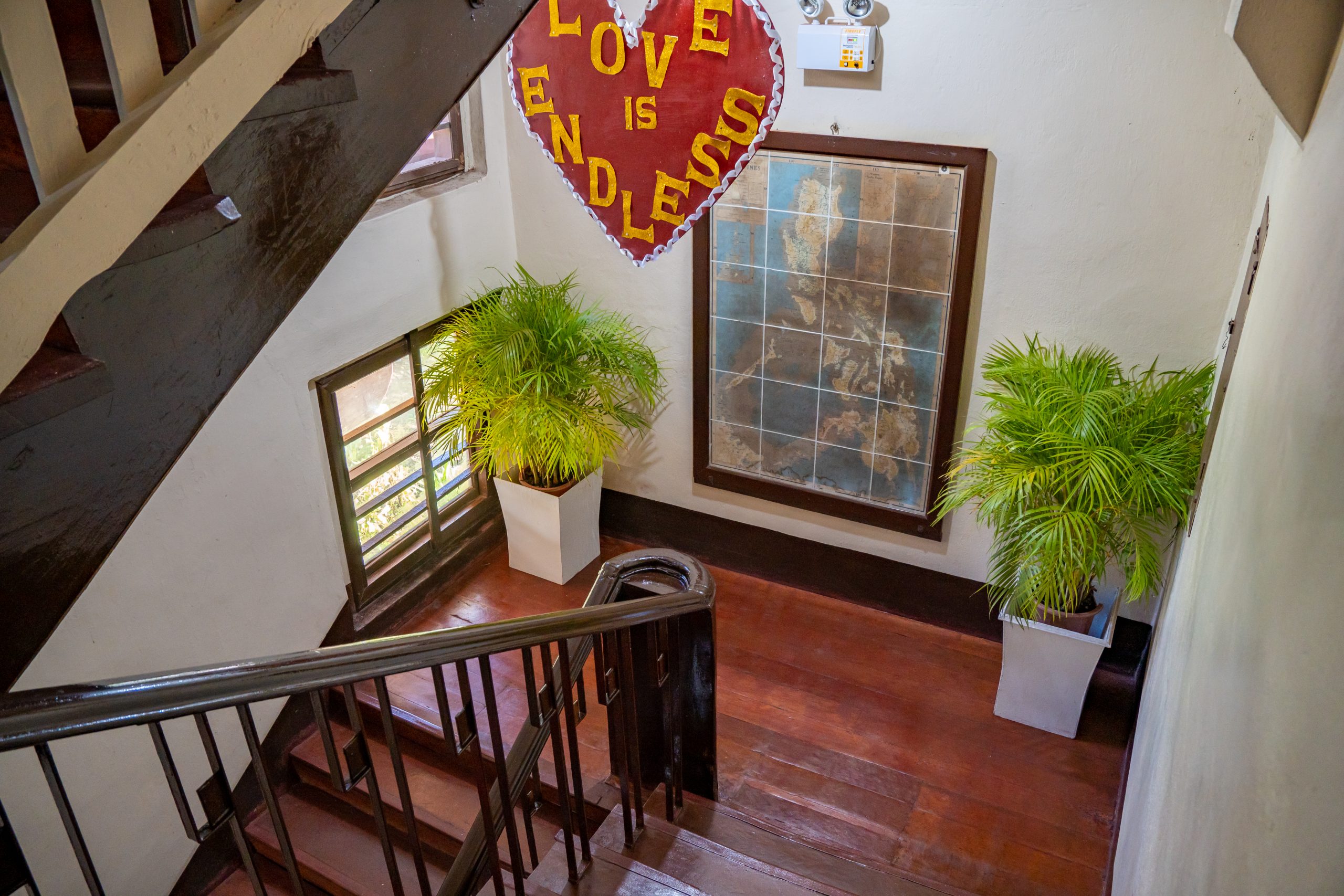
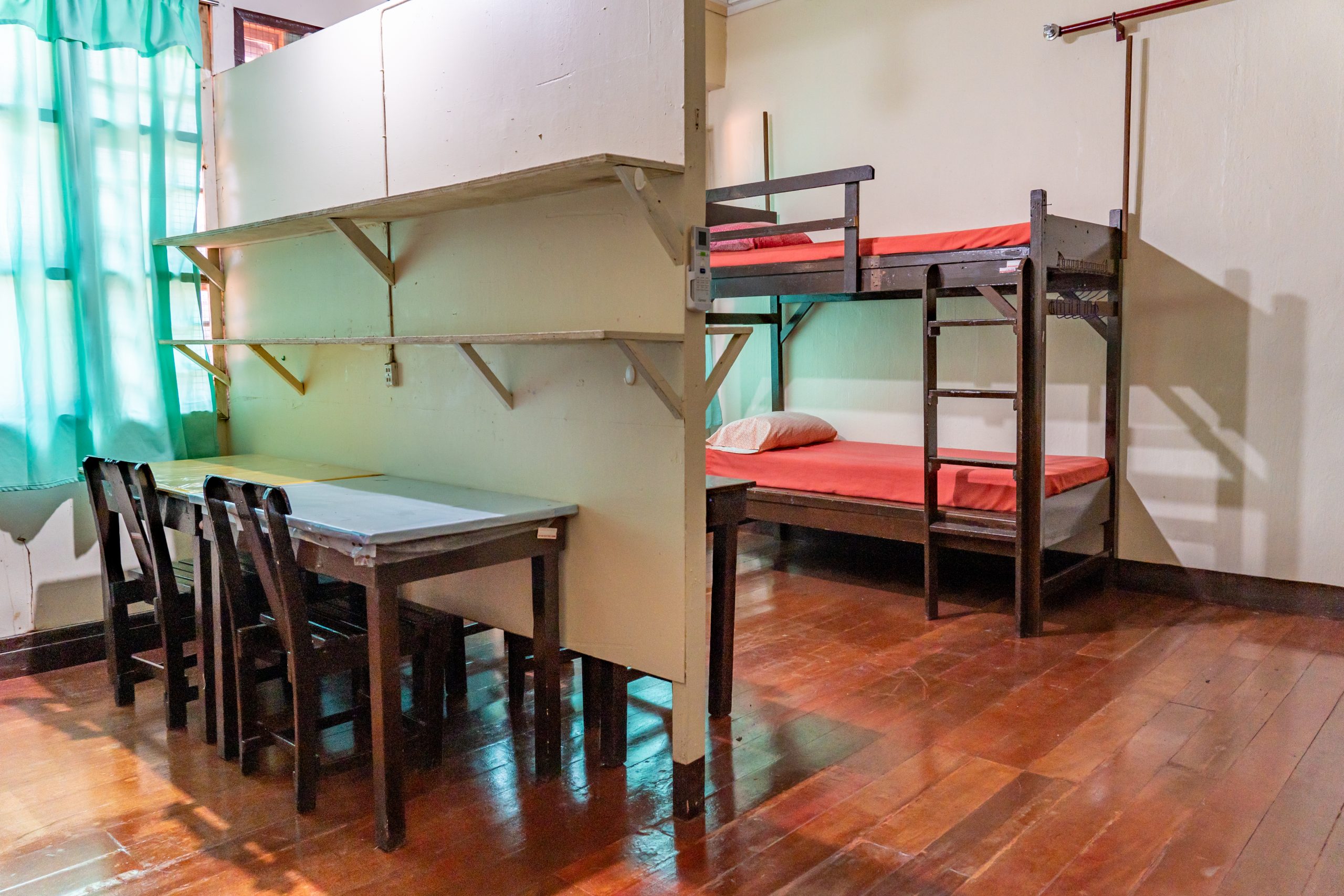
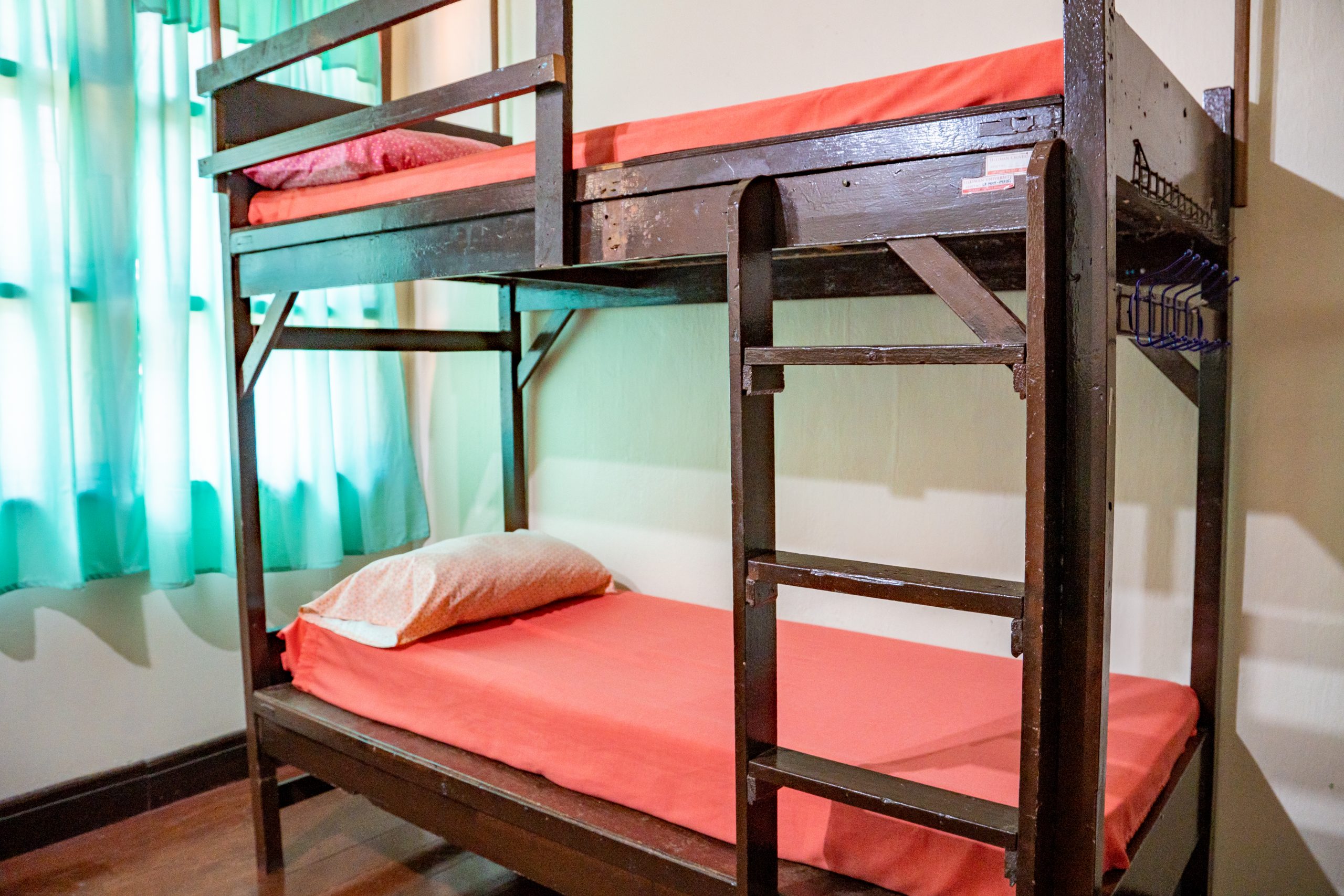
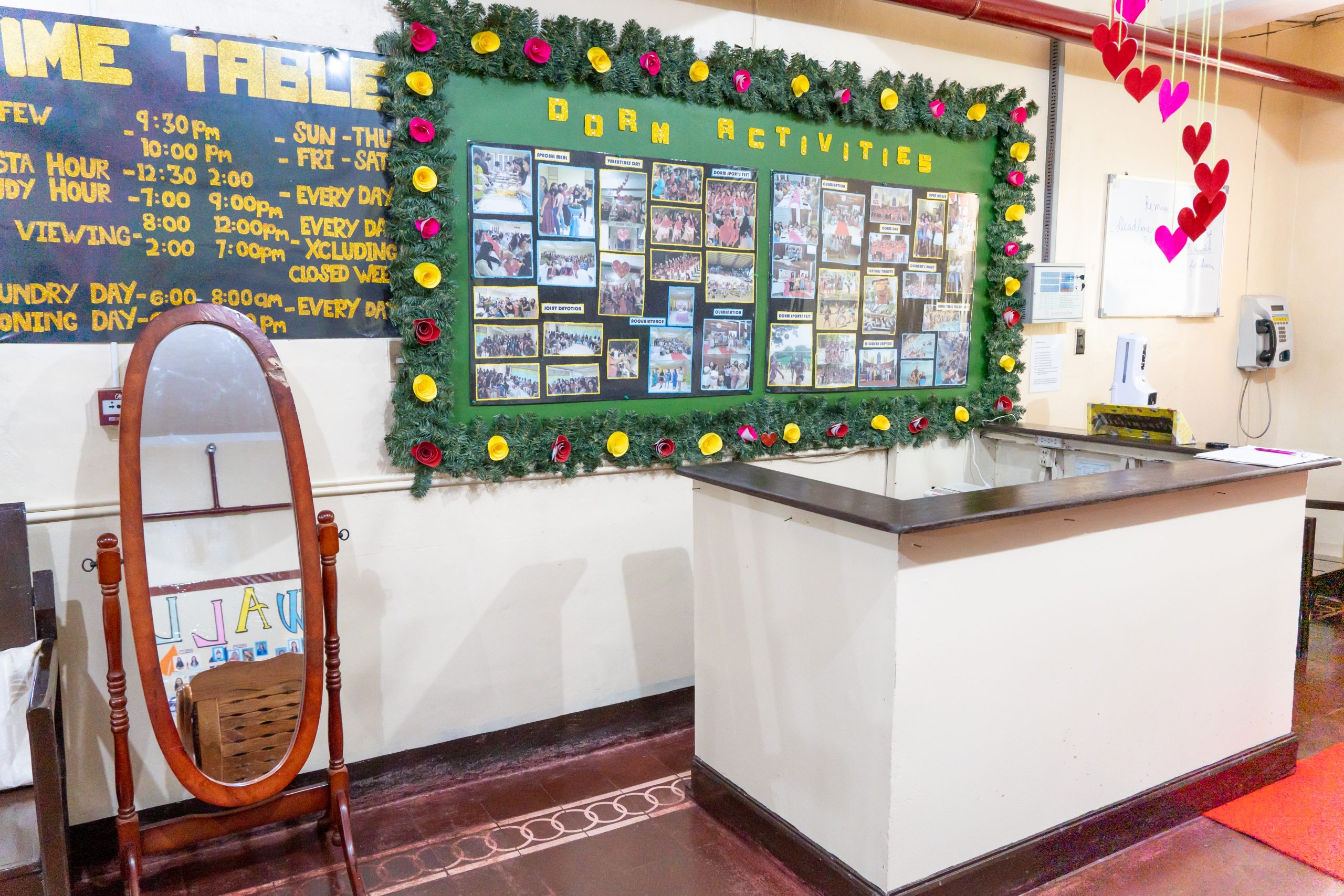

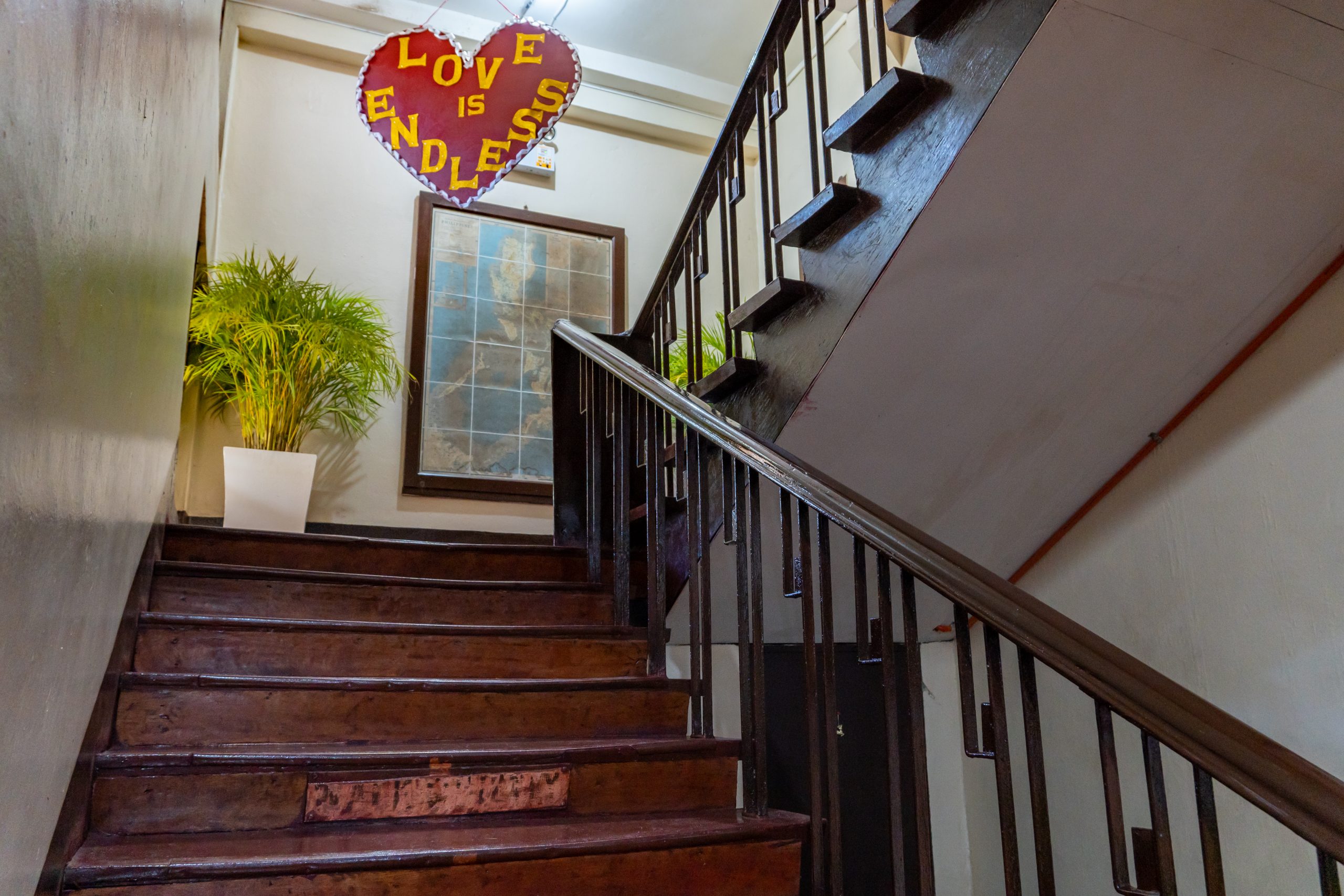
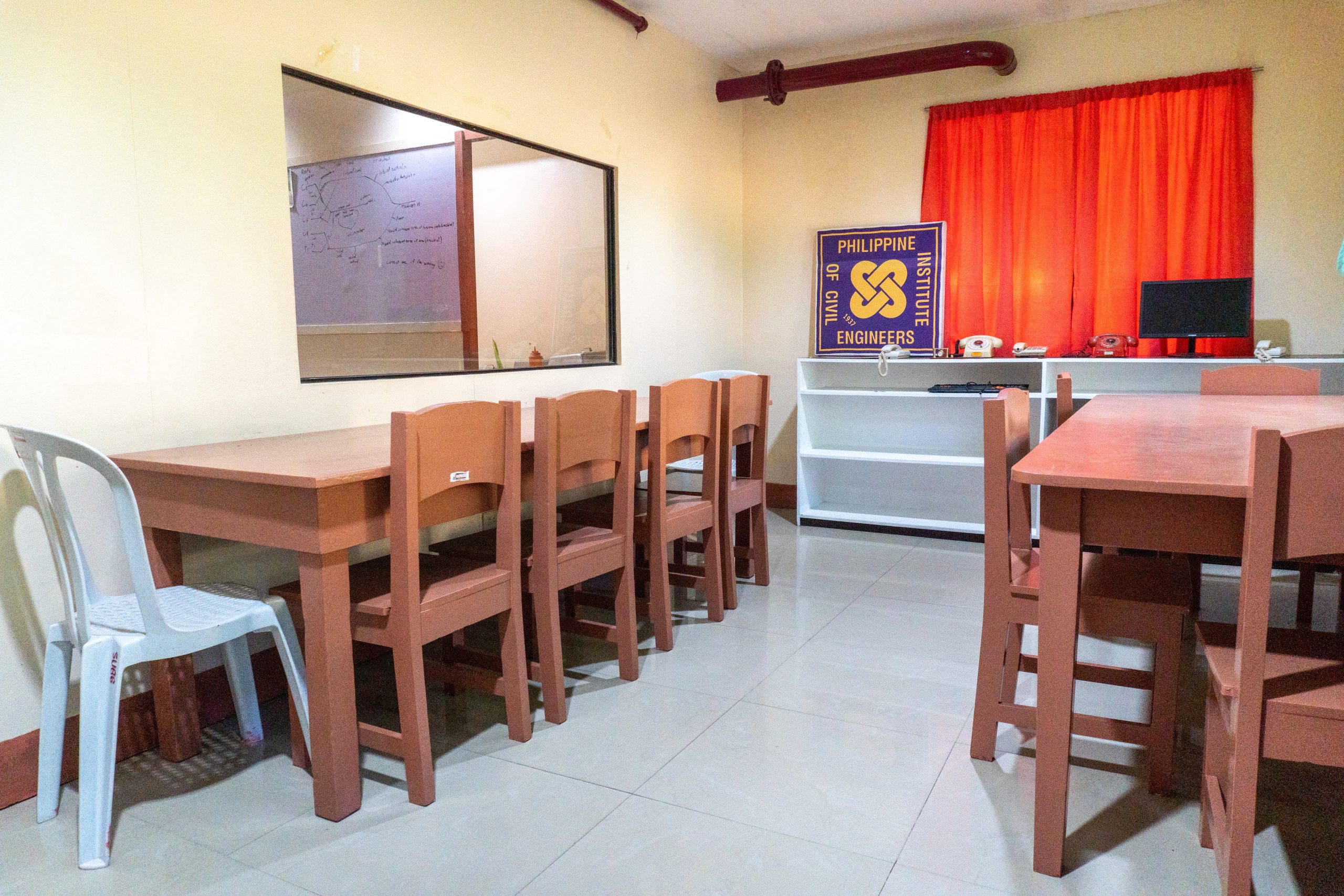
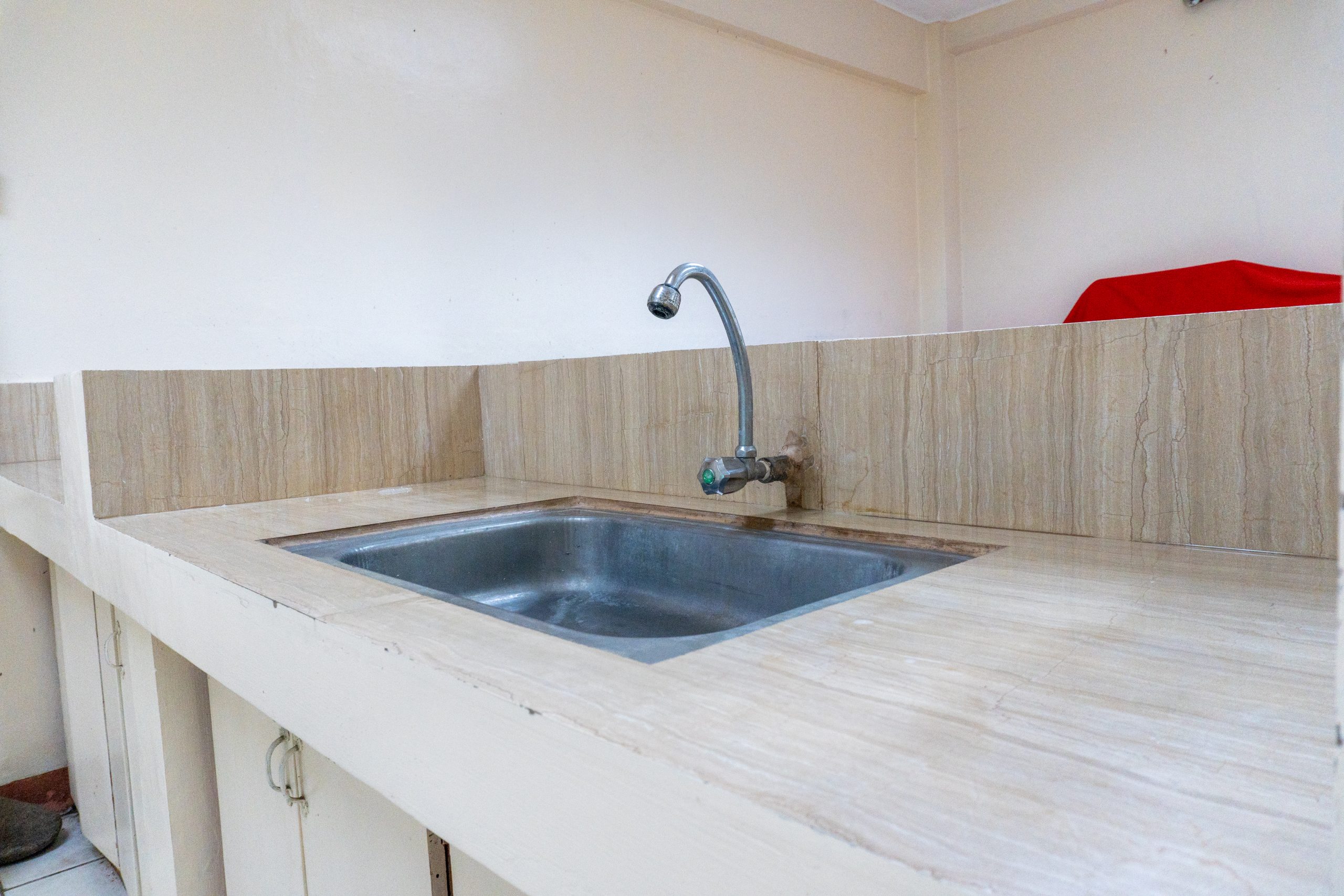
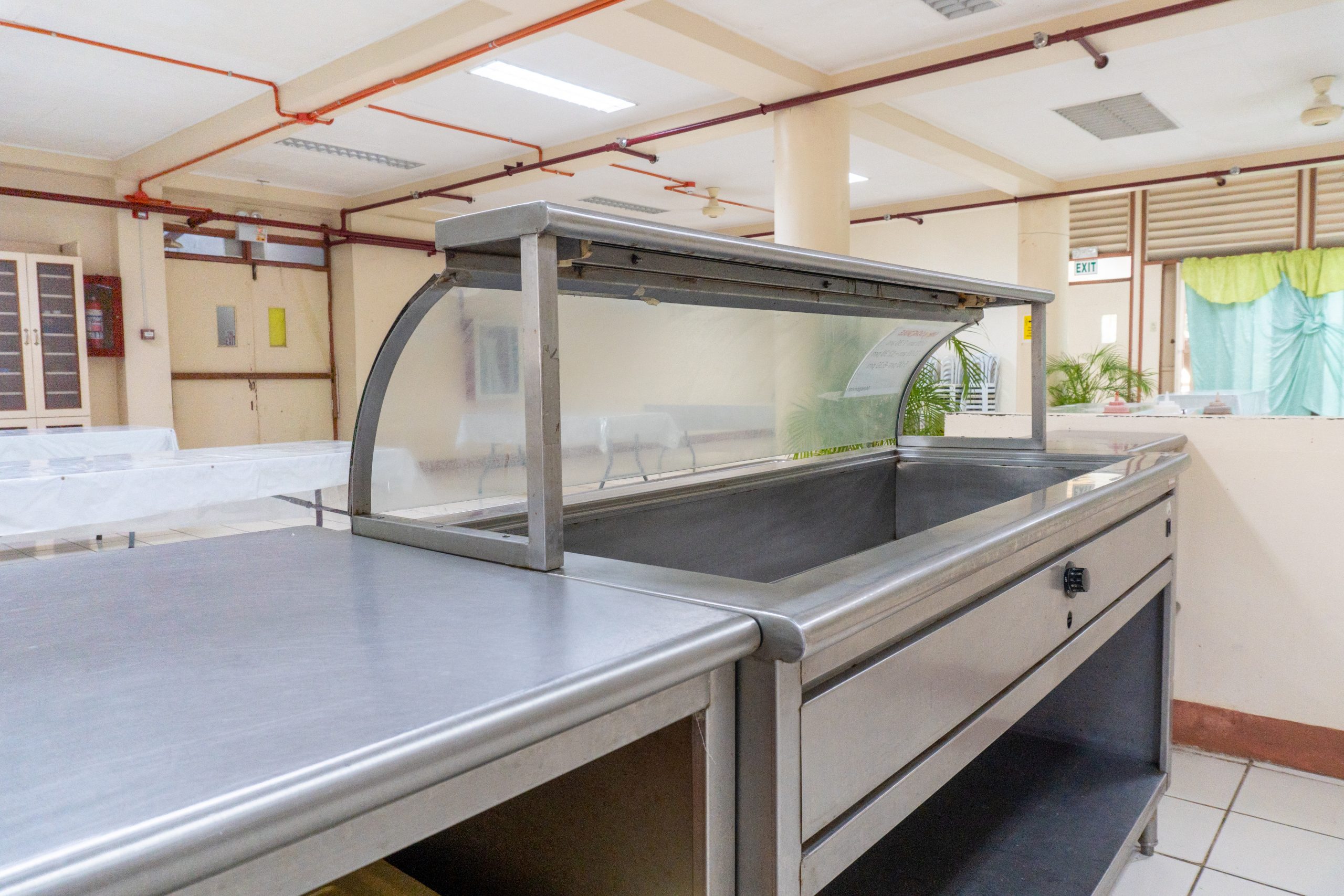
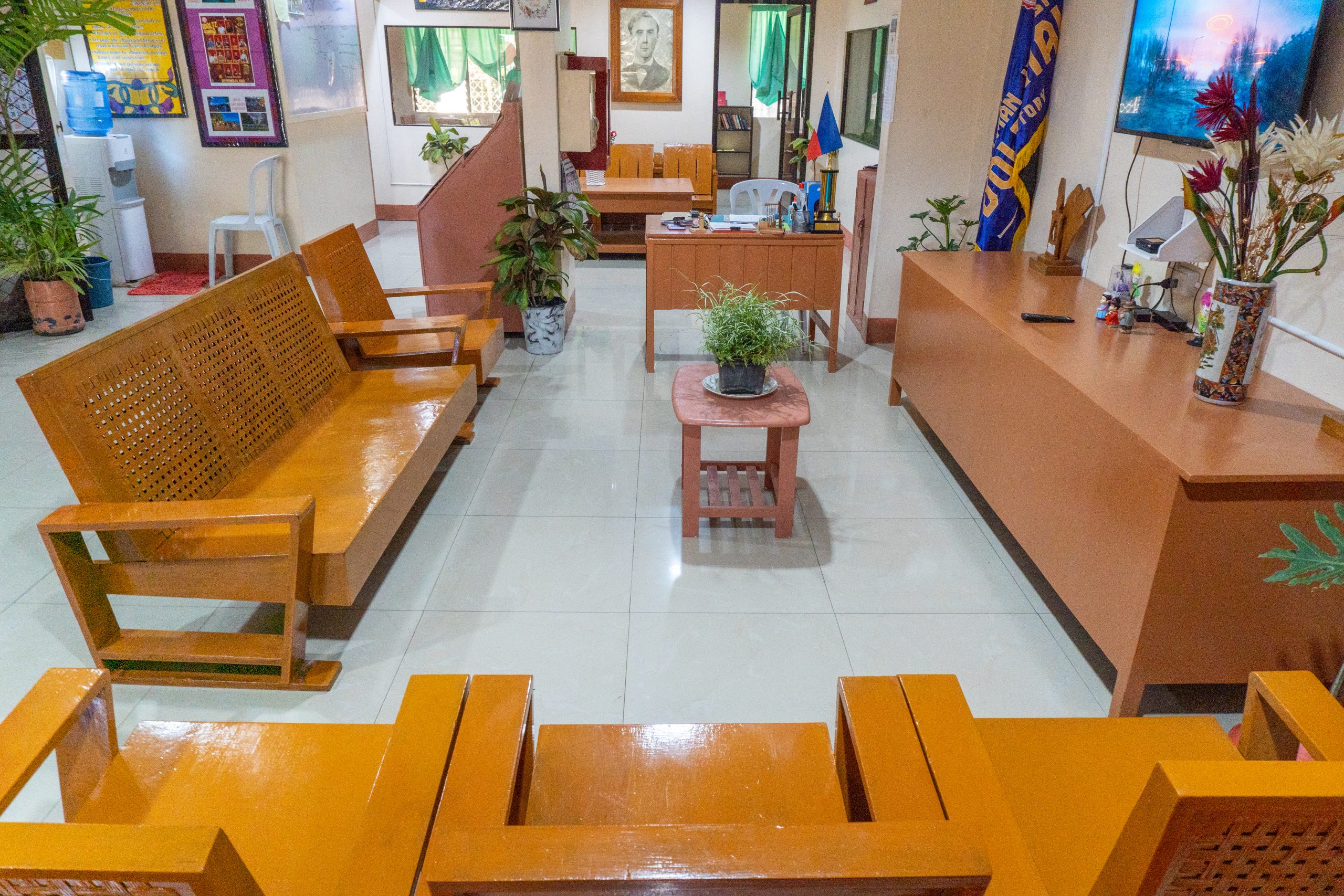
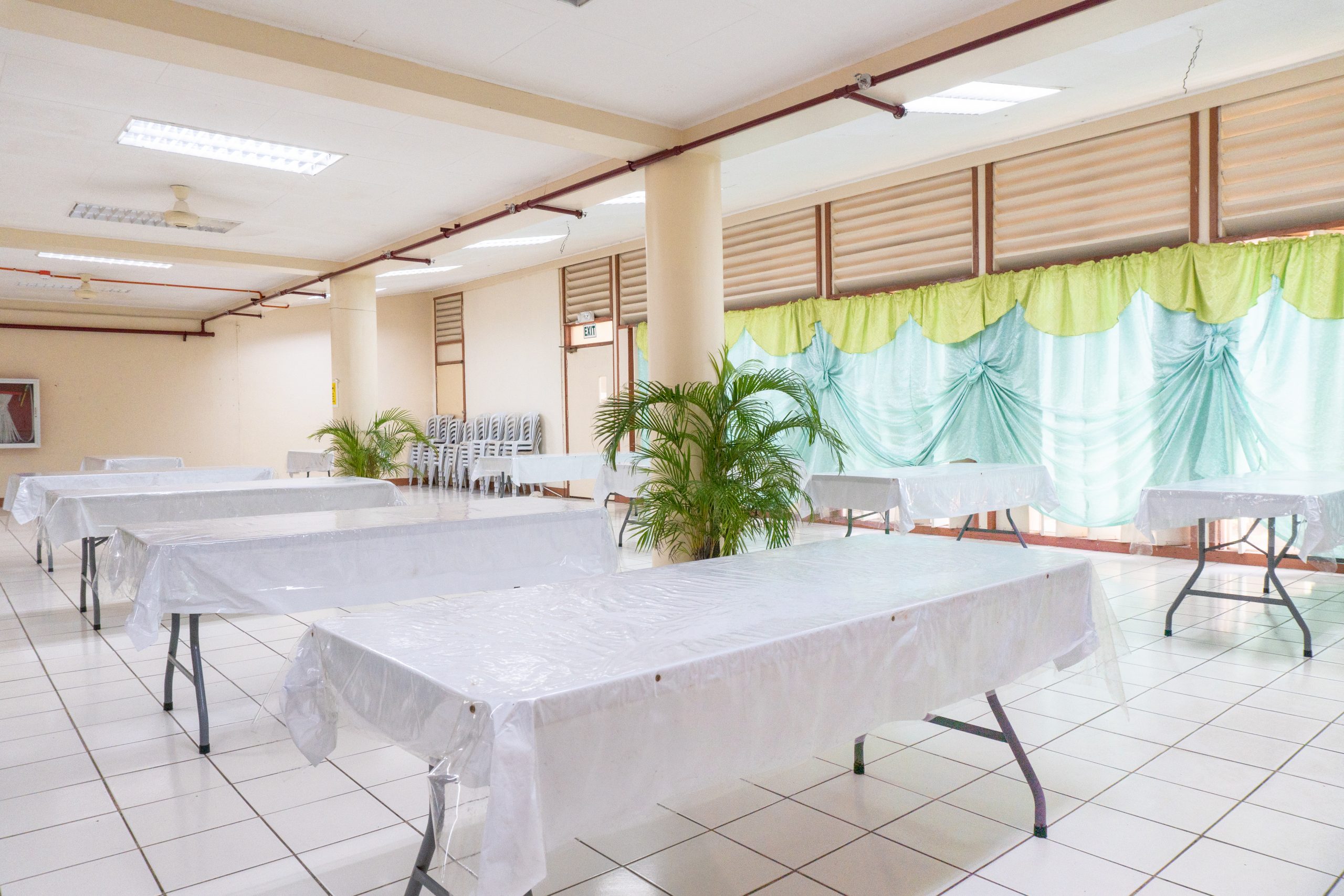
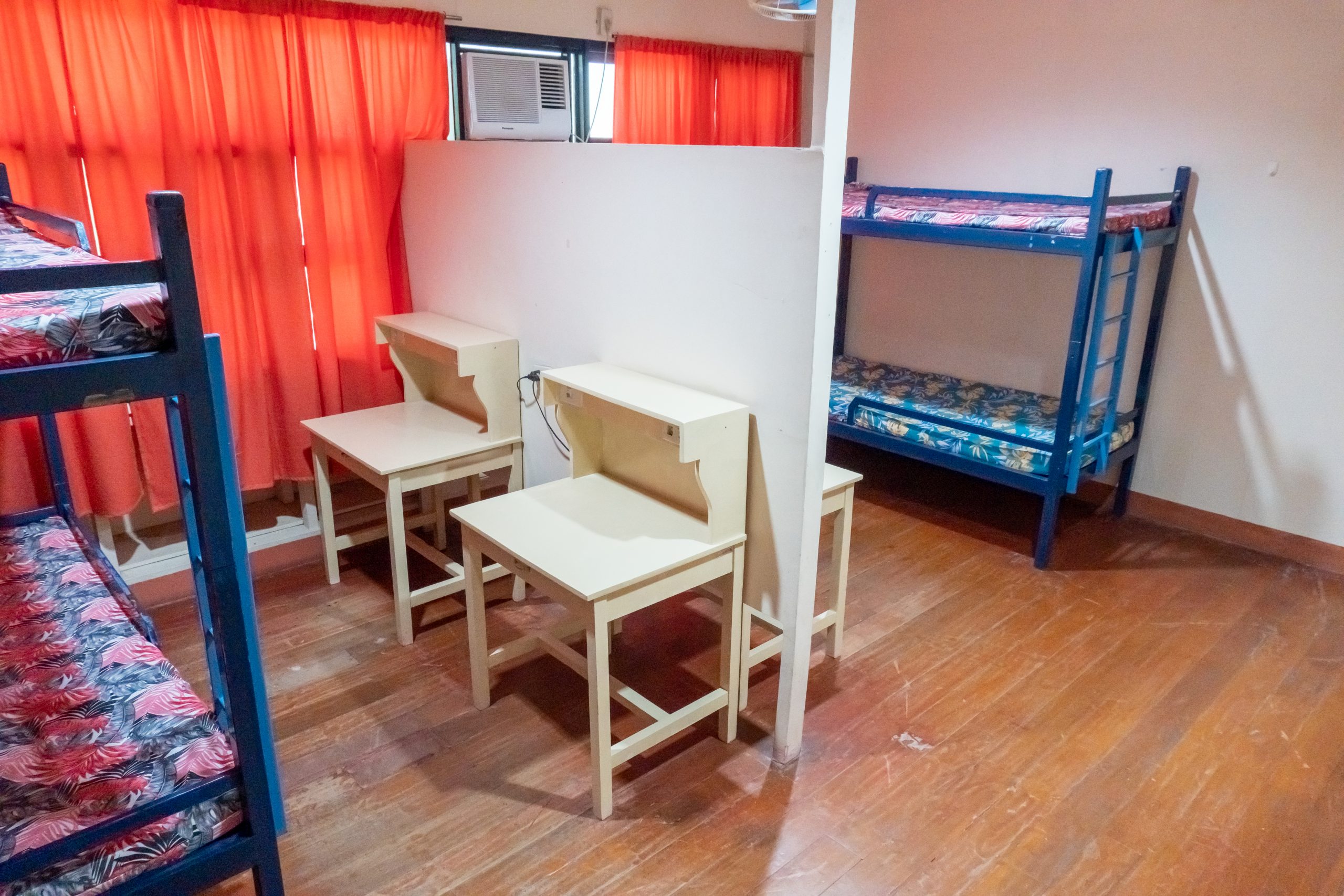
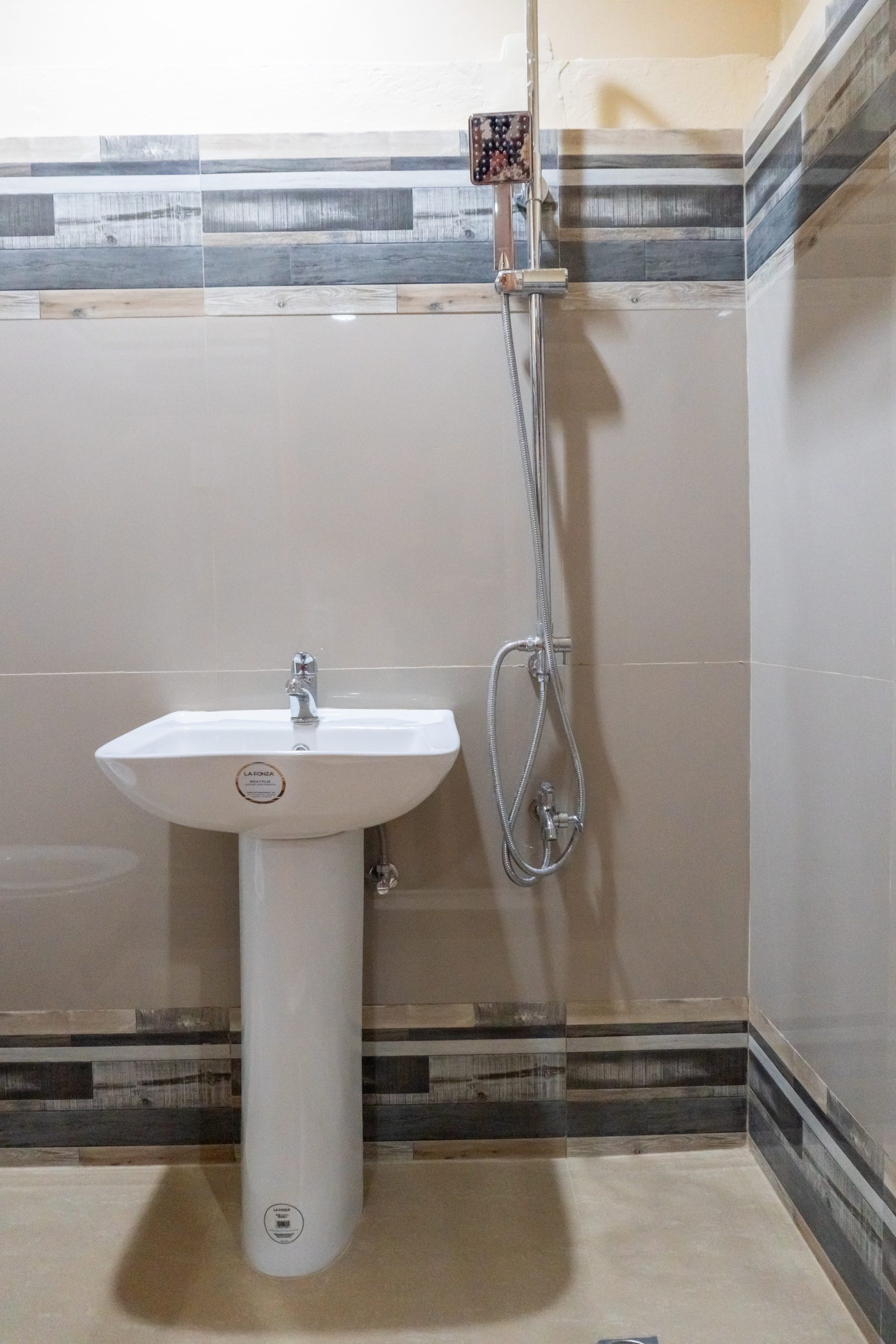
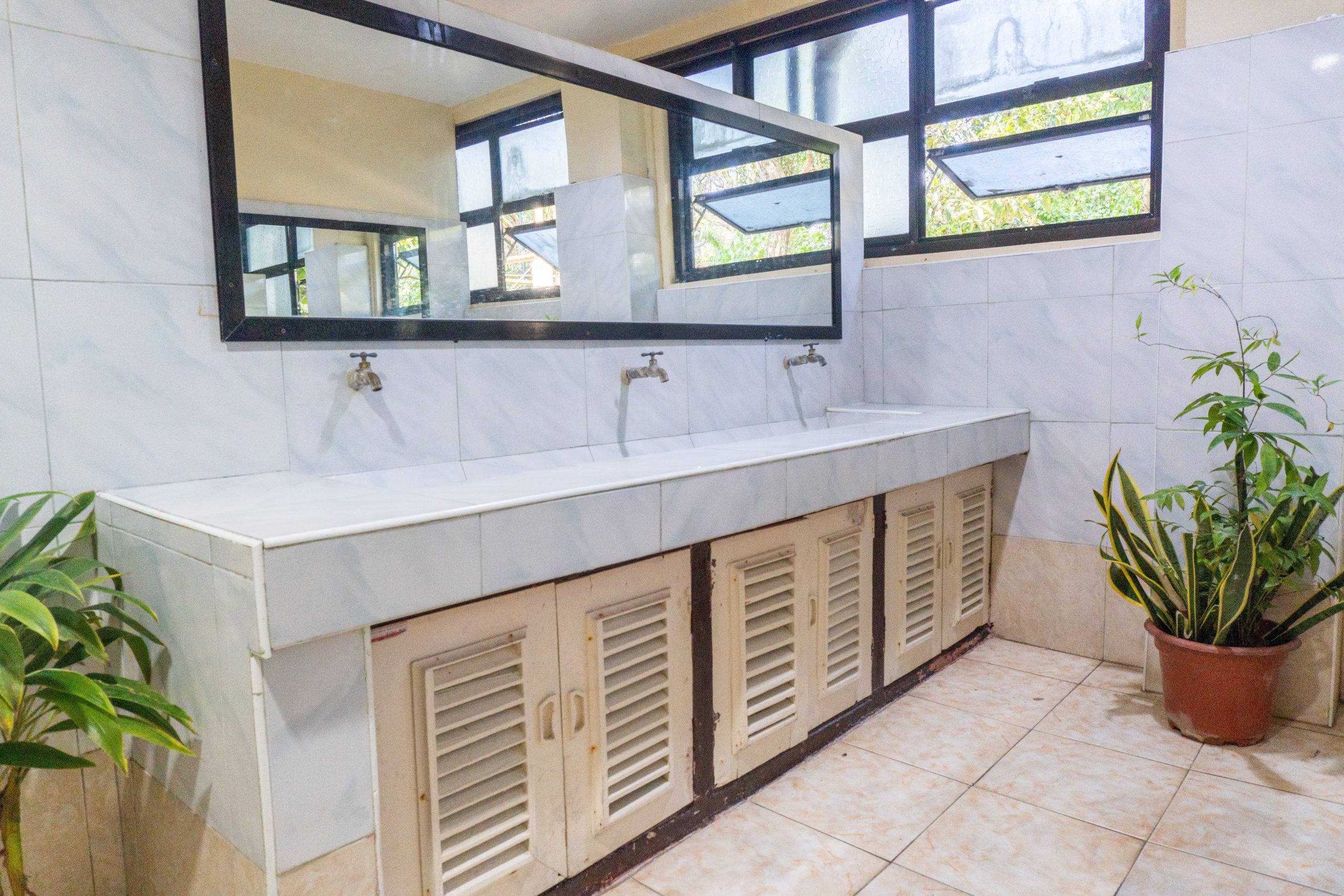
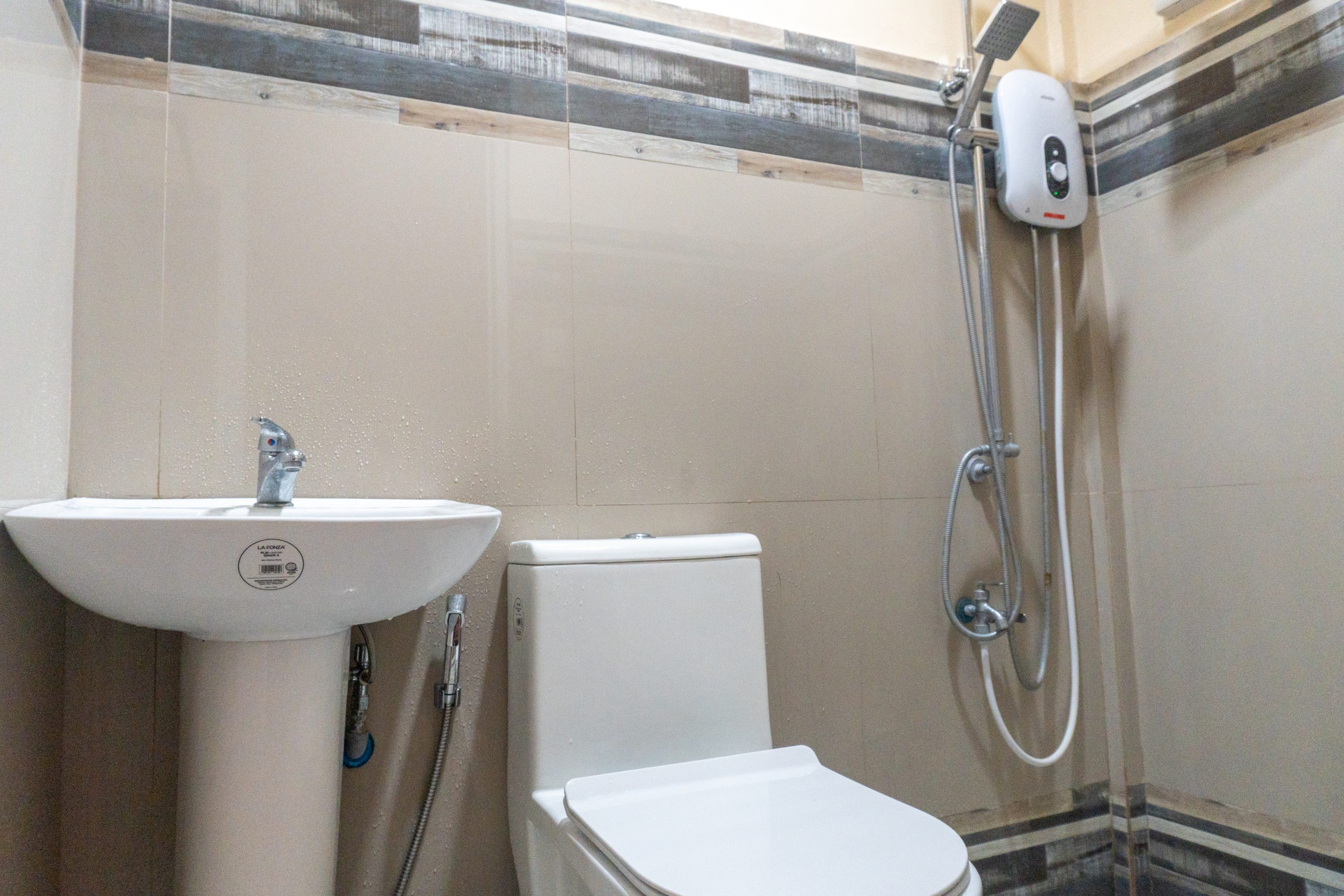
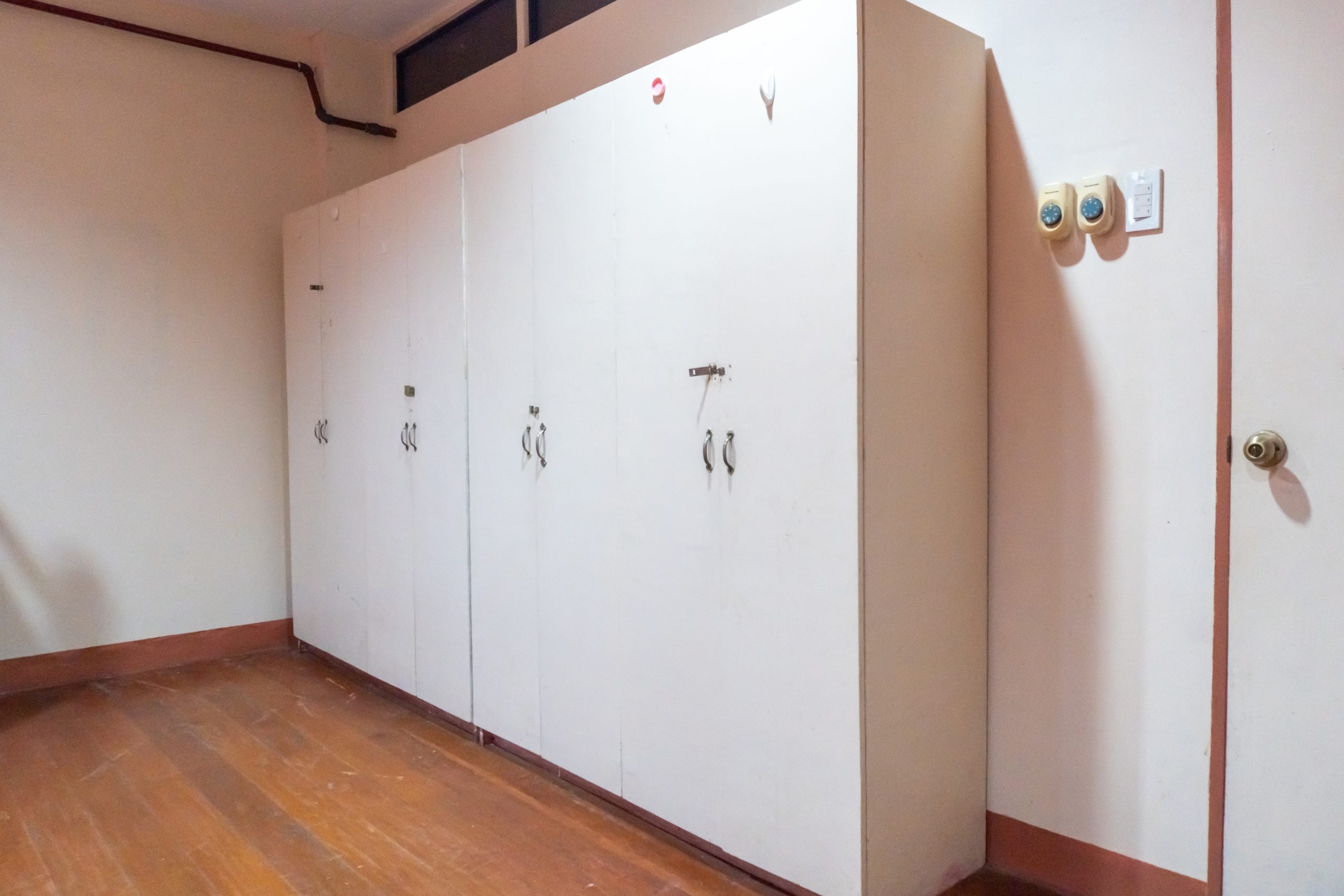
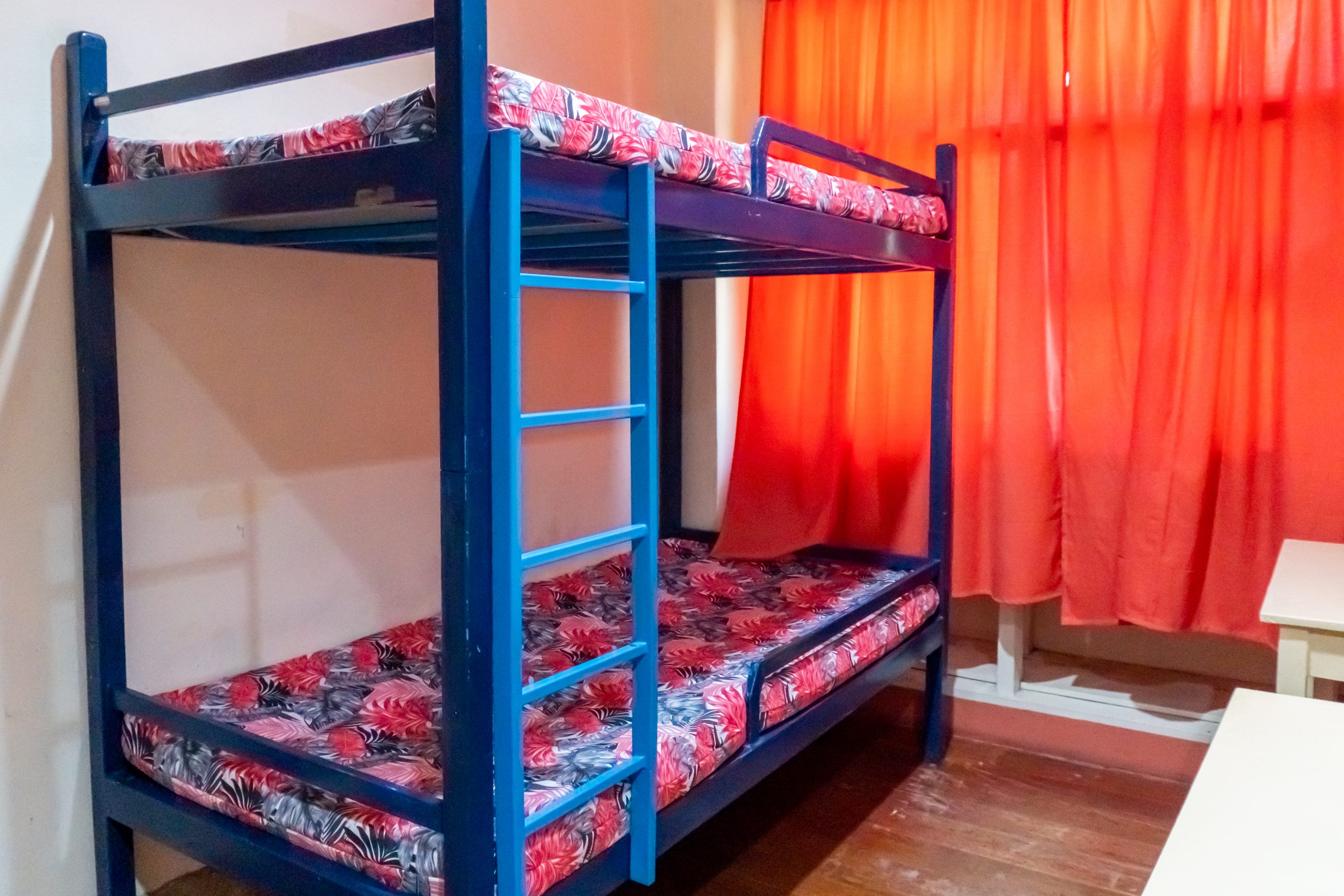
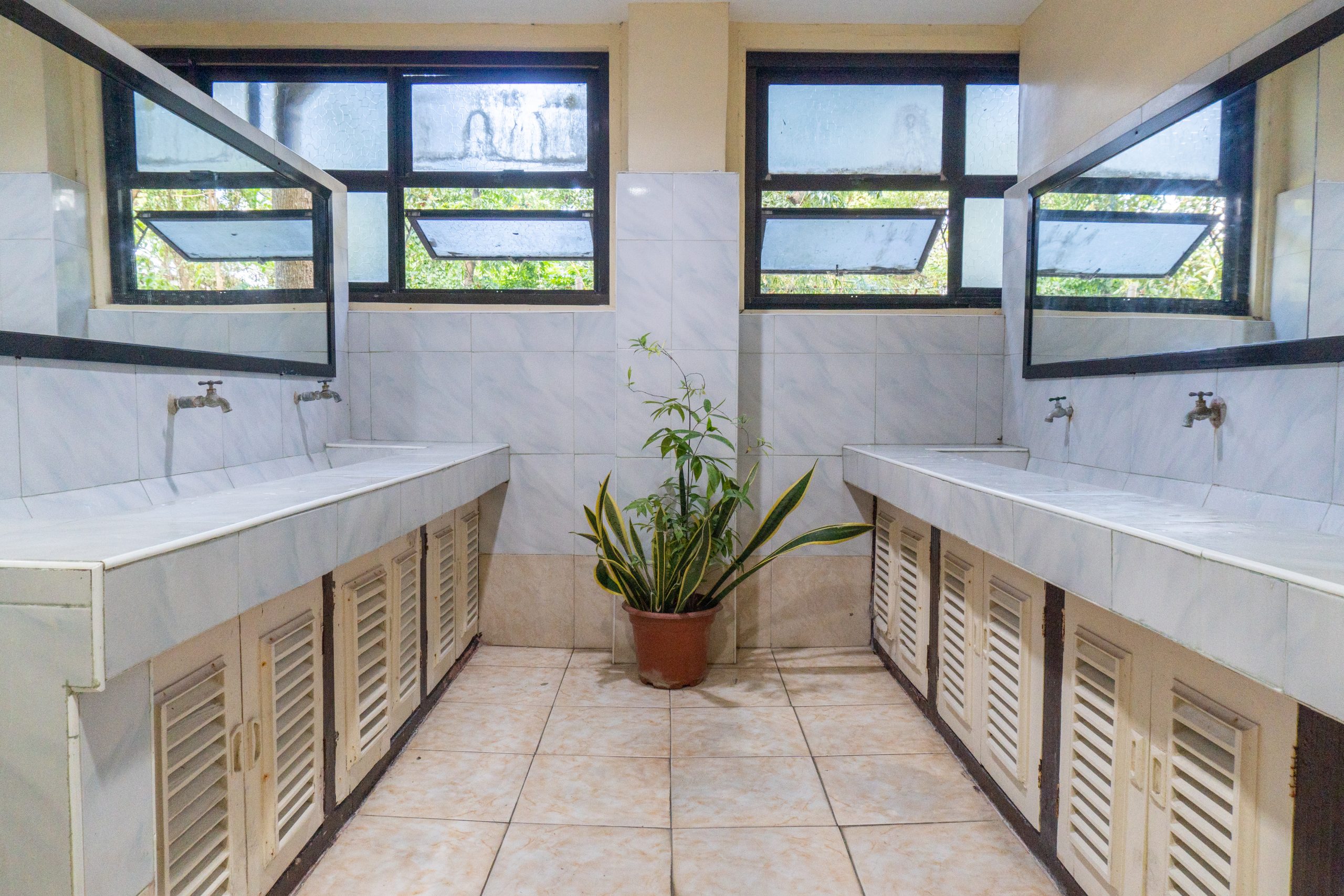
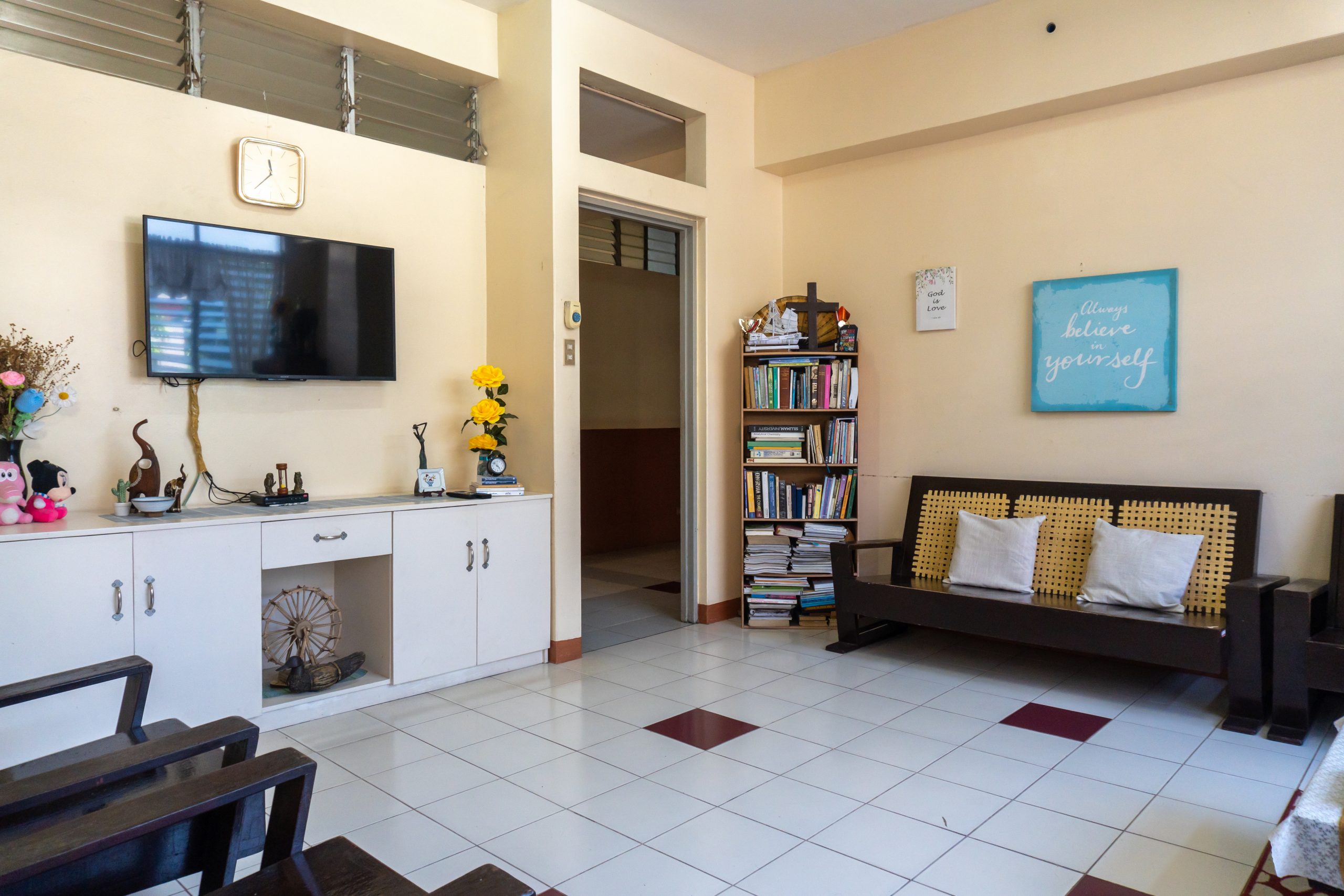
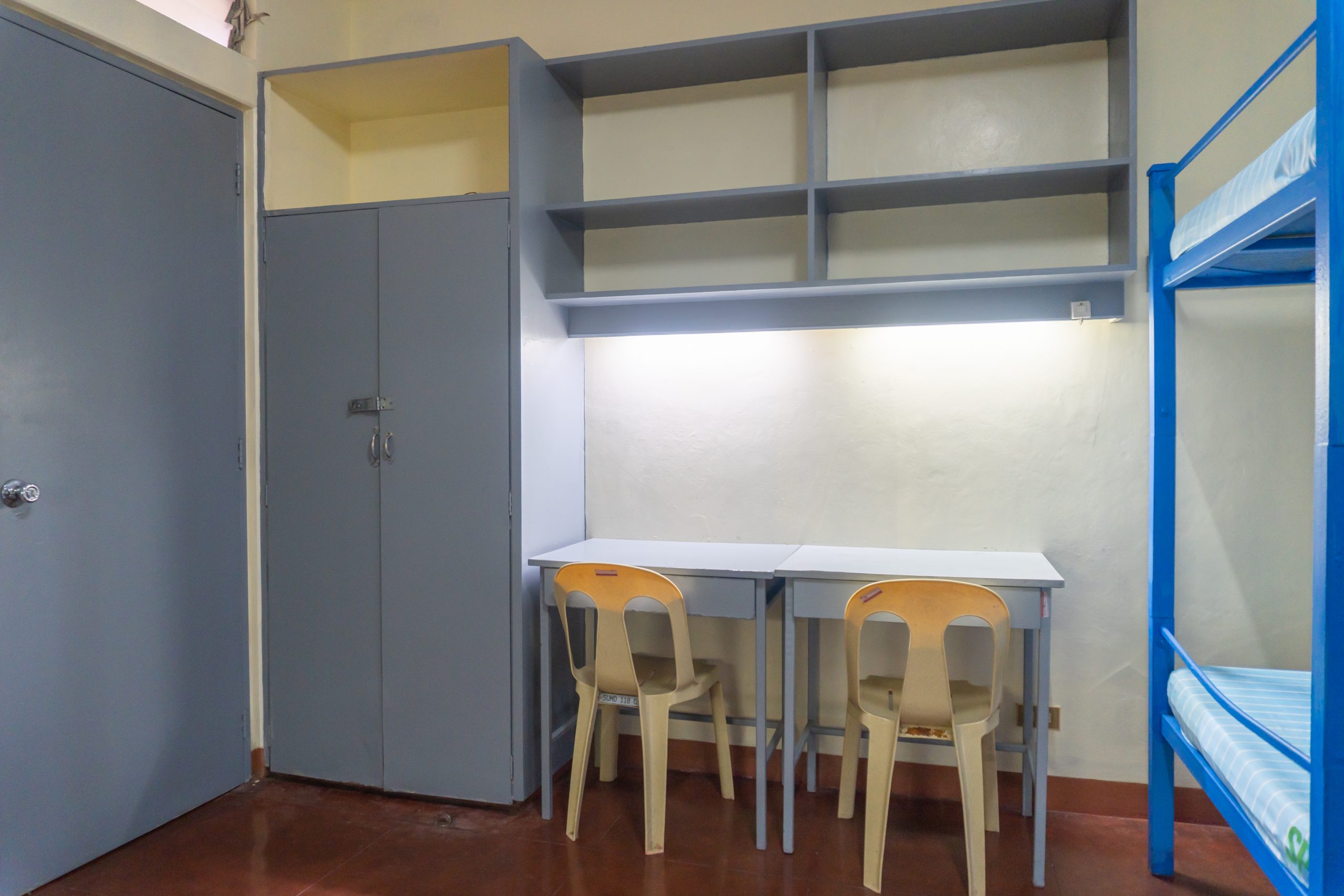
COED Dormitories
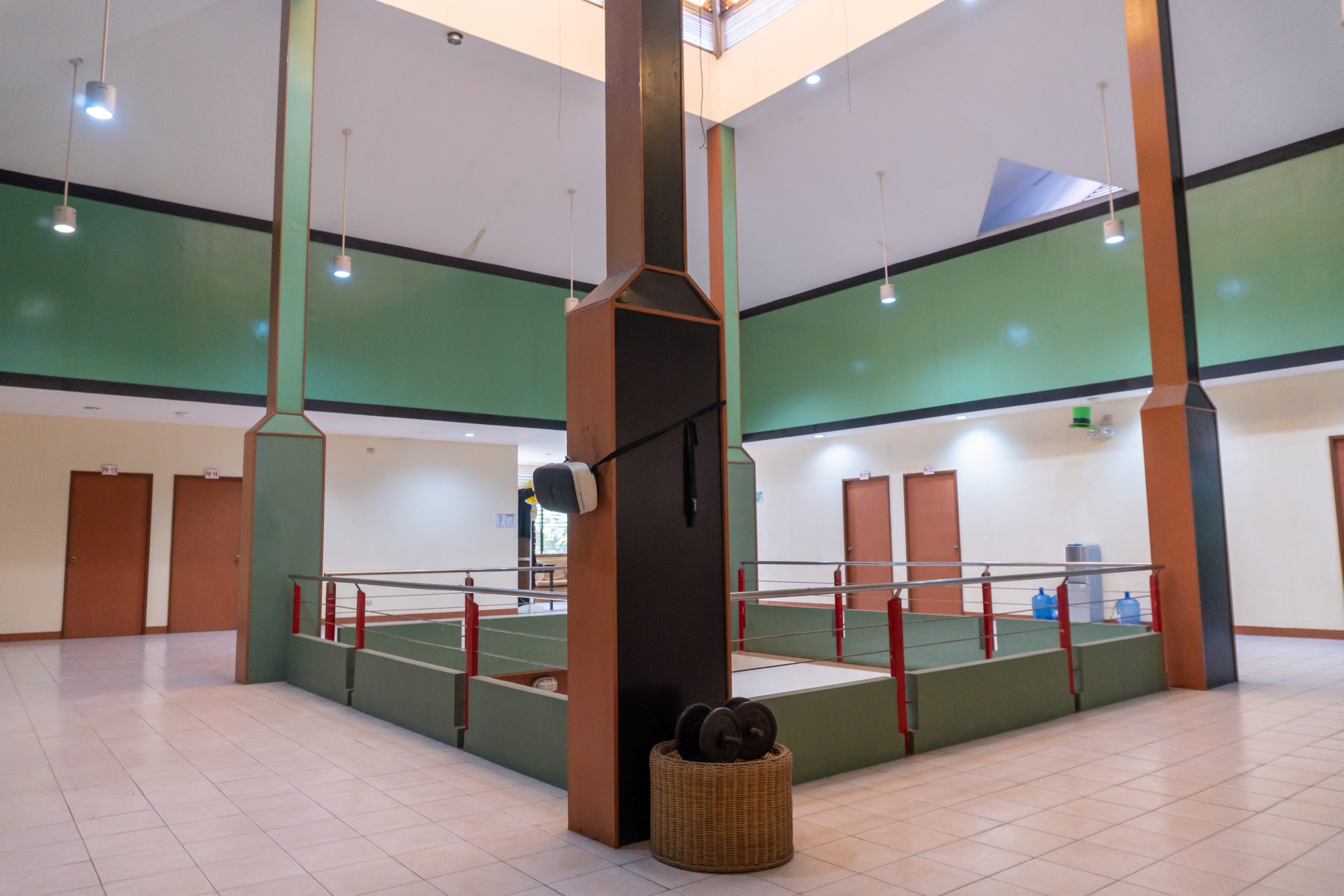
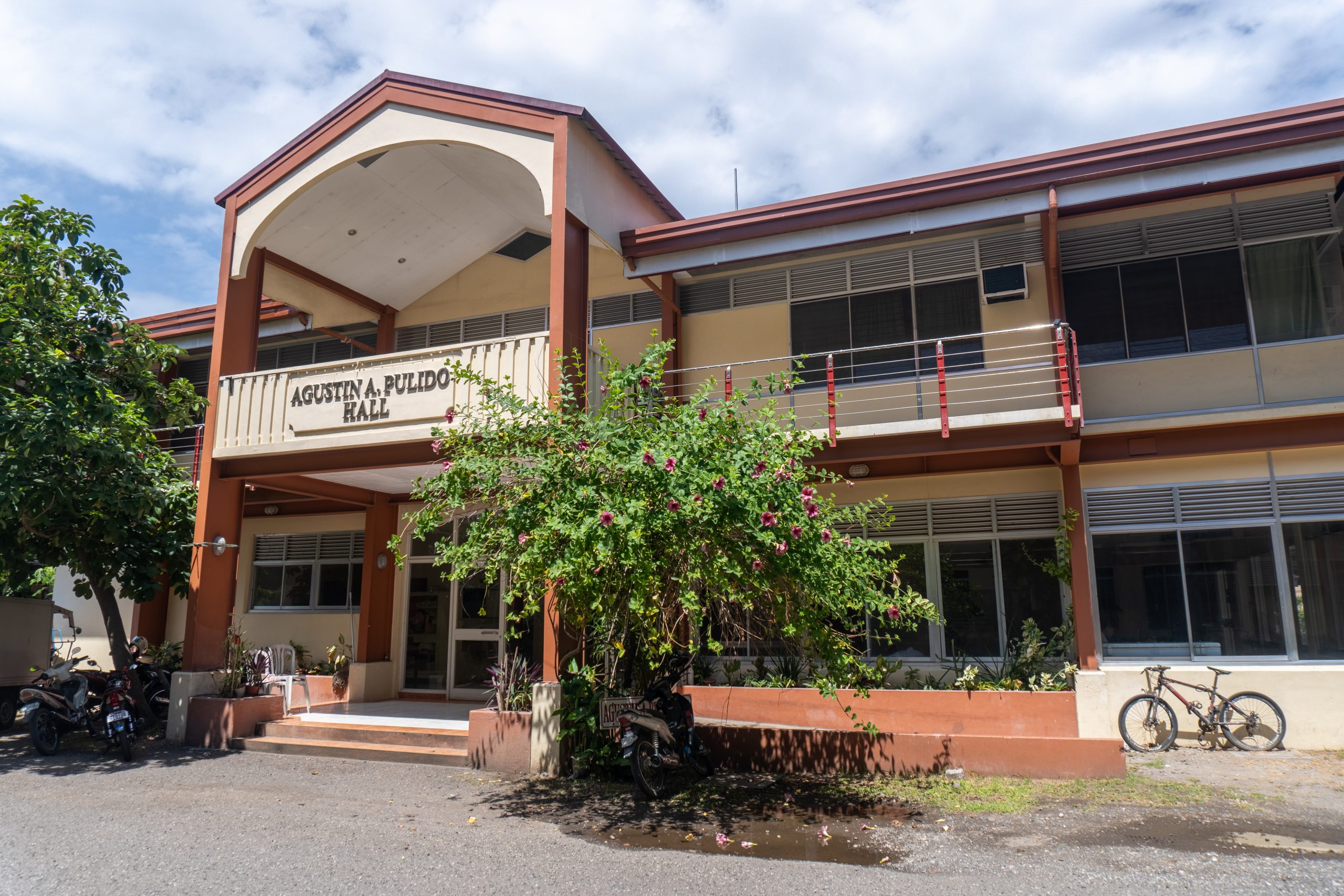
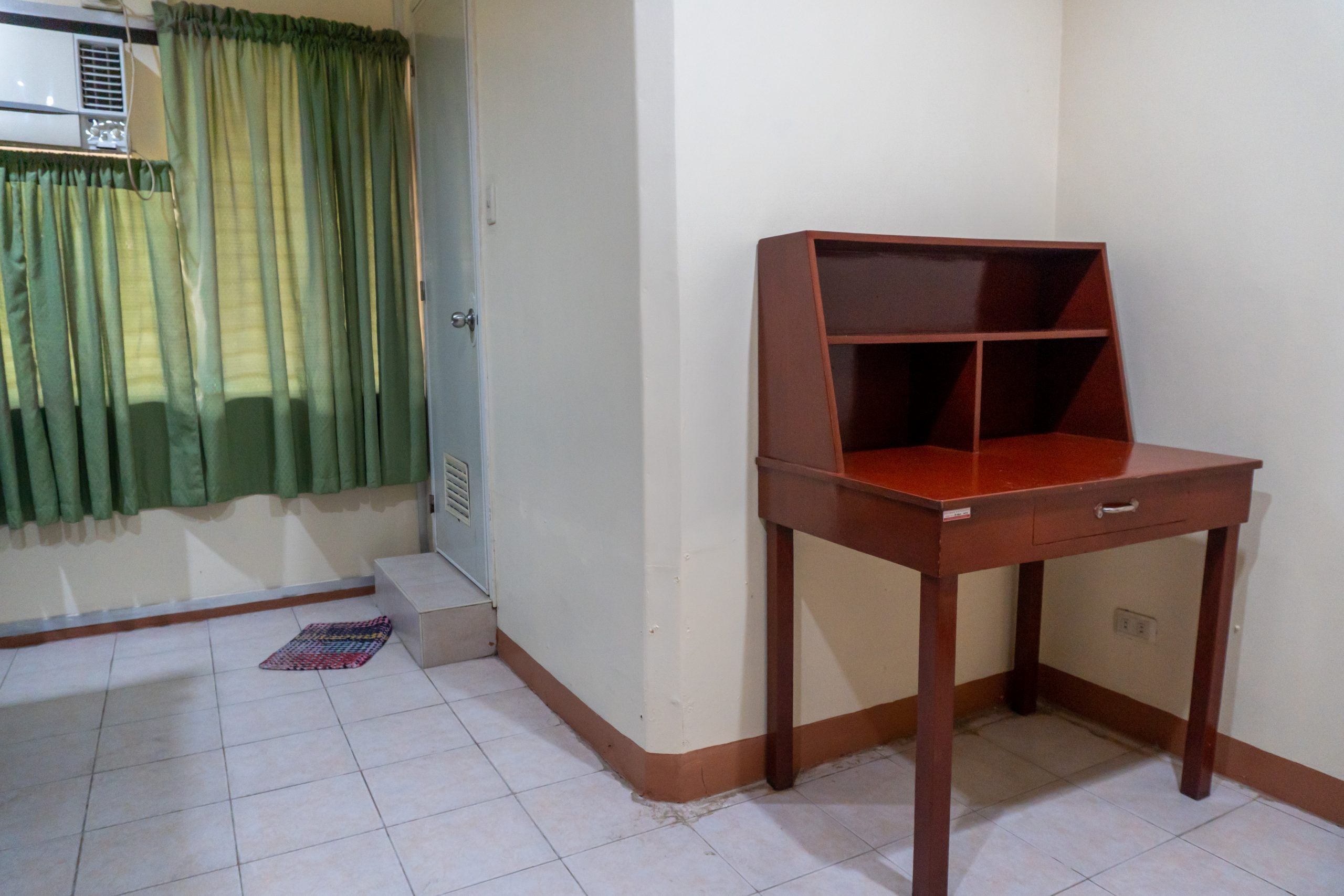
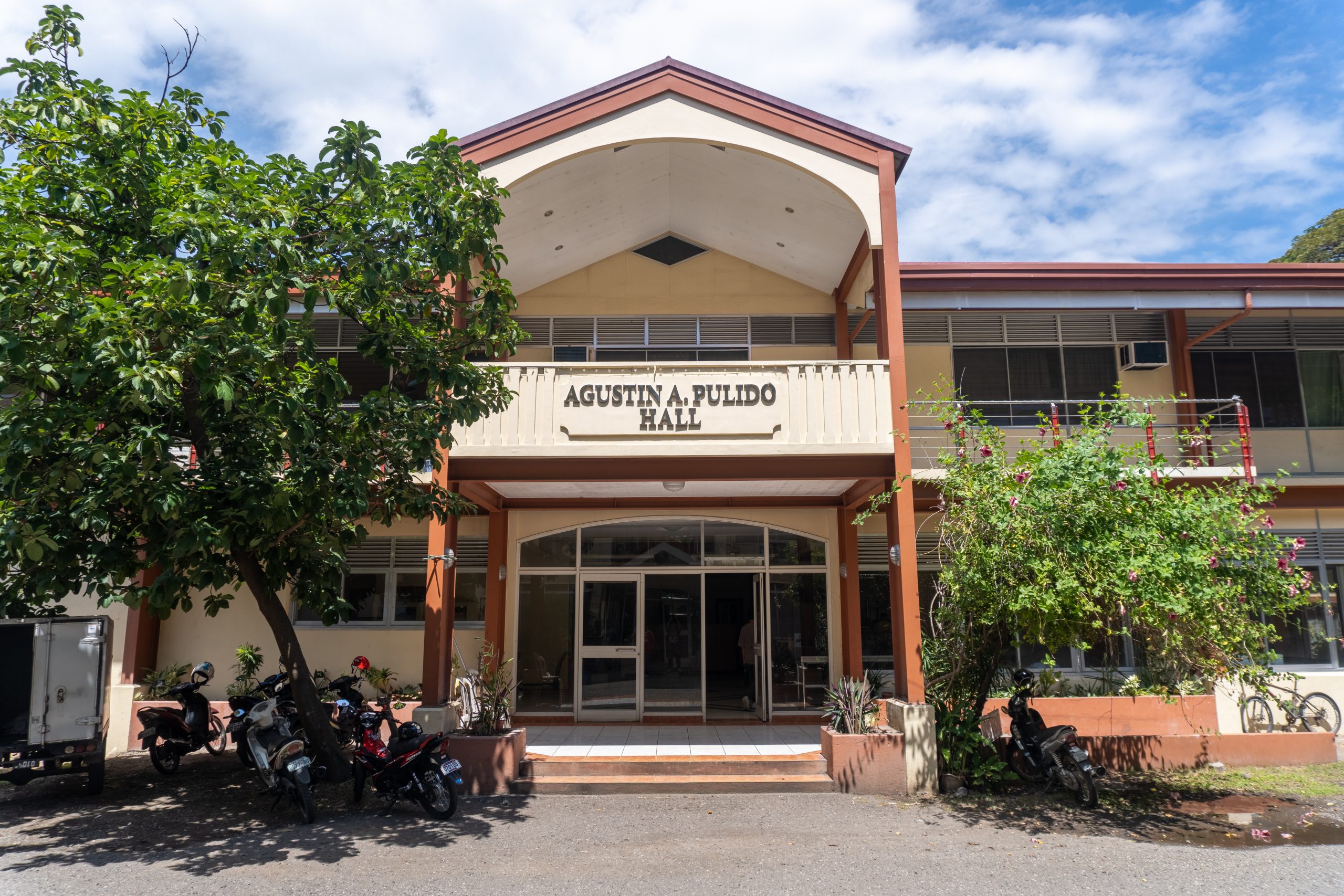
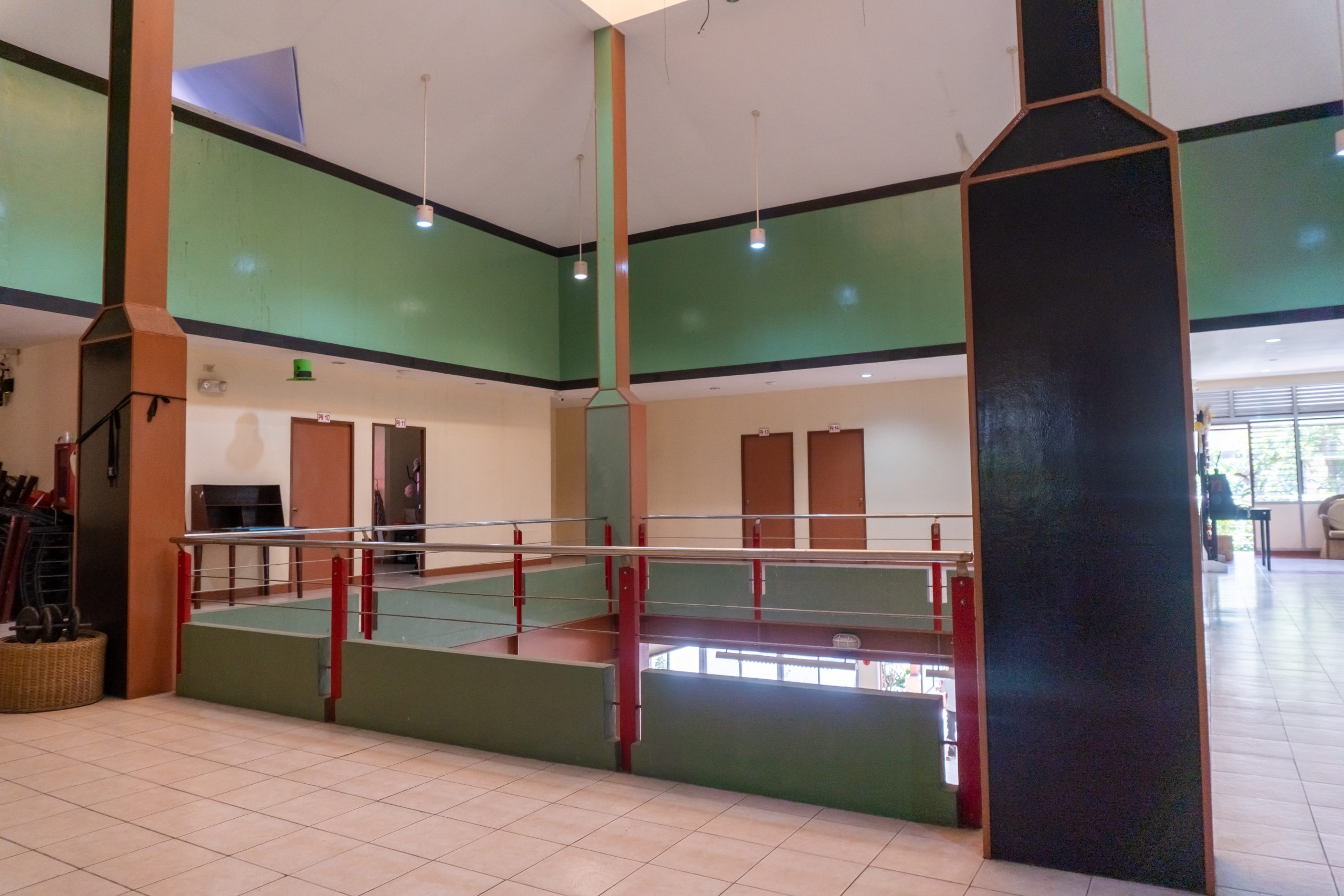
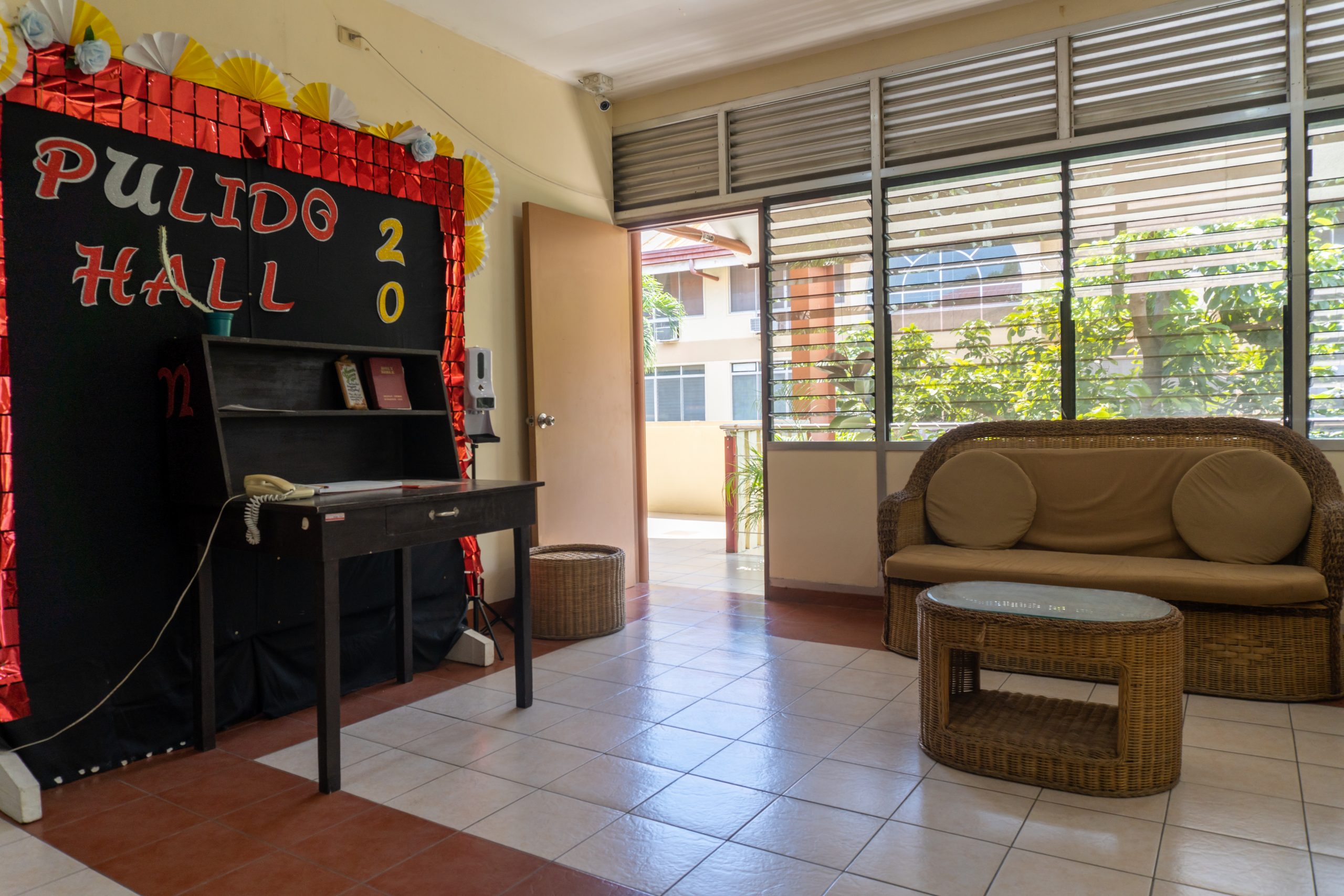
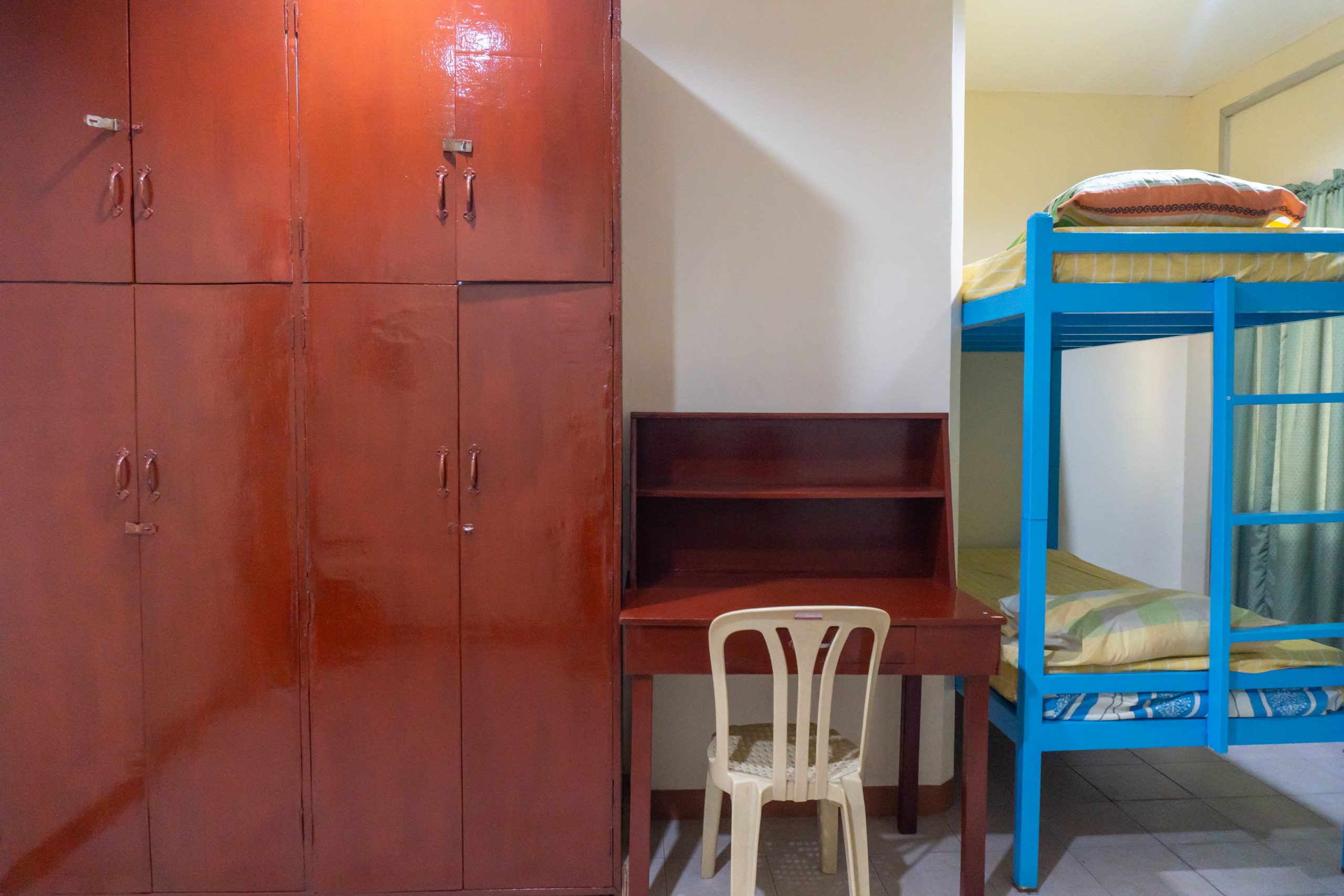
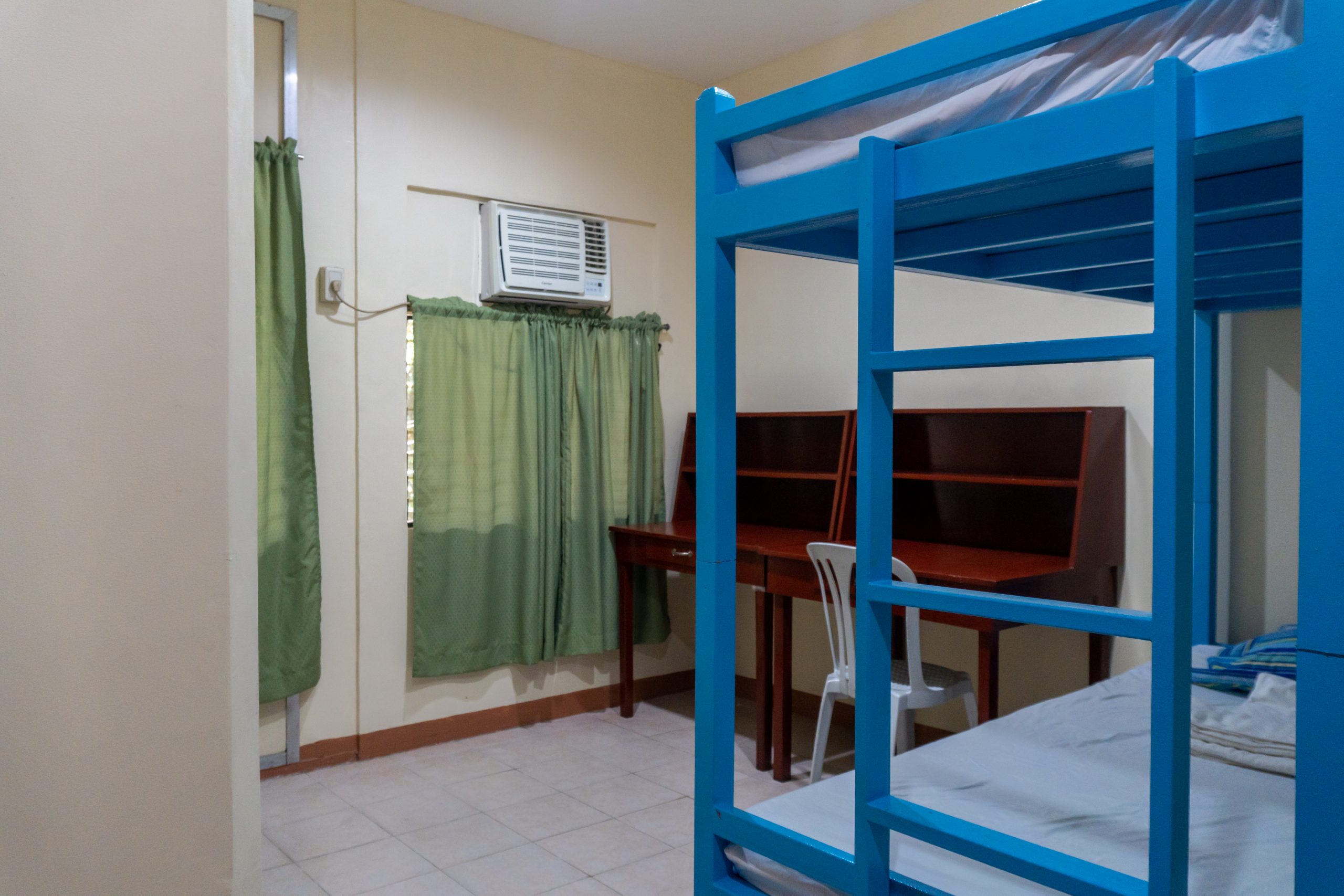
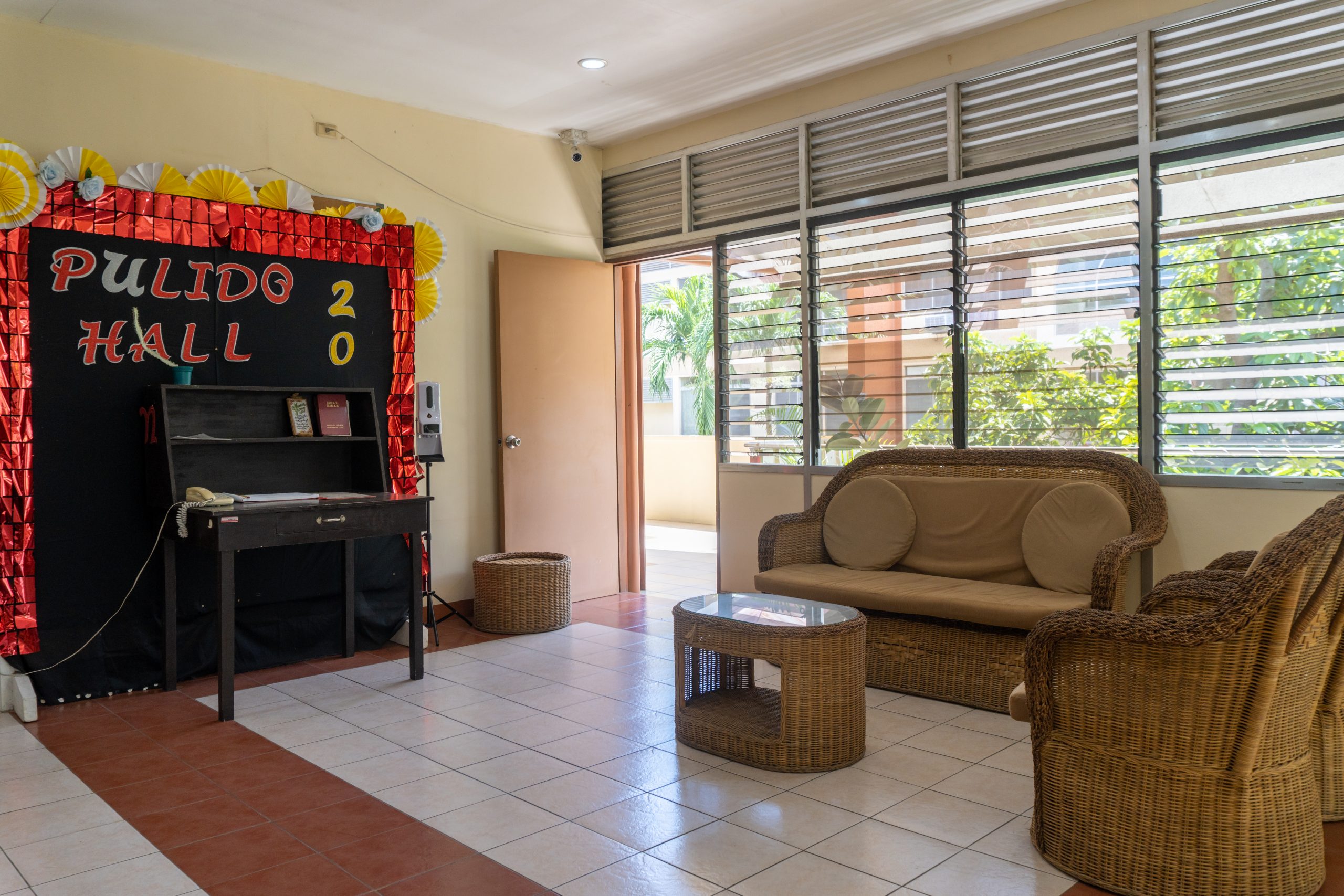
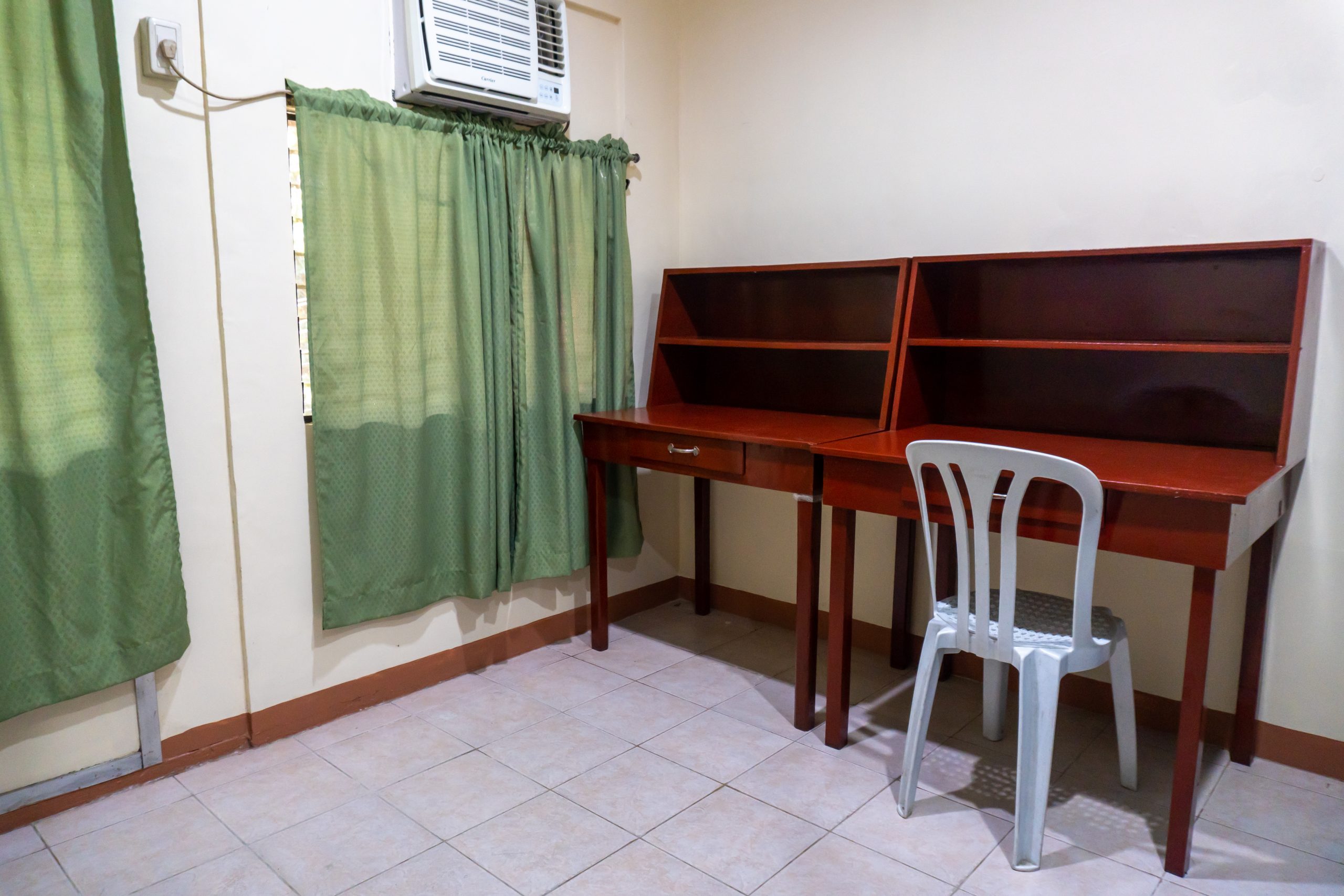
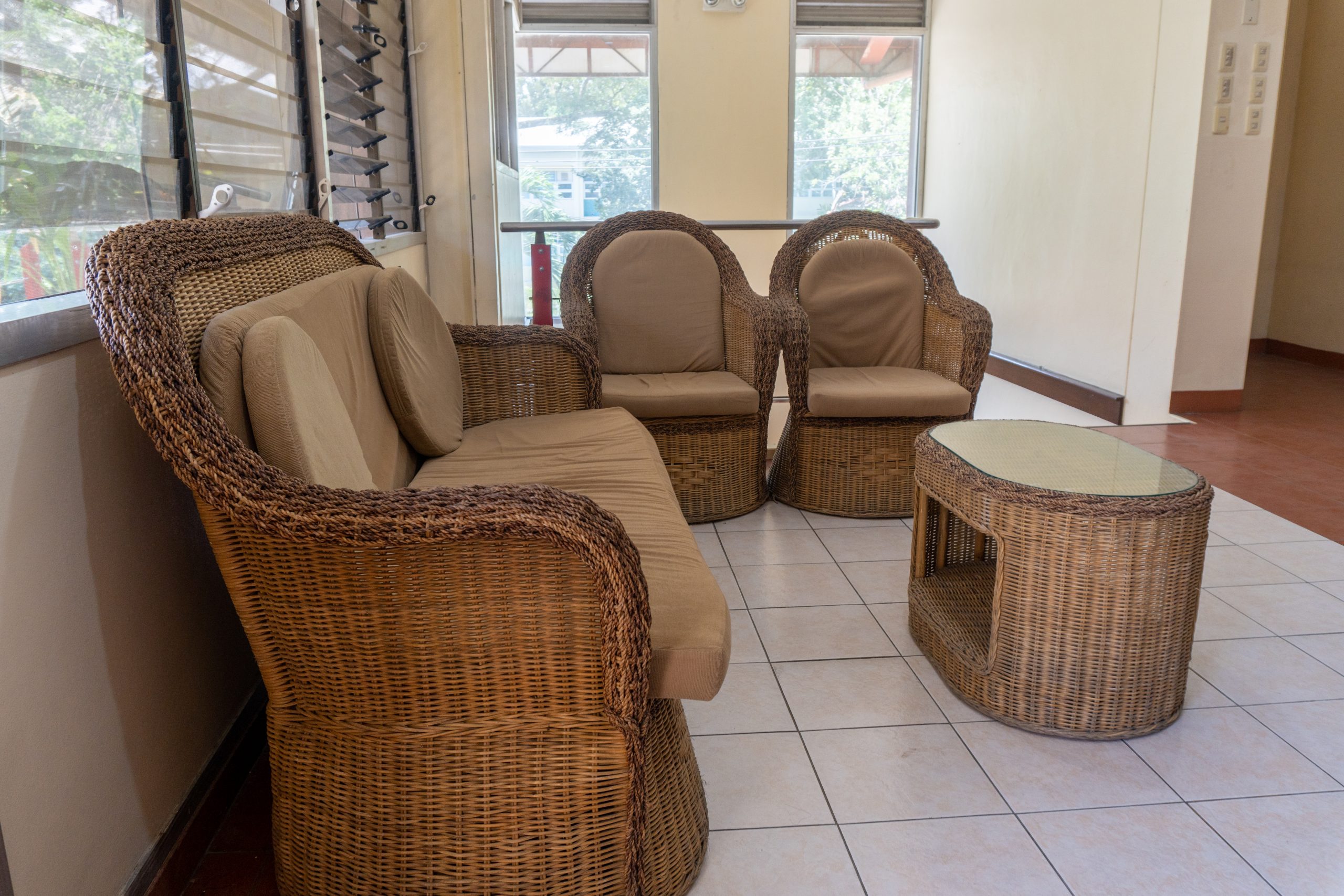
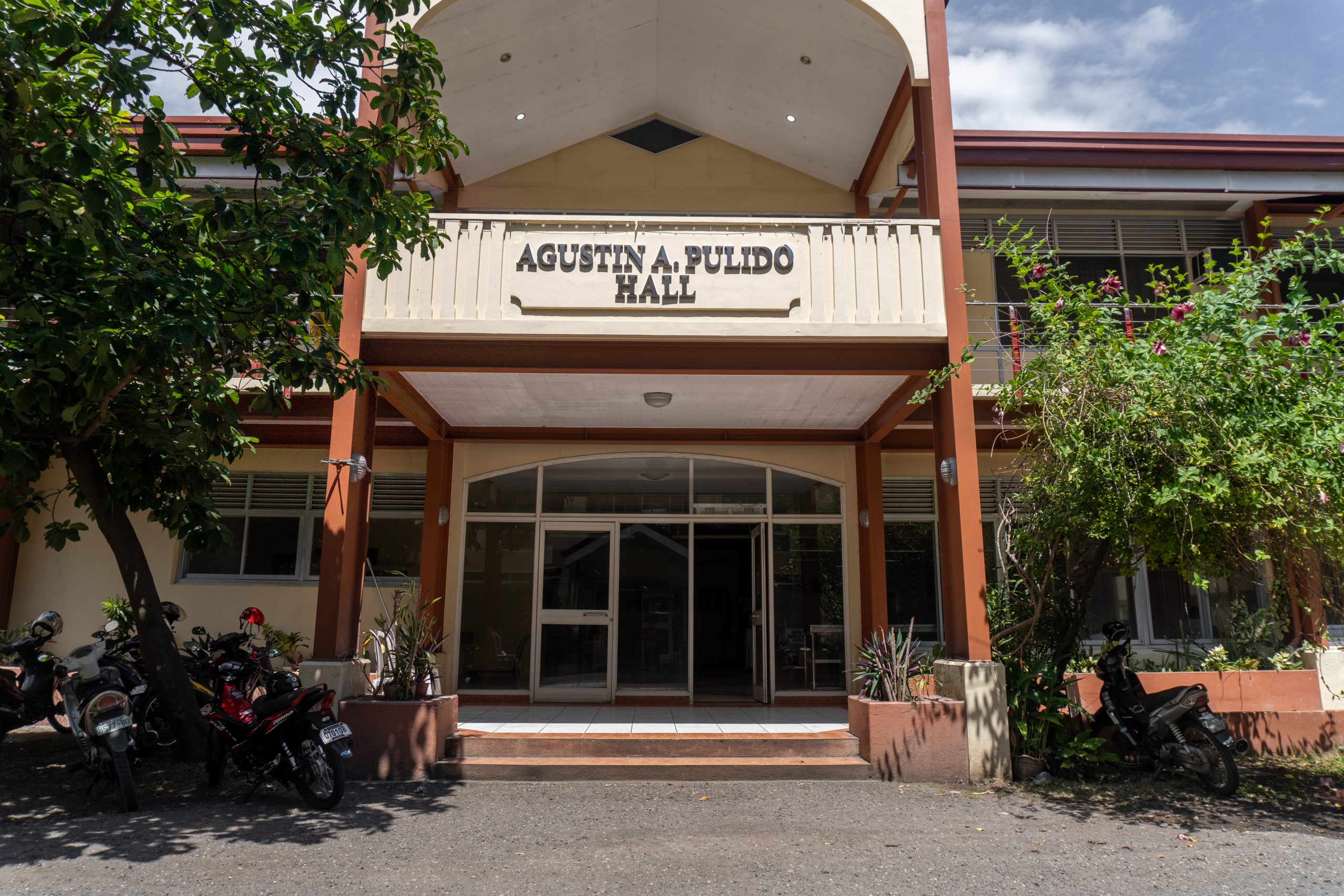
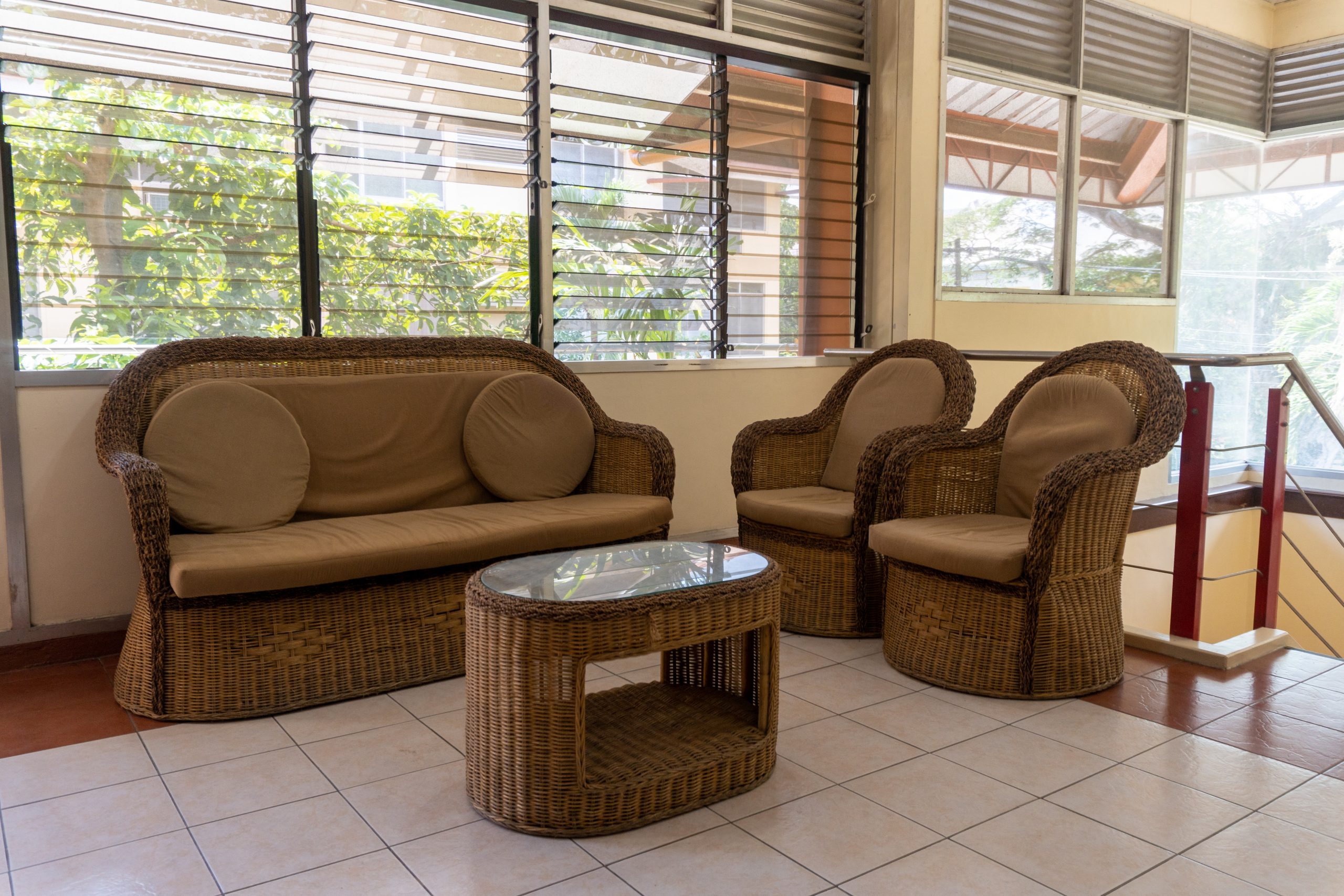
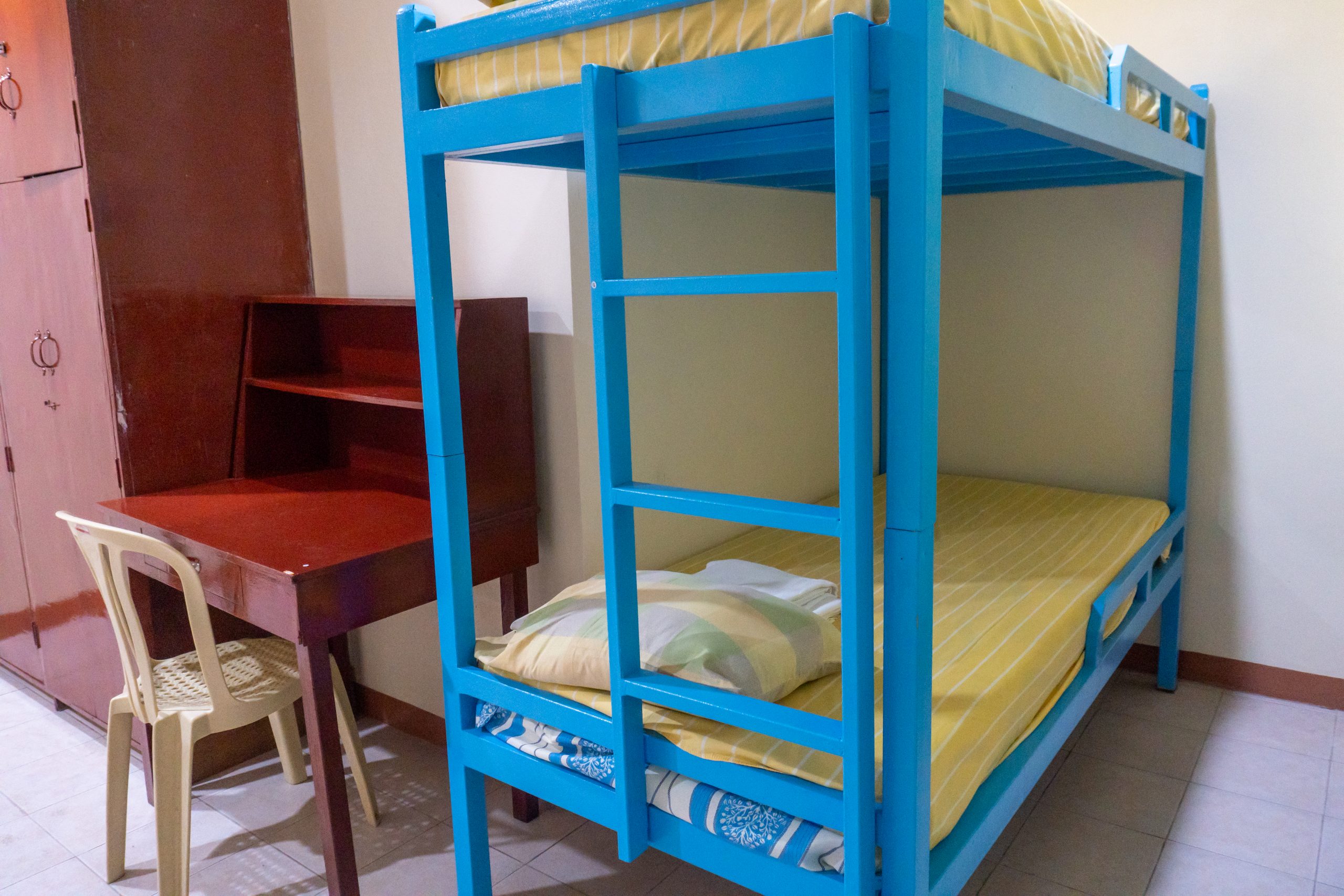
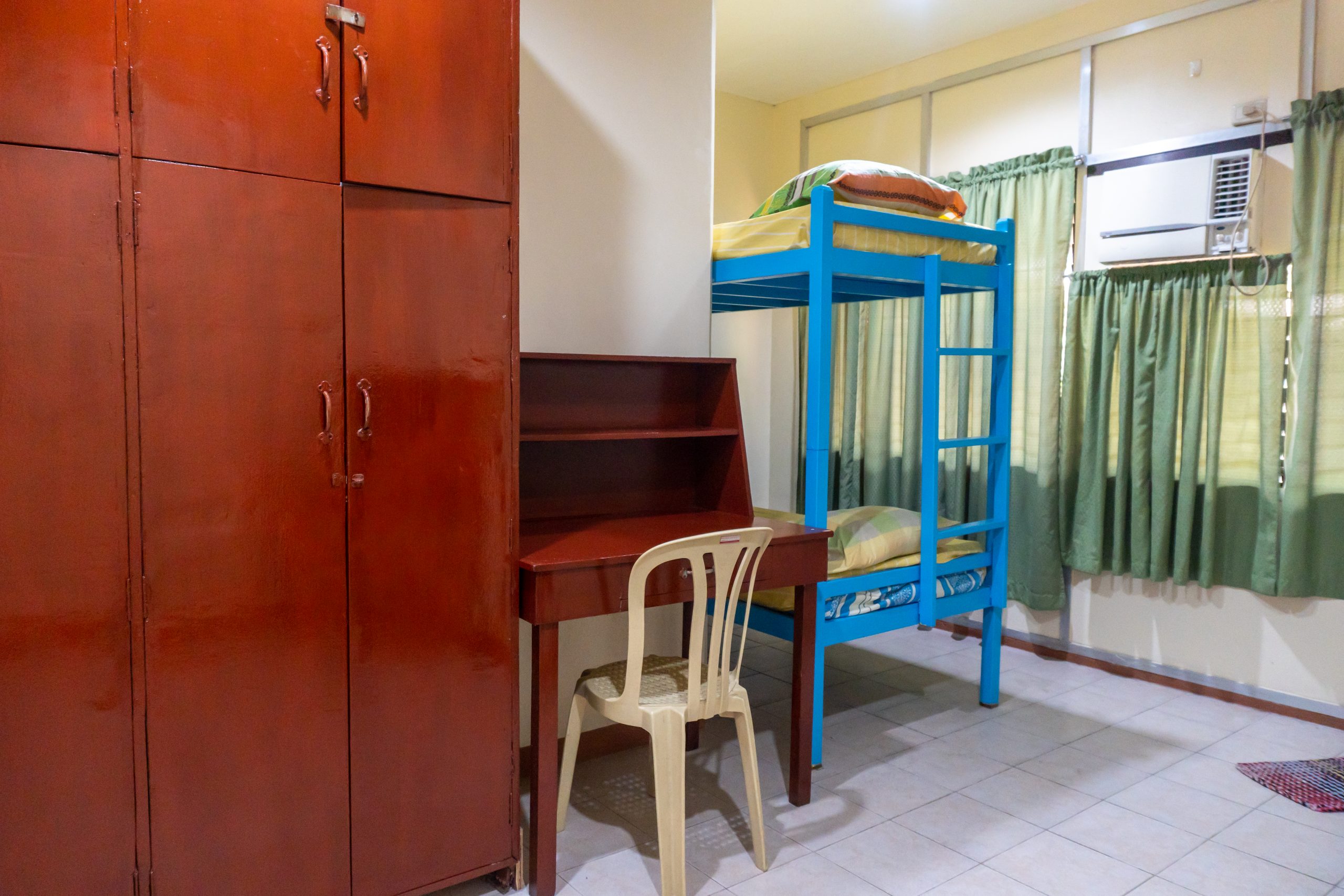
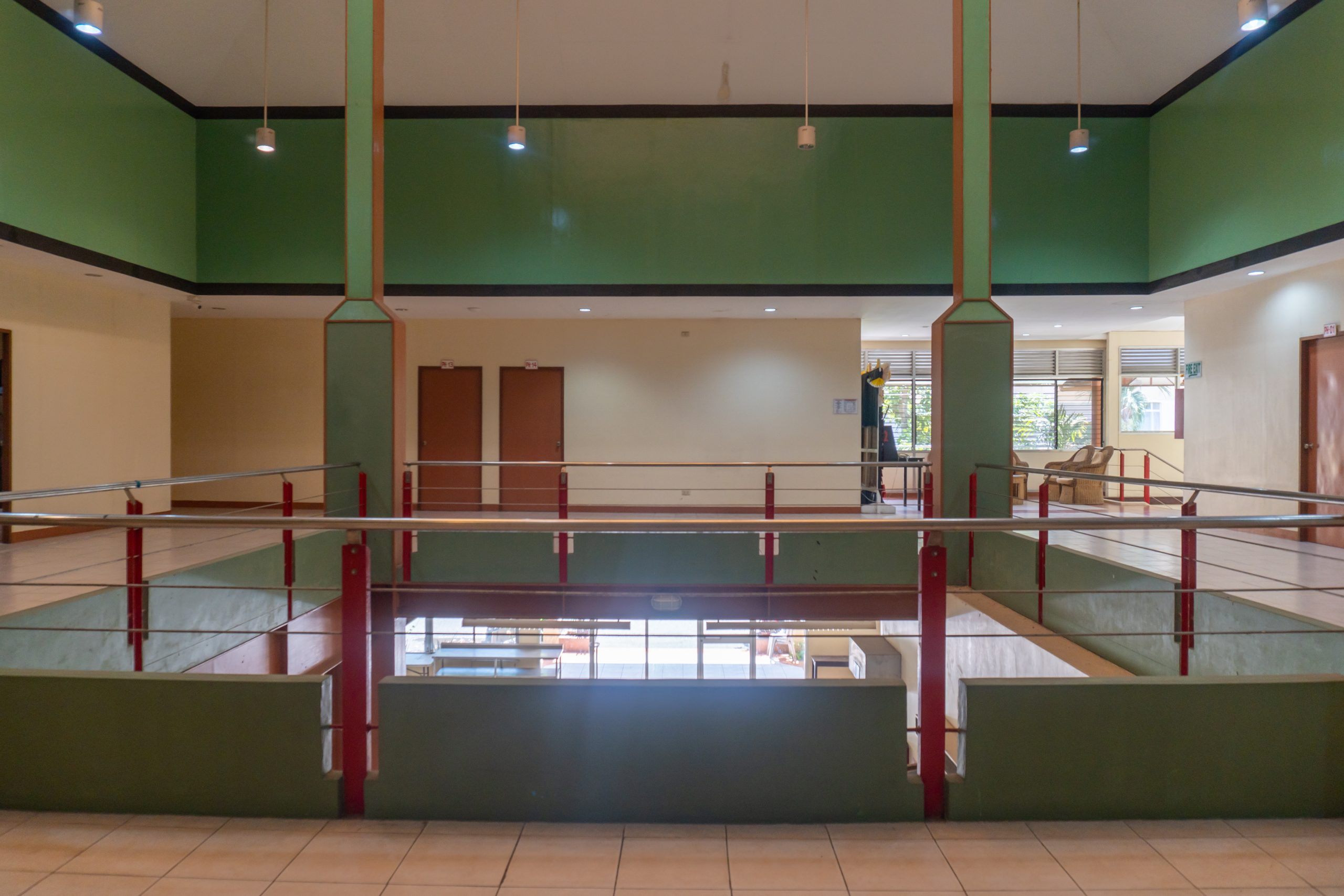
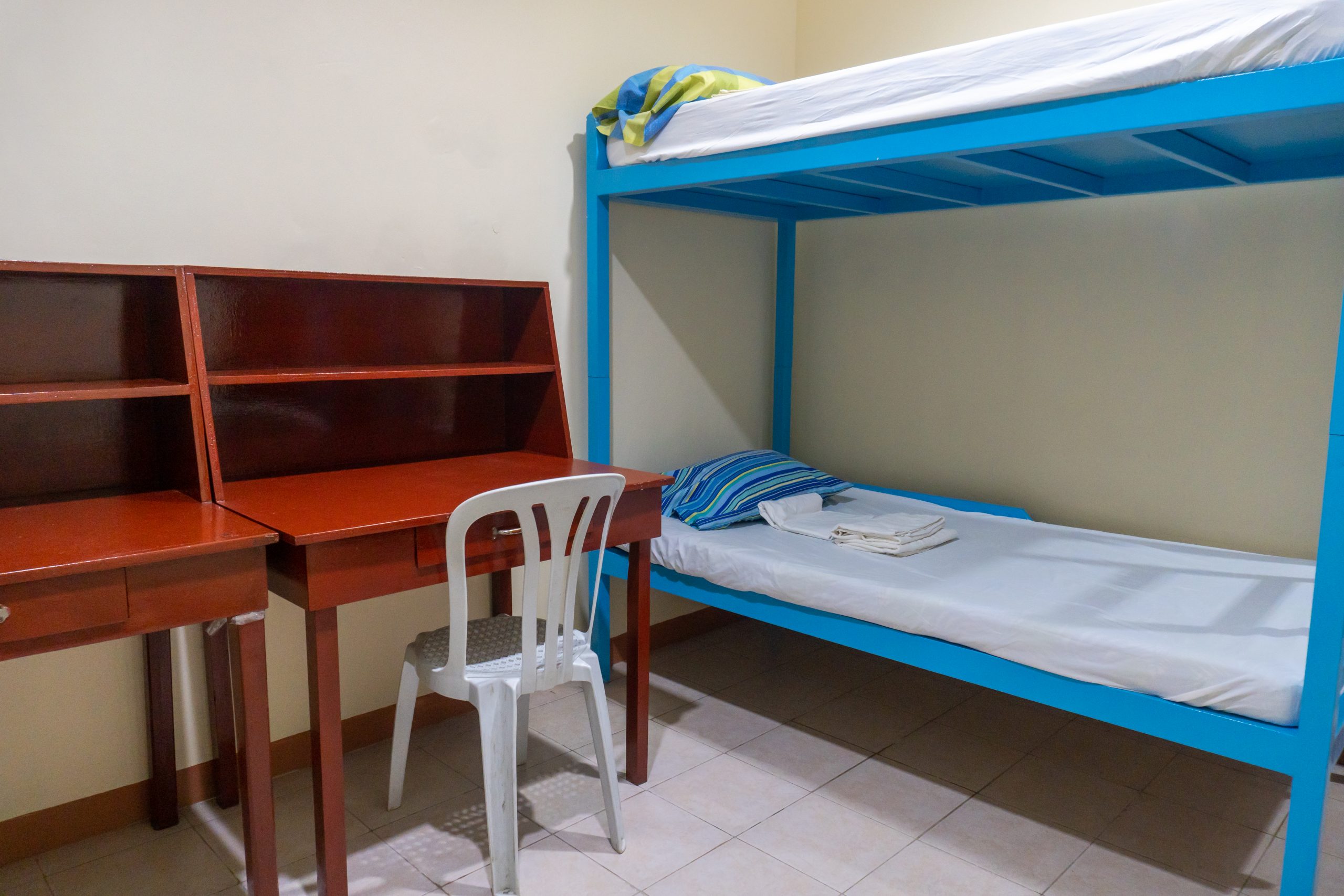
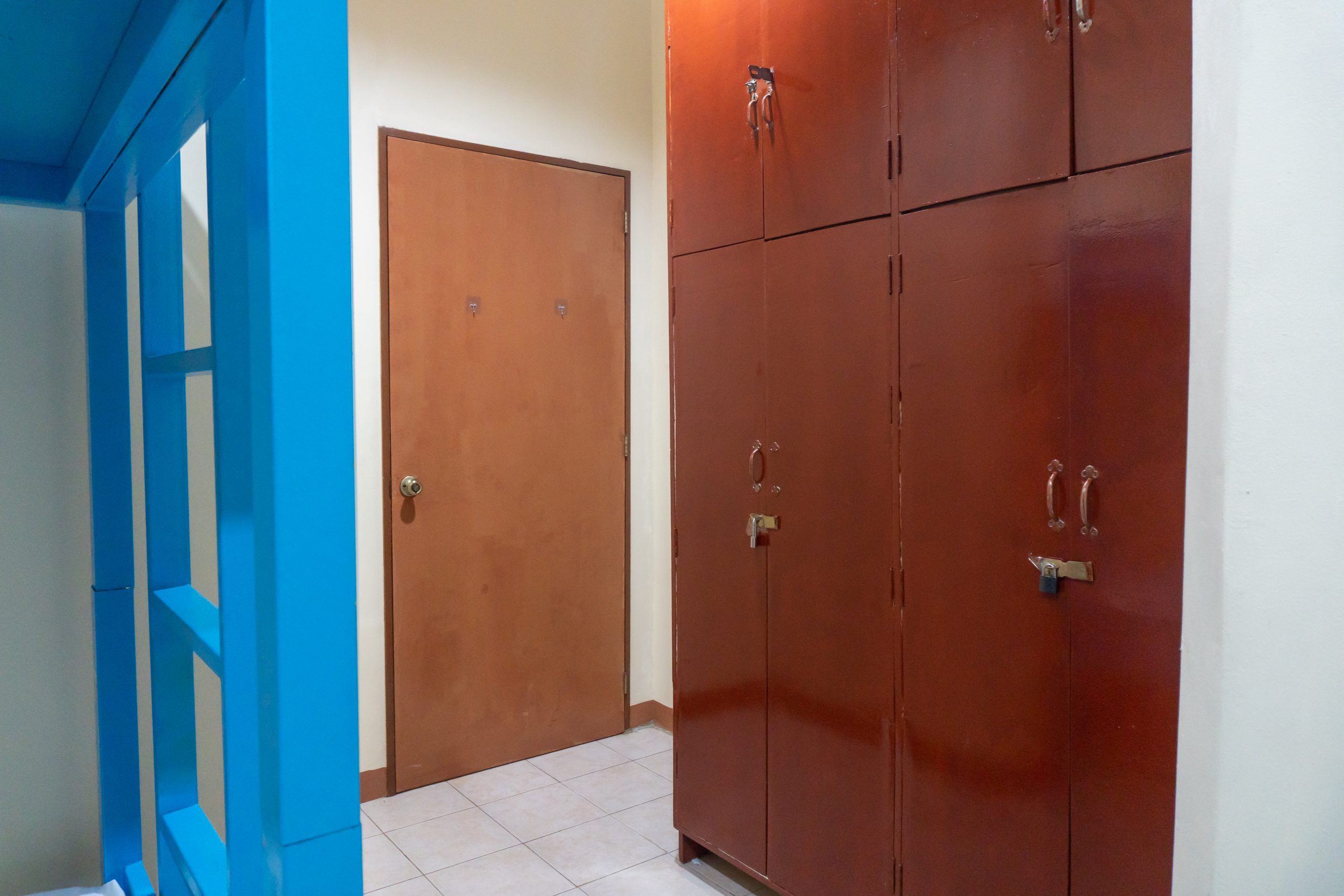
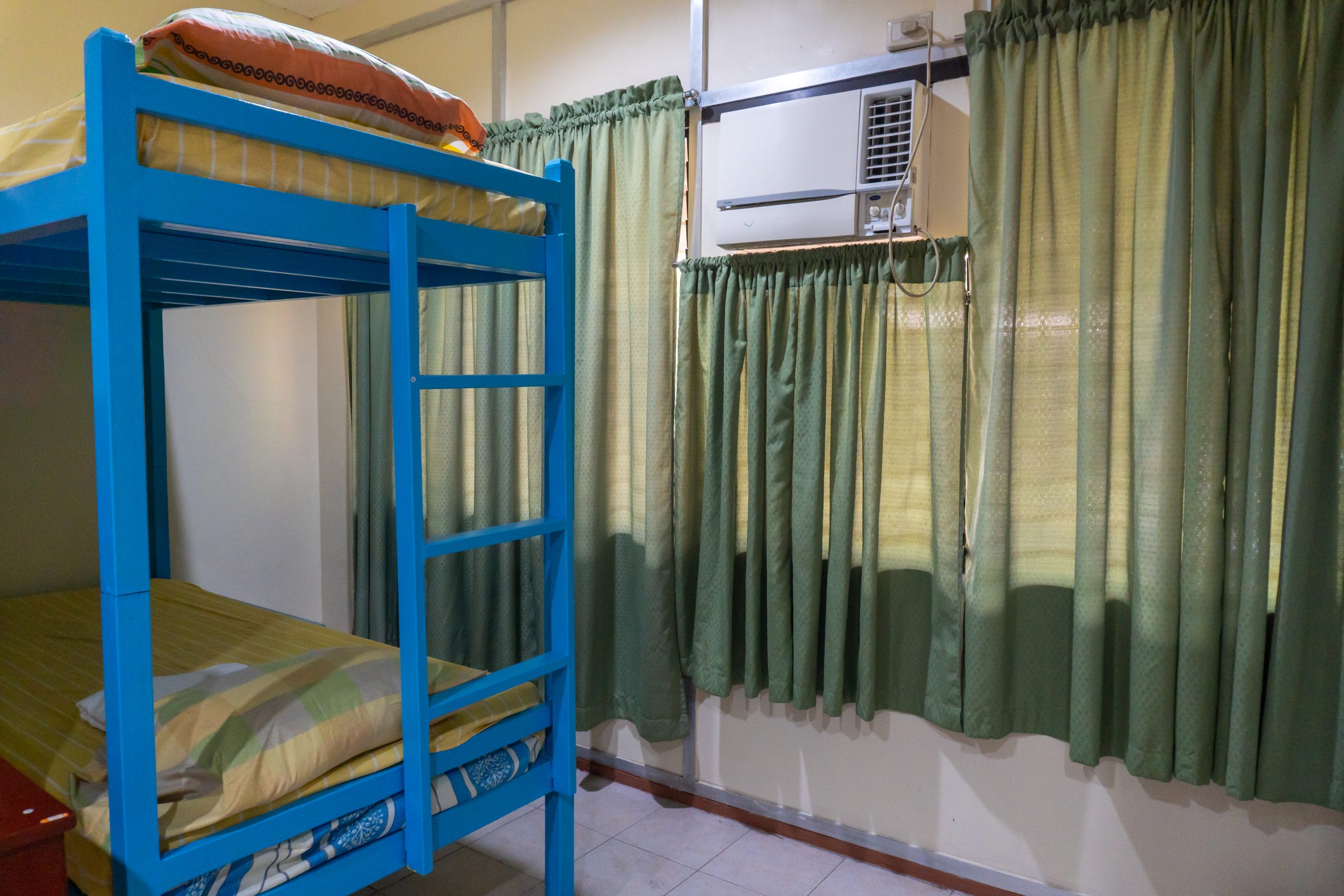
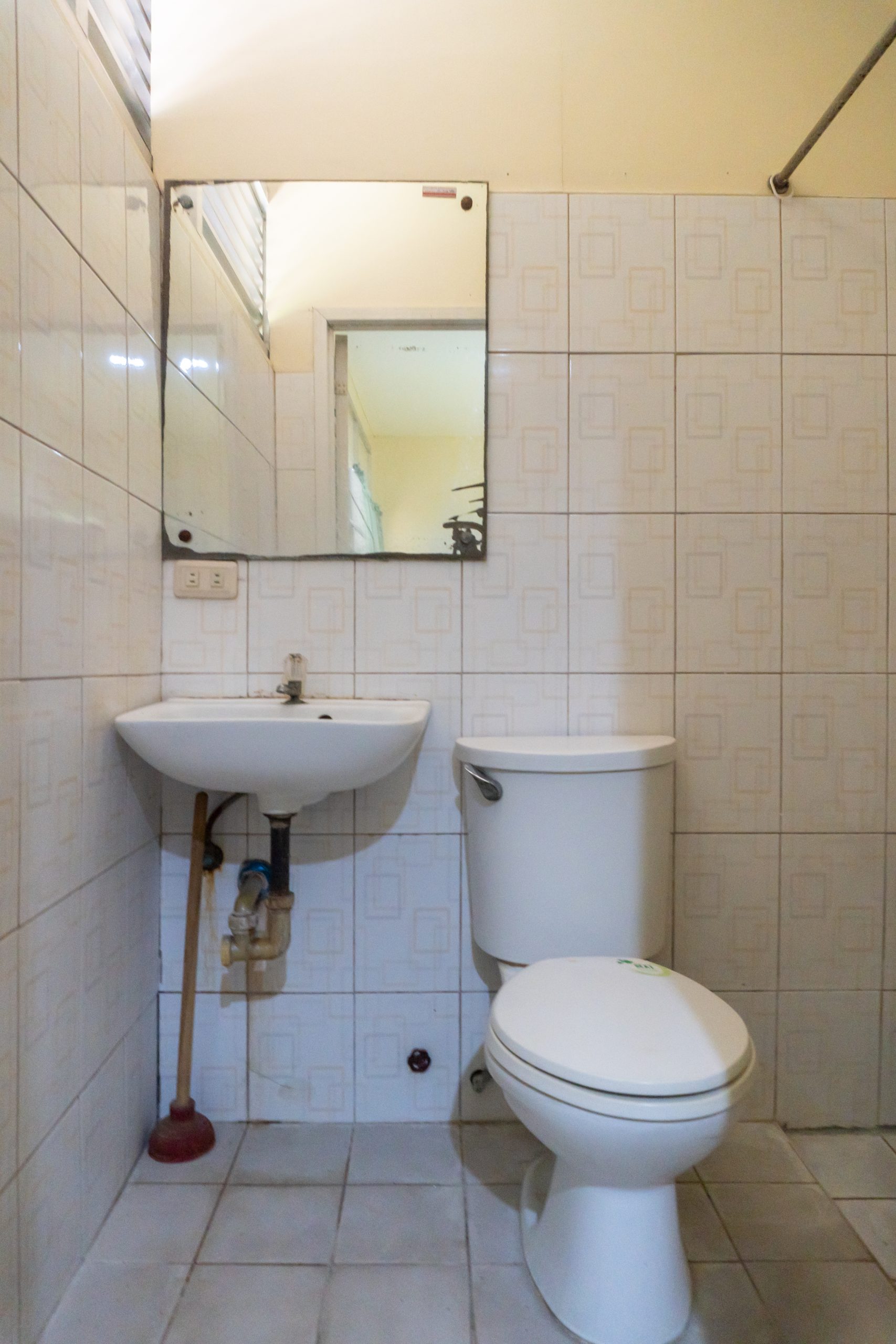
Pulido Hall is for graduating and/or post-graduate students, where fixed board or dining service is optional.
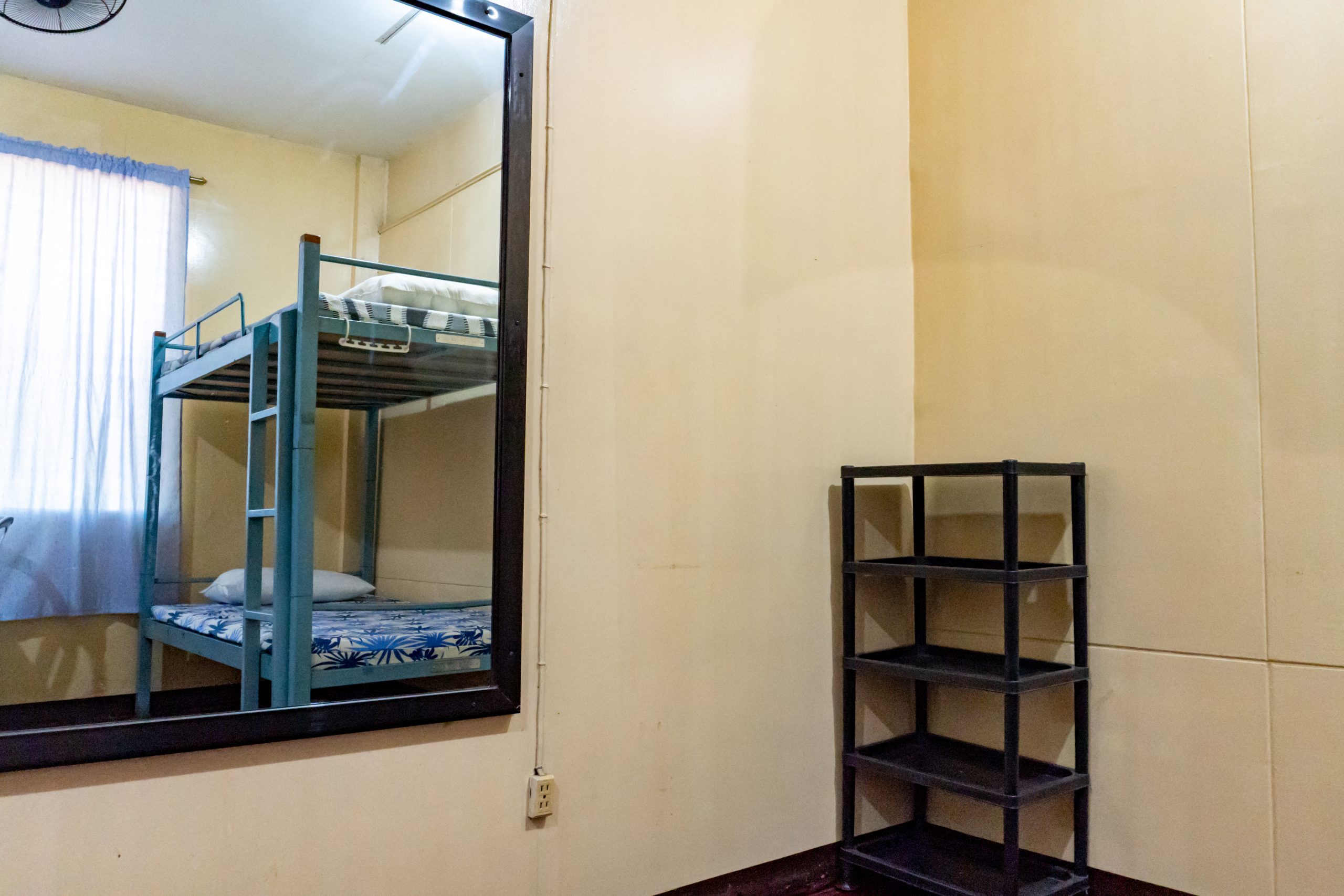
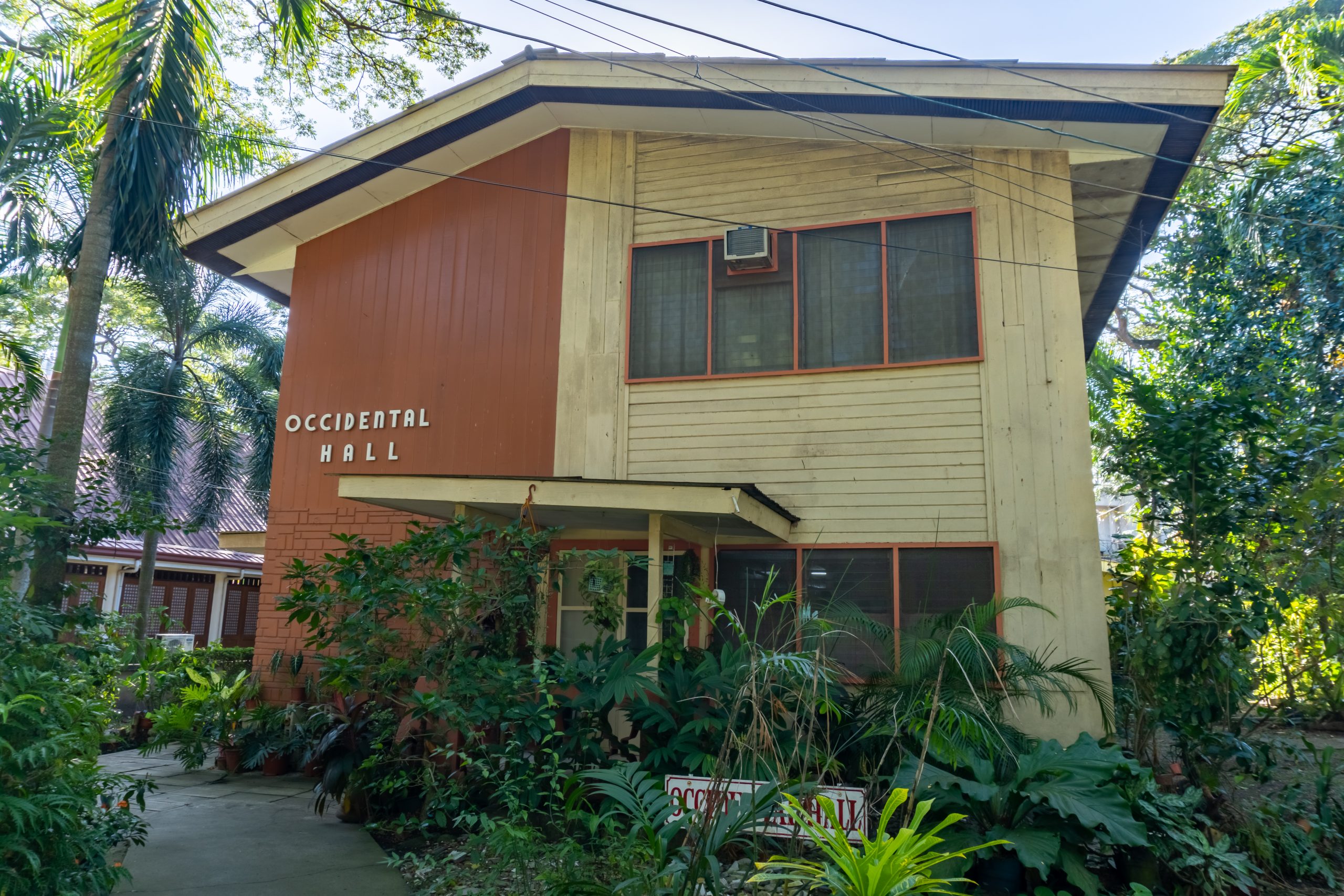
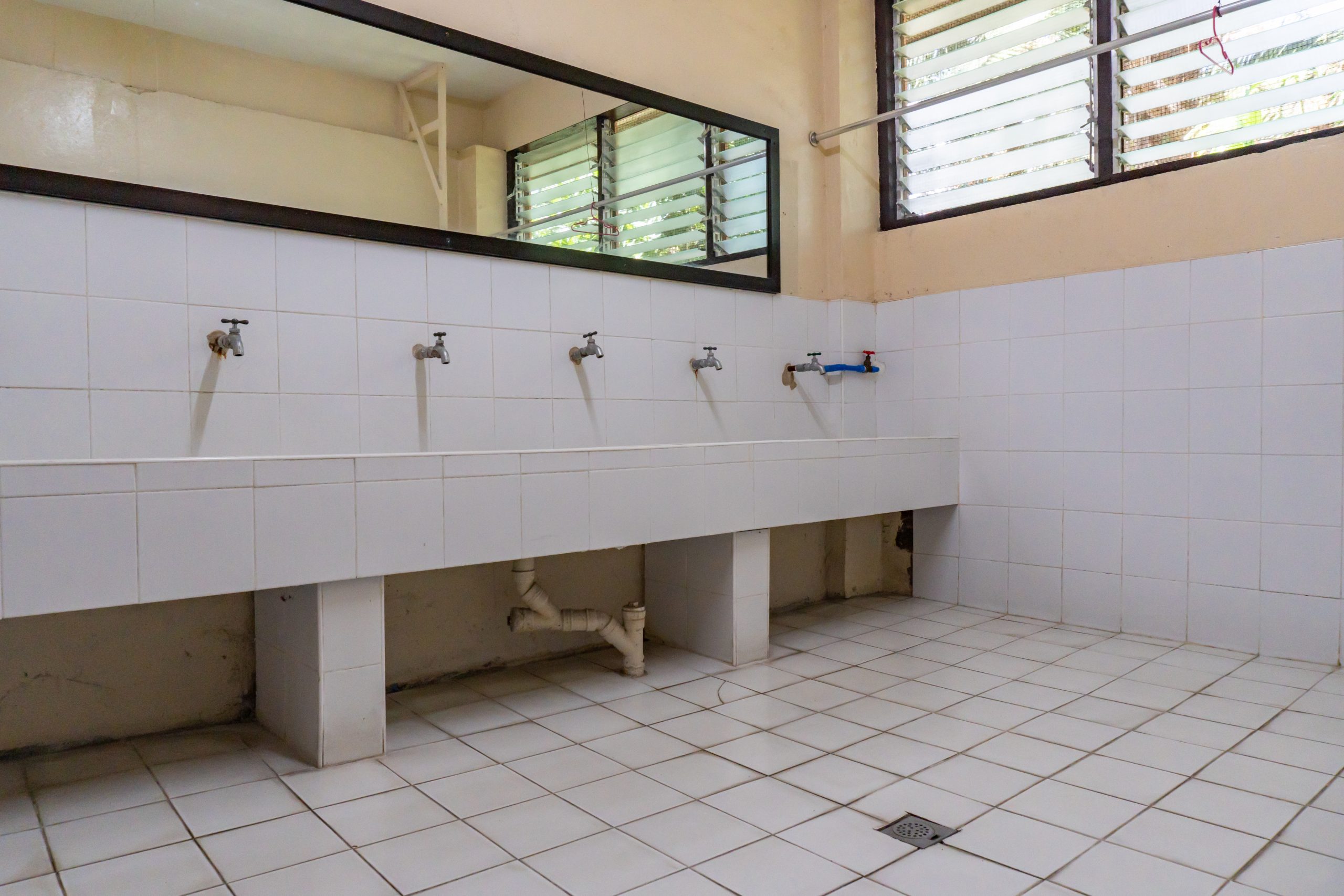
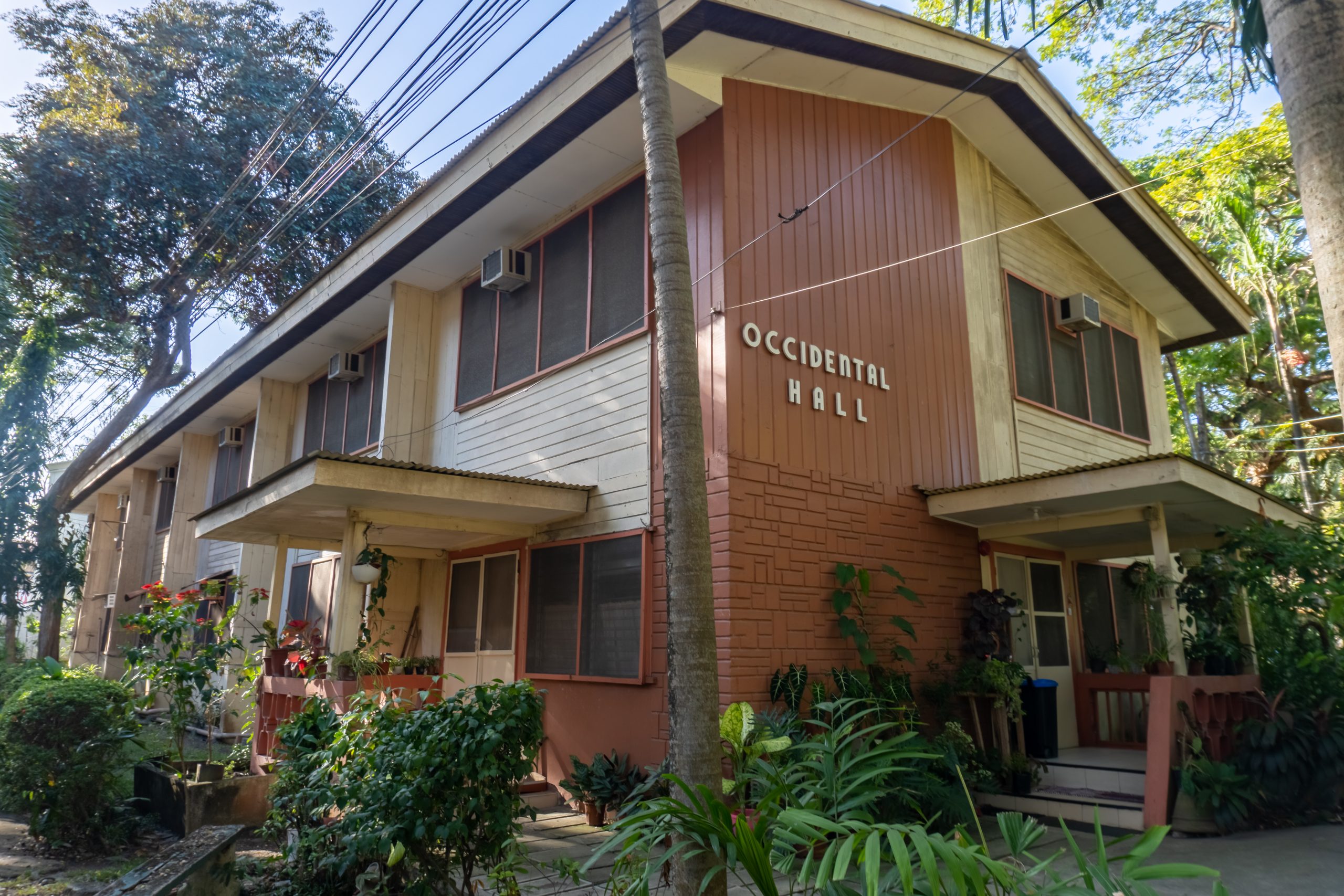
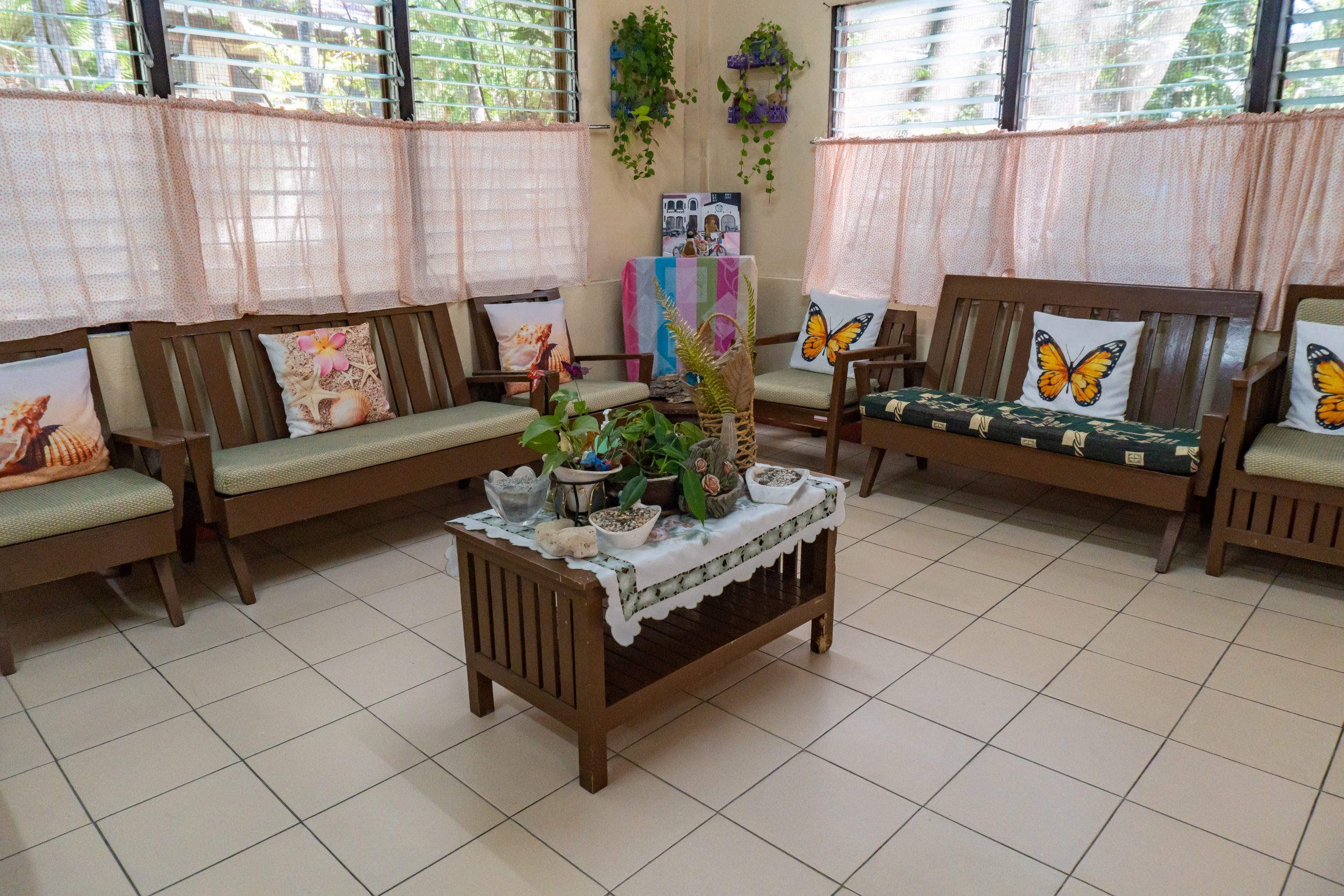
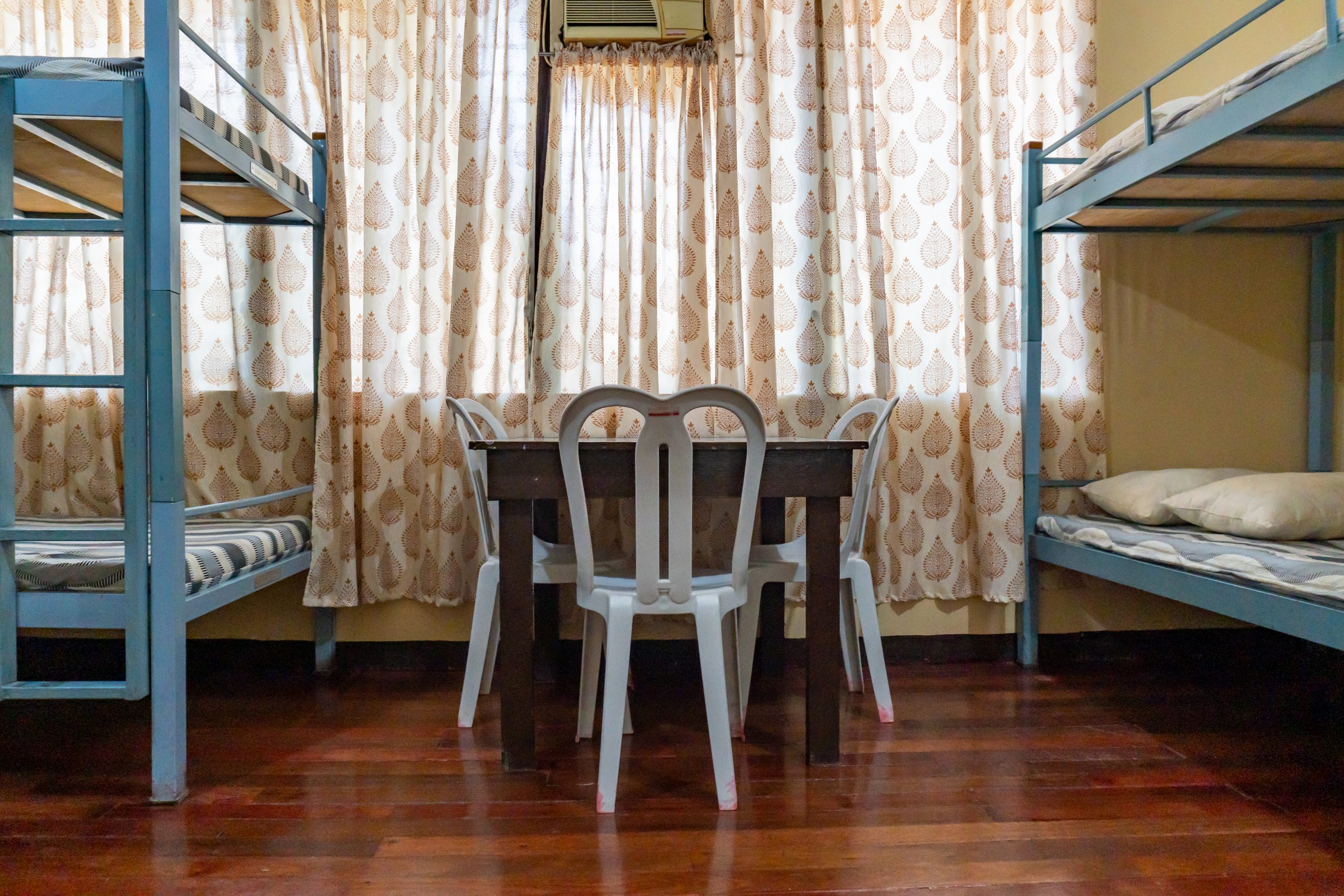
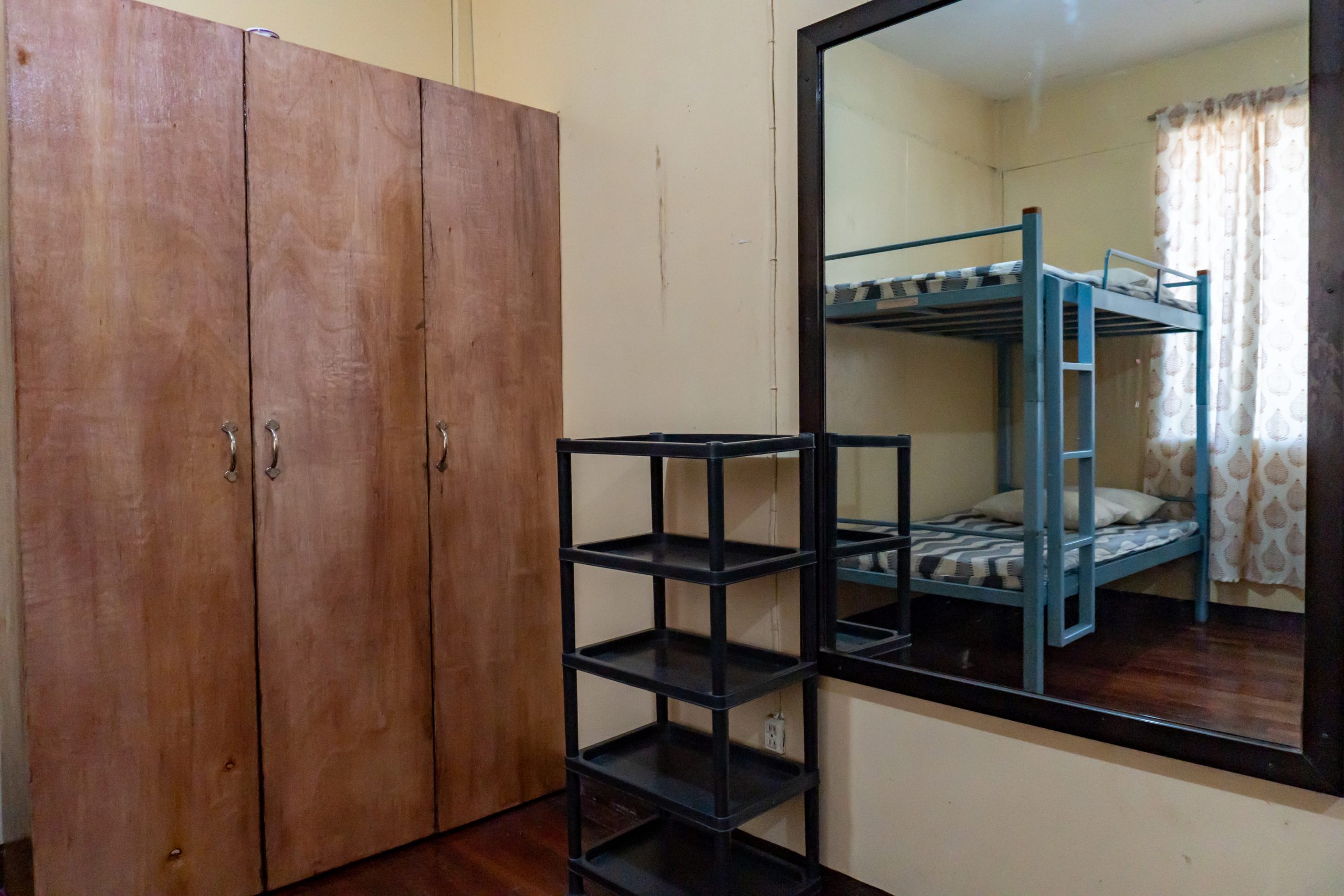
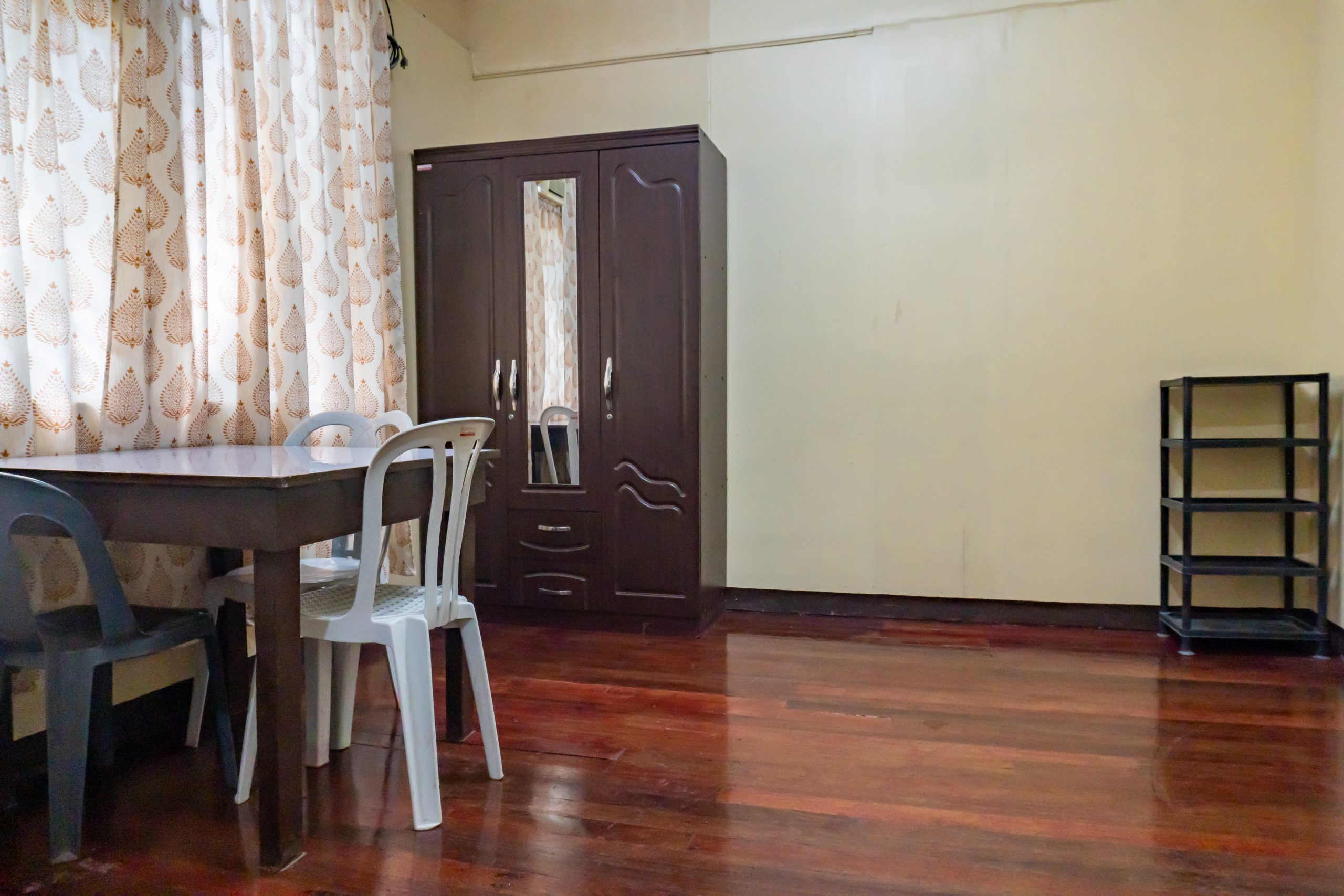
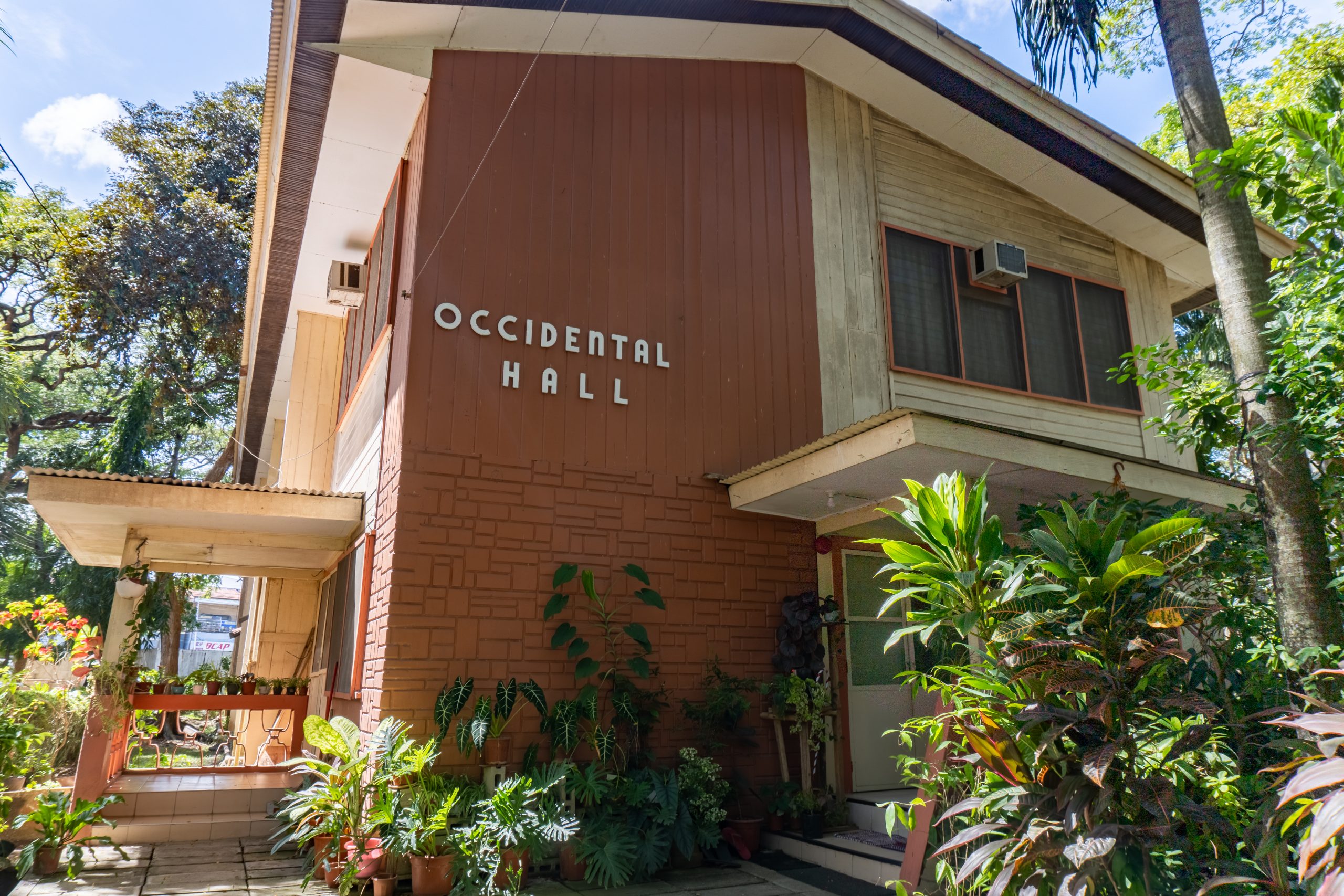
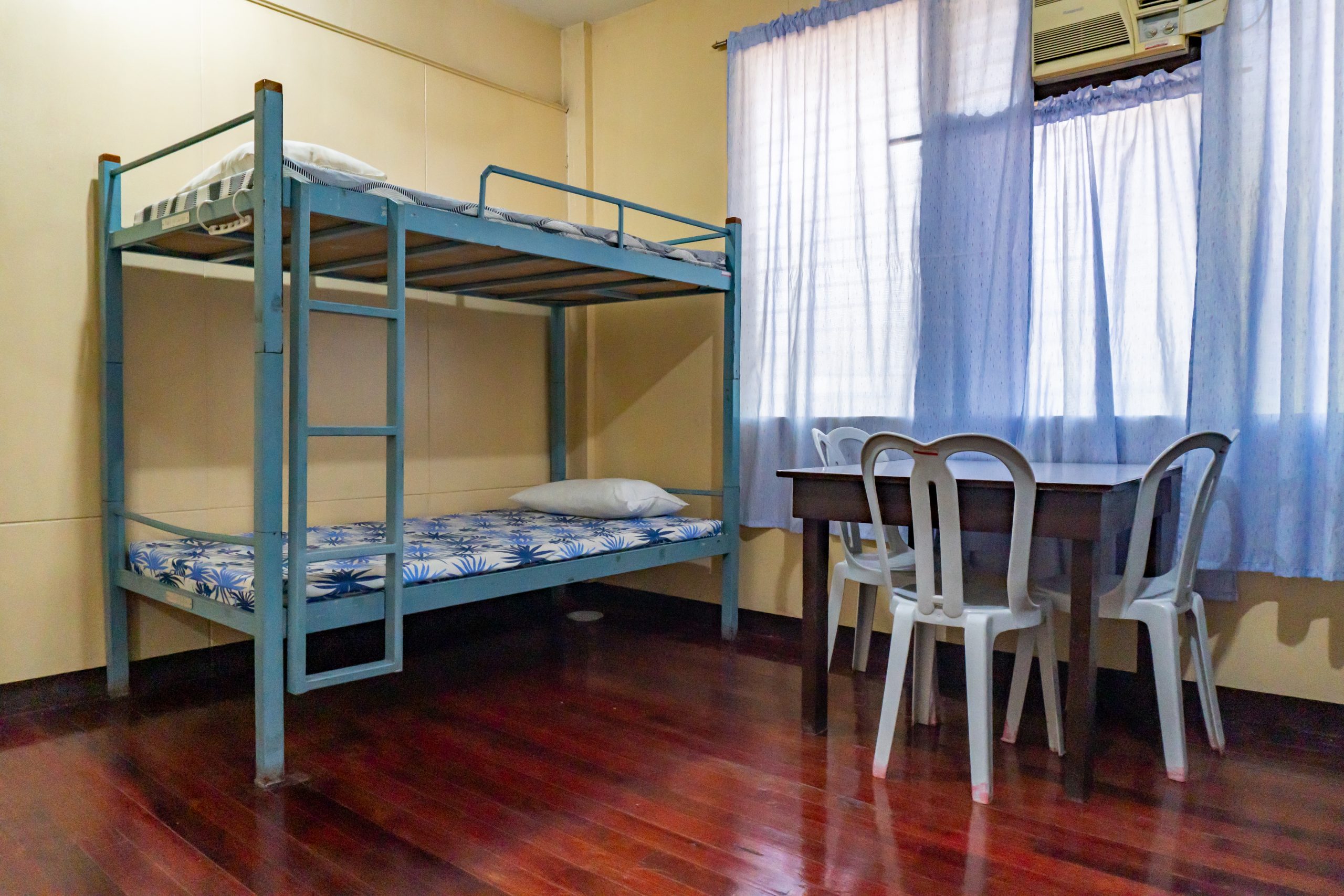
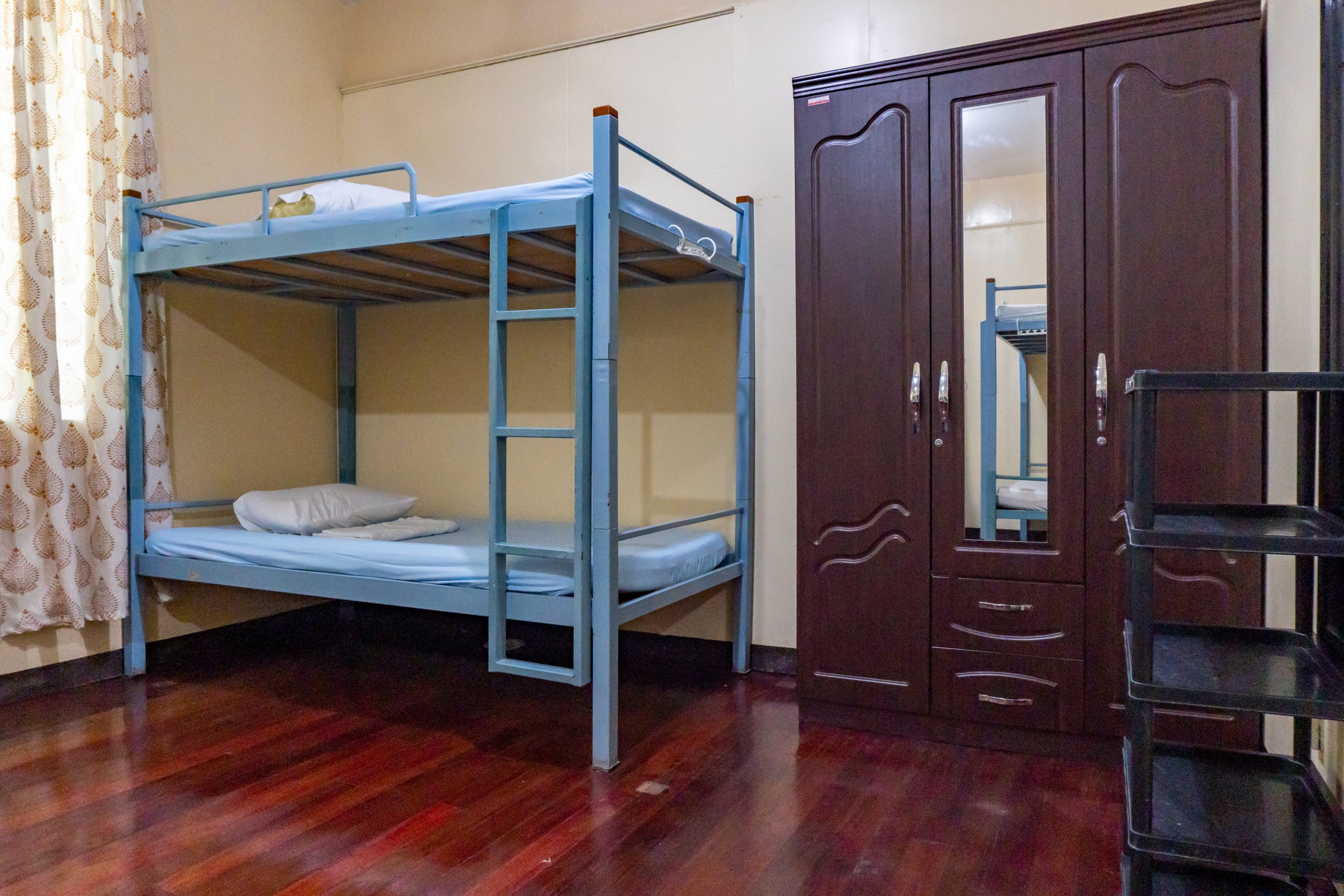
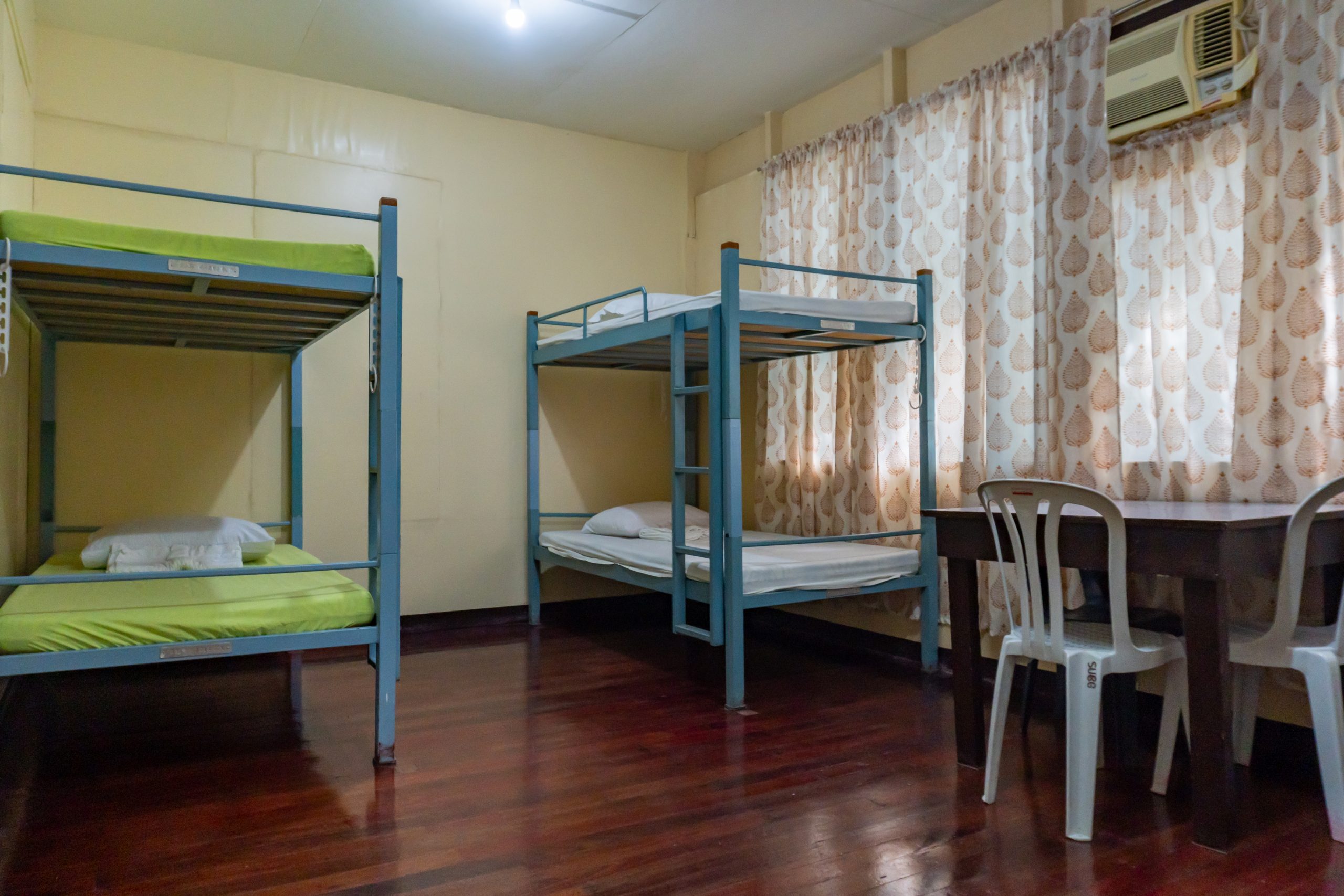
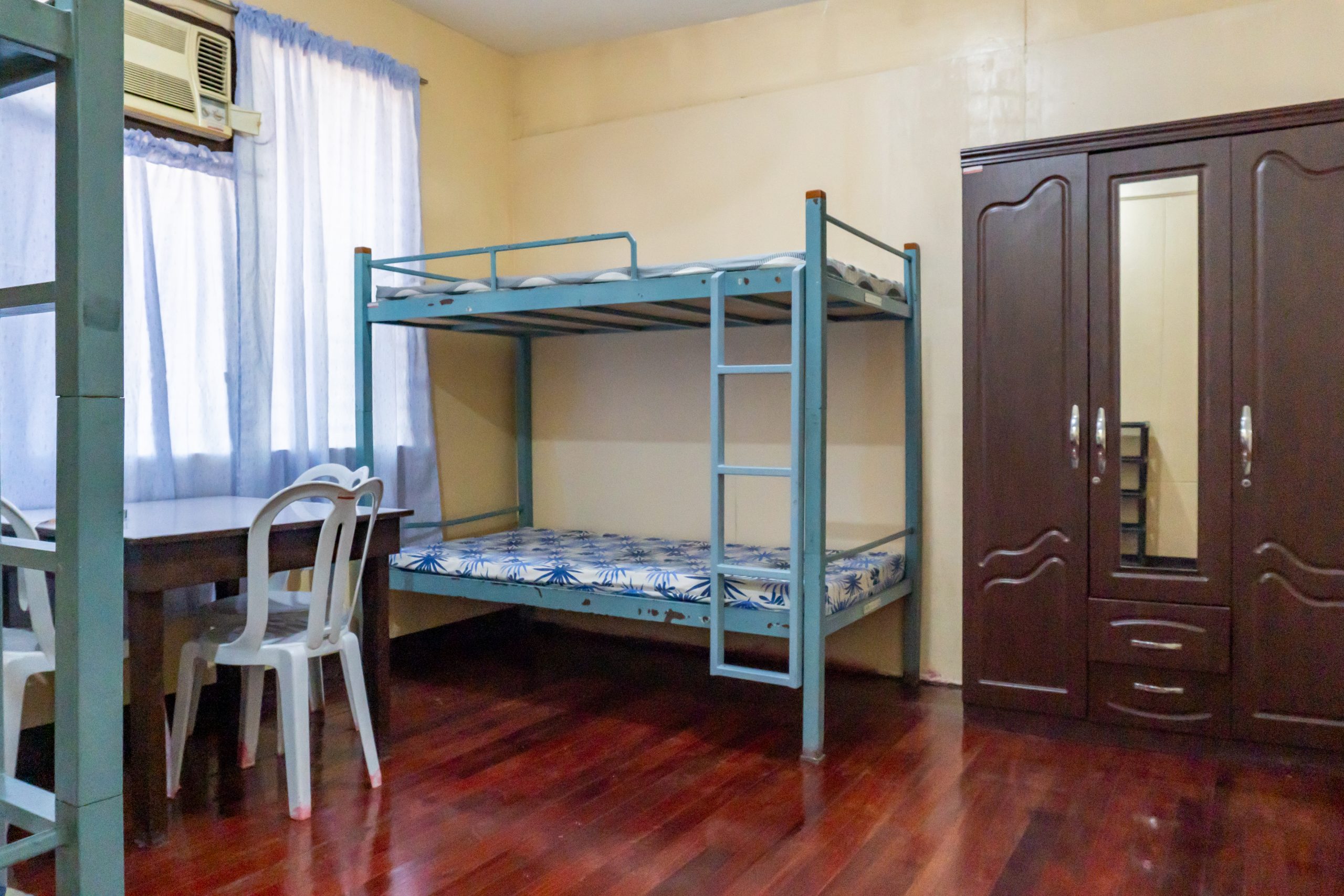
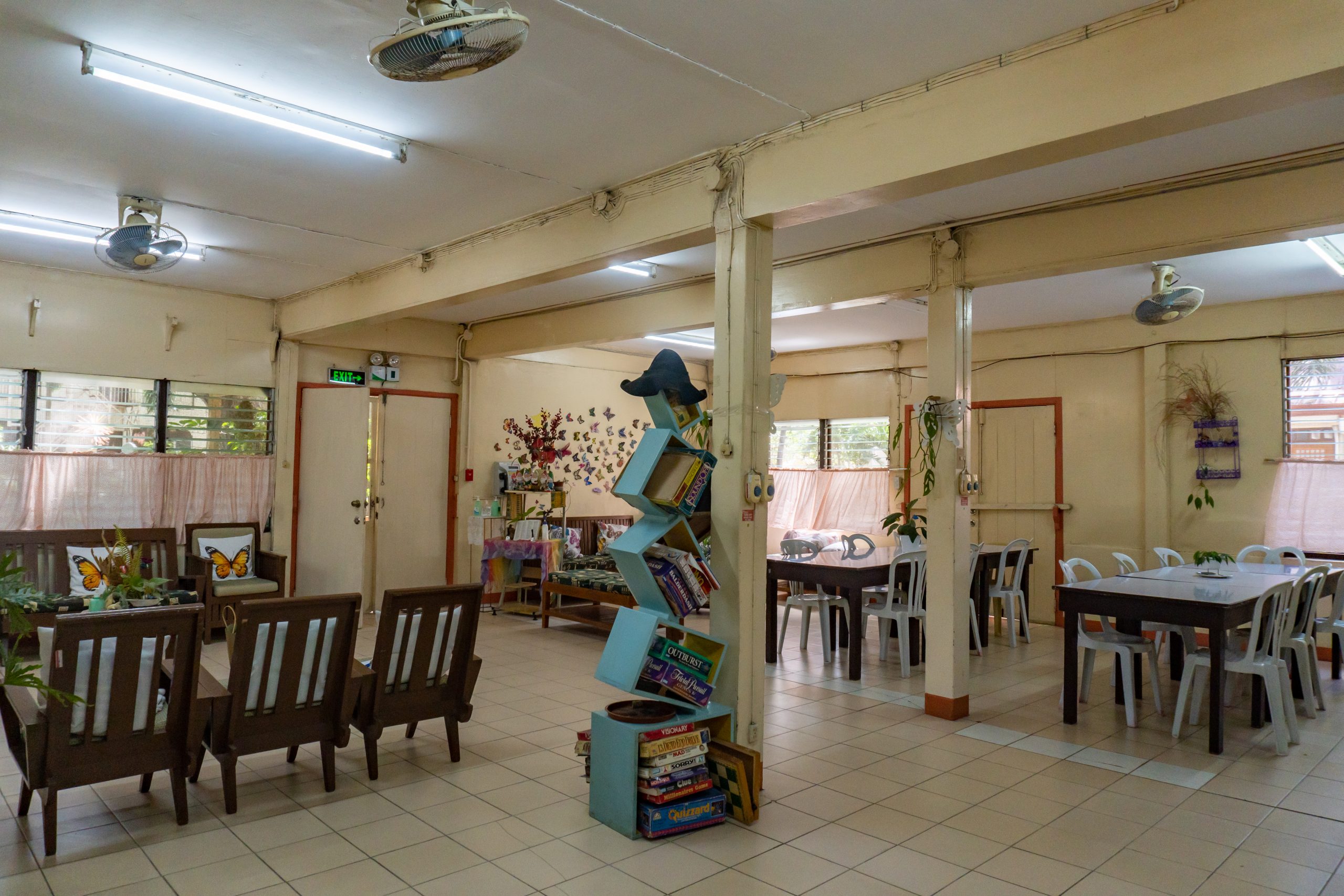
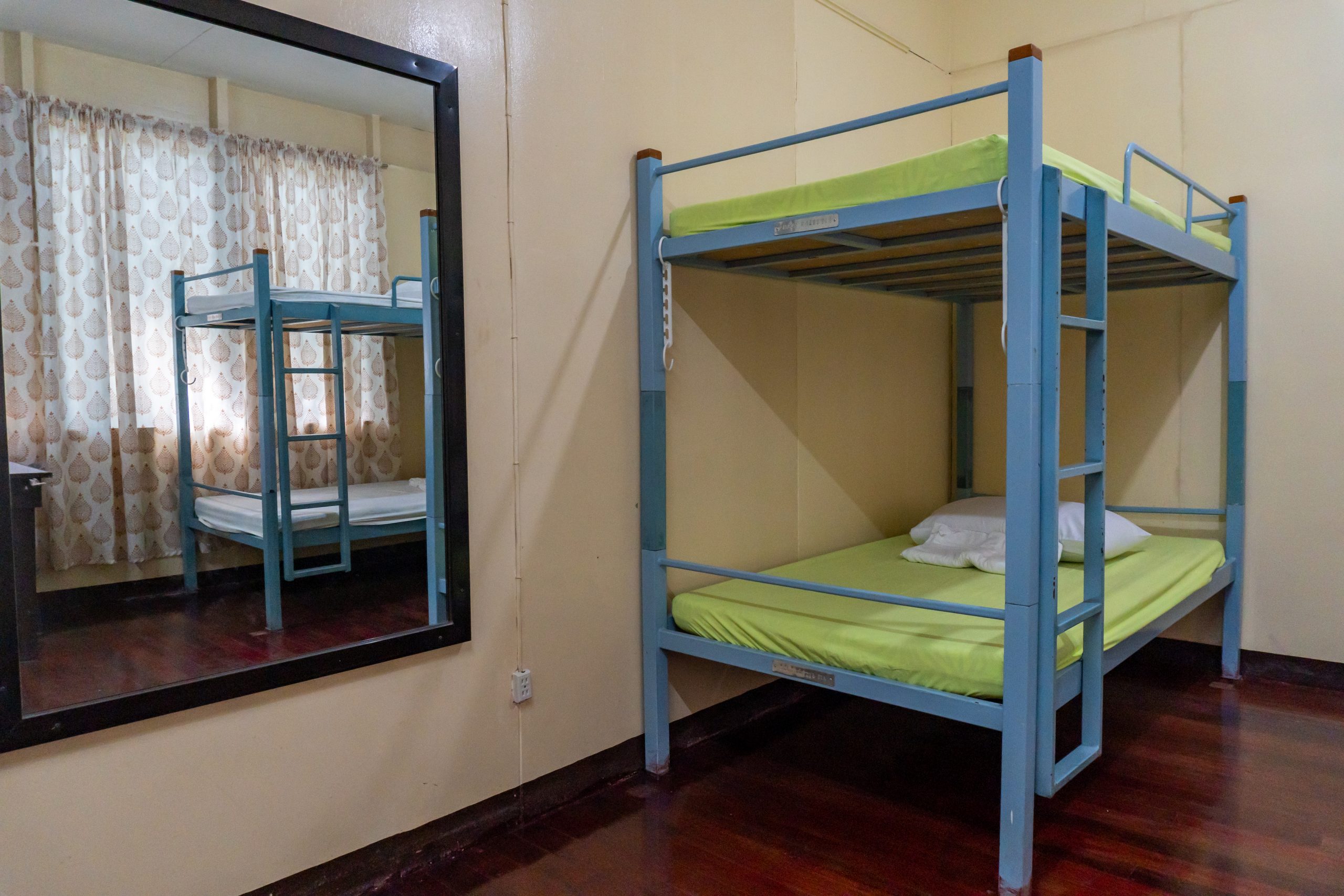
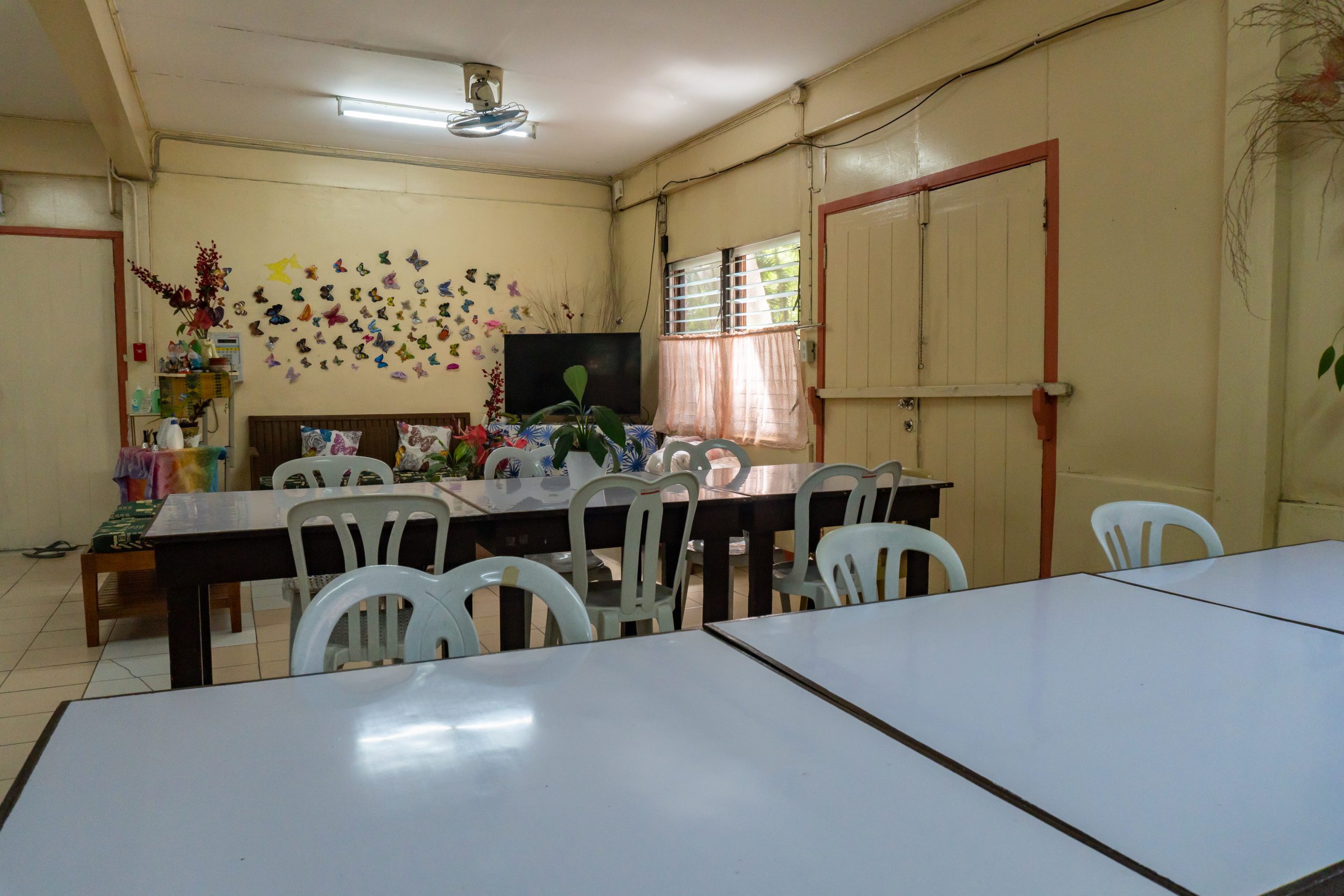
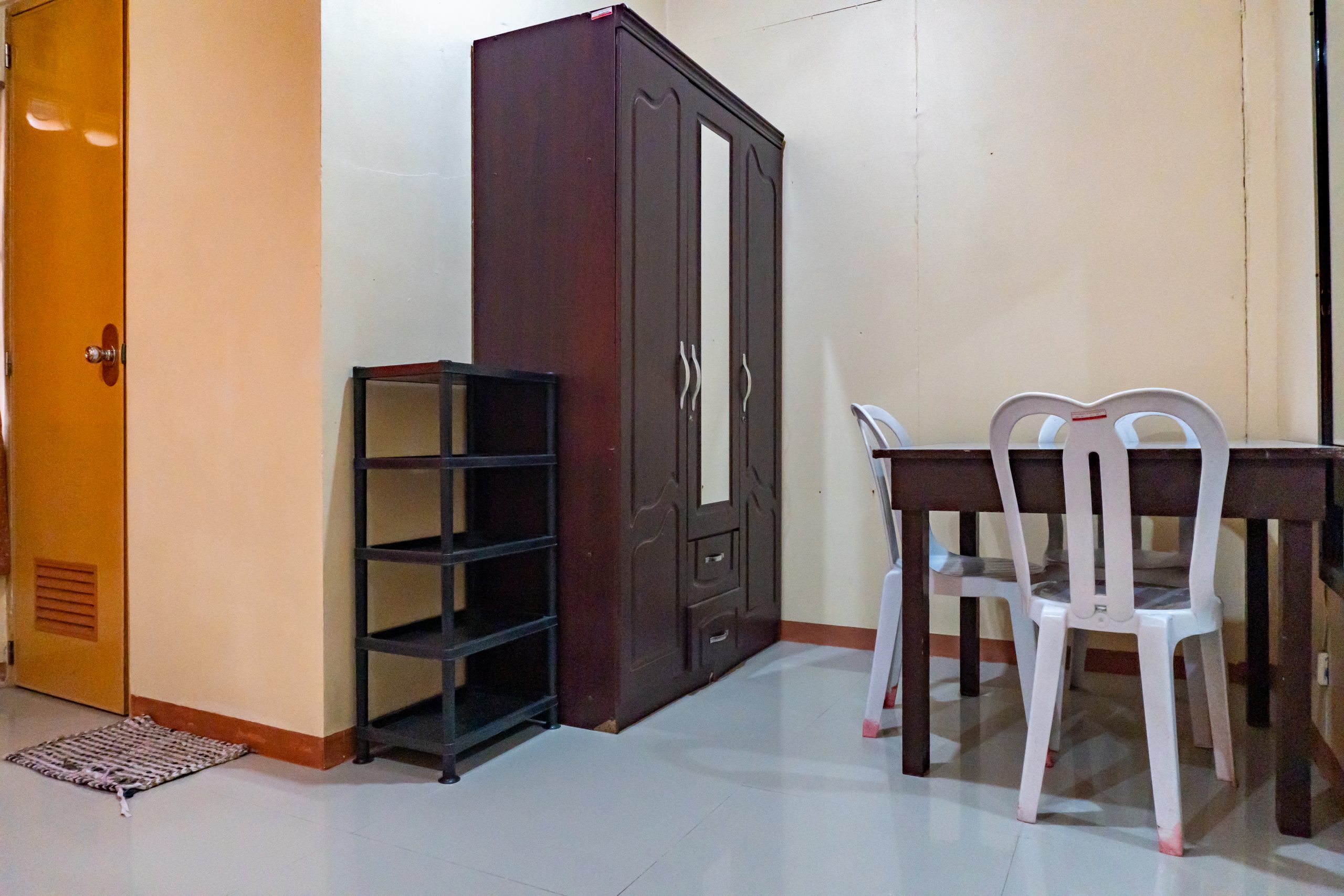
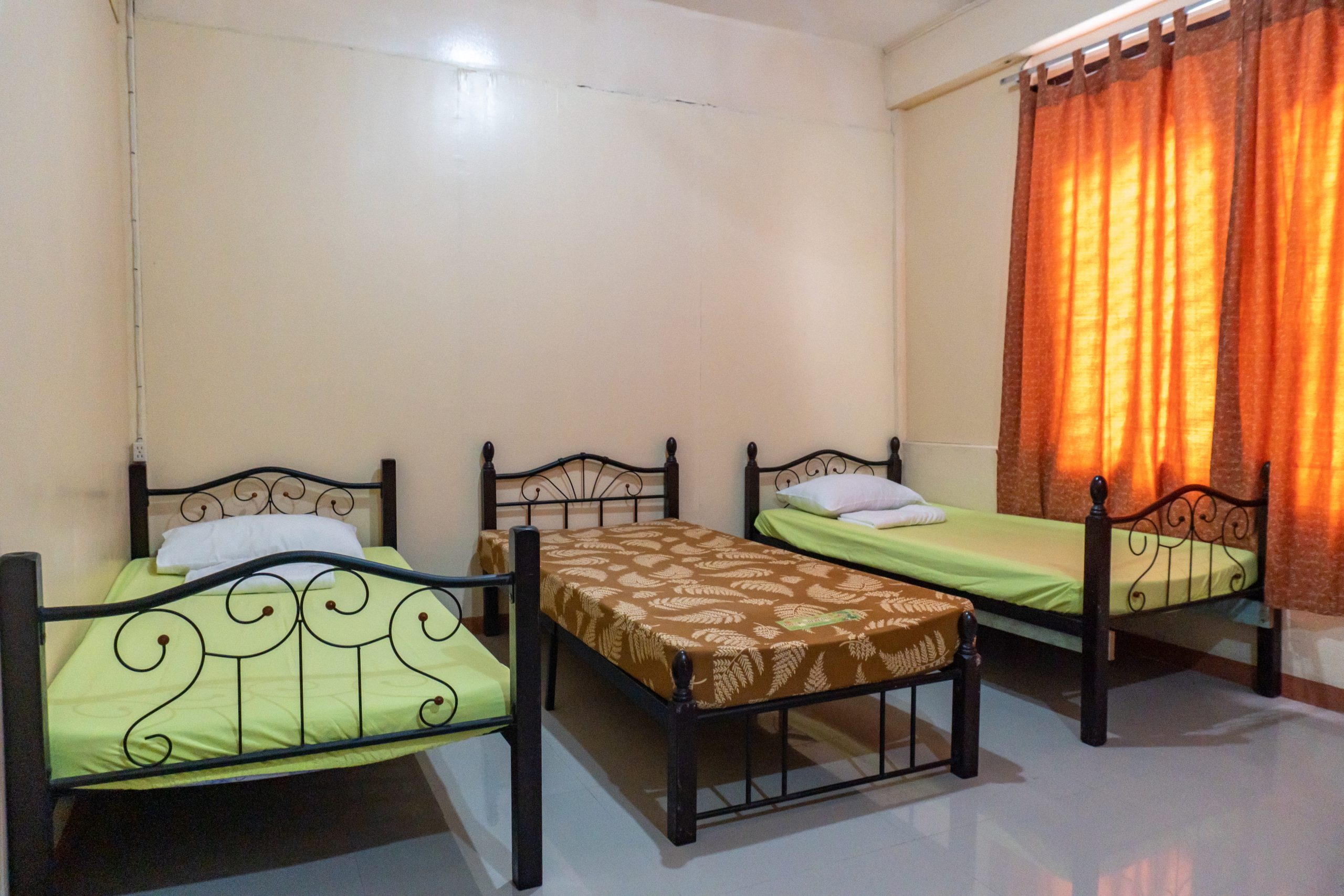
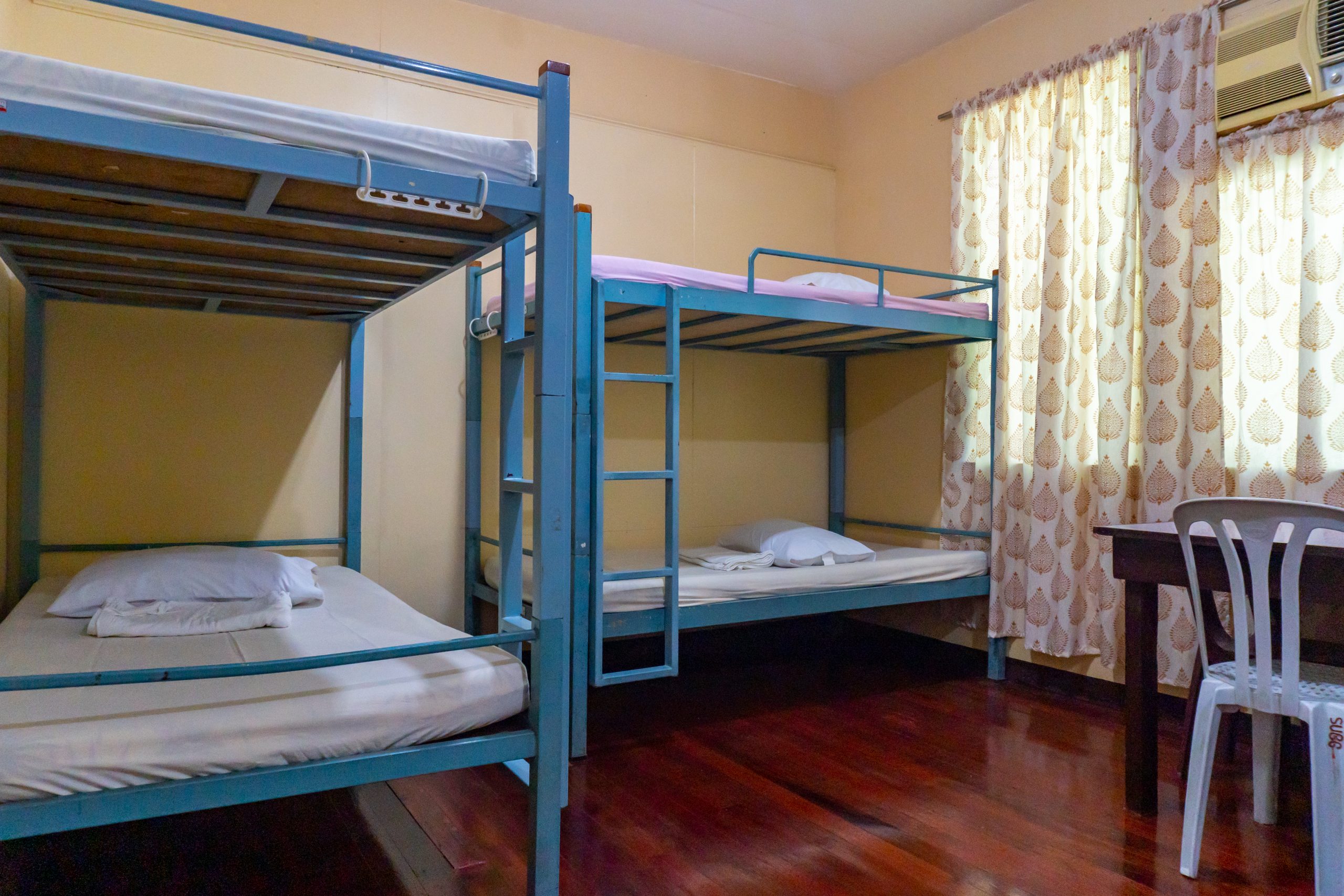
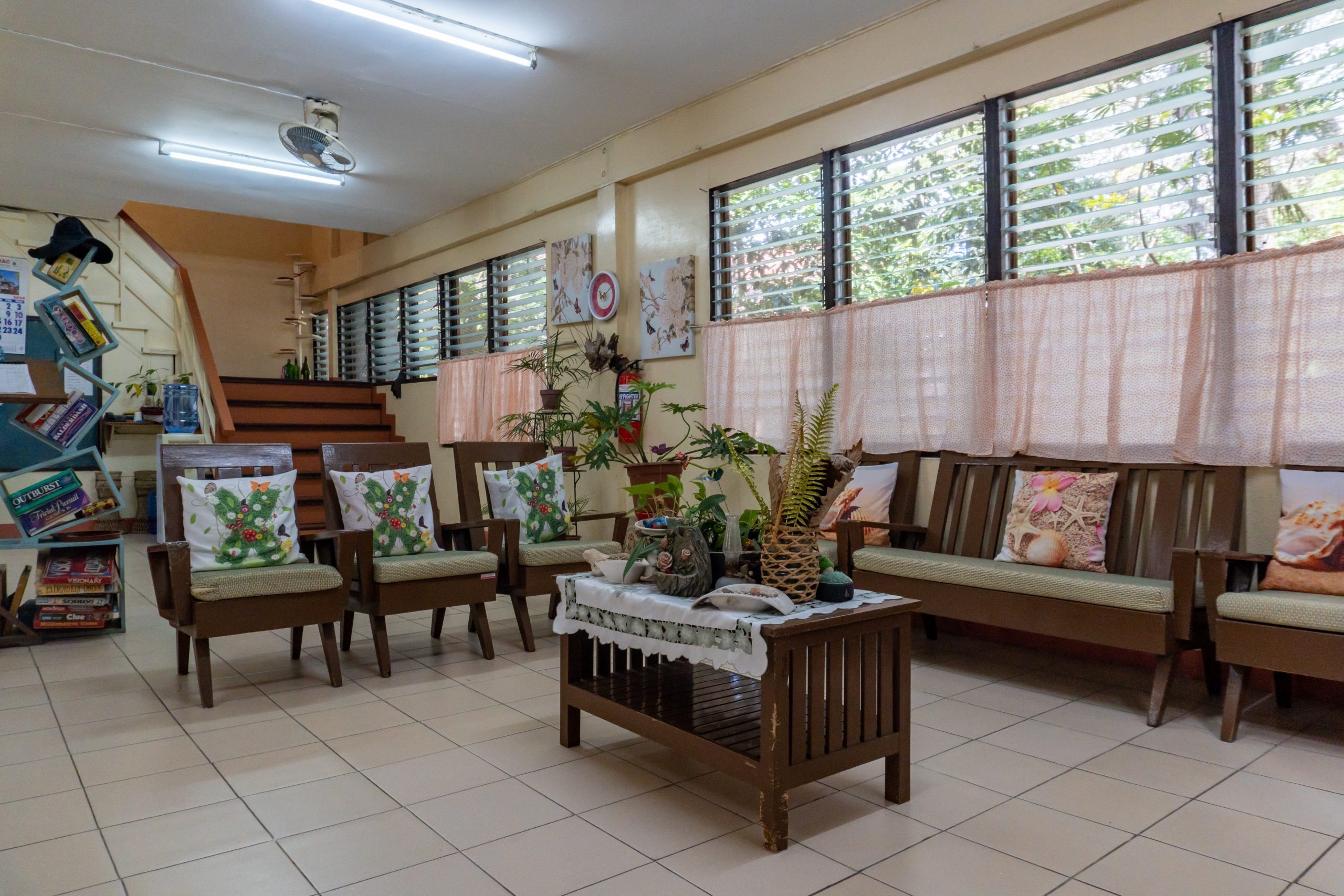
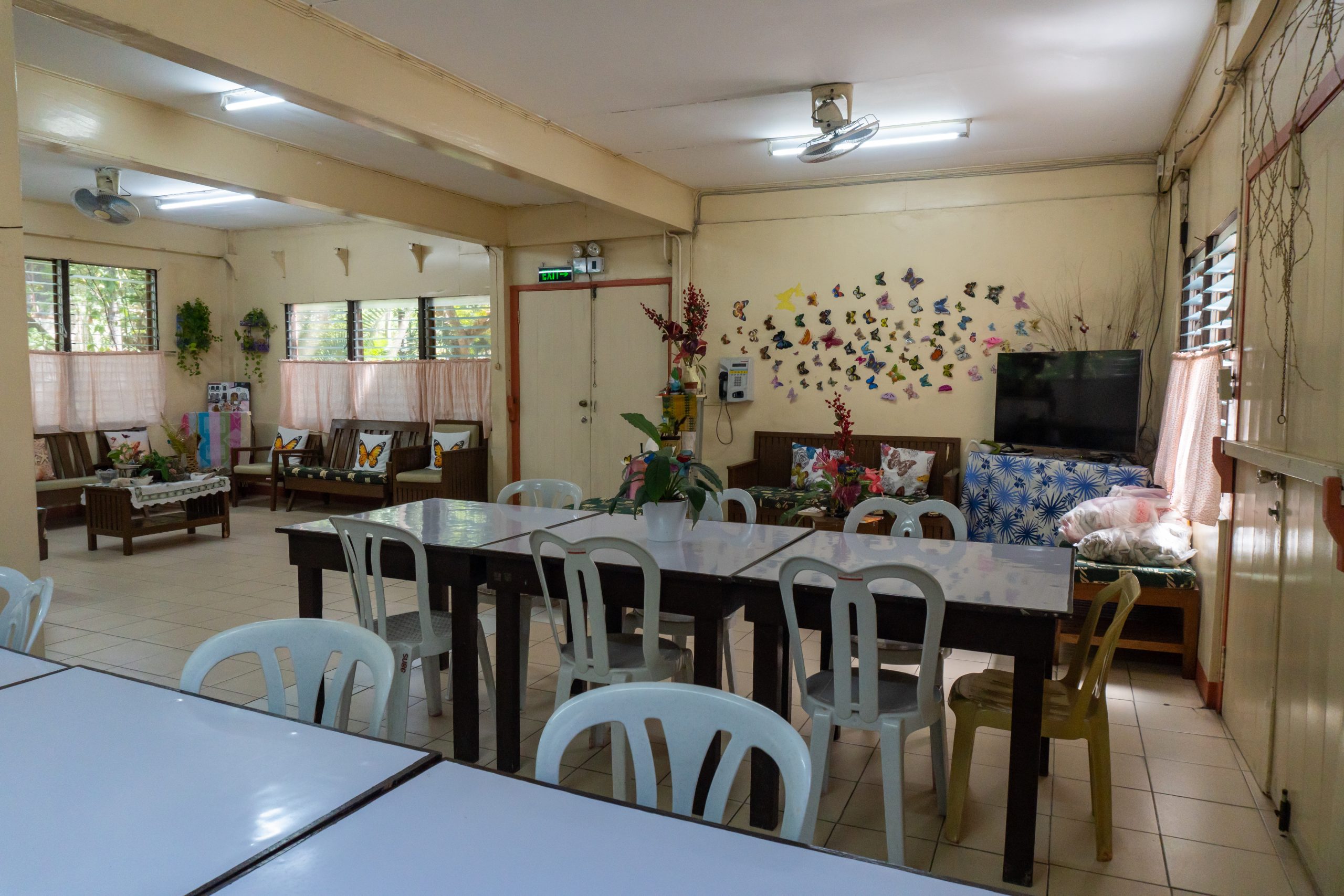
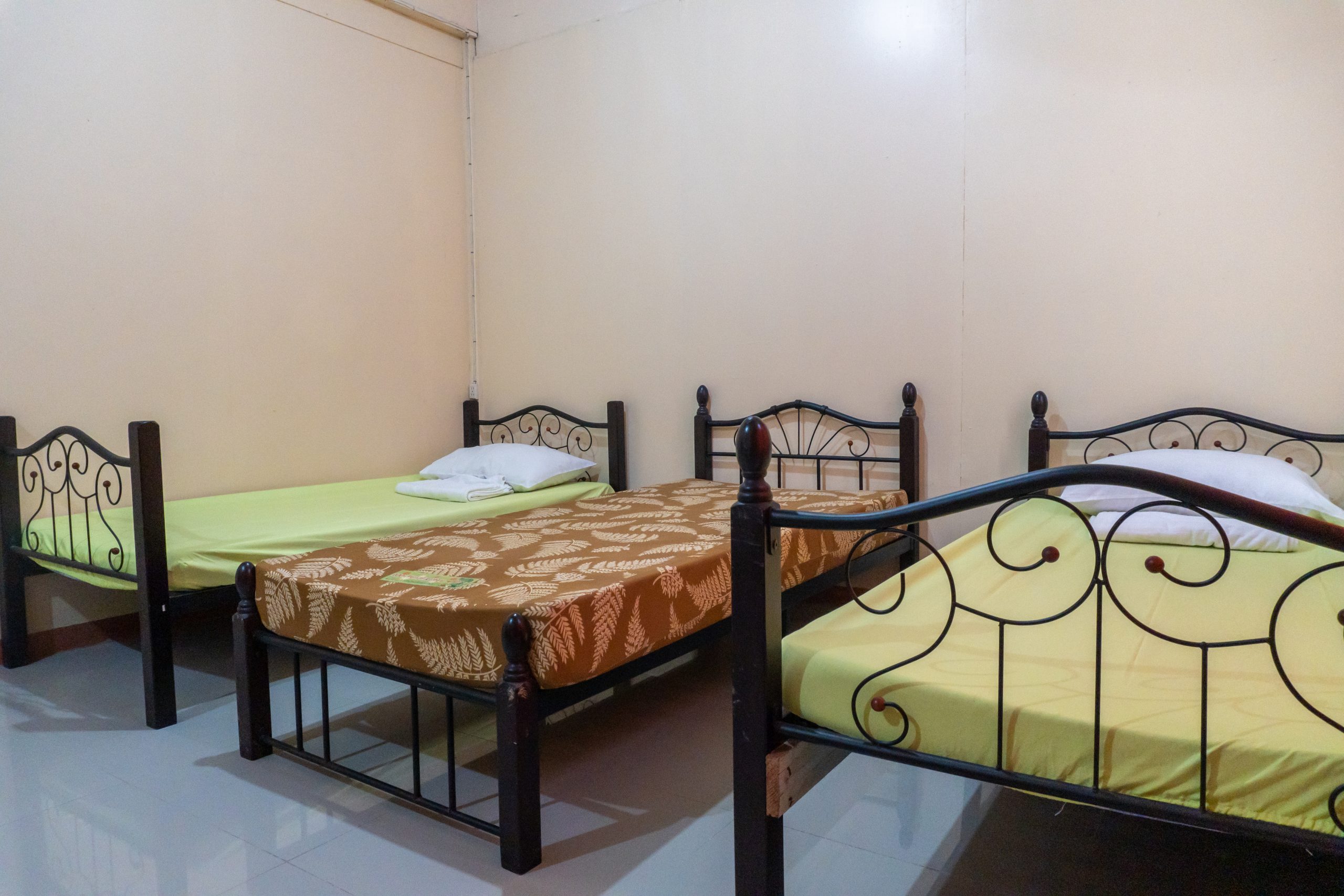
Occidental Hall is a guest dormitory for foreign students on short-term special courses, alumni, friends, or parents, without fixed board.
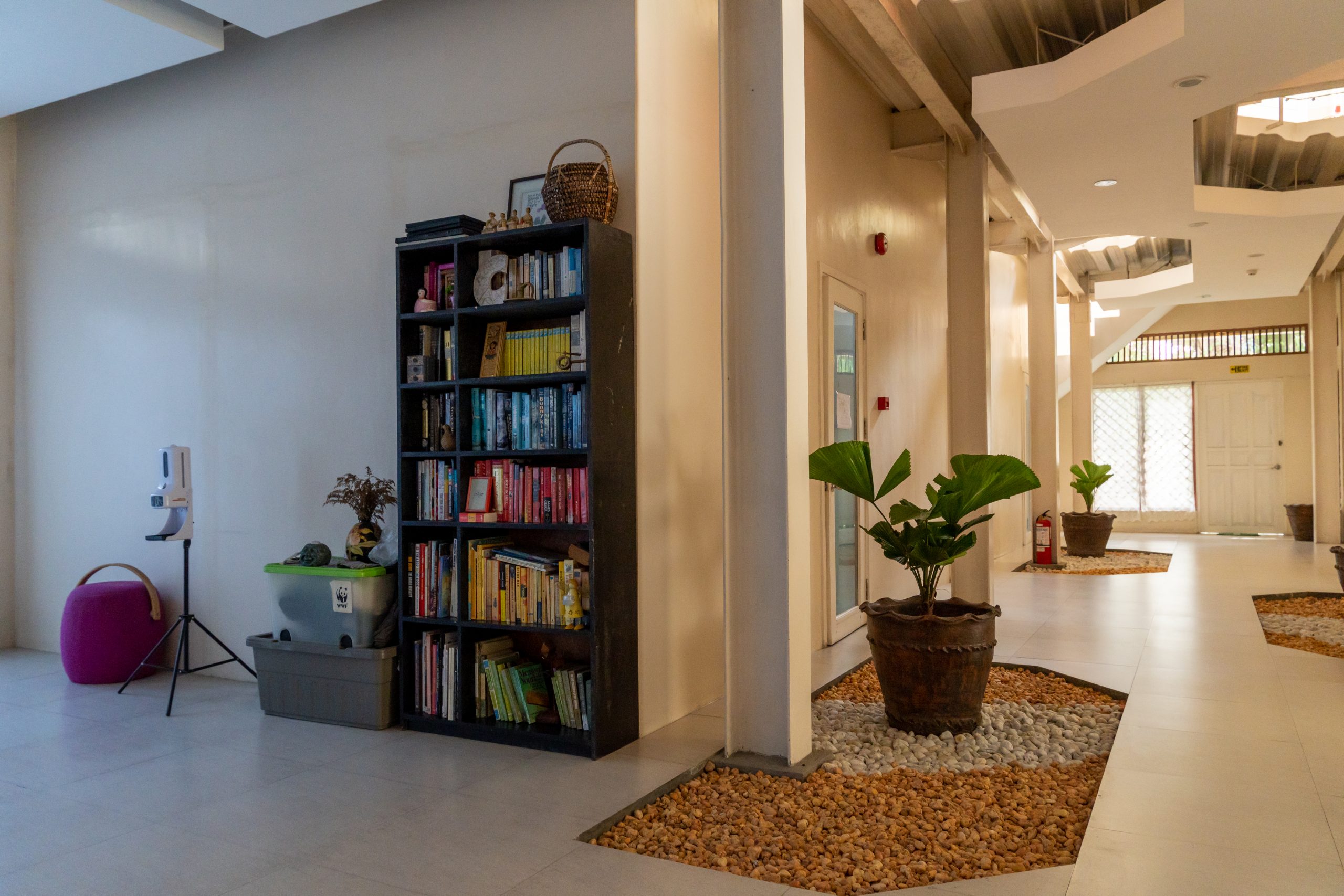
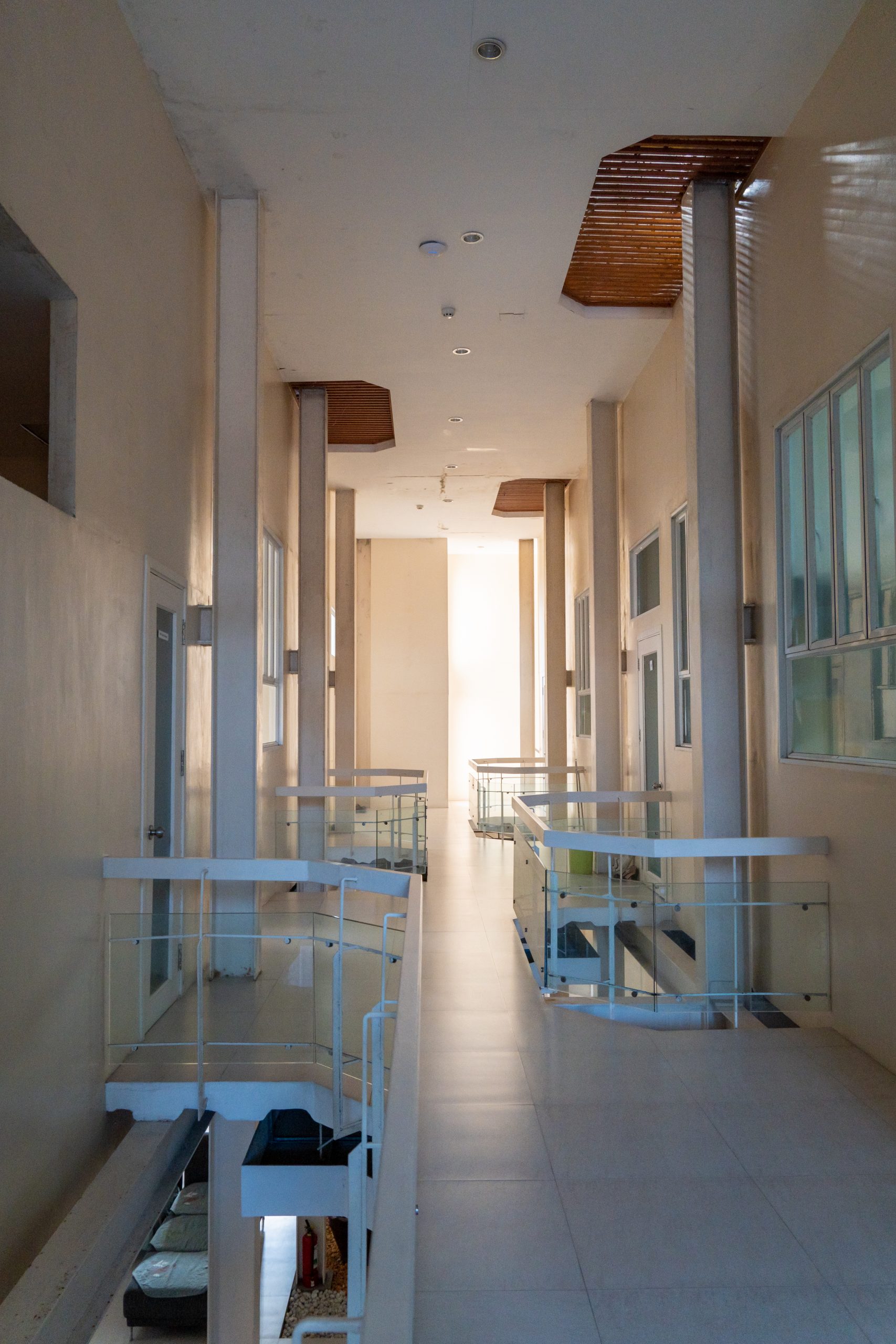
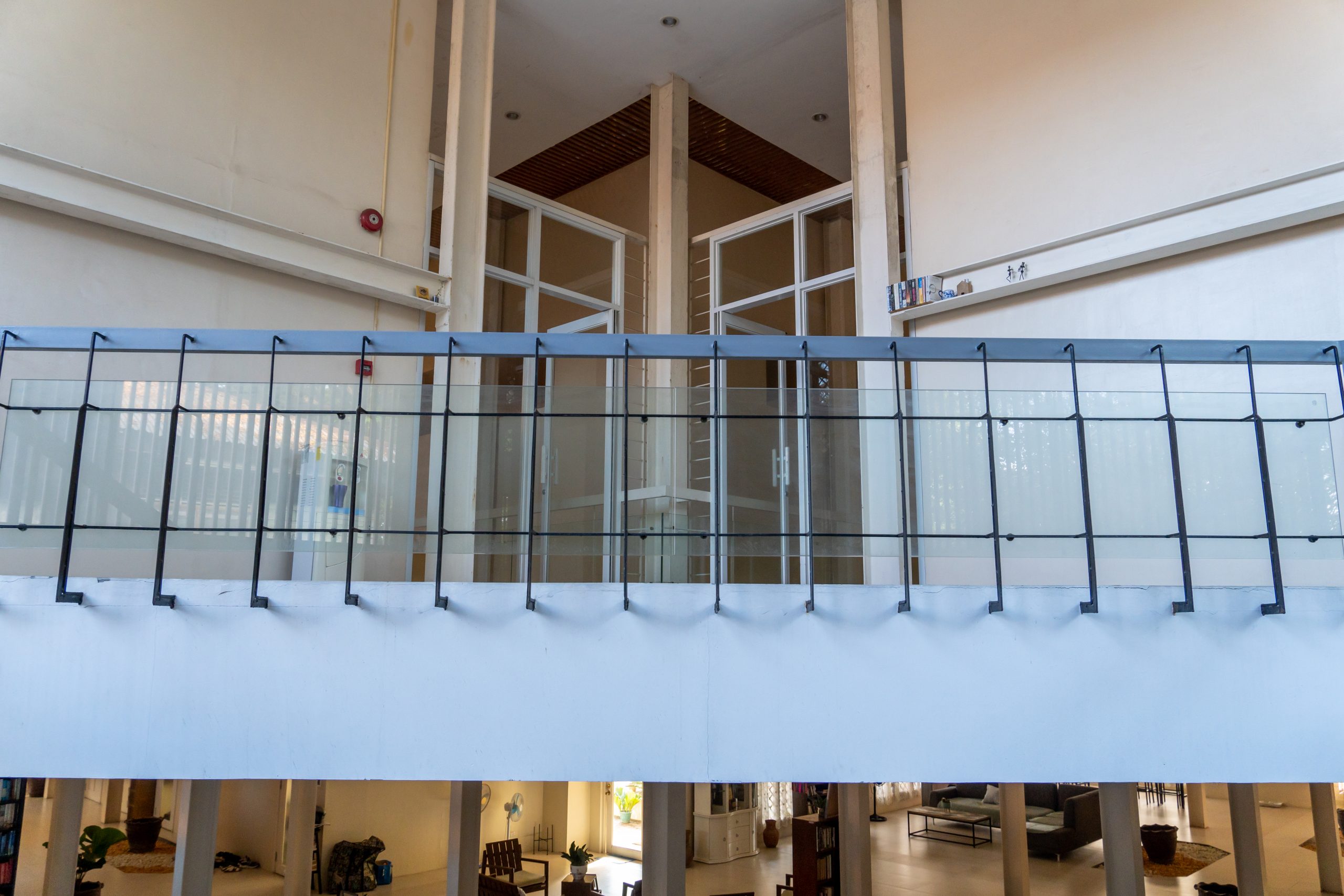
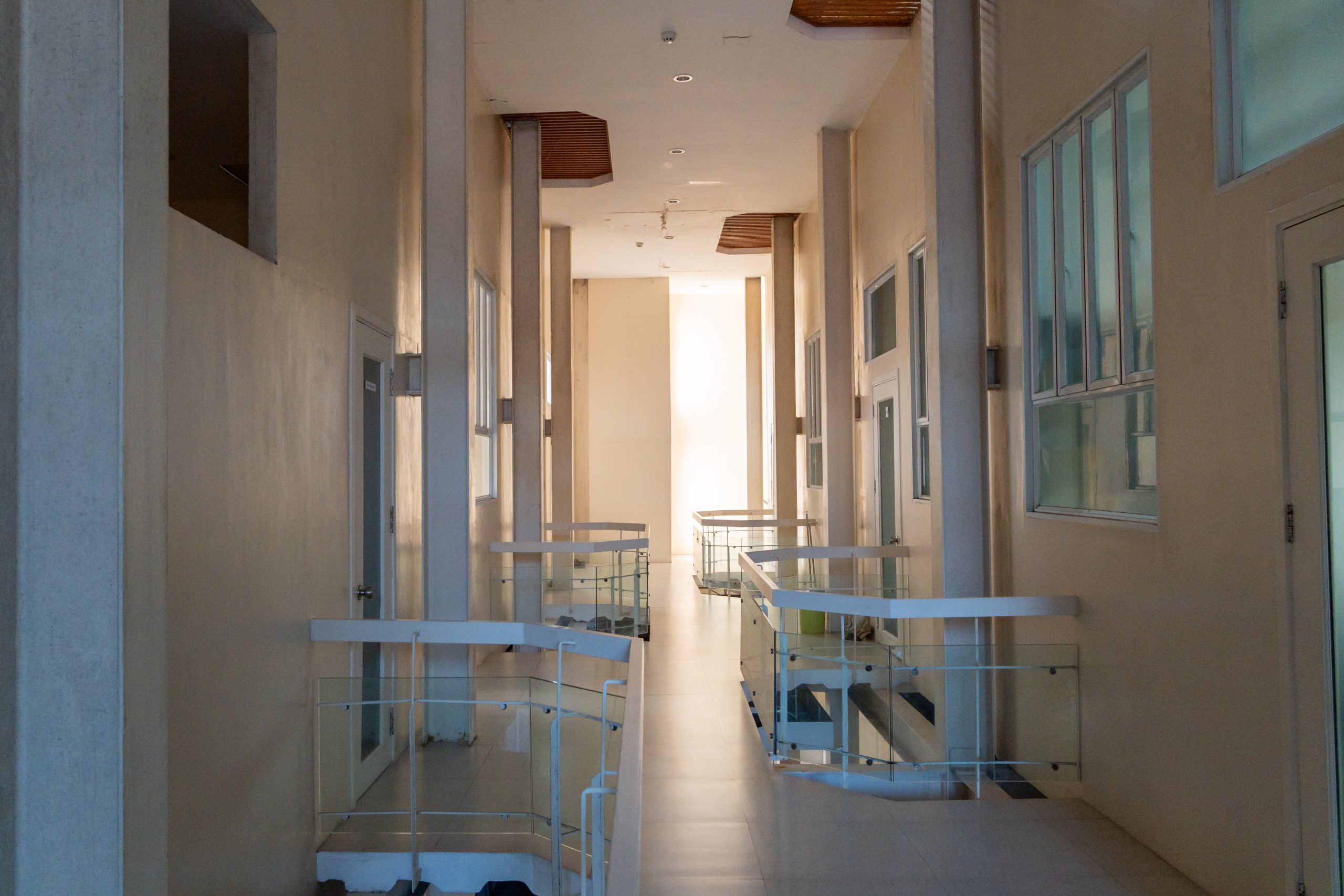
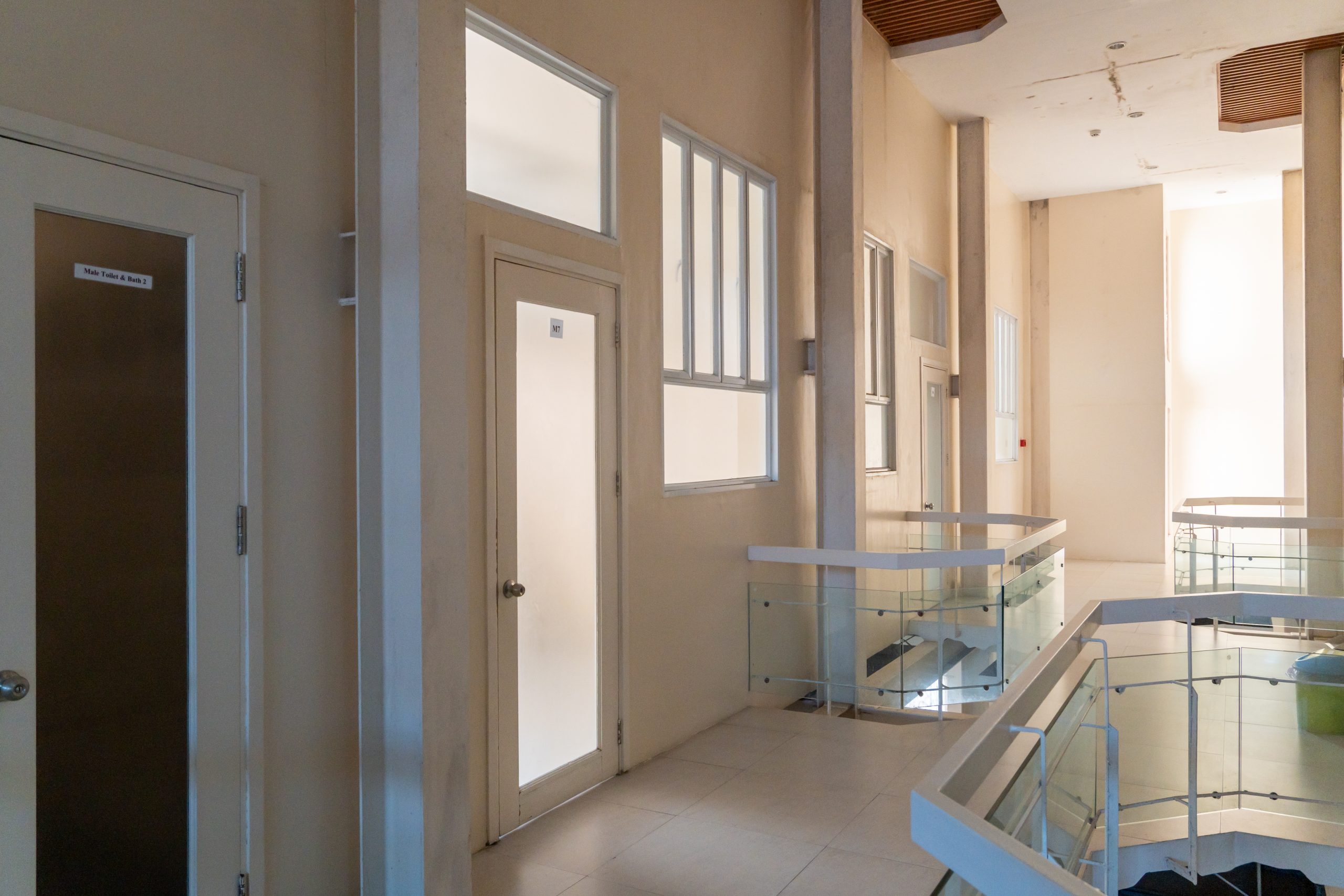
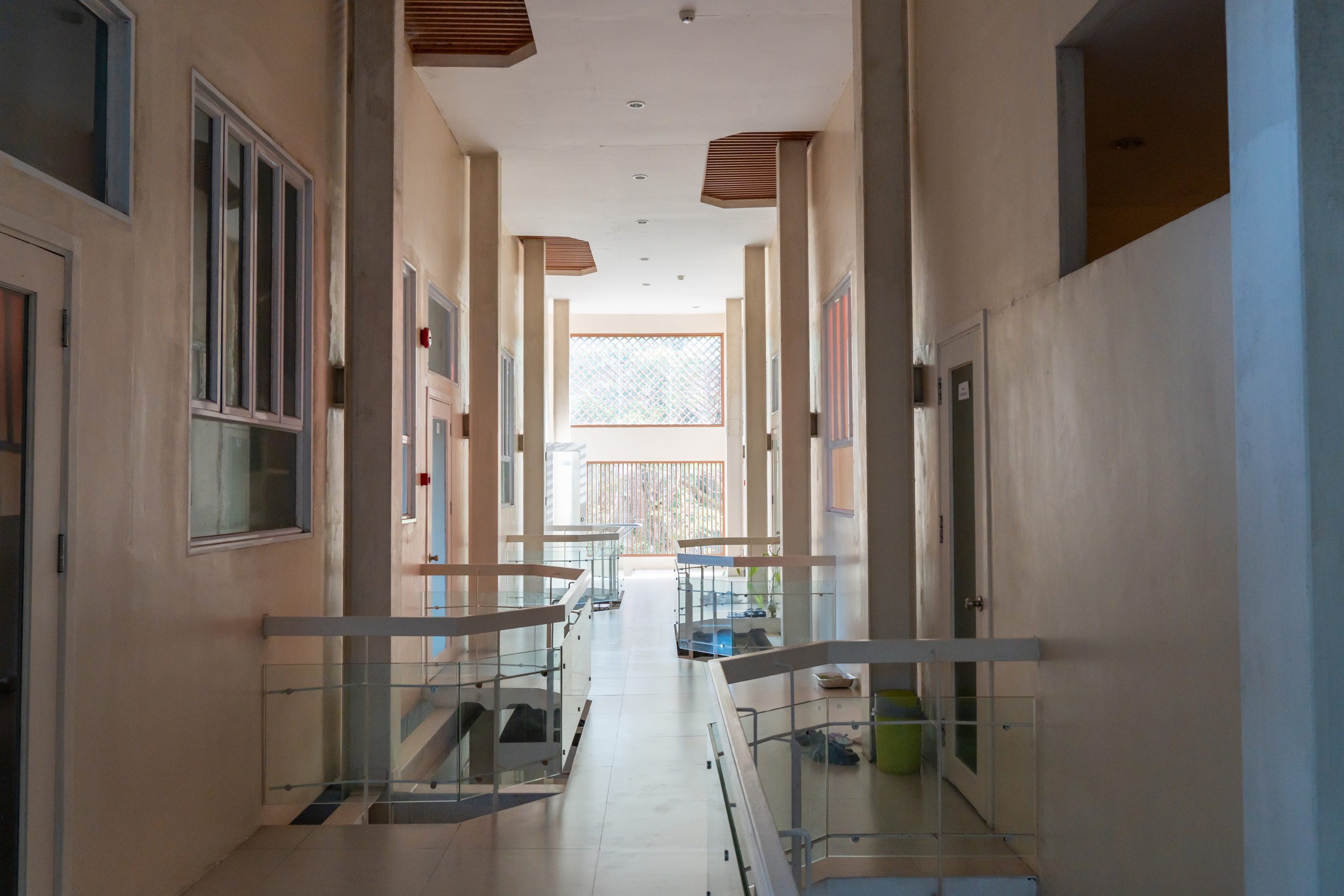
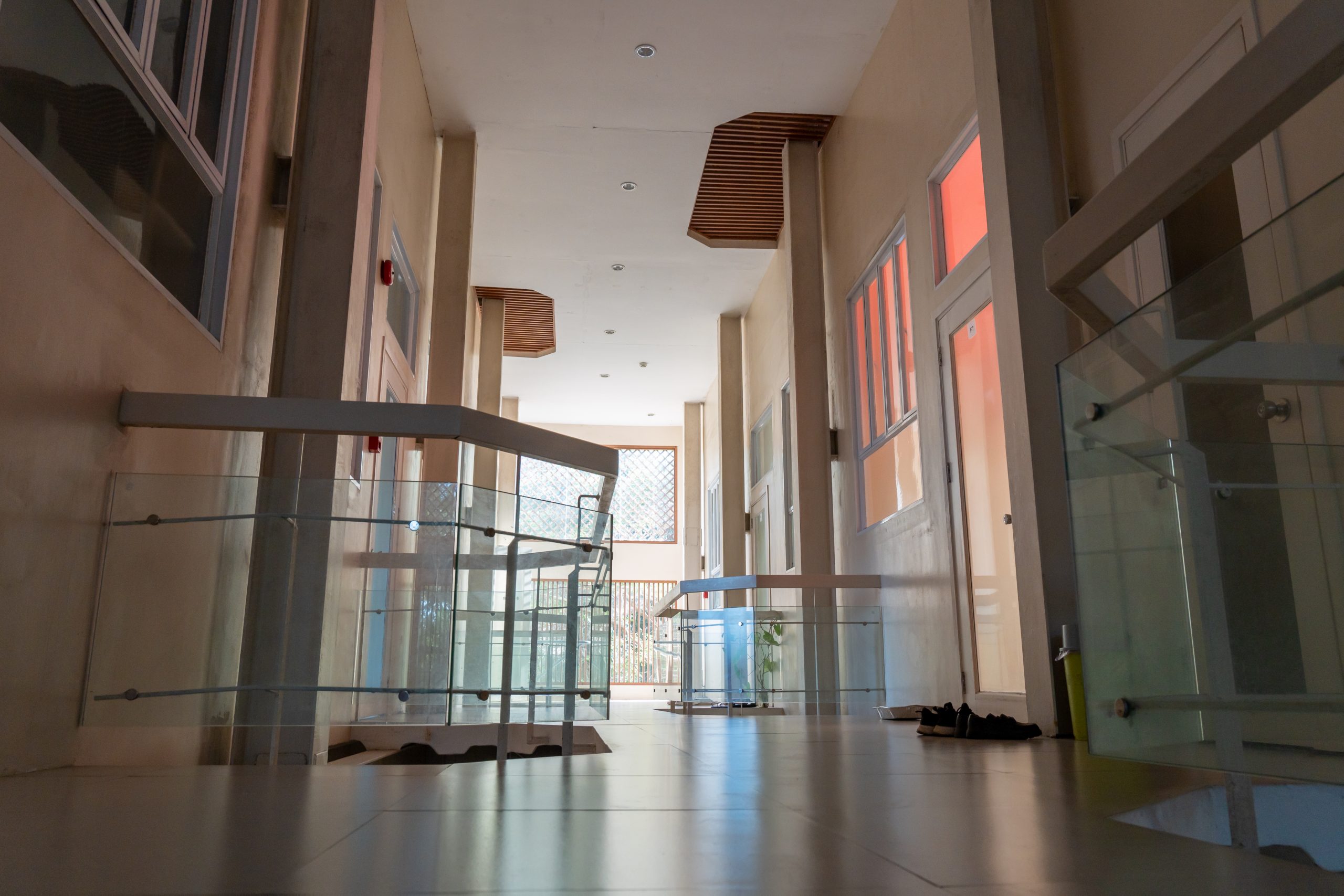
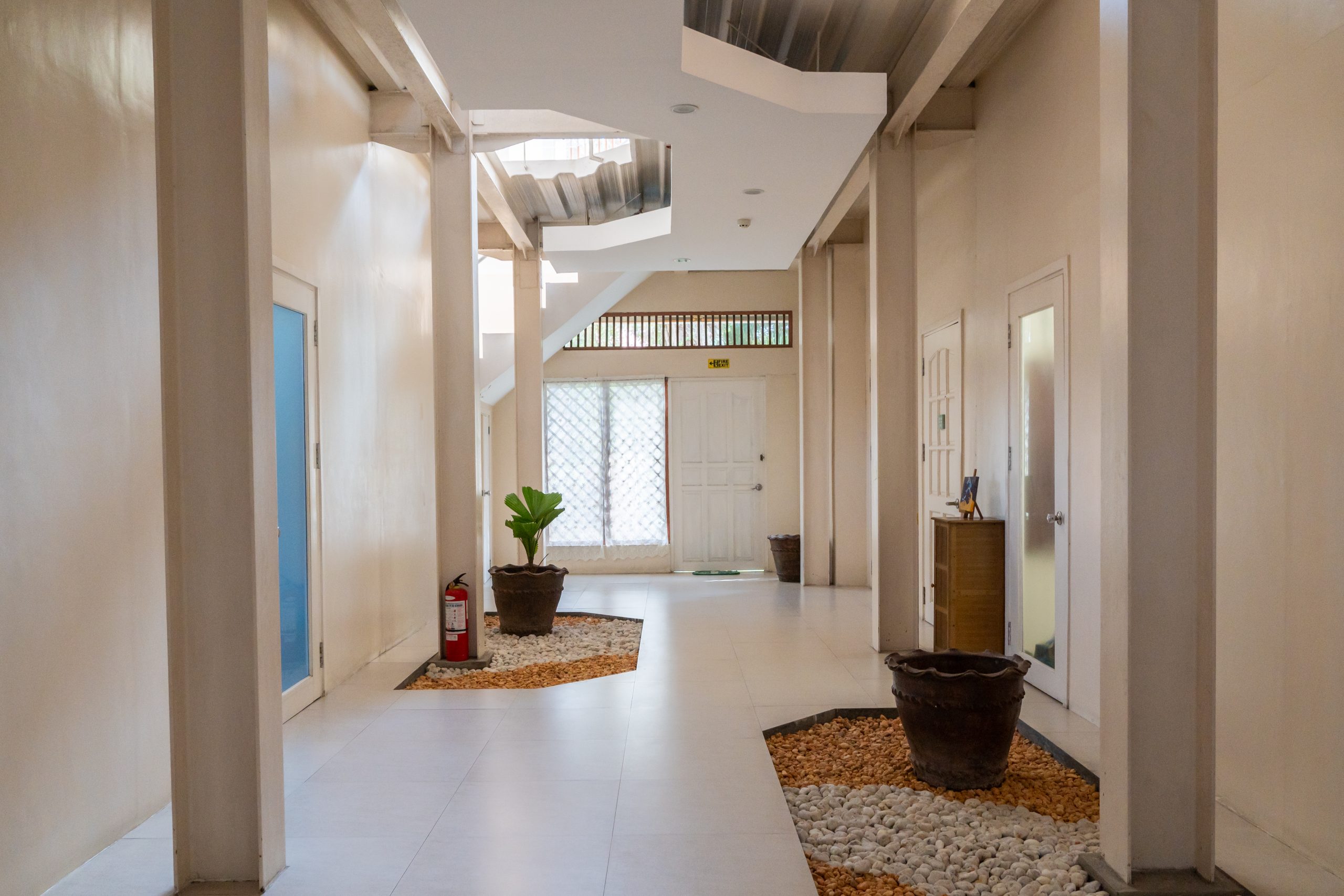
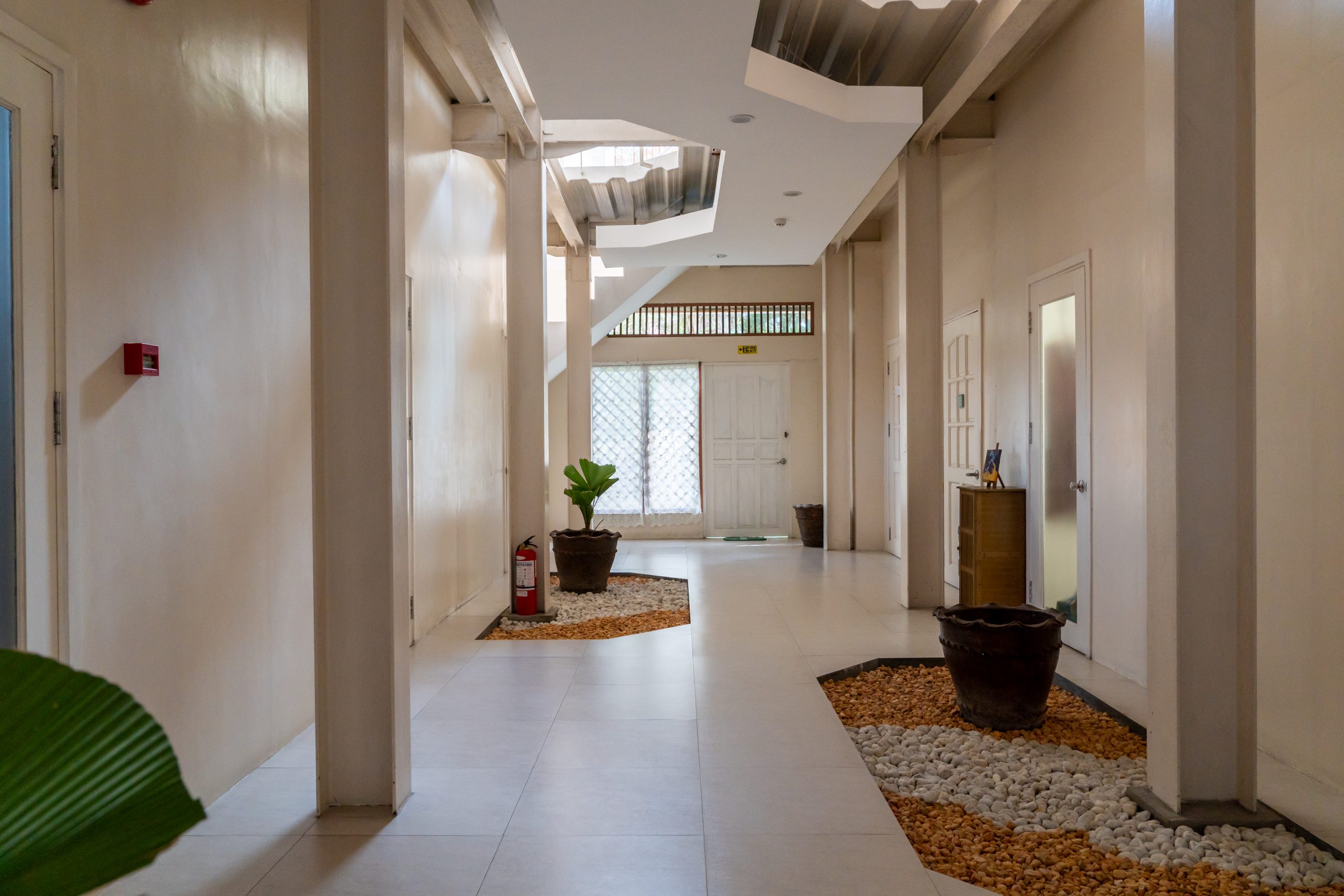
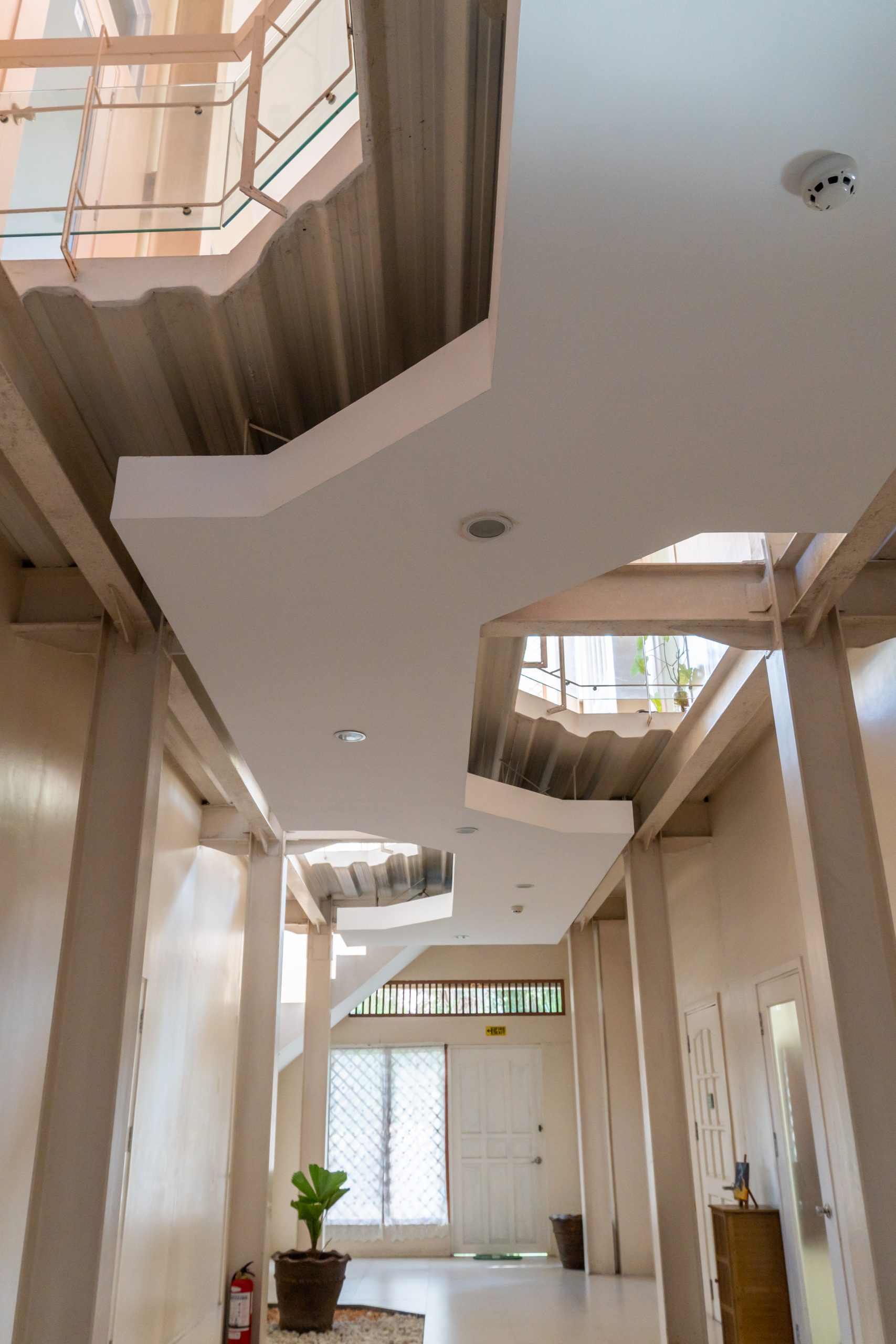
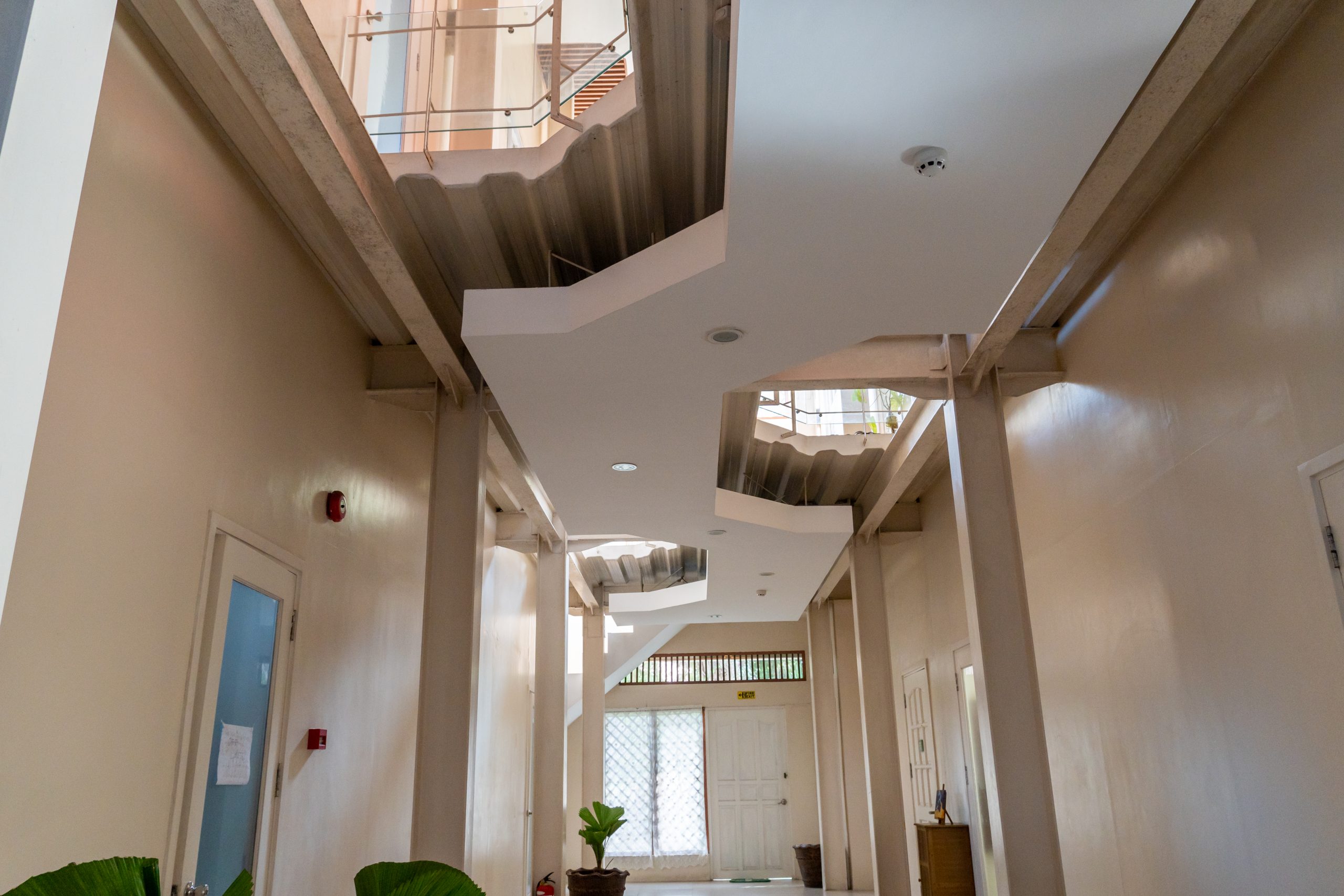
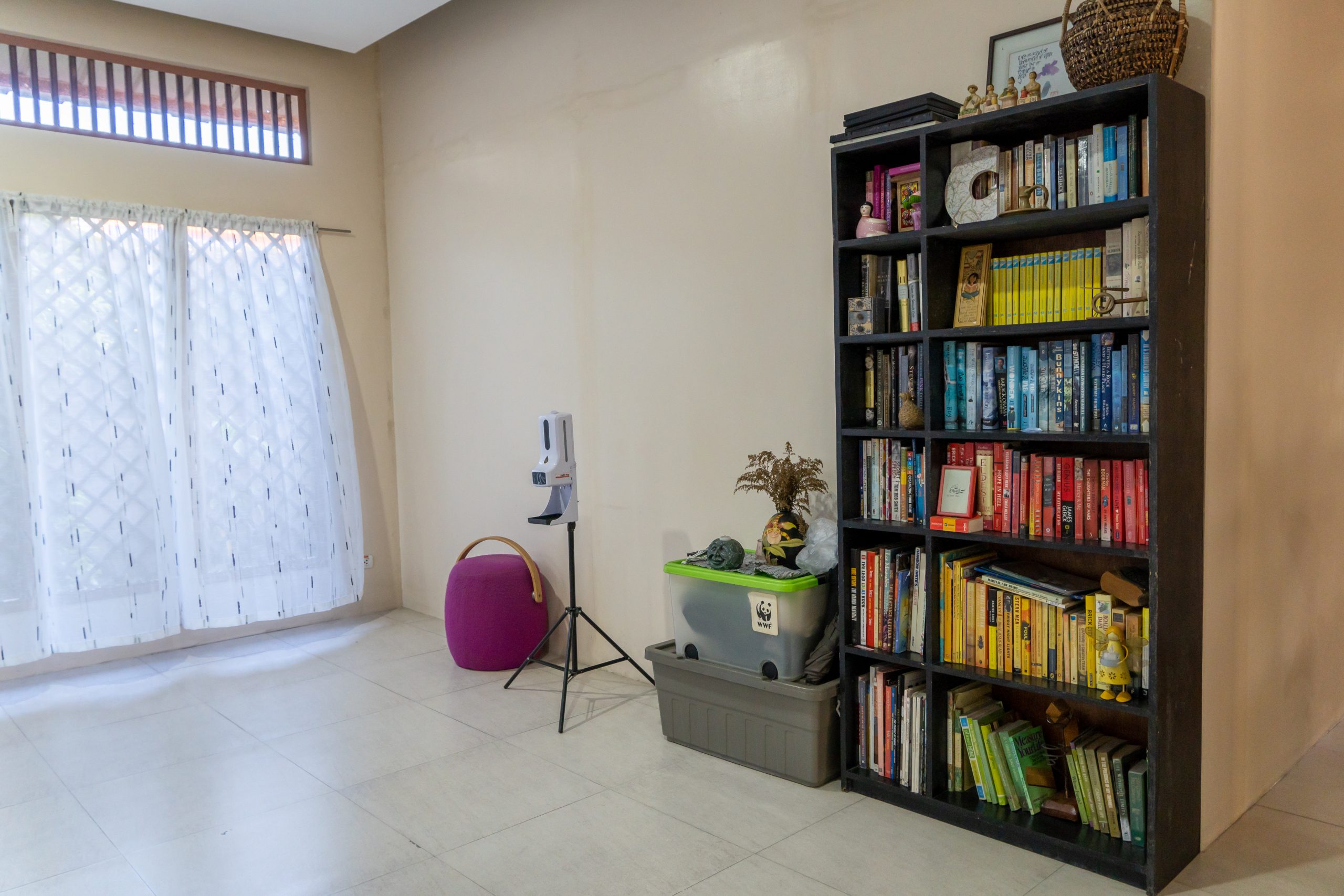
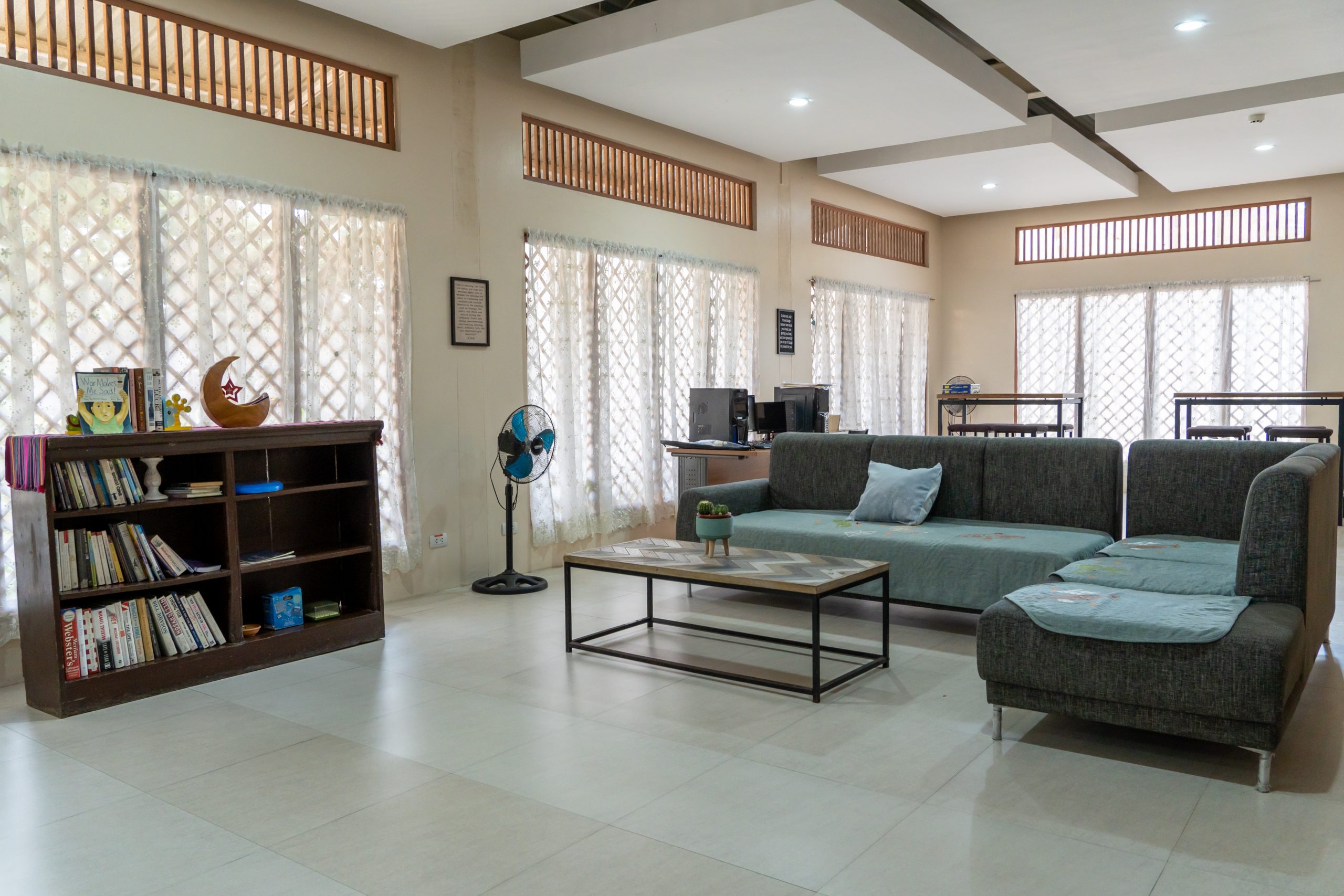
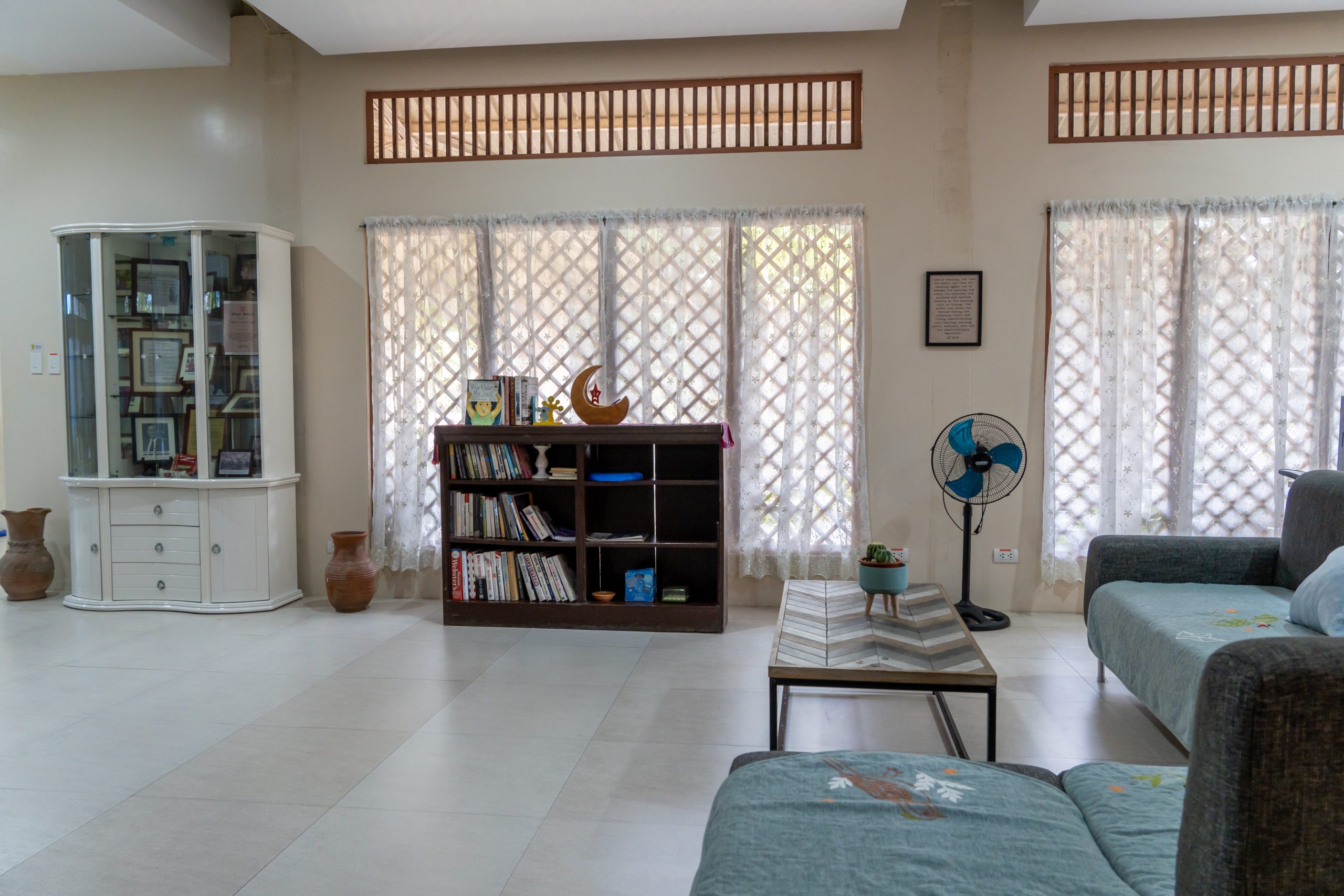
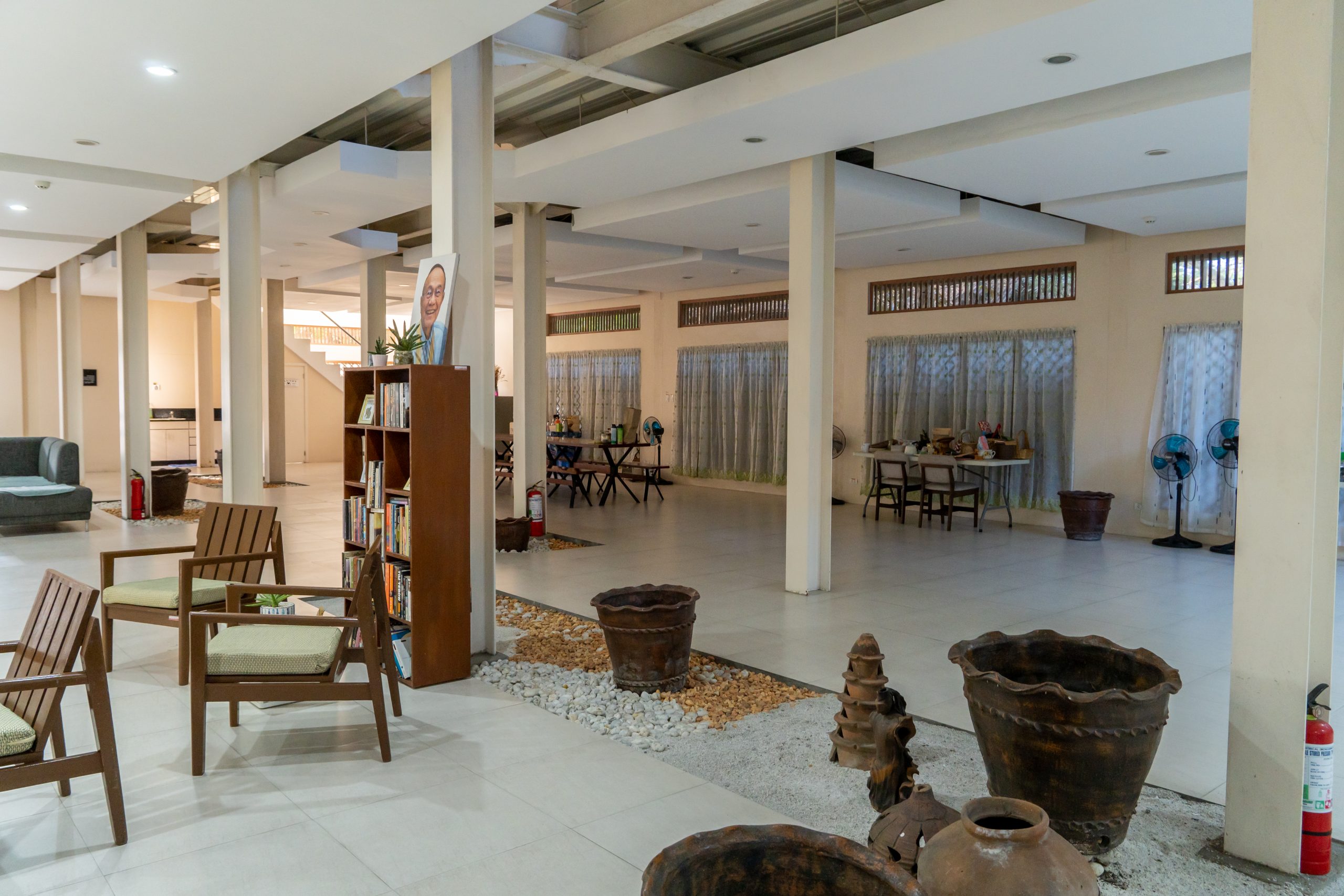
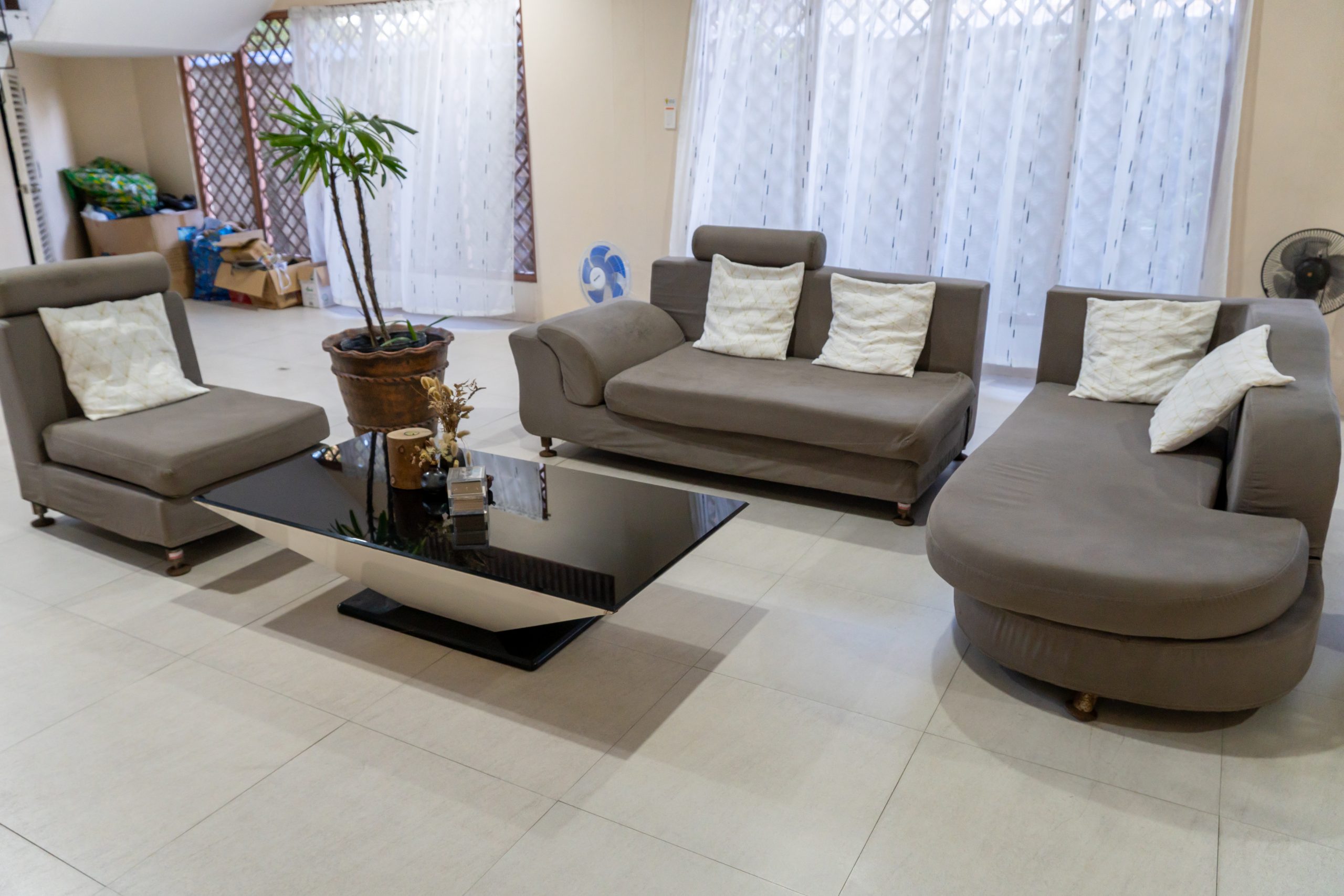
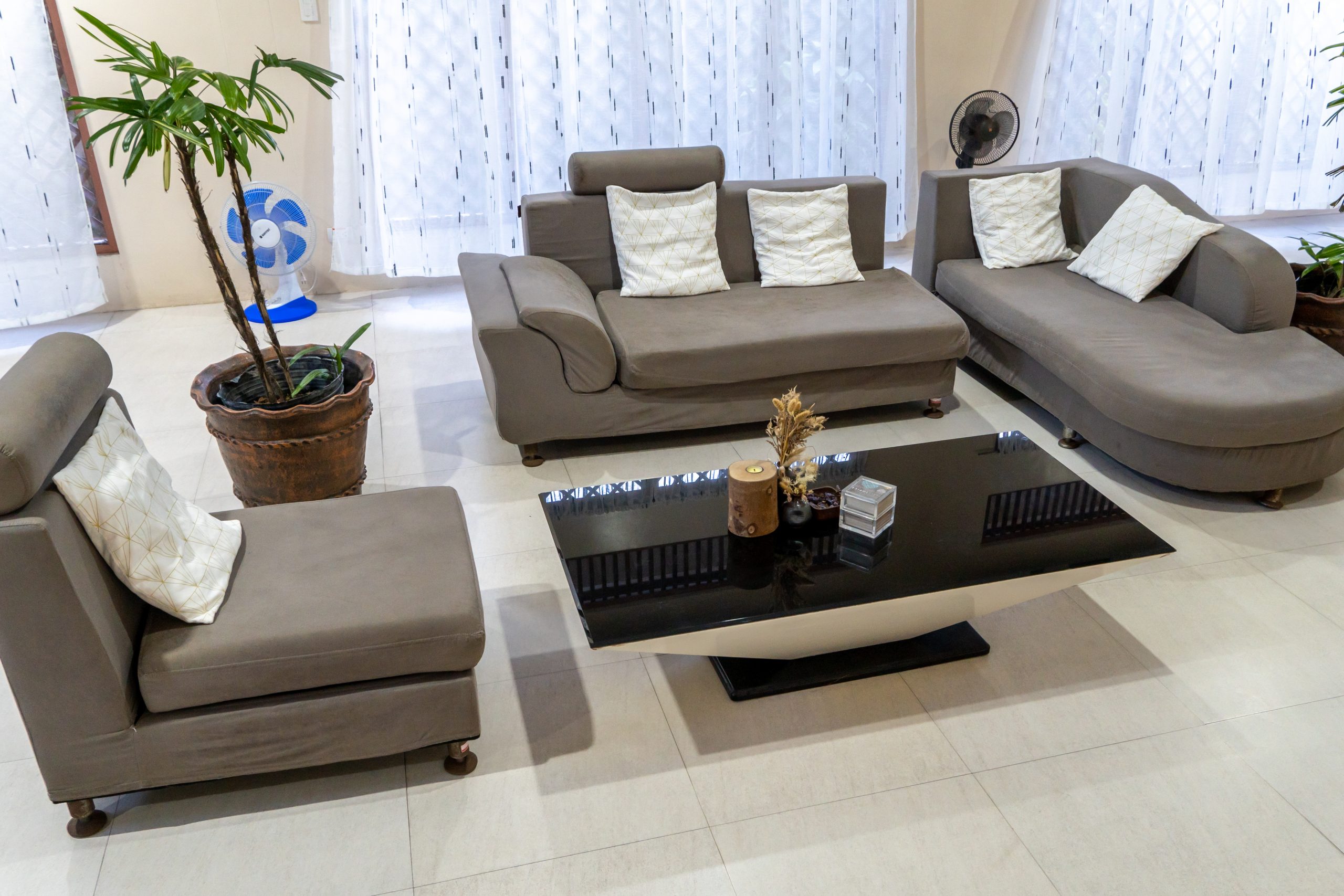
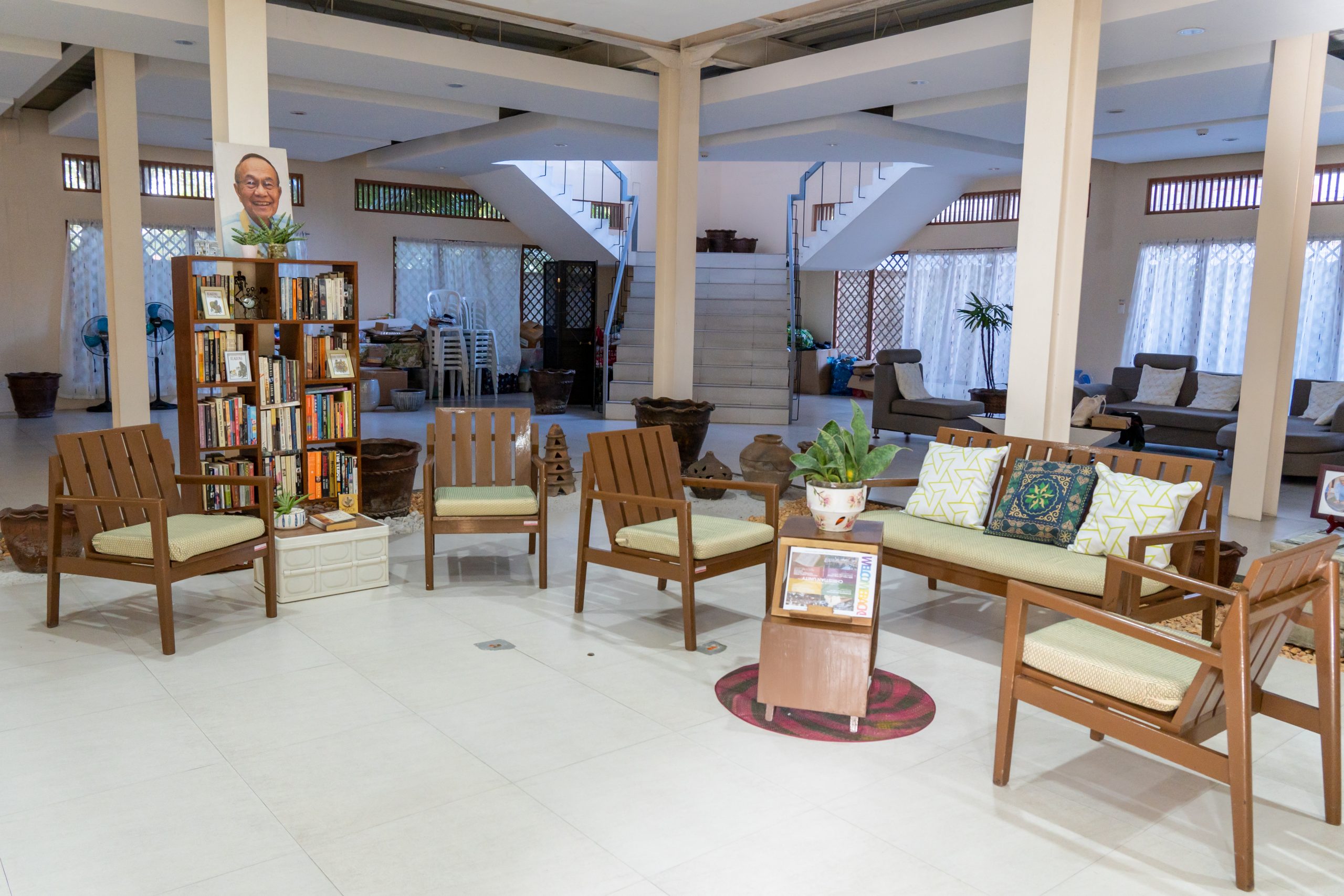
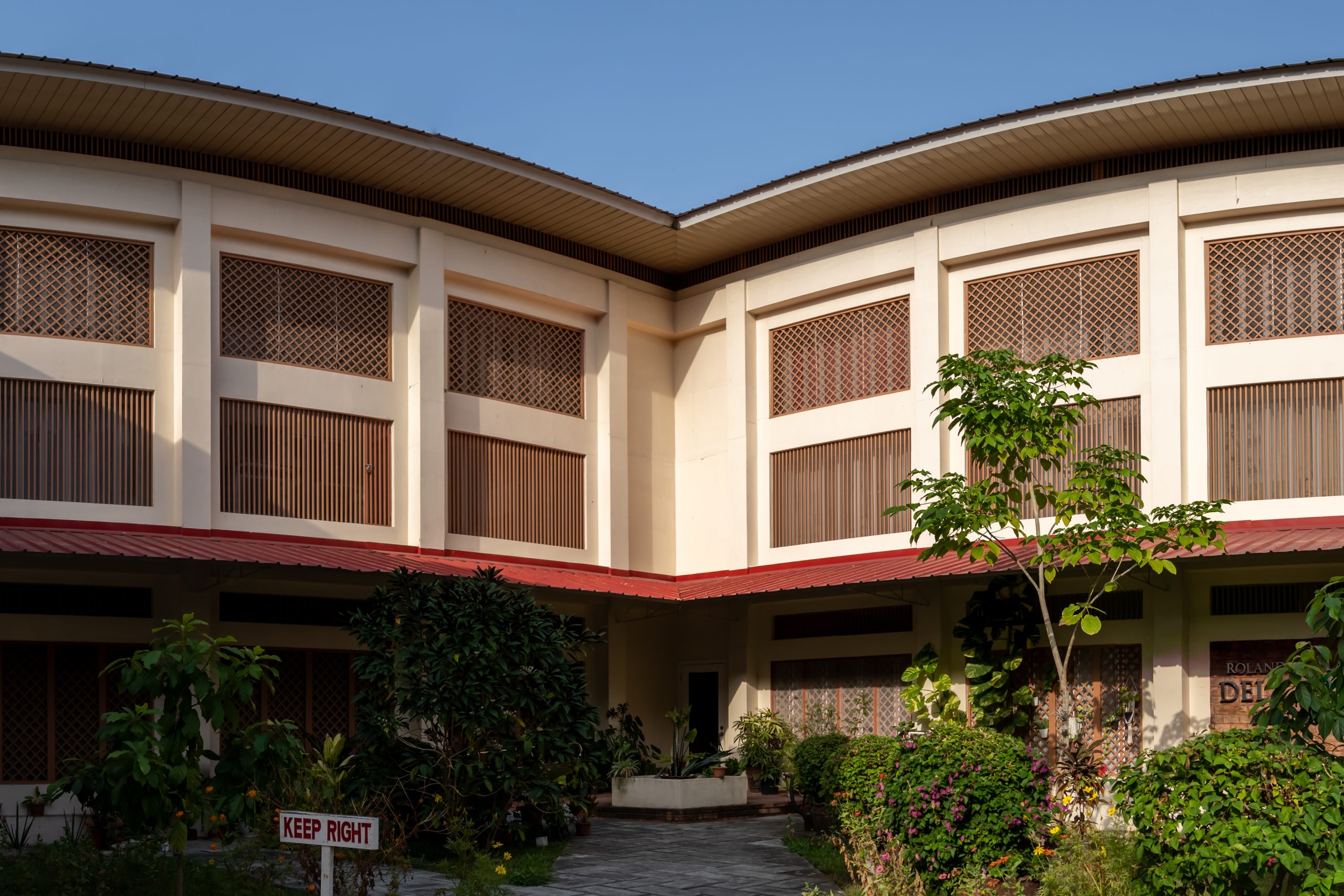
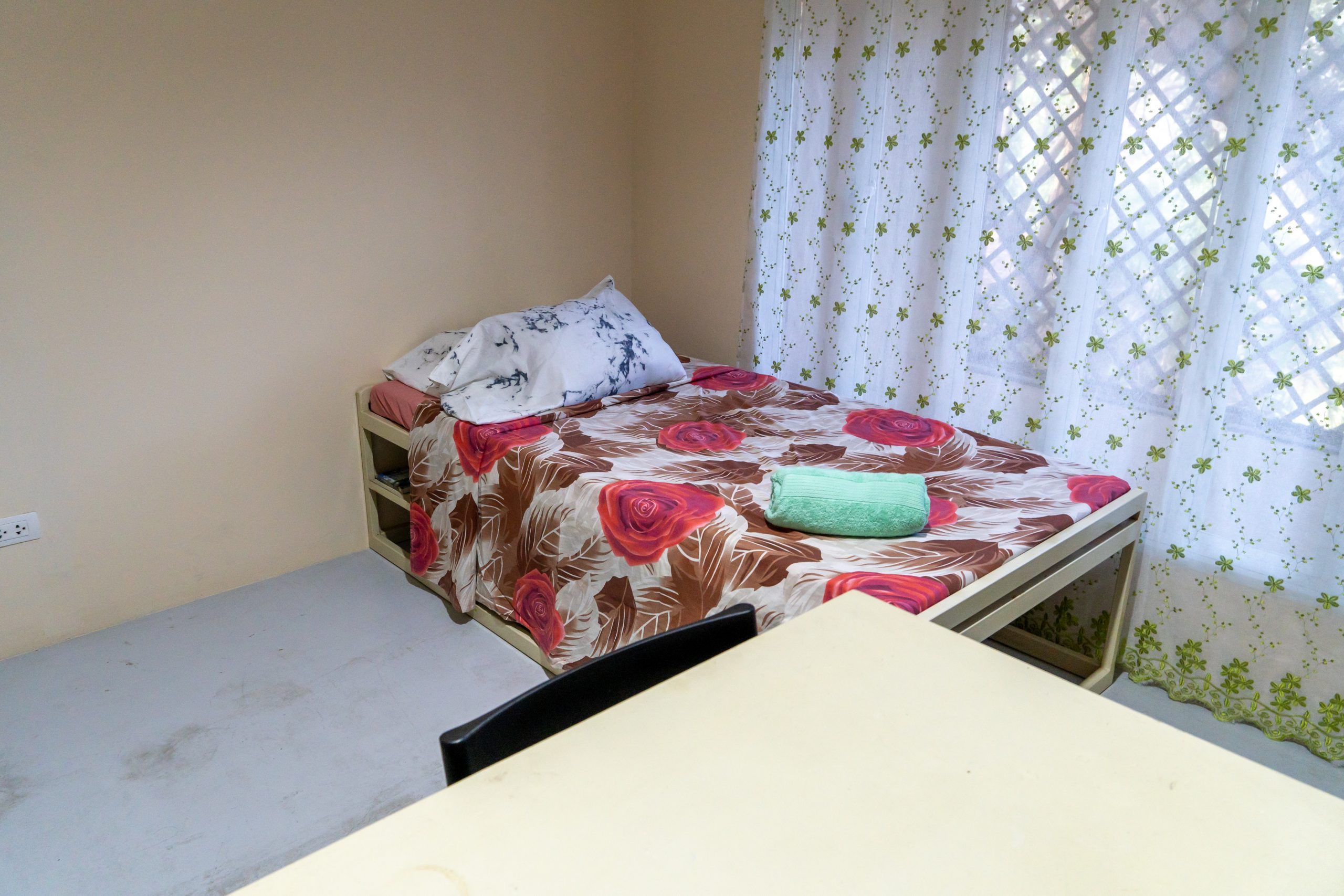
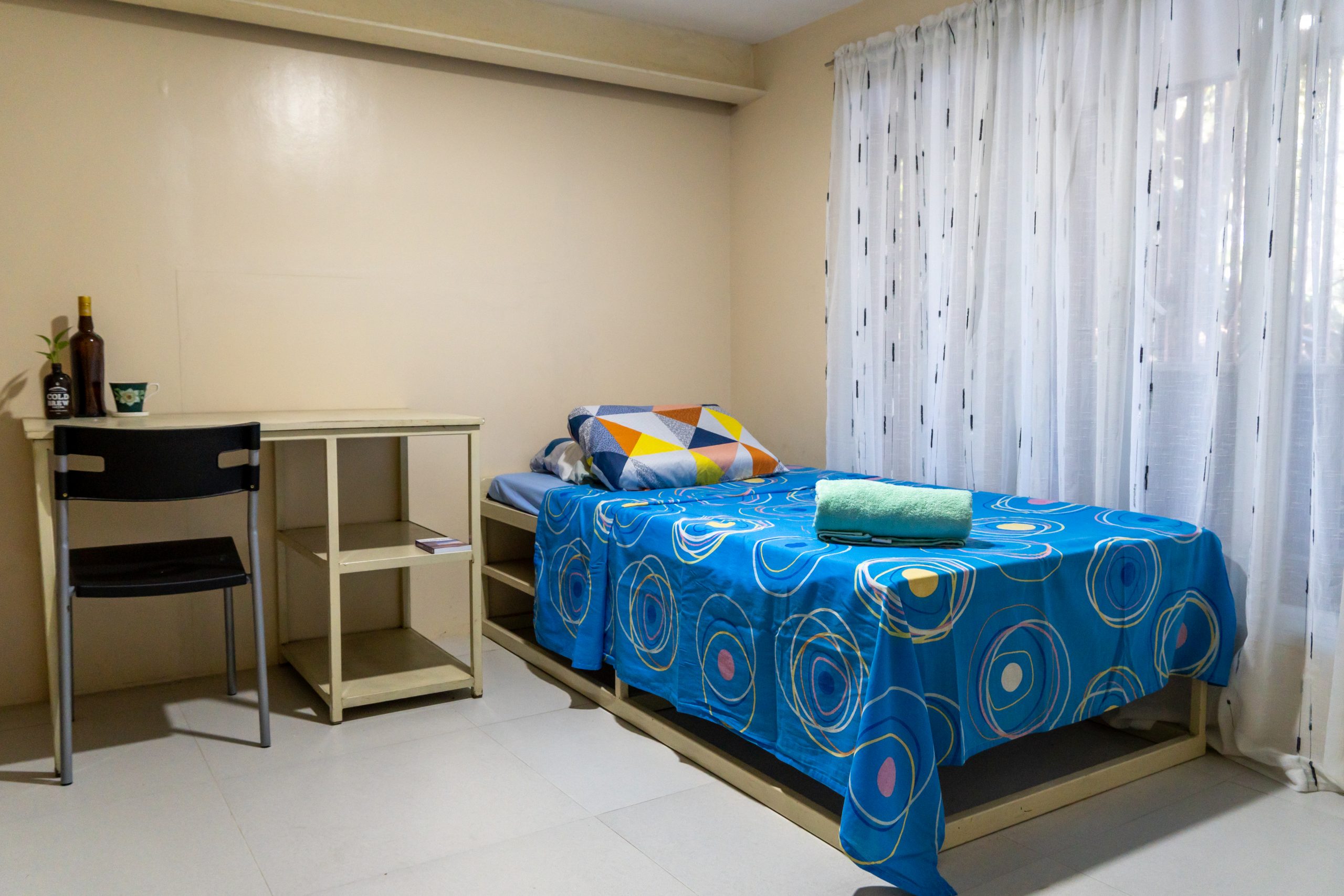
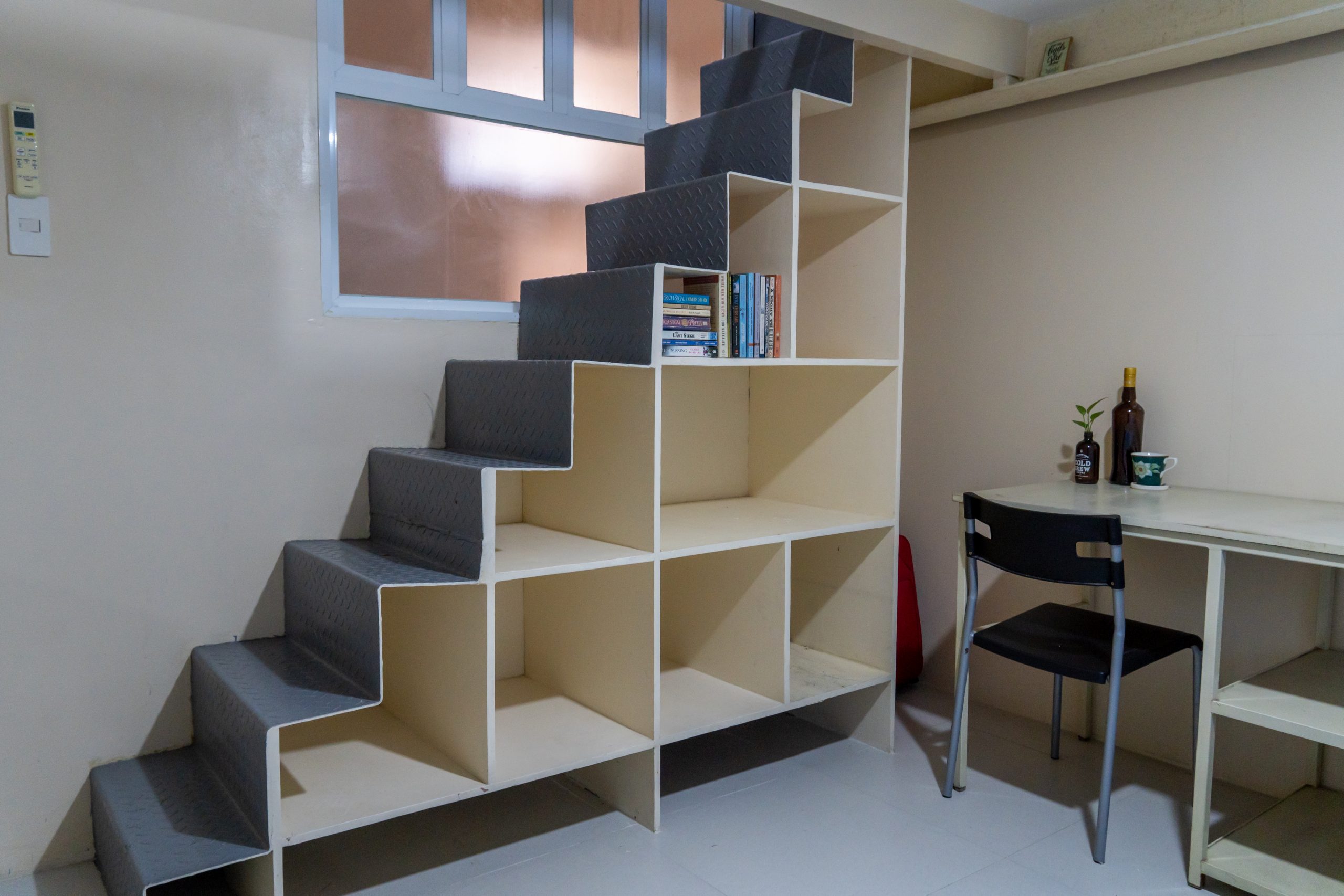
Rolando V. Del Carmen (RVDC) Honor Hall is a dormitory designed for Rolando V. Del Carmen scholars and other honor students. It is managed by a selected regular faculty, staff, or bona fide graduate student of the University.
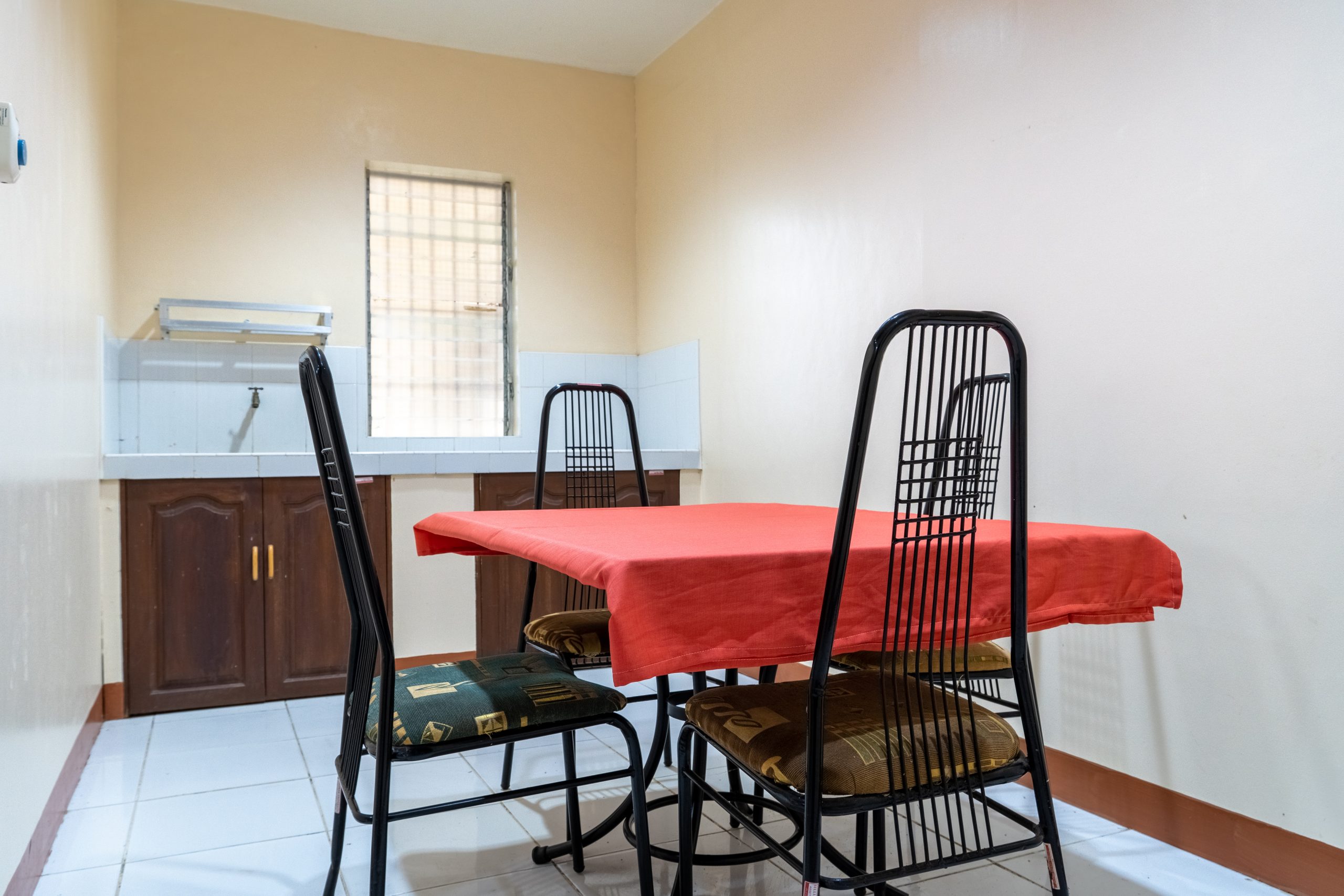
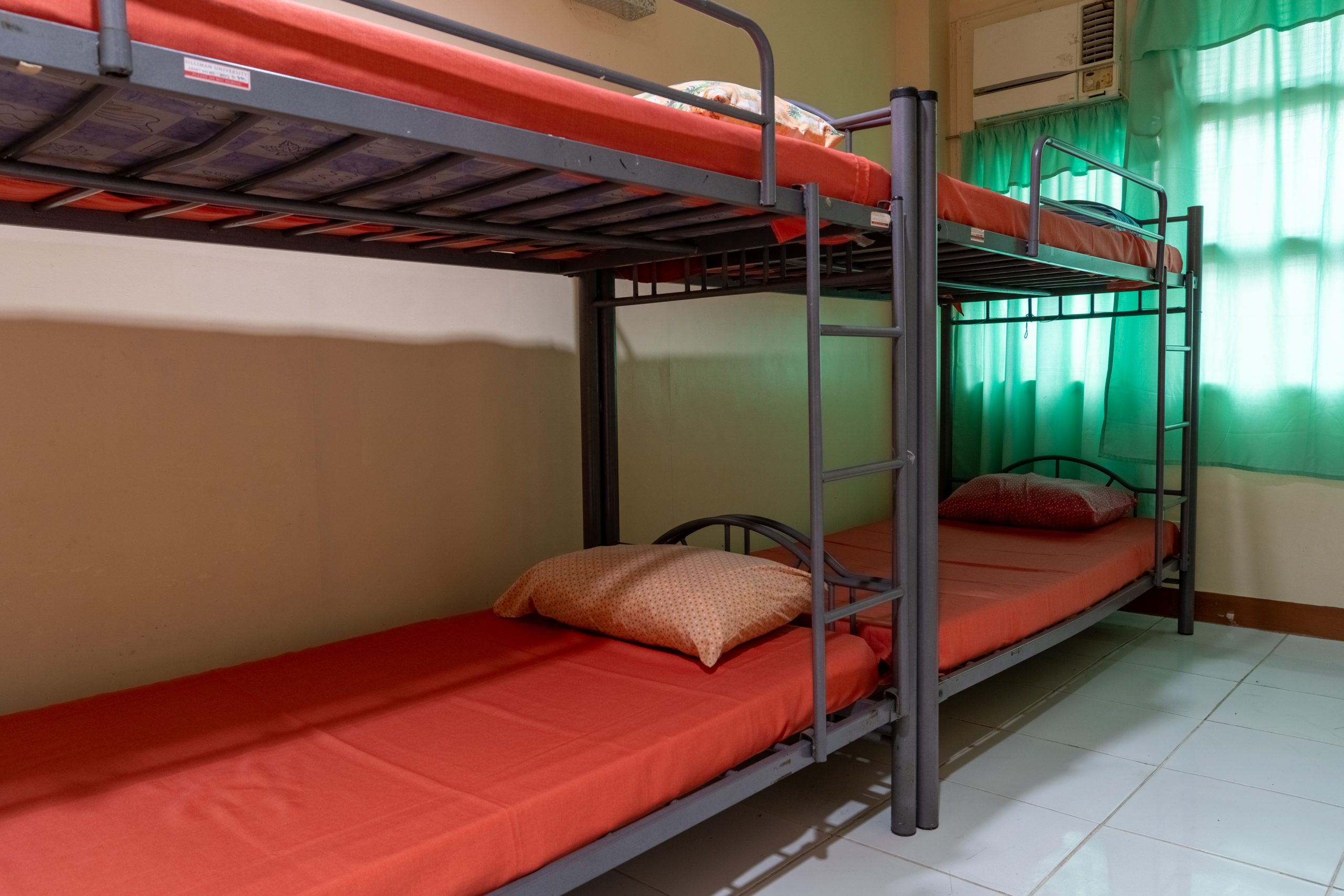
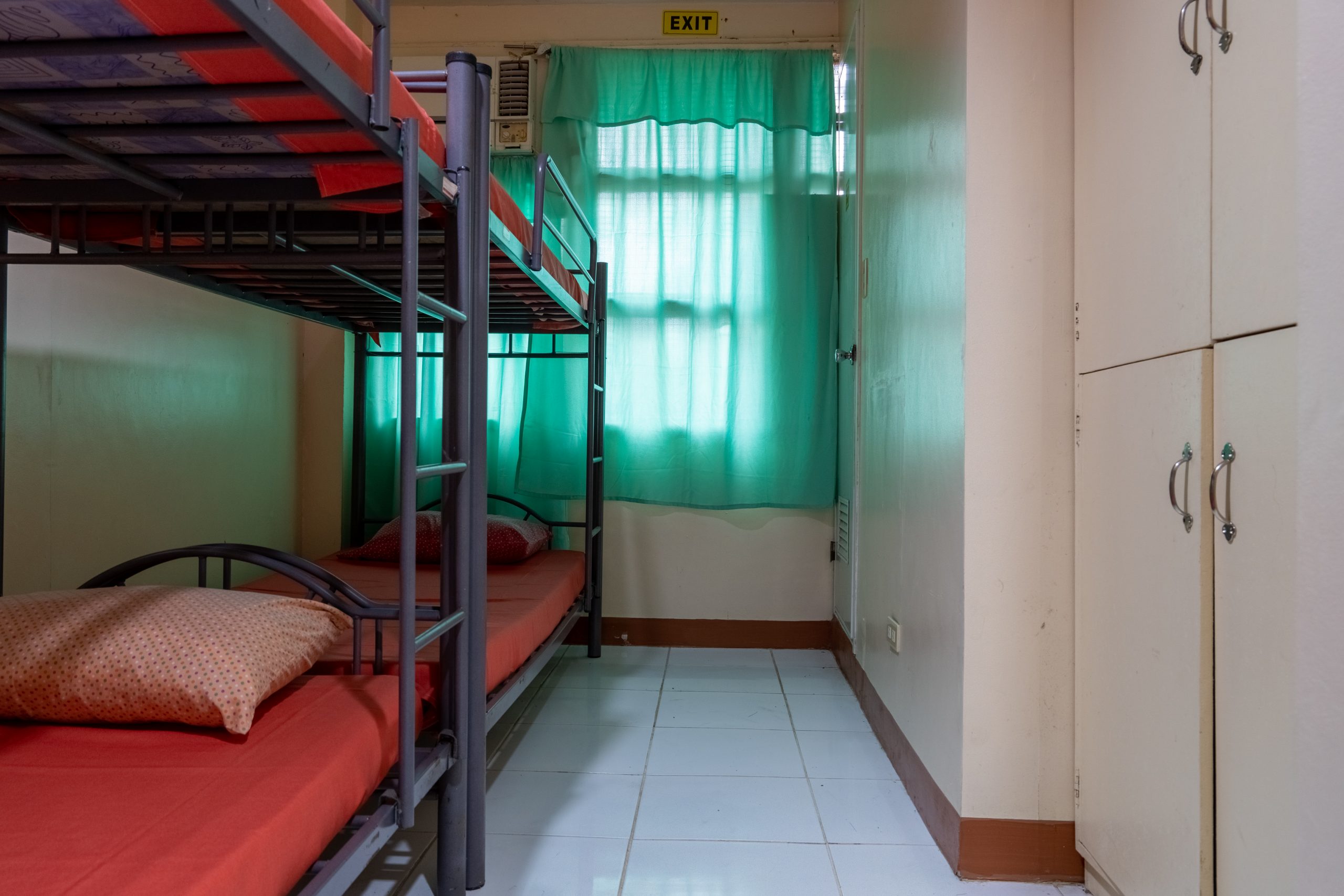

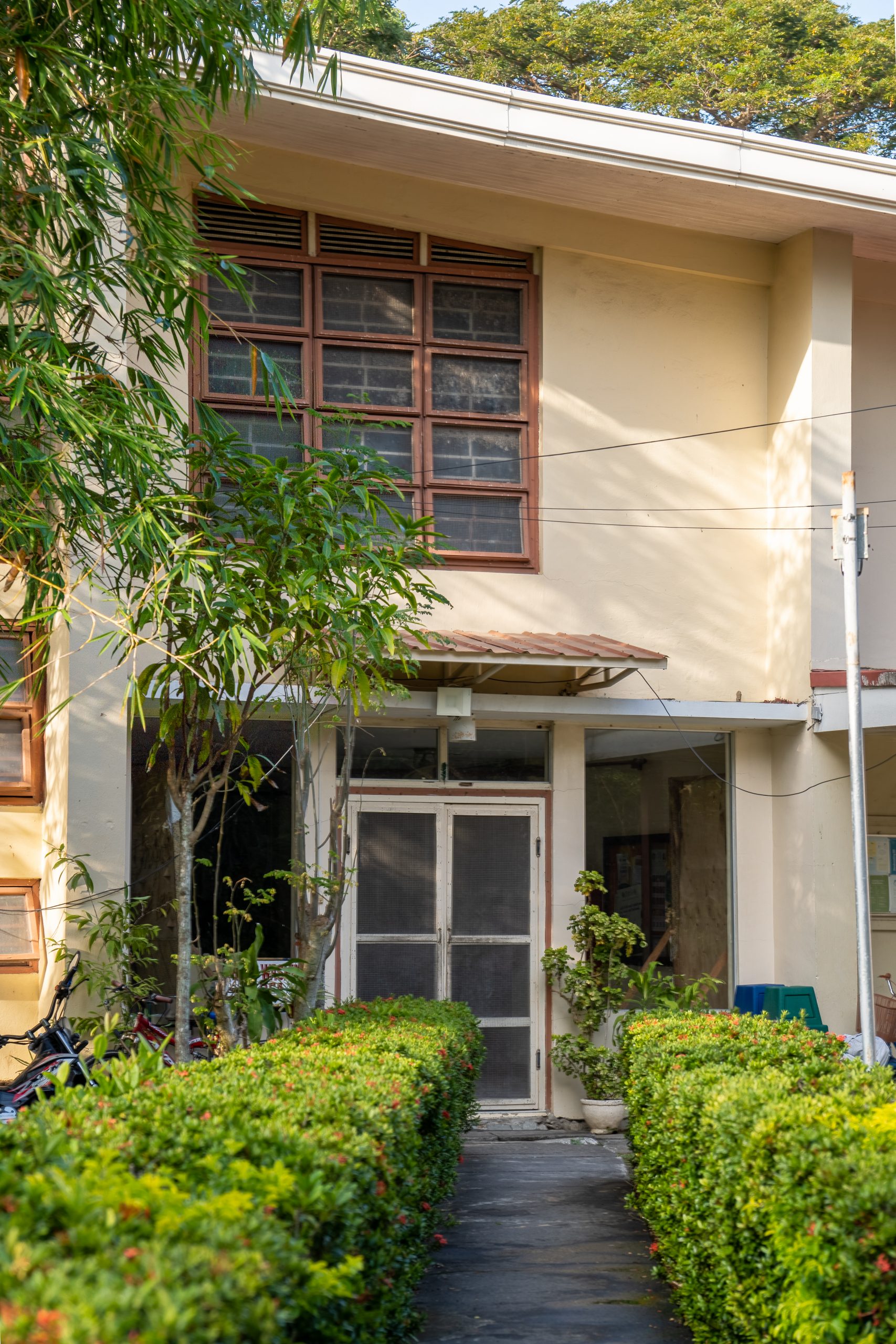
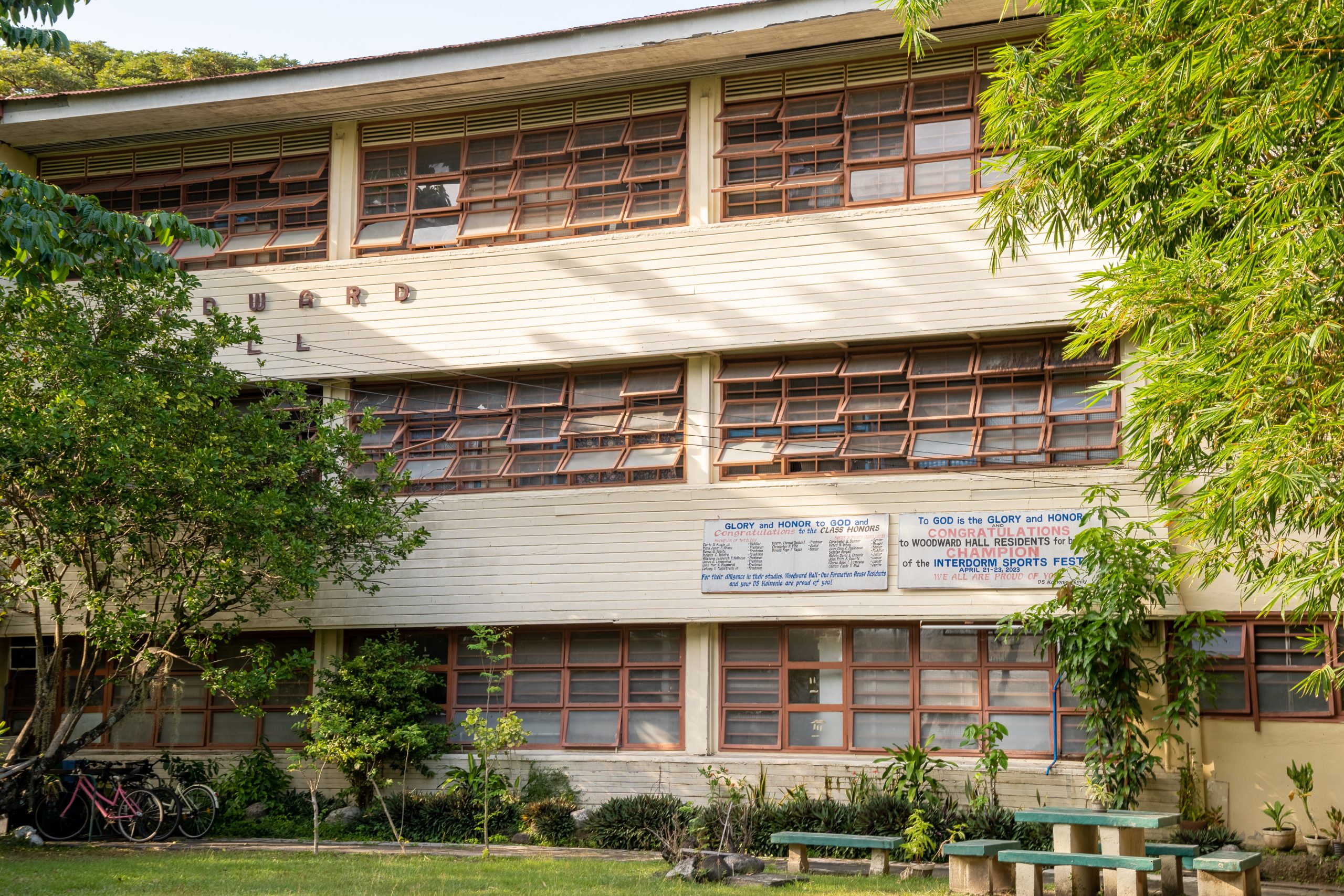
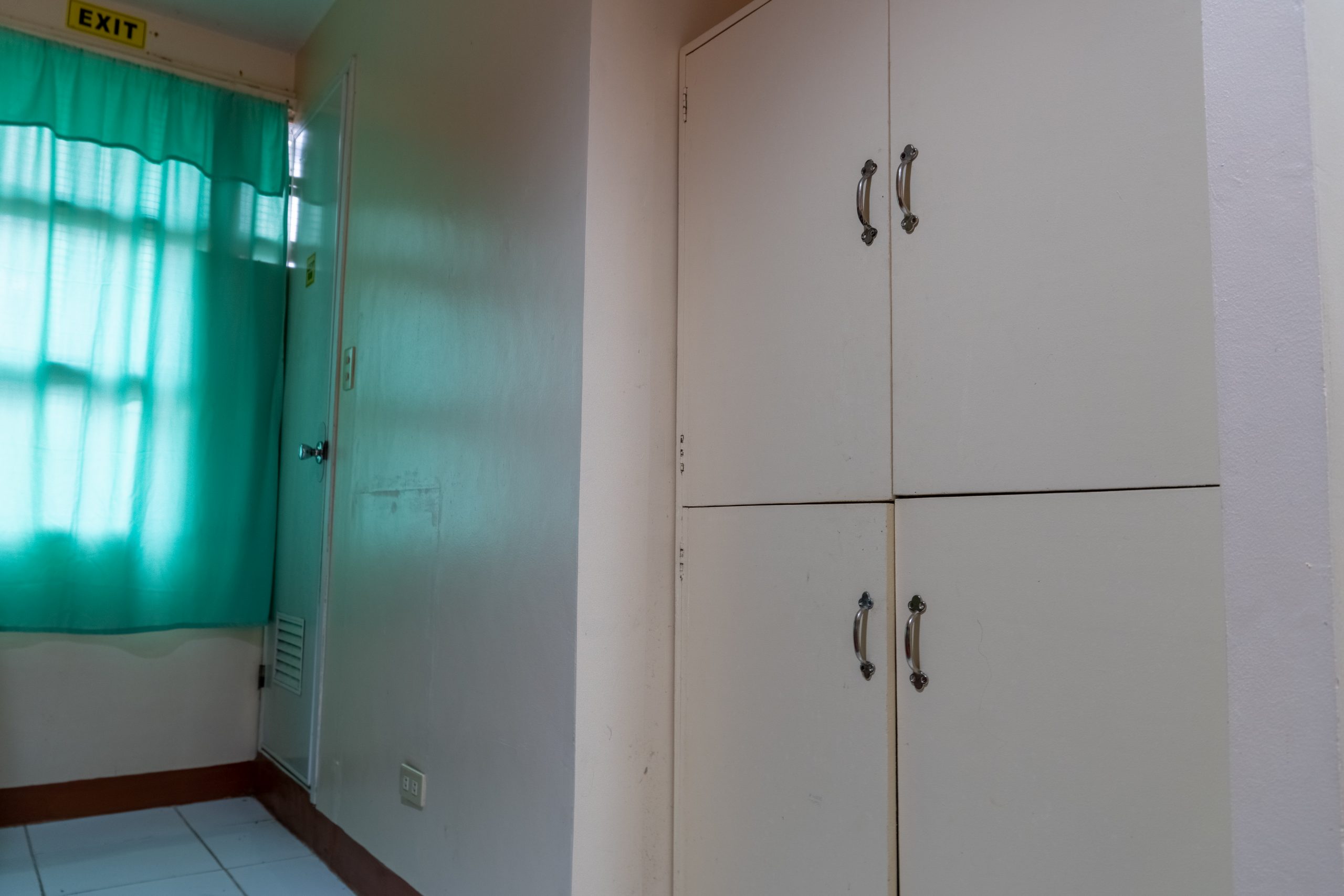
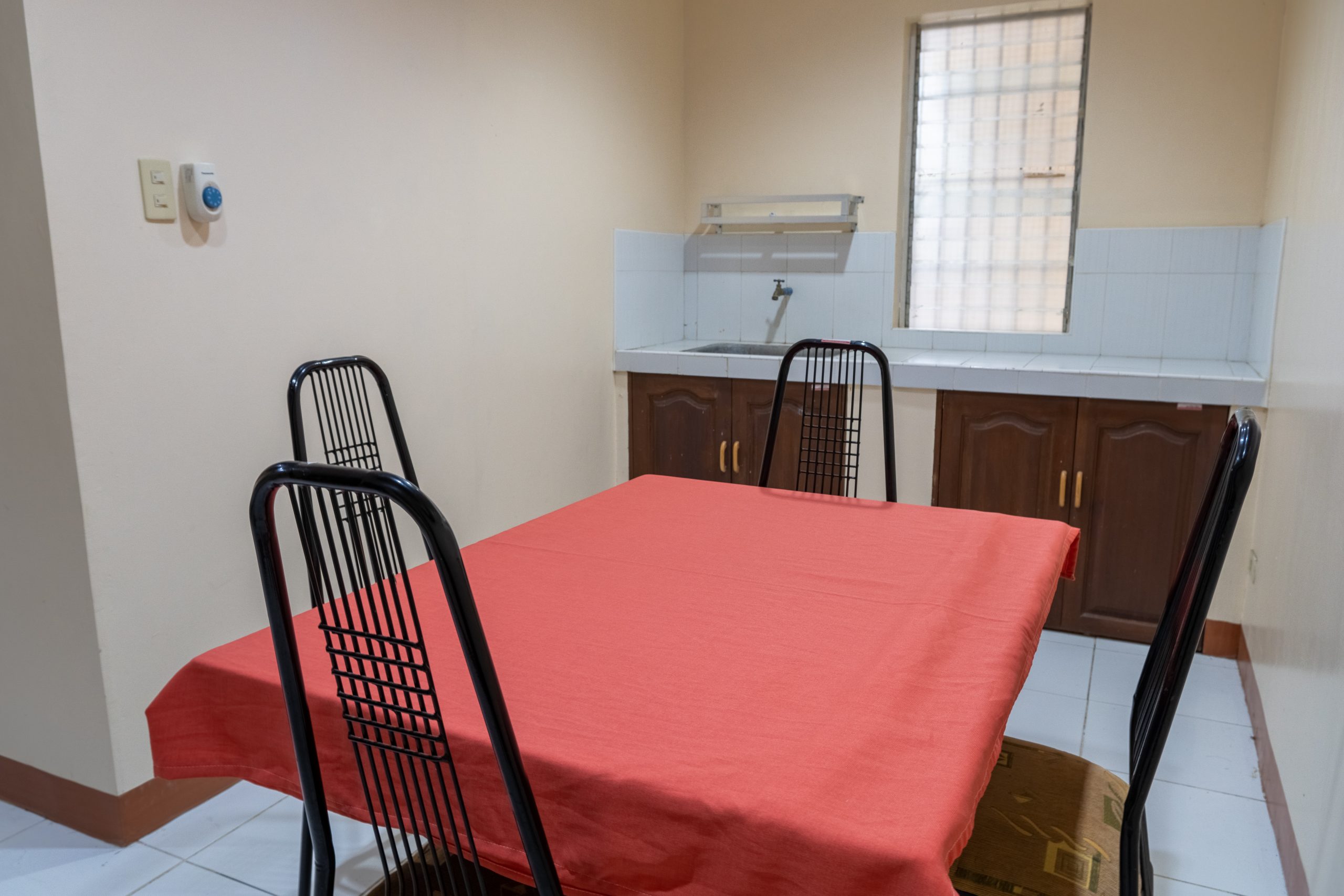
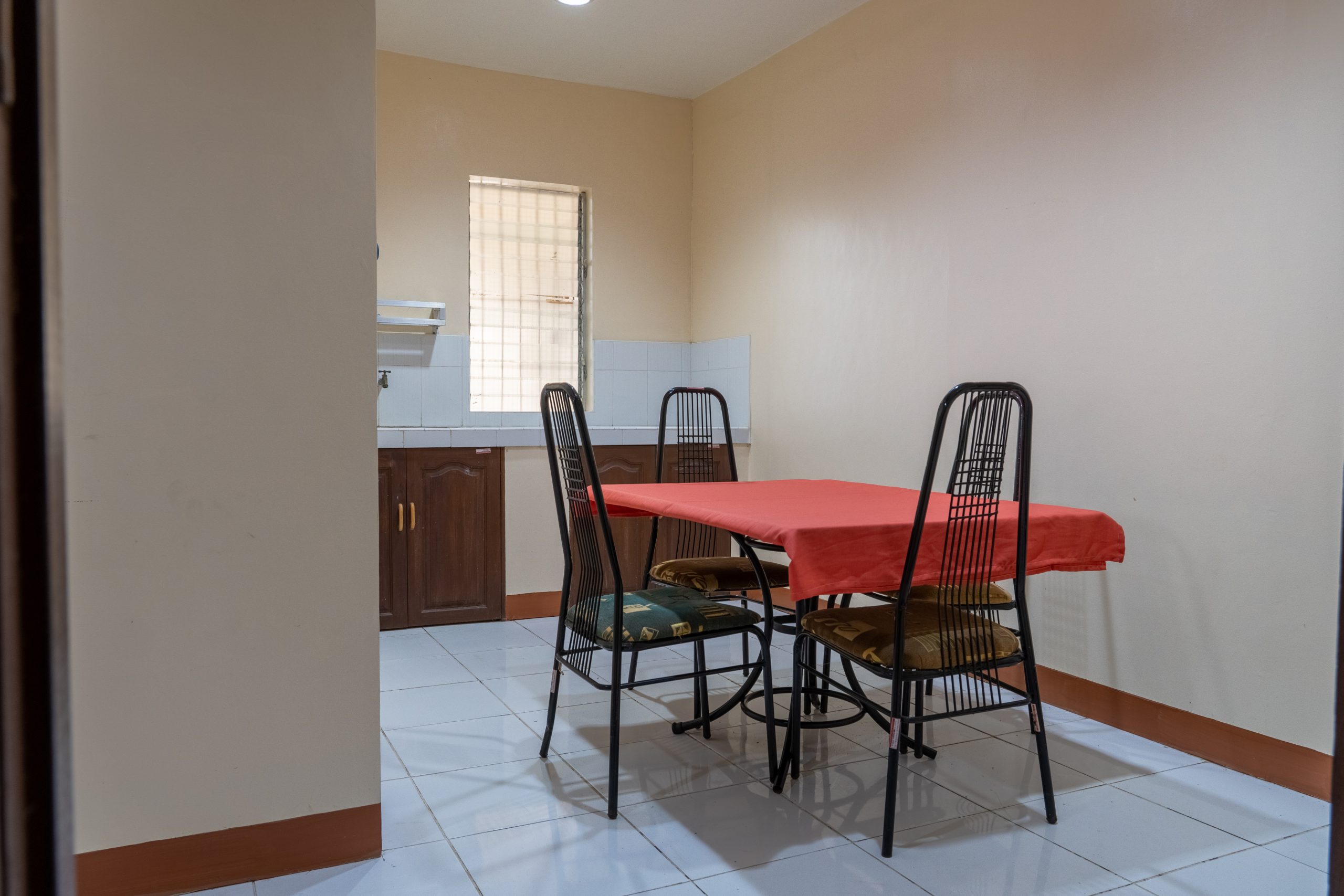
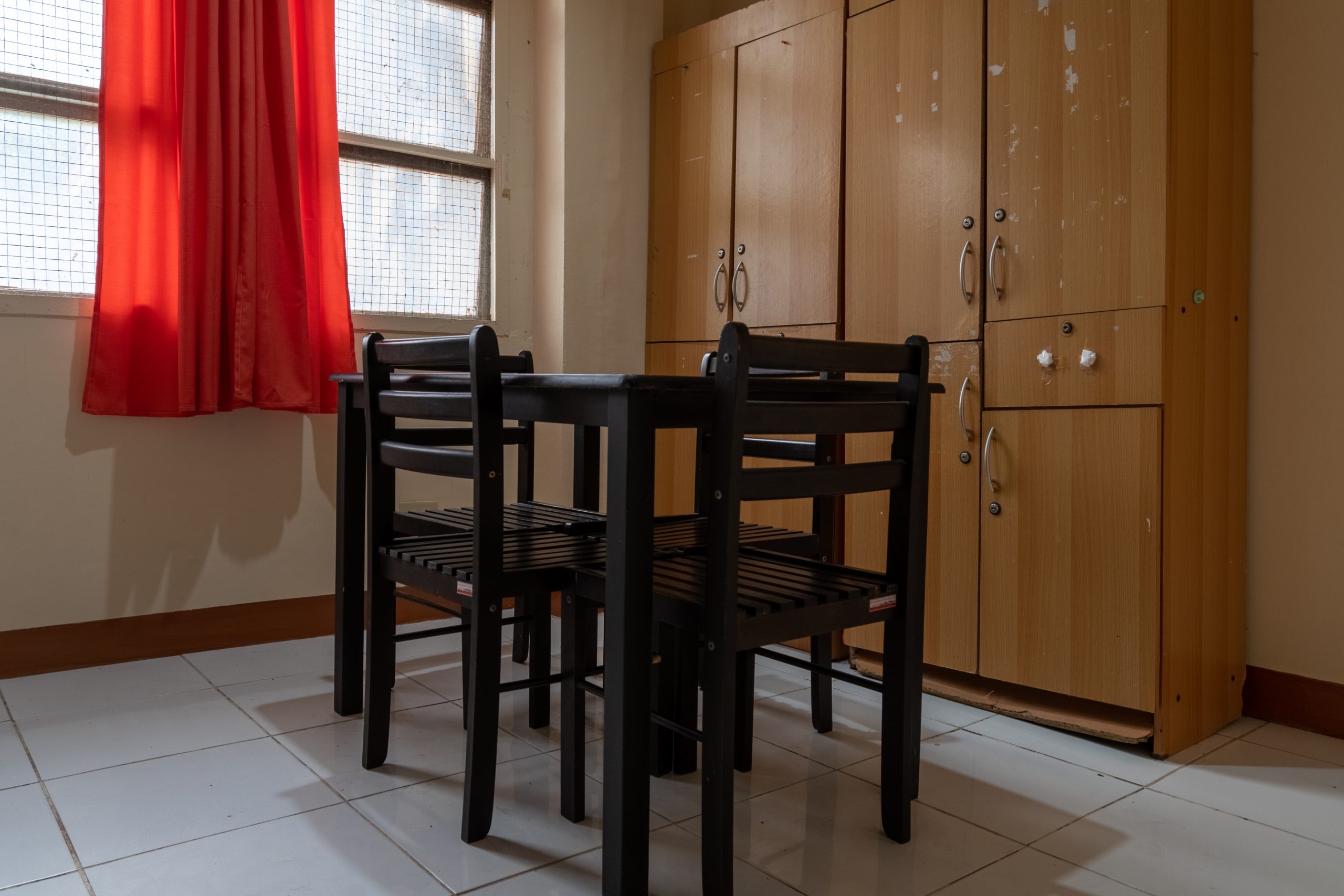
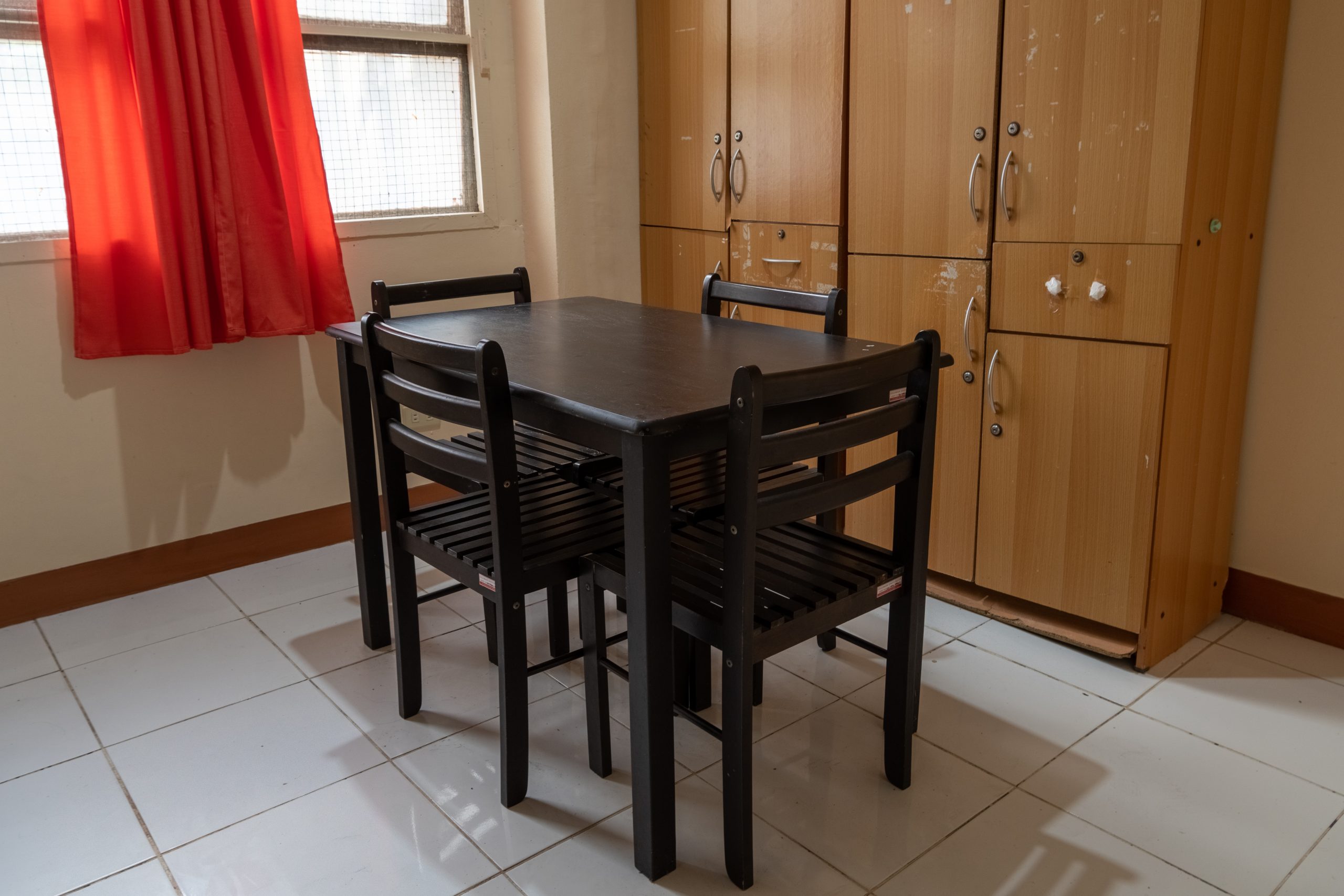
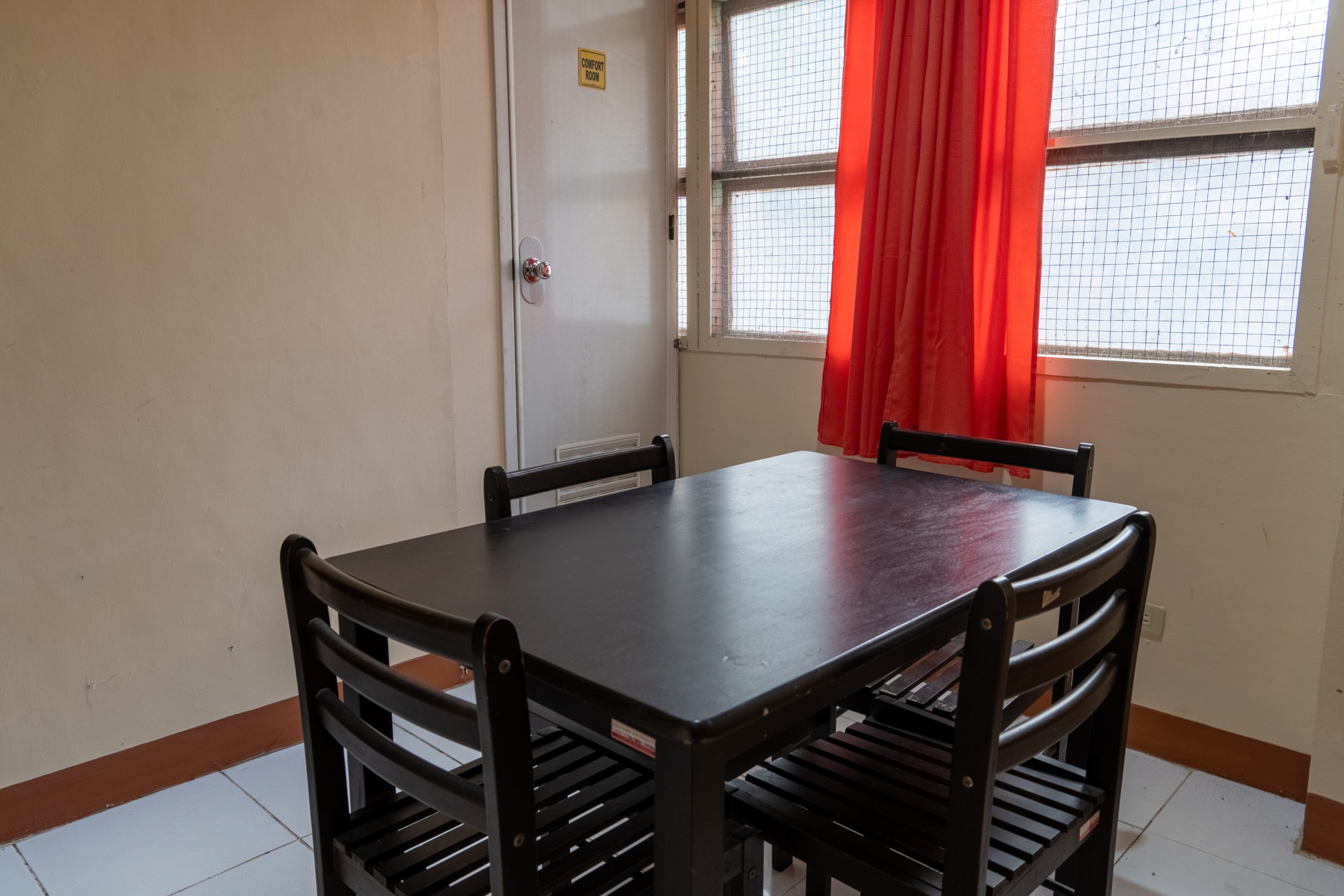
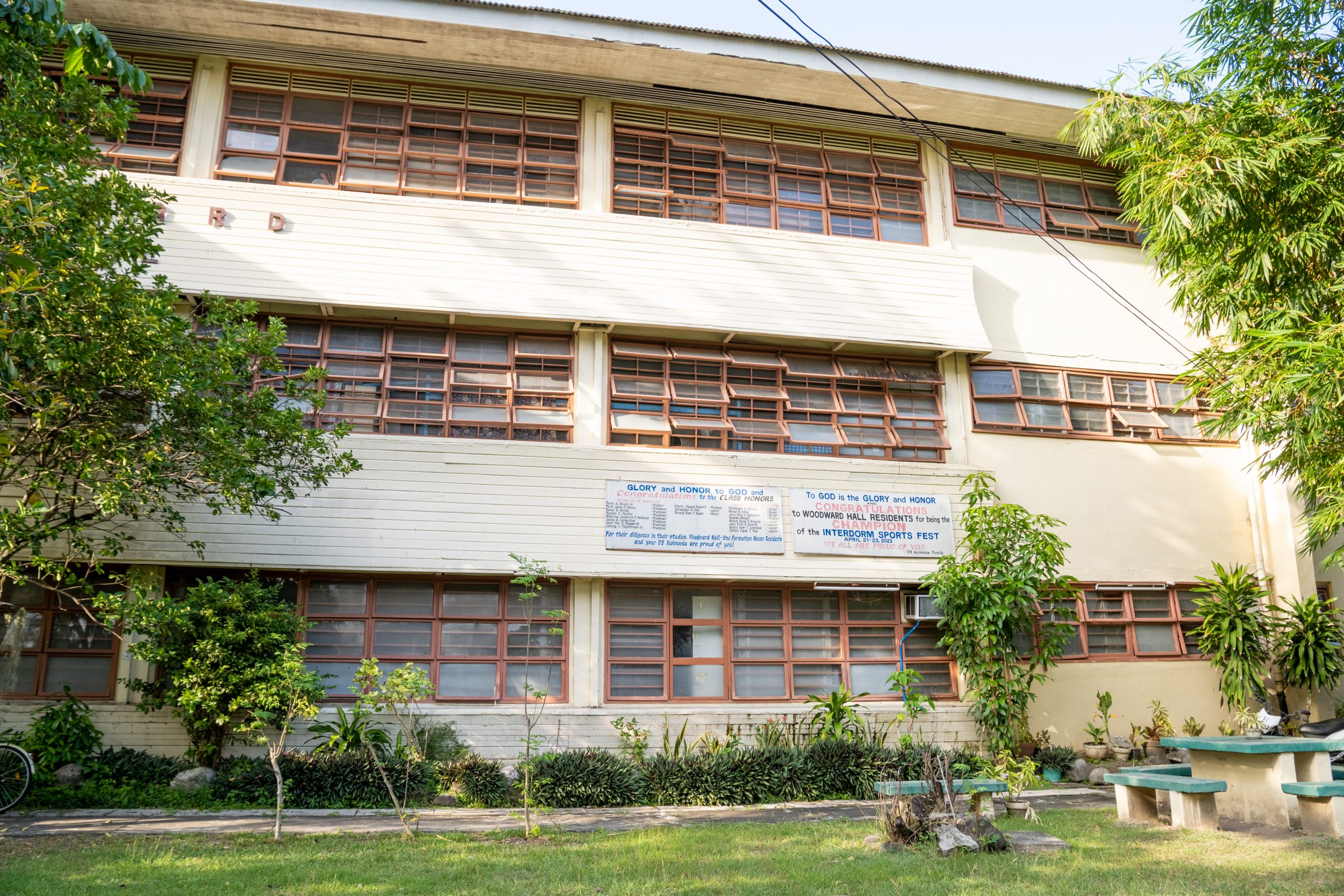
Woodward Apartment is open to all students and is supervised by a Dormitory Manager or Assistant.
LEARN MORE: Dormitory and Board Rates
Cooperative Dormitories
Designed to accommodate freshmen students, these cooperative (COOP) dormitories are managed by Dormitory Advisers selected from a list of full-time faculty or staff members or bona fide graduate students.
COOP dormitories for women include Azucena Cottage and Sampaguita Cottage, while those for men are Ipil Cottage, Molave Cottage, and Narra Cottage.
LEARN MORE: Dormitory and Board Rates
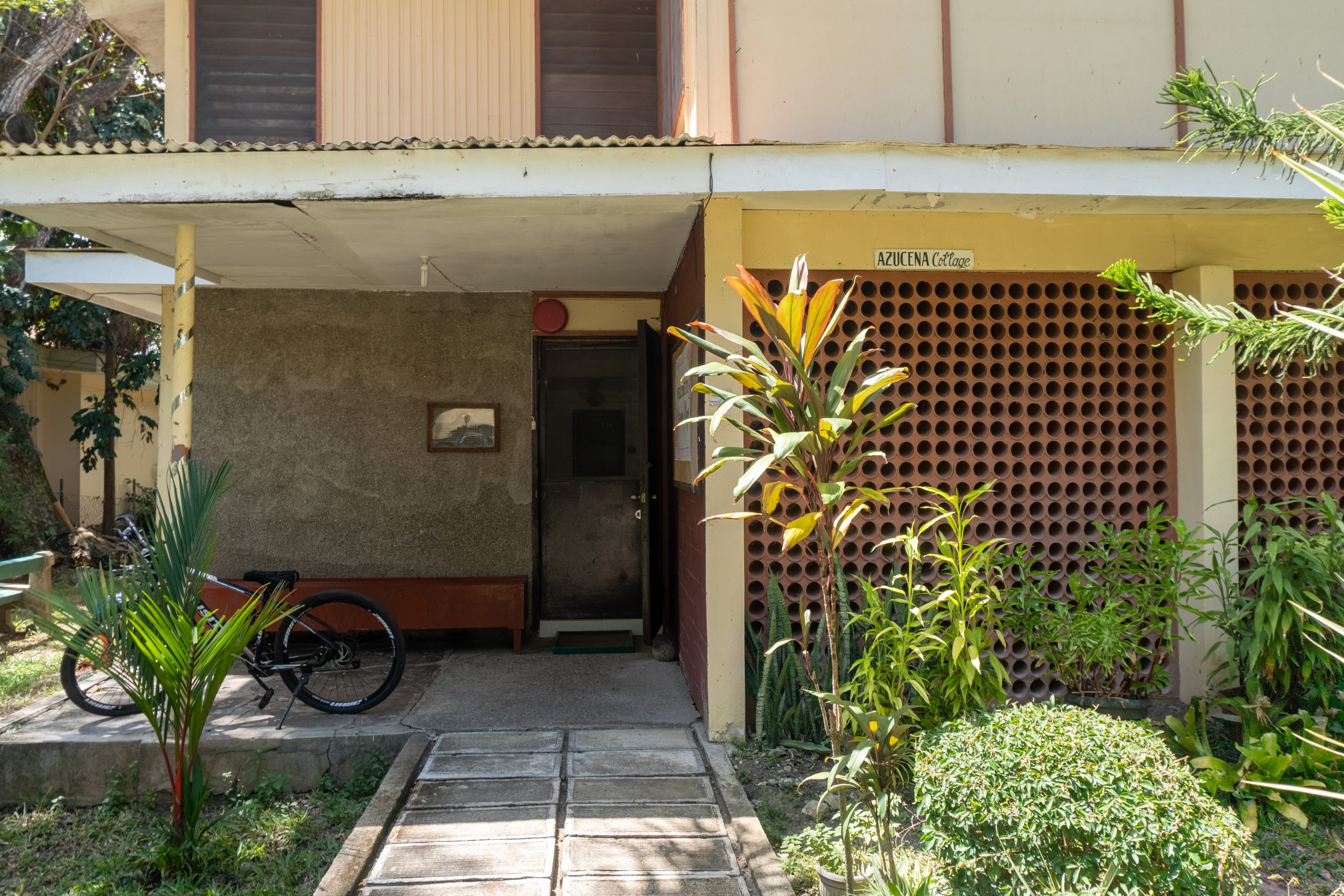
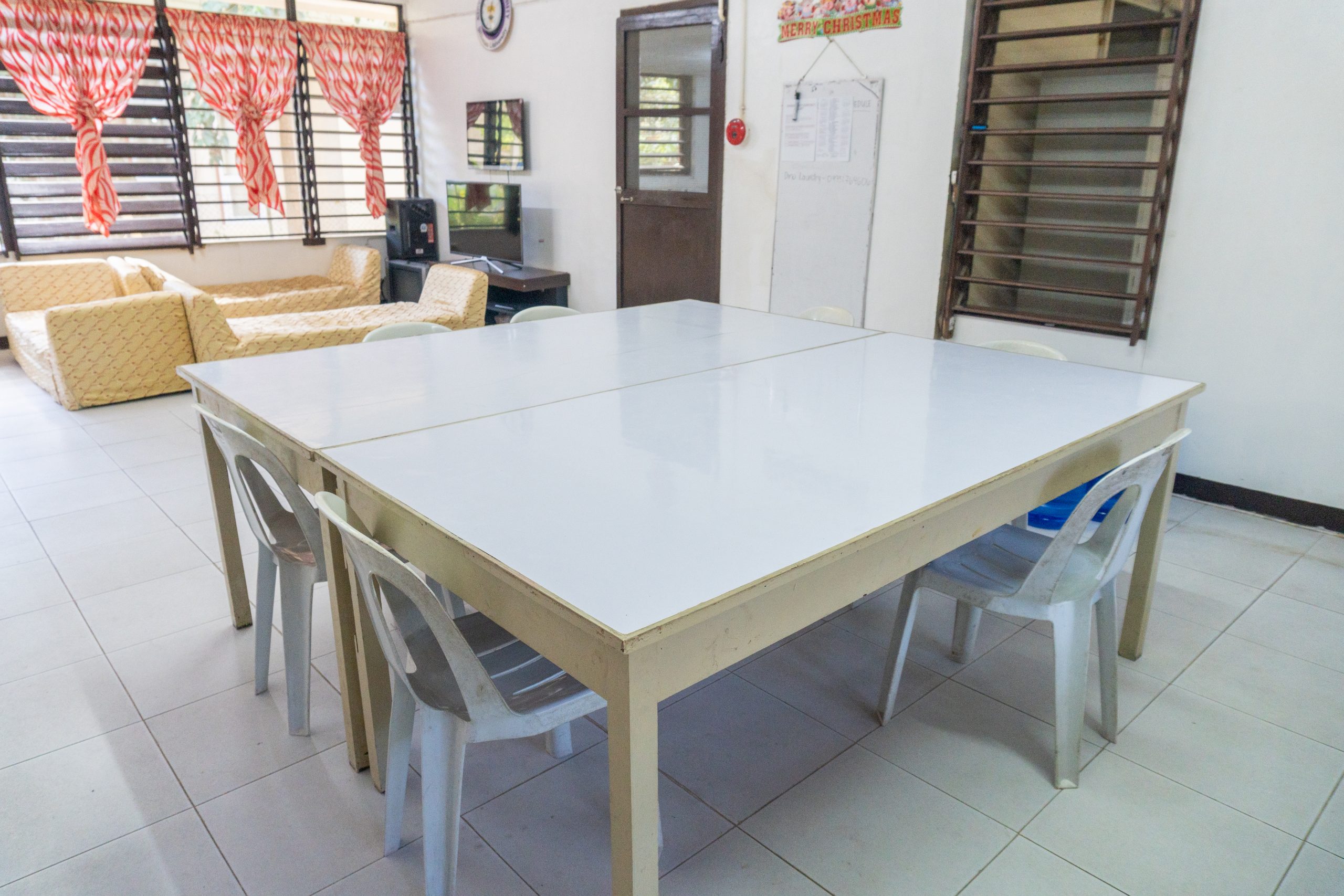
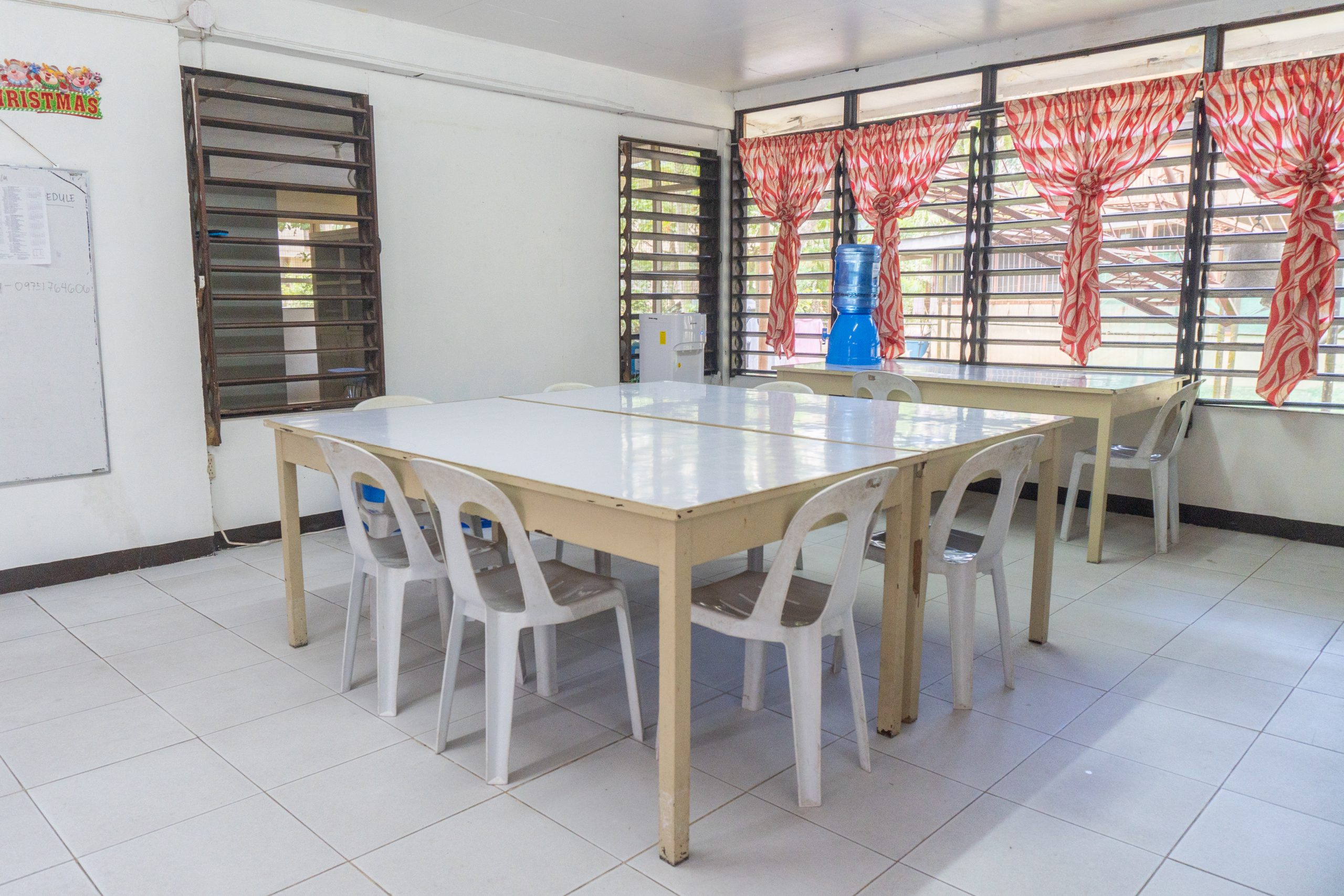
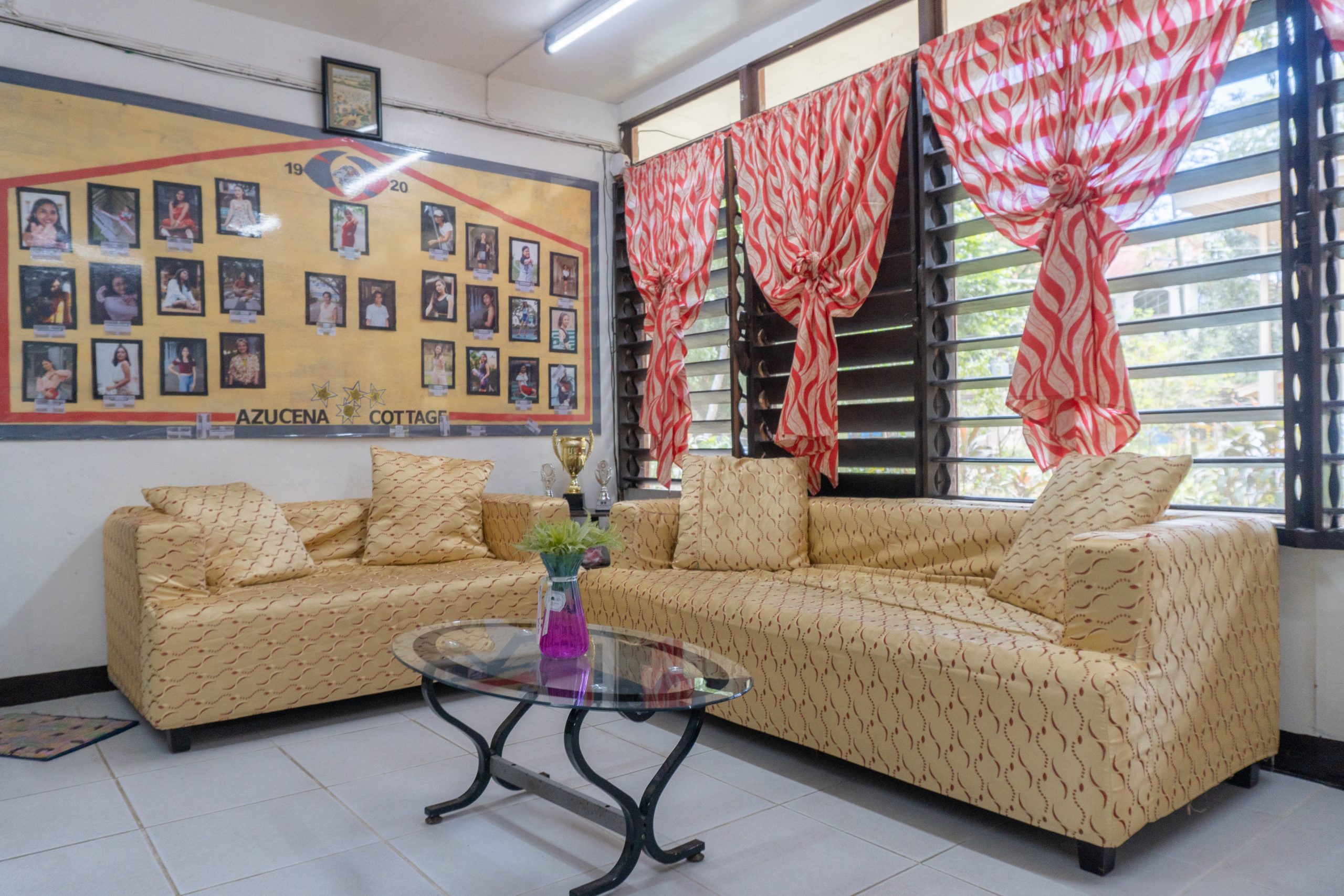
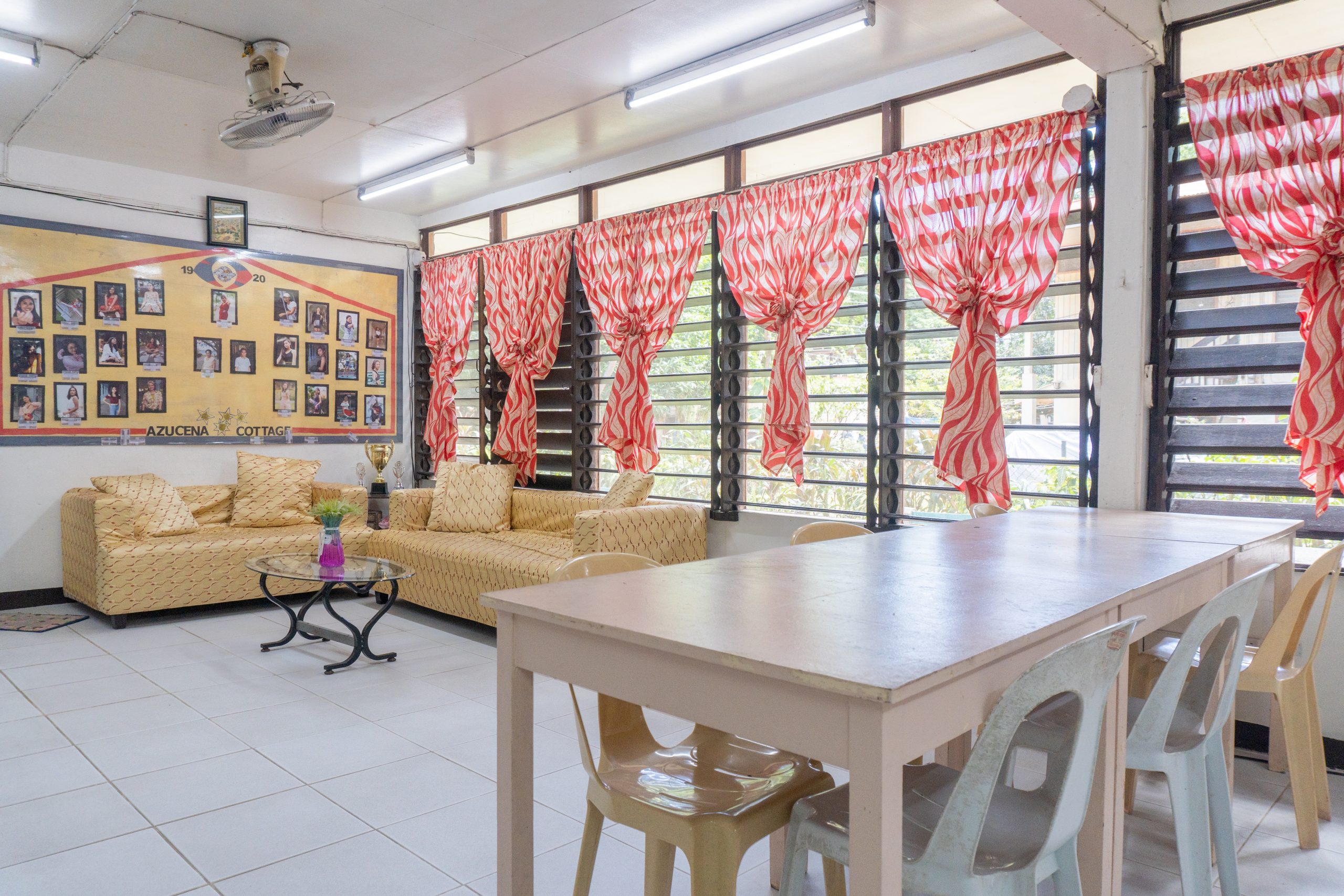
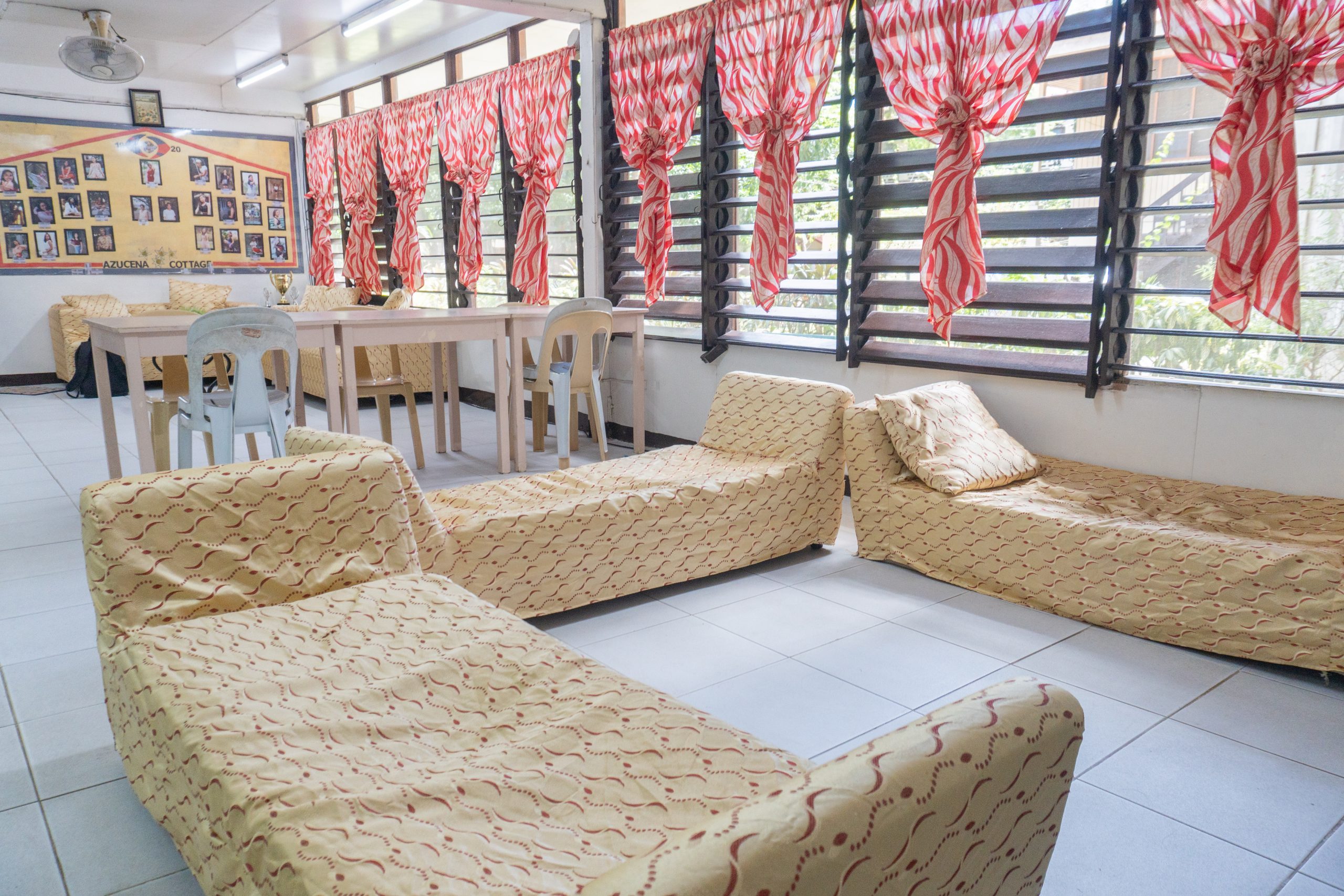
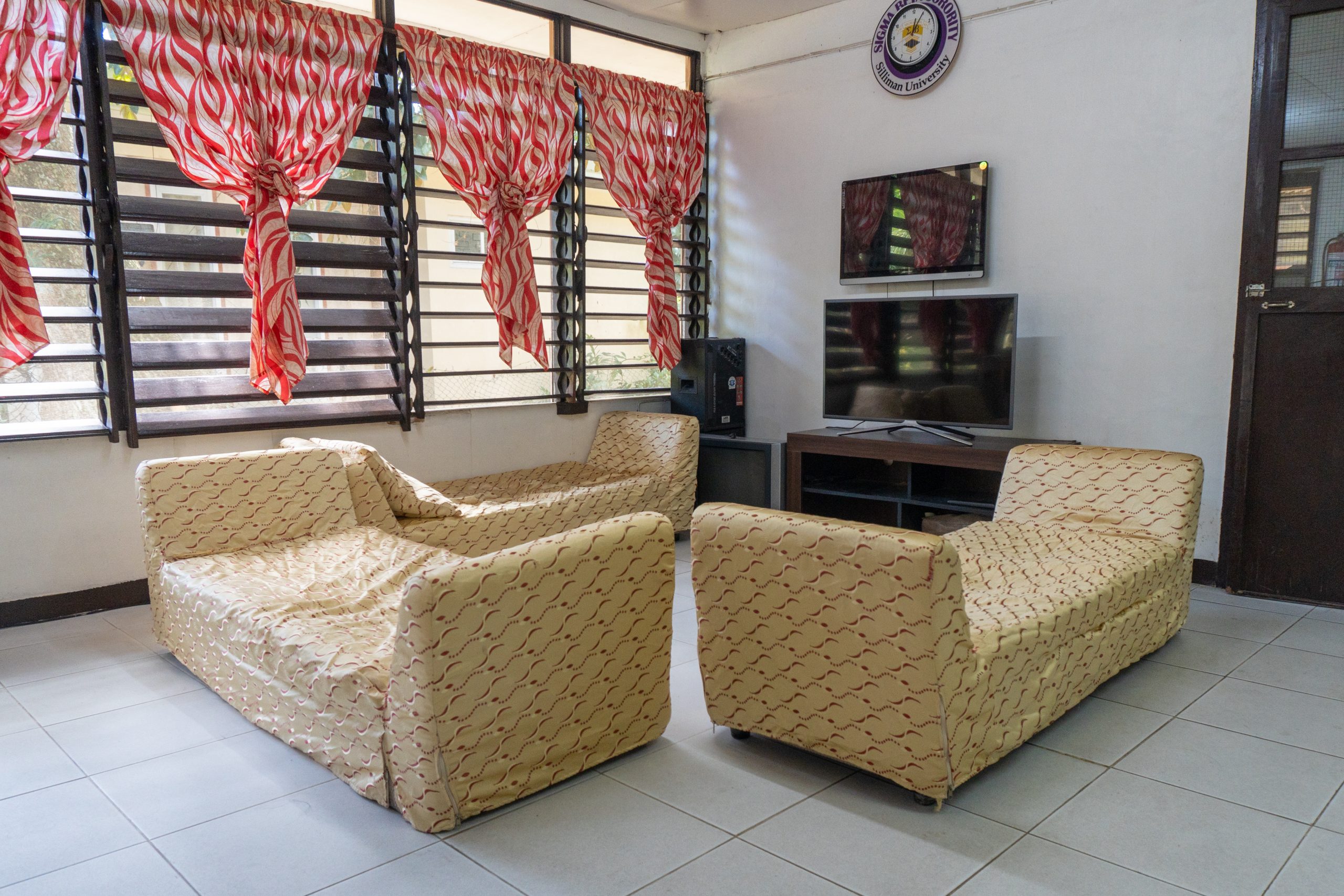
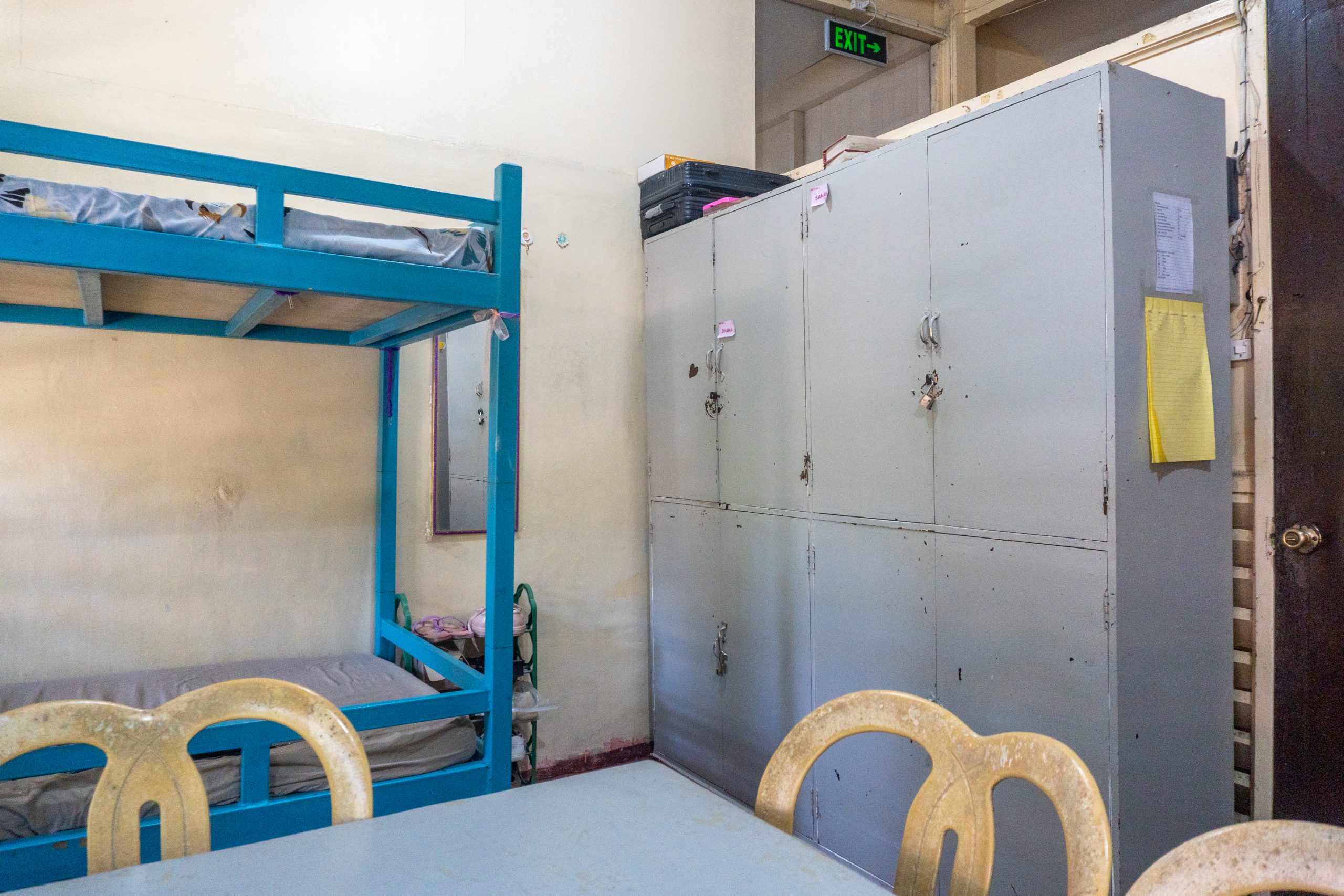
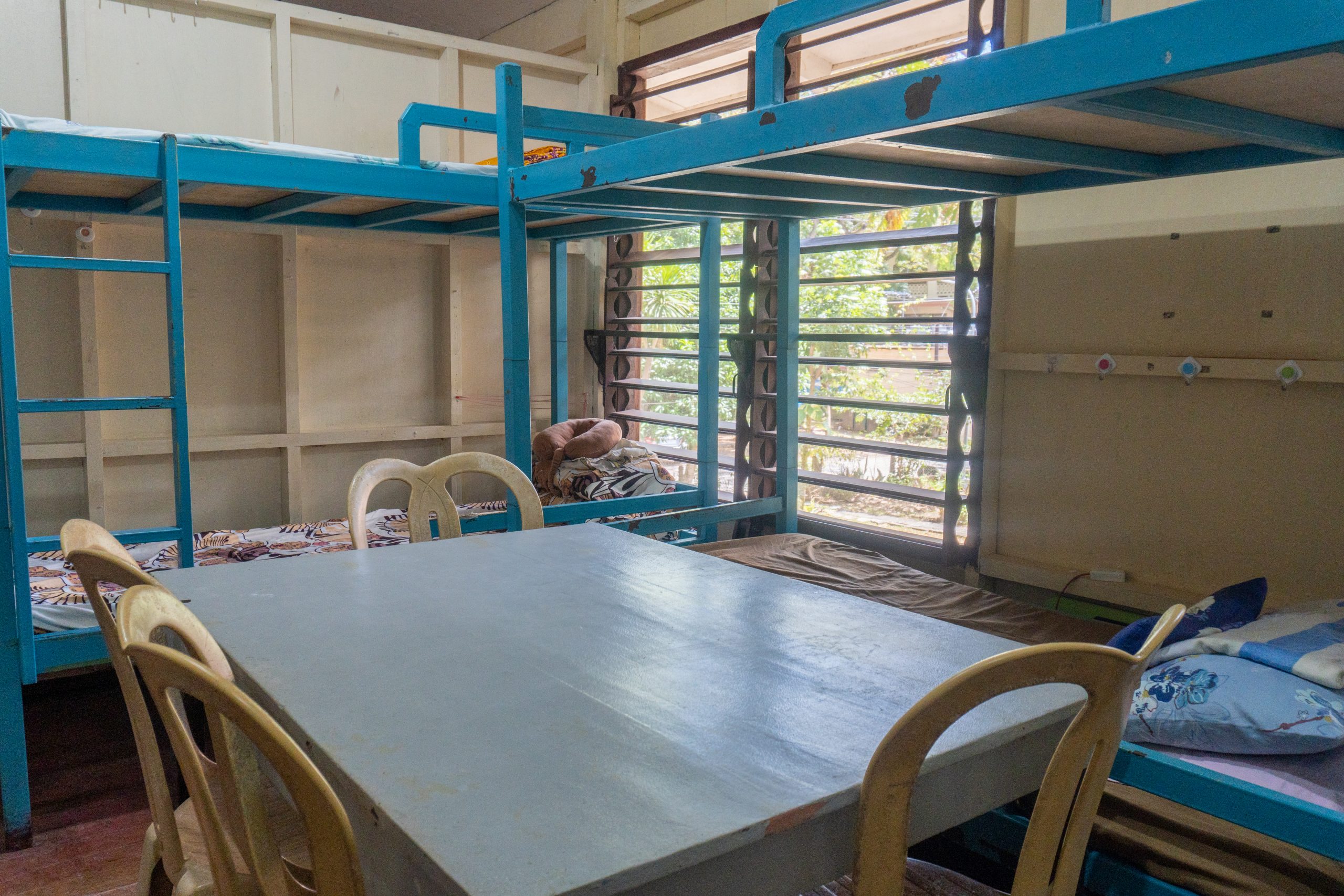
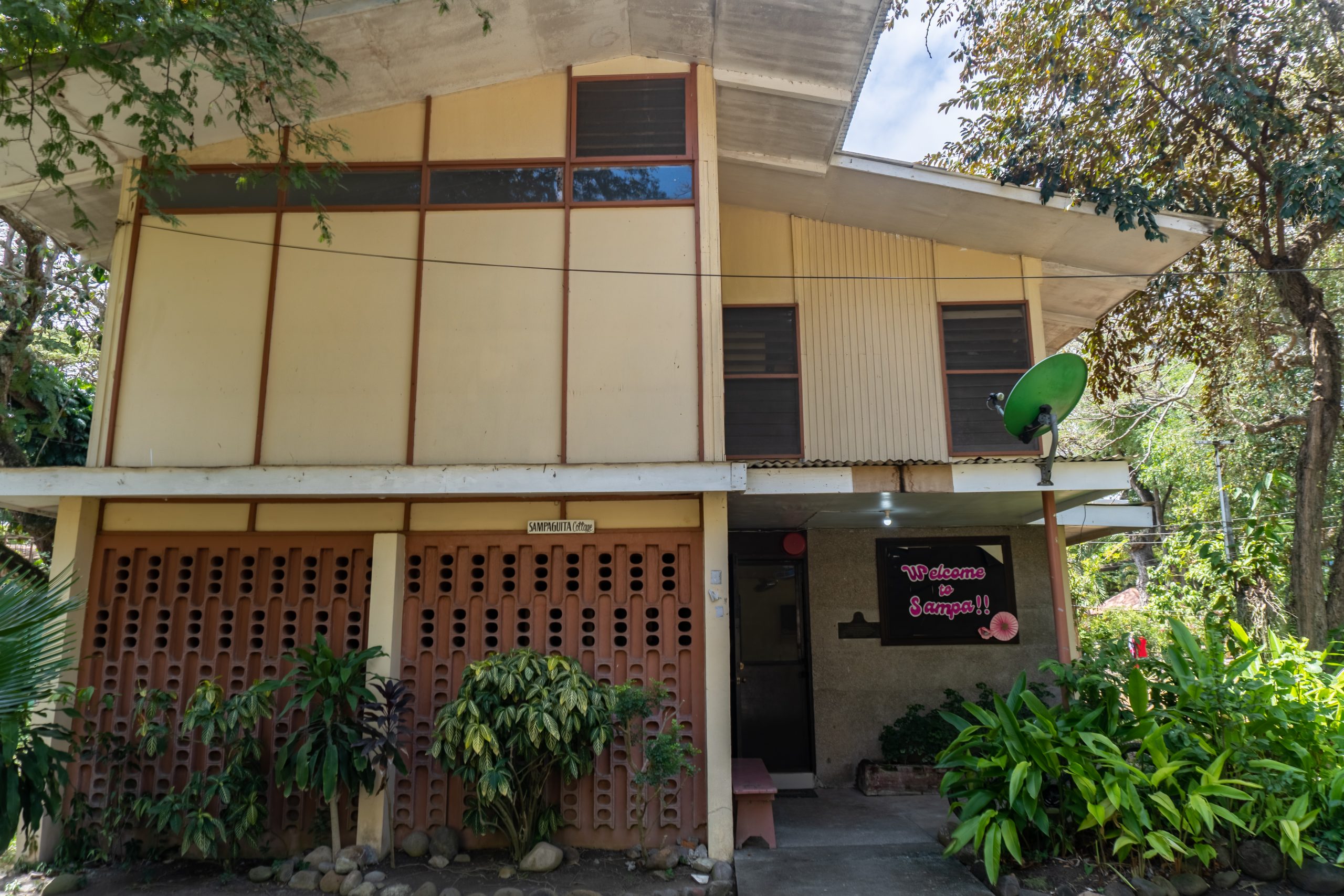
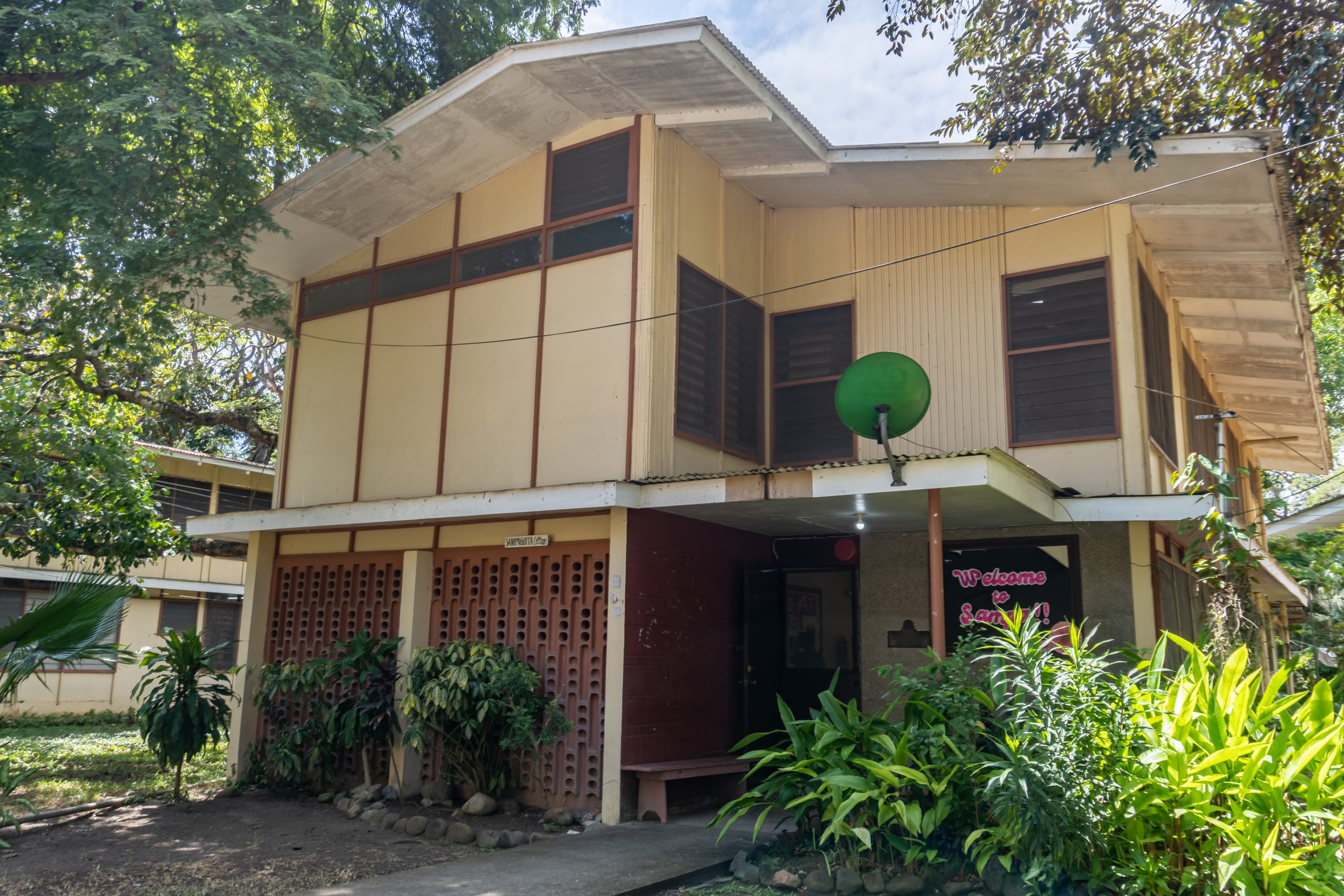
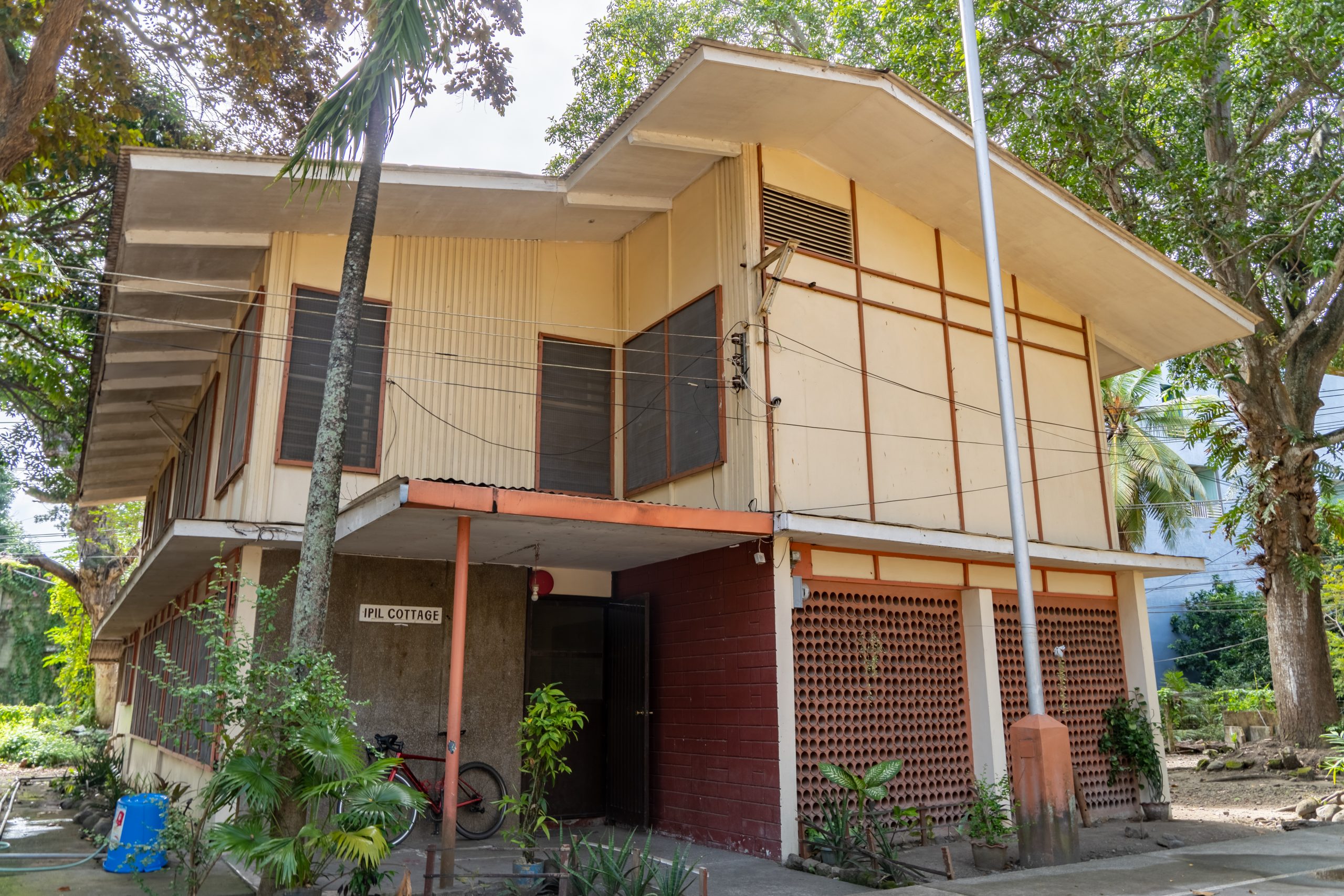
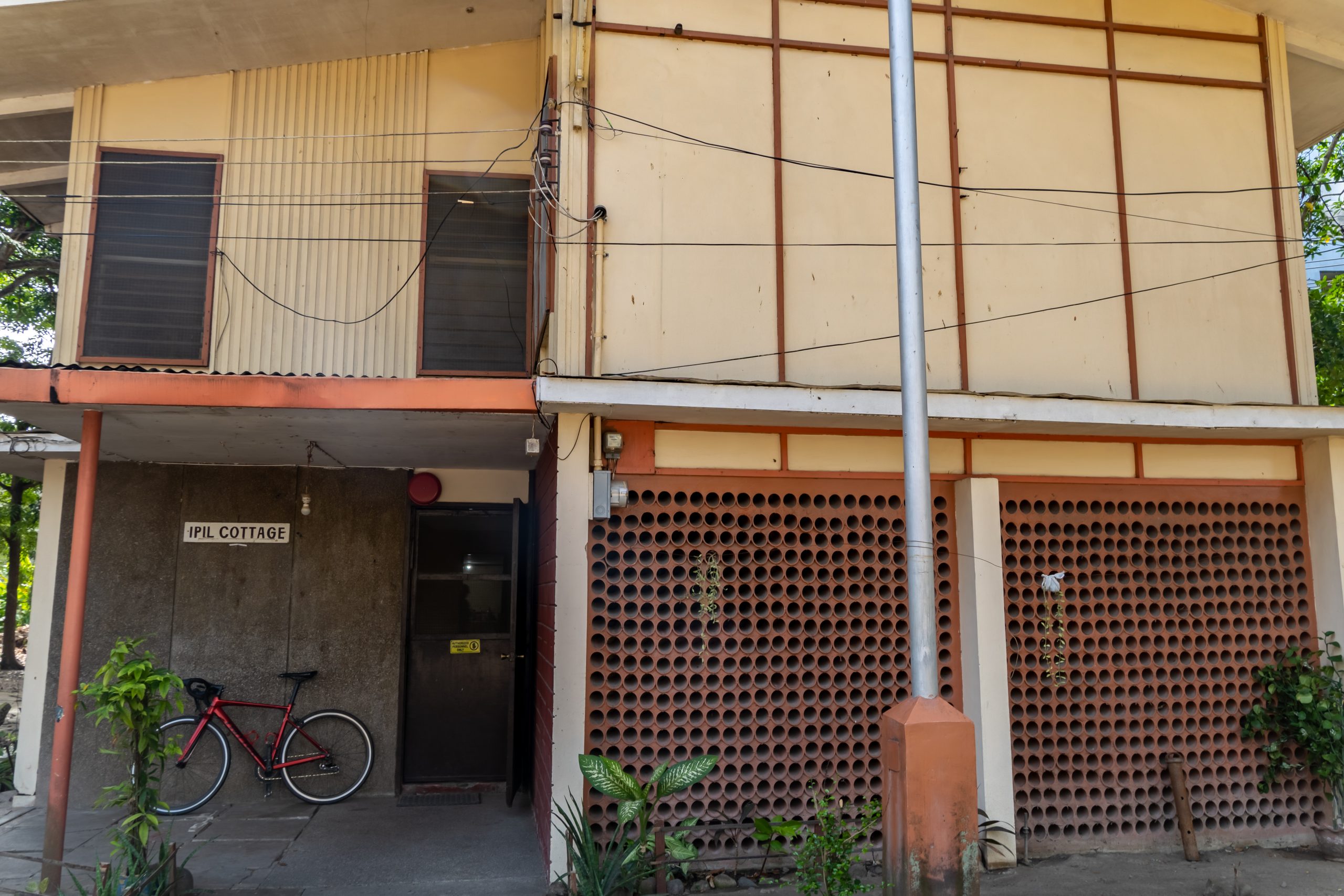
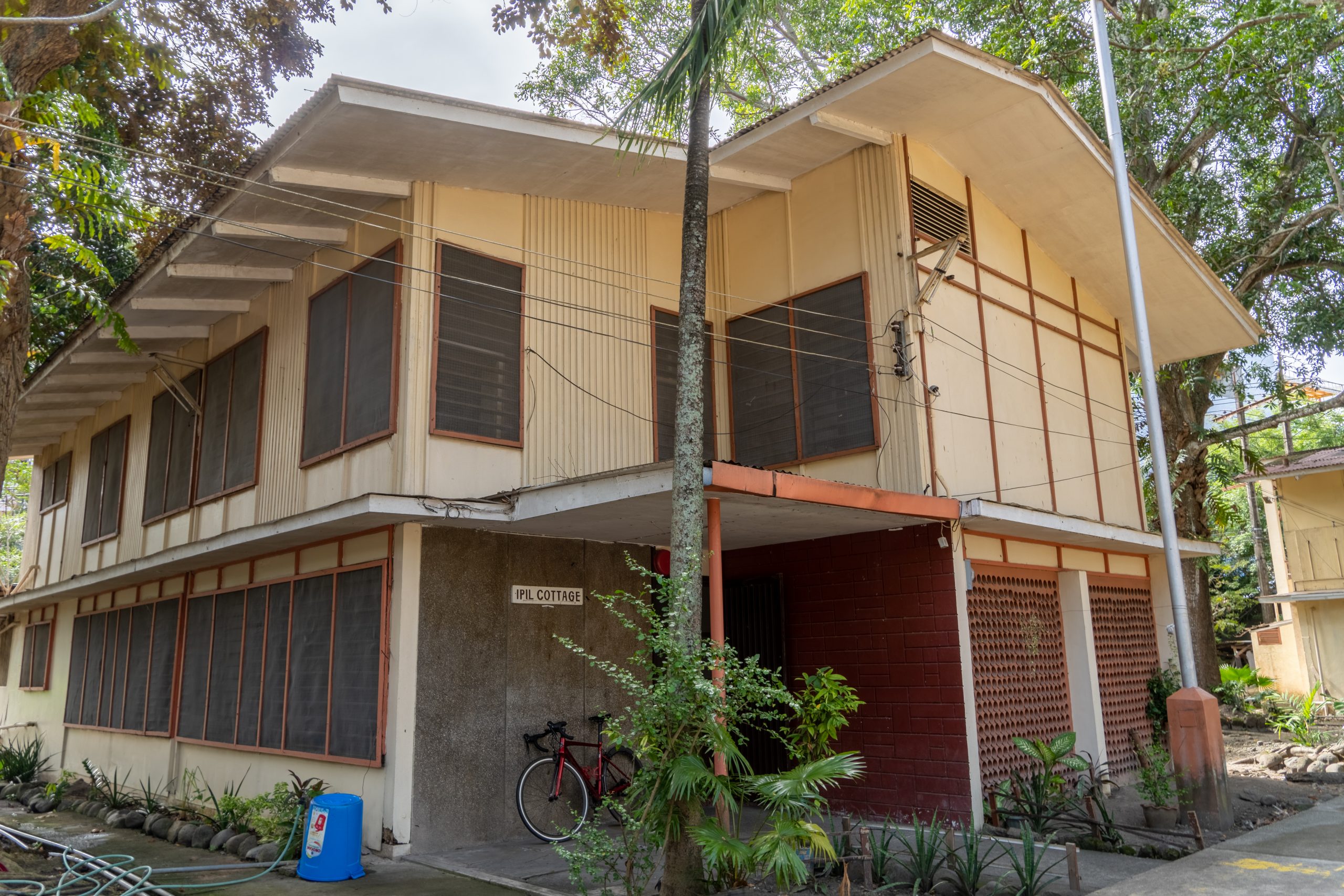
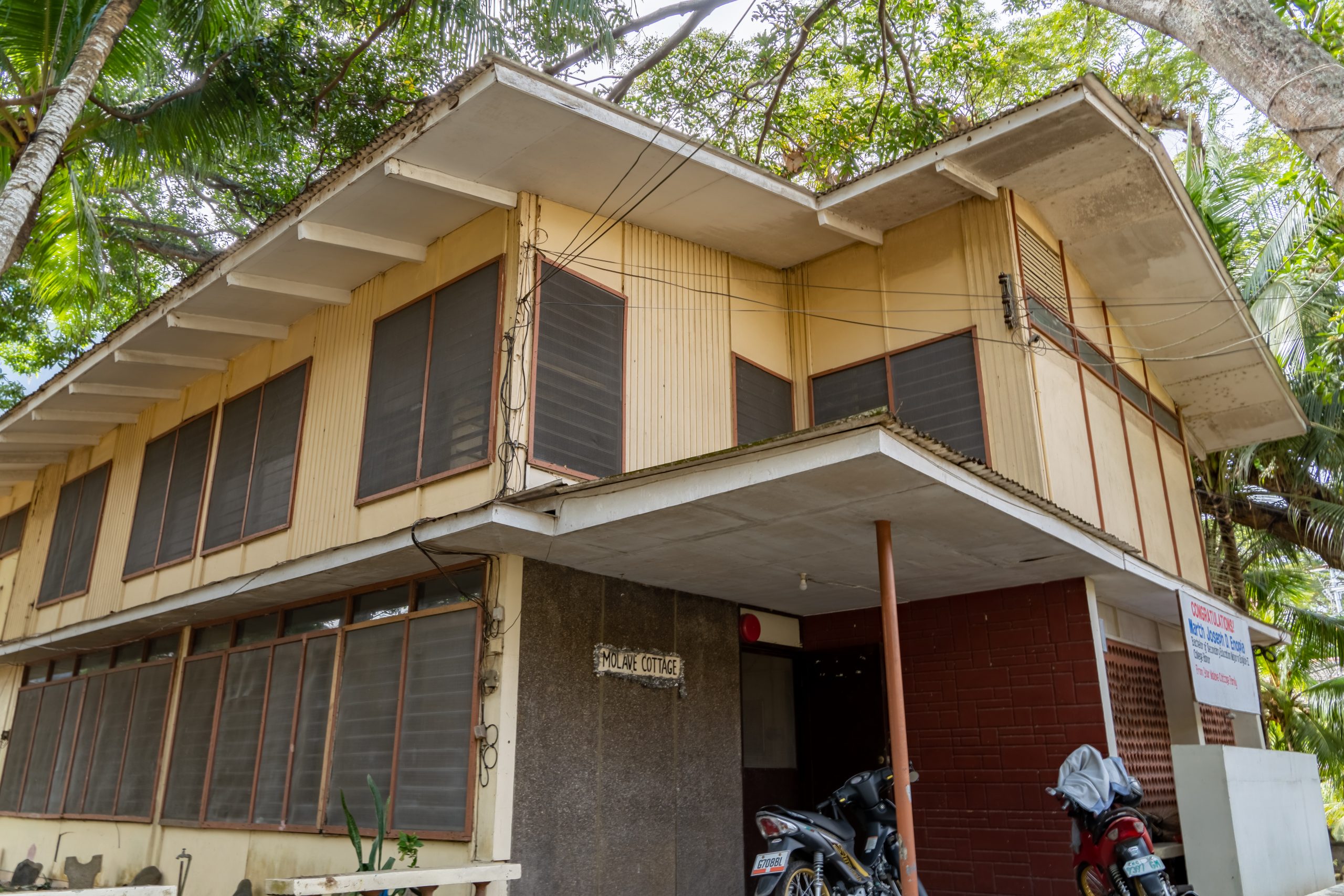
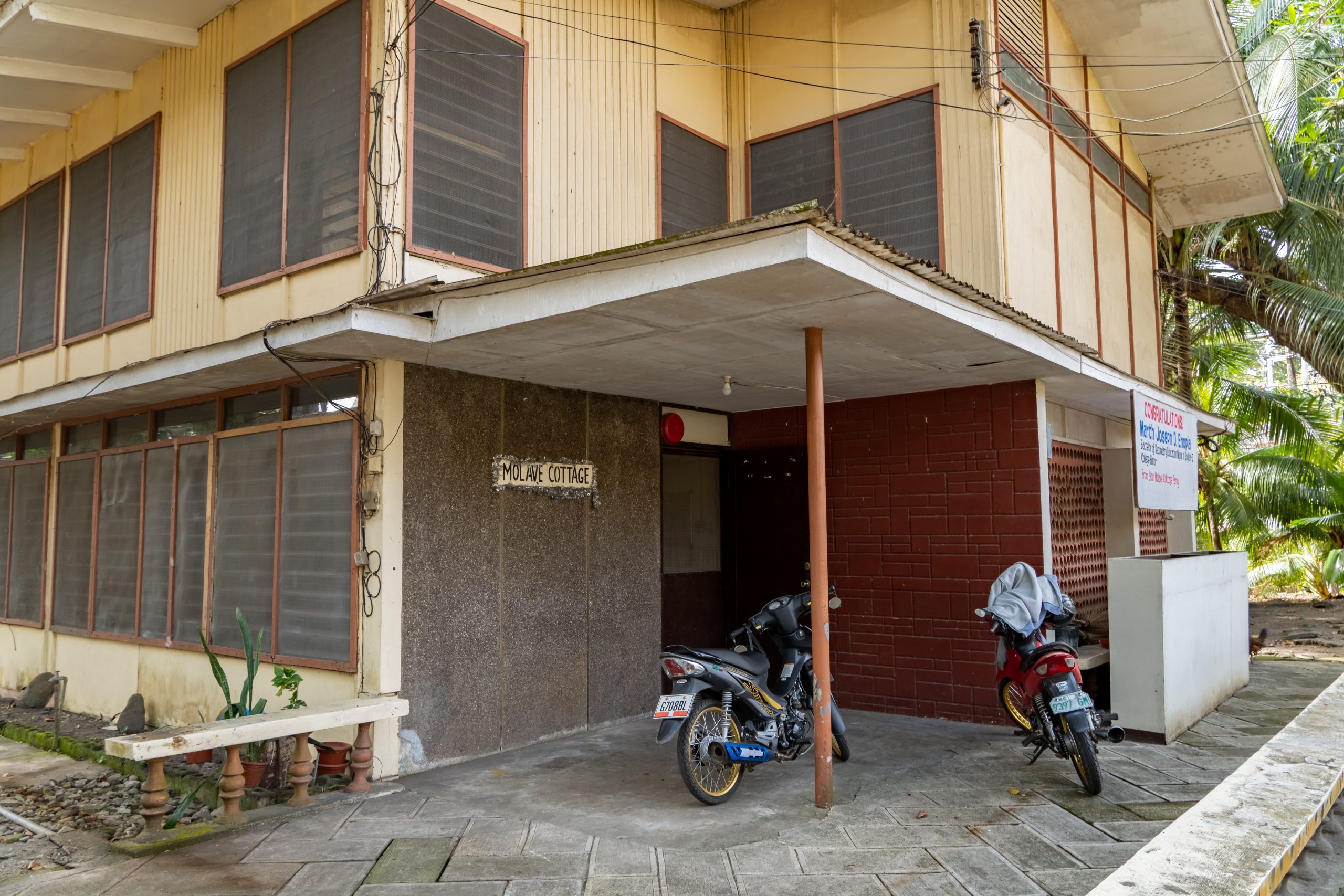
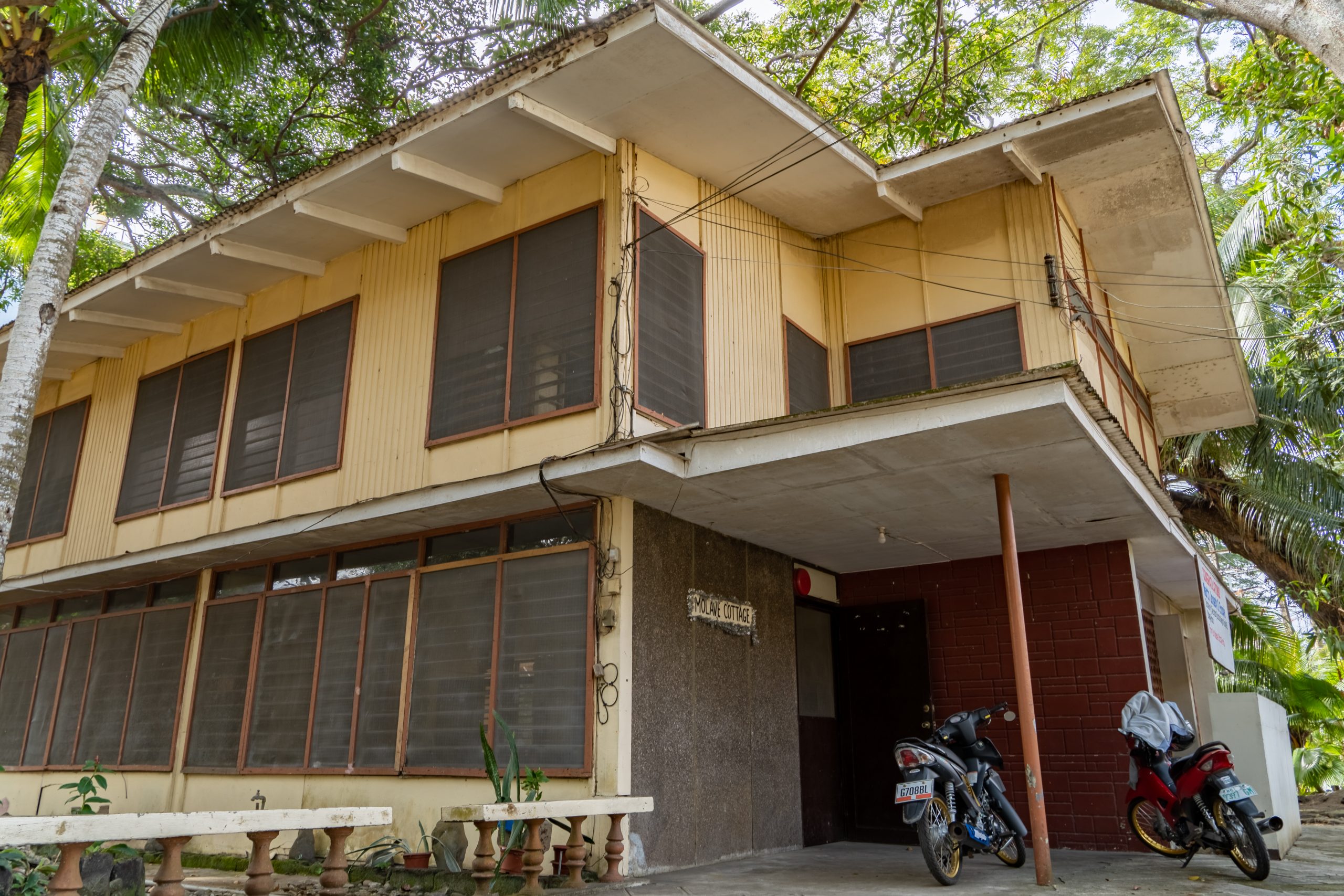
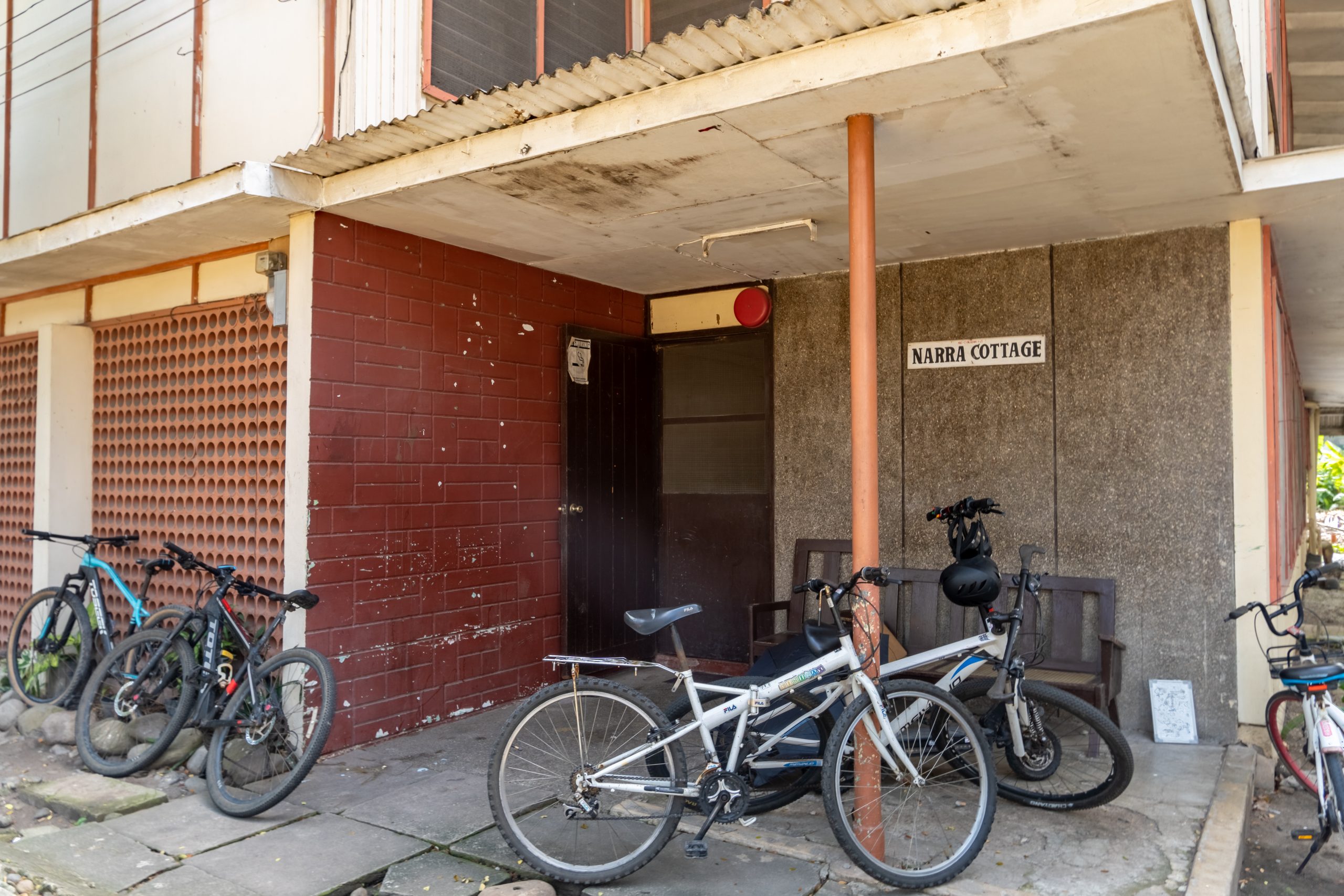
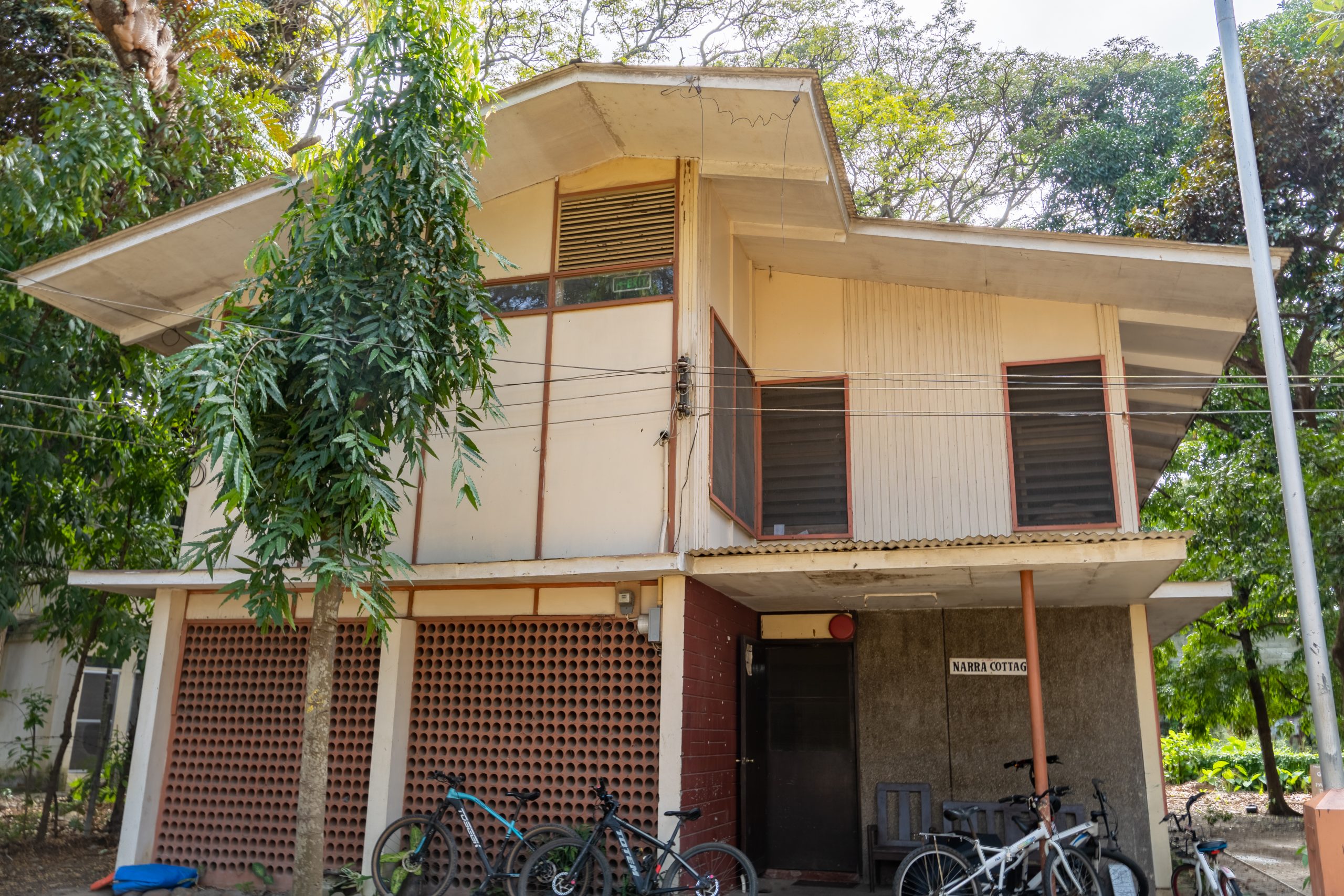
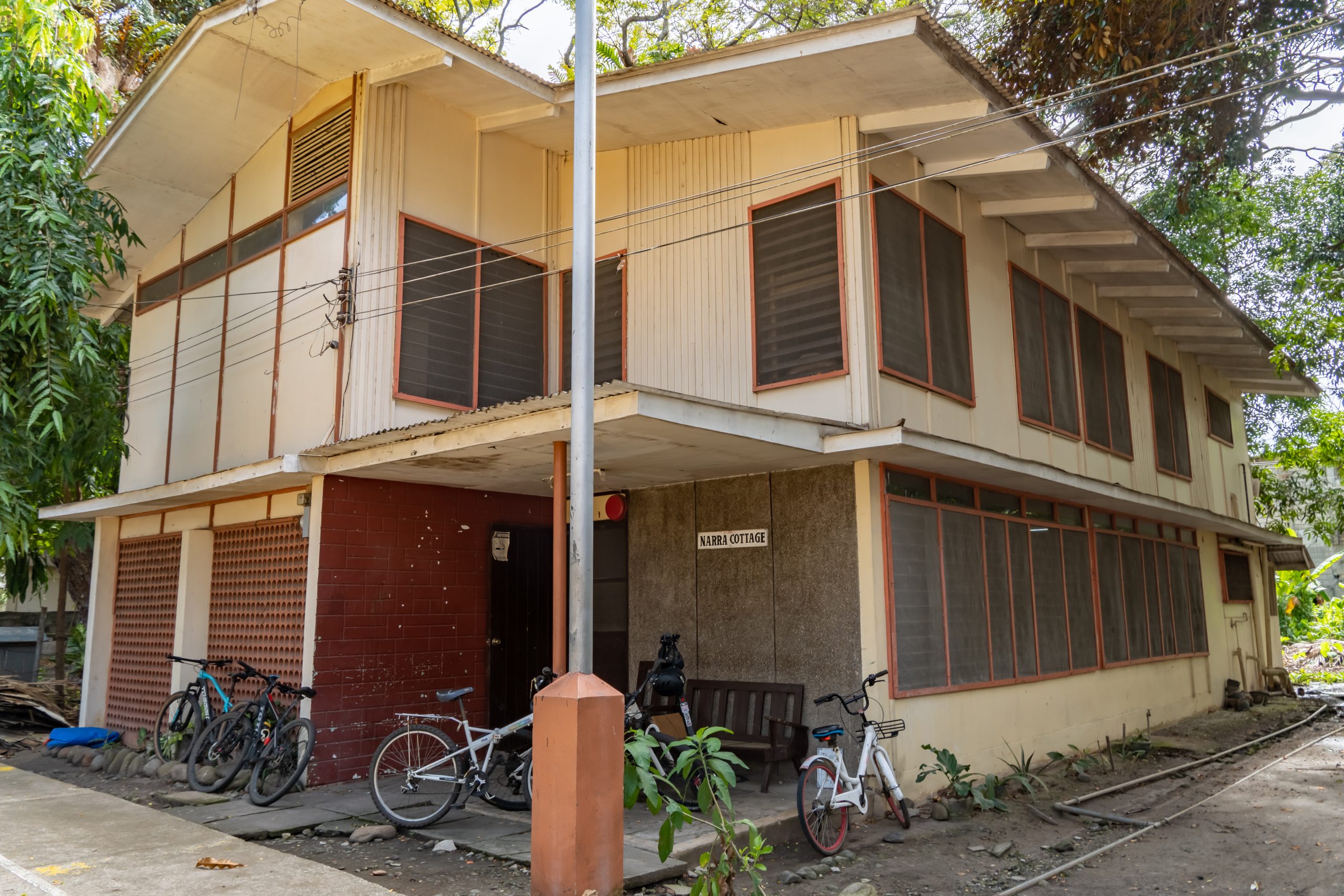
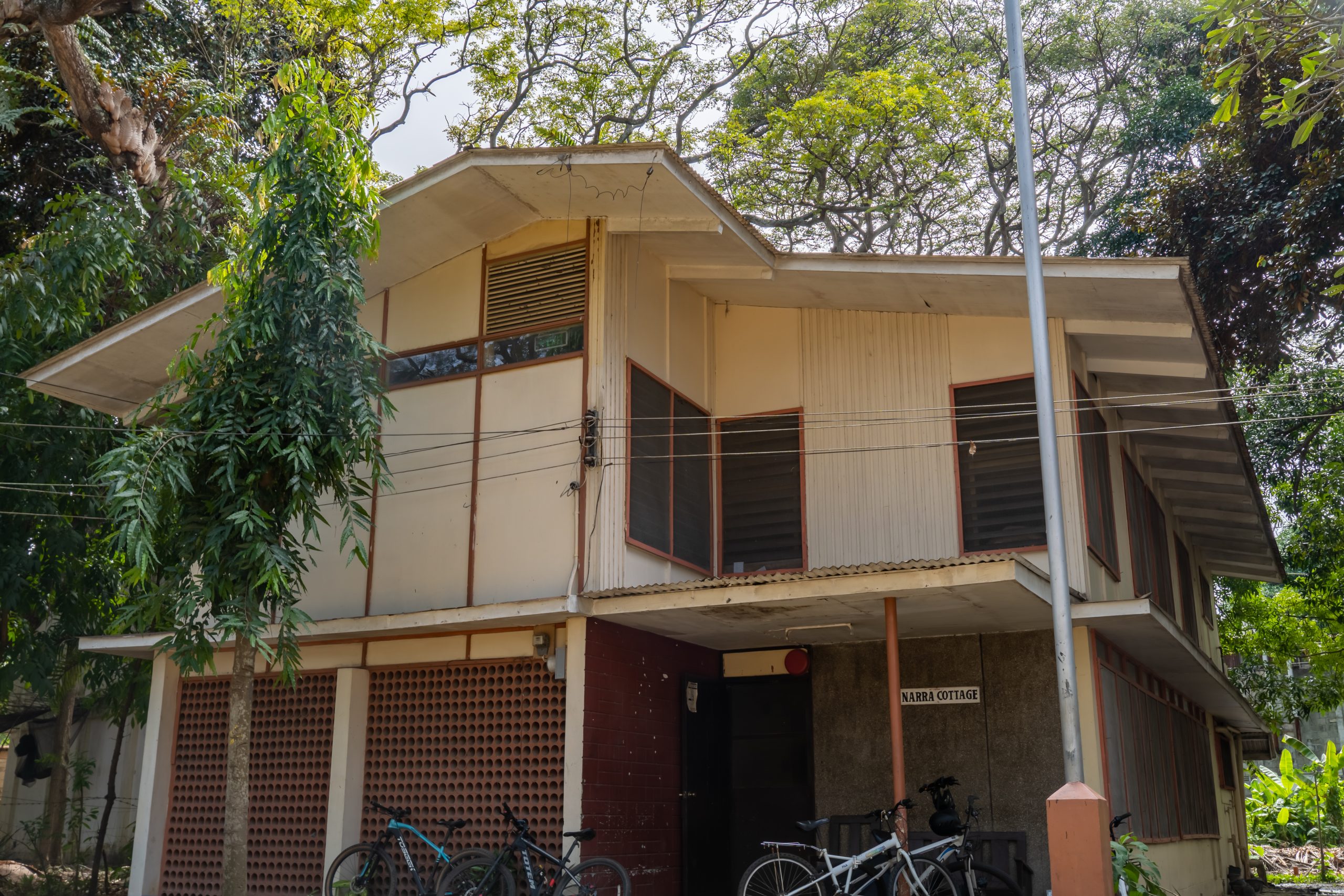
Each room accommodates six (6) residents, two of whom serve as big sisters (shortened ‘big sis’) or big brothers (‘big brod’).
Each room’s big sis or big brod carries important roles and great responsibilities to their younger sisters or brothers. They are role models, residents worthy of respect: disciplinarian, God-fearing, and good listeners. Simply put, a big sis or big brod provides a good example to their younger sisters or brothers.
COOP residents undertake some housekeeping tasks and assist in the meal planning and food preparation under the supervision of the Dormitory Adviser. Each resident must pay a two-month (2) down payment for fixed board upon enrollment. This will cover the first and last months of the semester, respectively. The regular payment schedule is posted to guide students and parents in settling their accounts each month. Unlike regular dormitories, COOP dormitories have their own cooks who make arrangements for the provision of their everyday food. In short, the marketing needs of the dormitory cook depend on timely payments made by the residents.
At the start of the school year, the Dormitory Adviser prepares the projected revenue and expenses to be presented to the residents for transparency. Likewise, the Dormitory Adviser presents the financial statement to the residents at the end of each semester, a copy of which shall be posted in a conspicuous area inside the dormitory.
DORMITORY BIG SIS AND BIG BROD PROGRAM
The dormitory management selects upper-class residents based on their performance to guide the freshmen and new students in their adjustment to the dormitory and University life during their first year. These upper-class residents are selected for their leadership experience, training, scholarships, and the desire to help students. They act as a liaison between freshmen and the dormitory management and the University in general. These upper-class residents assist and work closely with the dormitory management in promoting and implementing a pleasant living-learning atmosphere within the dormitory.
DORMITORY OFFICERS
Each dormitory is encouraged to elect officers in order to deliberate, decide, and effect activities to enrich living experiences. The governing body for each dormitory varies but generally consists of a president, vice president, secretary, treasurer, chairperson for religious, social, sports, etc. Dormitory meetings, scheduled regularly throughout the school year, give residents opportunities to better acquaint themselves with one another, plan and decide activities, discuss problems, and participate in dormitory and campus activities.
A Dormitory Resident Council (DRC) is organized as the council of officers for all dormitory residents. They elect their set of representatives and make plans and programs as well. Plans and programs are coordinated with the programs of the Dormitory Management Council (DMC).
All inquiries regarding dormitory services shall be addressed to the Student Housing and Residence Division (SHRD) of the Office of Student Services (OSS) on the Second Floor of Oriental Hall.
DORMITORY MANAGEMENT COUNCIL (DMC)
The Dormitory Management Council (DMC) comprises the Dormitory Managers, Dormitory Advisers, and the Head of the Student Housing and Residence Division (SHRD). The Dean of Students sits as an ex-officio member of the Council.
The Council elects its own officers at the start of the school year and decides on the frequency and place of its meetings. Among its functions are to define & review the policies and programs of student dormitory governments, review, appraise, and advise on the implementation of dormitory rules and regulations, and interpret university regulations concerning dormitories. The Council coordinates its programs and activities and promotes cooperation and understanding between the management and residents of all dormitories.
Note: For the dormitory policies, rules, and other related matters, please refer to our DORMITORY MANUAL.
For more inquiries, contact the OSS-SHRD at (035) 420 1901 loc 331 or [email protected].
Admission Policies
Freshmen and sophomore students who are not from the city are given priority in accommodation. Limited accommodation slots are available for juniors and seniors. Admission is based primarily on good behavior with the final approval by the SHRD office. Reservation for vacancies must be made prior to enrollment.
A dormitory applicant must:
- Submit a fully accomplished application form to the SHRD.
- Be personally interviewed by the SHRD head and/or his/her representative.
- Make the necessary down payment equivalent to 1/4 of the total semestral board and lodging fees and a processing fee of one hundred pesos (P100.00) at the Business and Finance.
- Present the official receipt of payment to SHRD.
Advisory: For room assignment, residents are encouraged to see or call the dormitory manager on or before the enrollment period. No student should come to Silliman University expecting reserved space in the dormitory unless he has gone through the process indicated above.
Schedule of Payments for Board and Lodging
- Down Payment – 25 % of the full payment + (Php 200.00 processing fee, if new applicant)
- Prelim Payment – 25 % of the full payment
- Midterm Payment – 25 % of the full payment
- Final Term Payment – 25 % of the full payment
- Summer Term – Full Payment
Withdrawal of Payments
Withdrawal from the dormitory for any reason other than sickness or physical injury should be done within the first week after the start of classes to avail of full refund of down payment less the processing fee. Students withdrawing after this period shall be charged as follows:
- If a student leaves the dorm before the first 15 days of classes, 25% of the semester lodging cost shall be charged.
- If a student leaves the dorm after the 15th day of classes, the latter shall be charged for the entire semester lodging cost.
- If a student moves in the dorm at the middle of the semester and withdraws, the counting of the first 15 days will start on the day he/she moves in the dorm.
- During summer school, 50% of the payments will be charged for withdrawal within the first three days of classes; 100% of the payment shall be charged after this period.
- In cases of payment refund, only residents who withdraw from the dormitory upon the recommendation/endorsement of the Dormitory Management and other reasons approved by the VPAA, one honorably withdraws from the University, will be granted refund.


