McCann reminds SU units the responsibility to produce new knowledge in RPI Research Grant forum
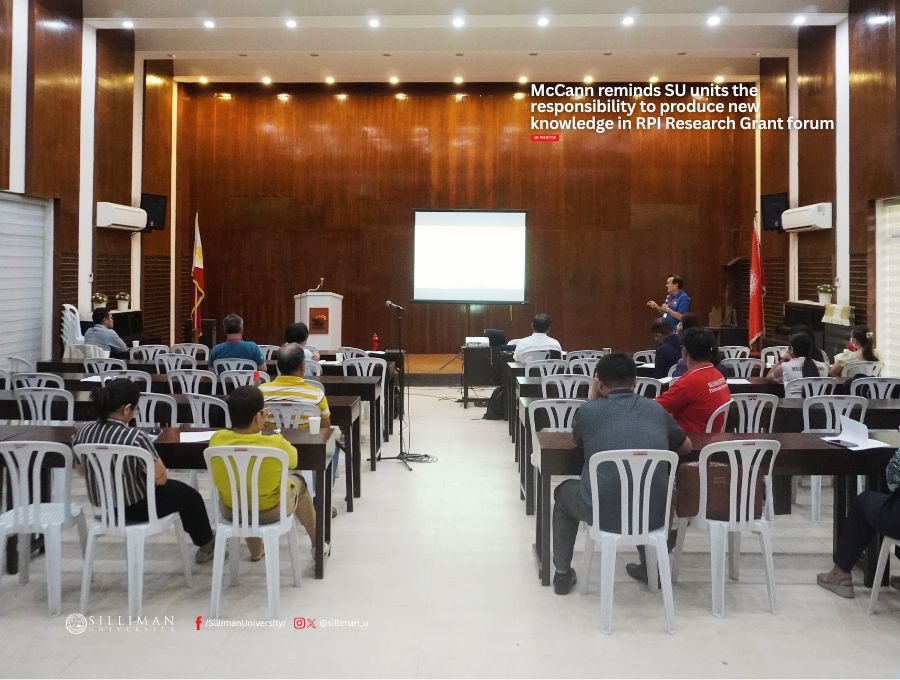
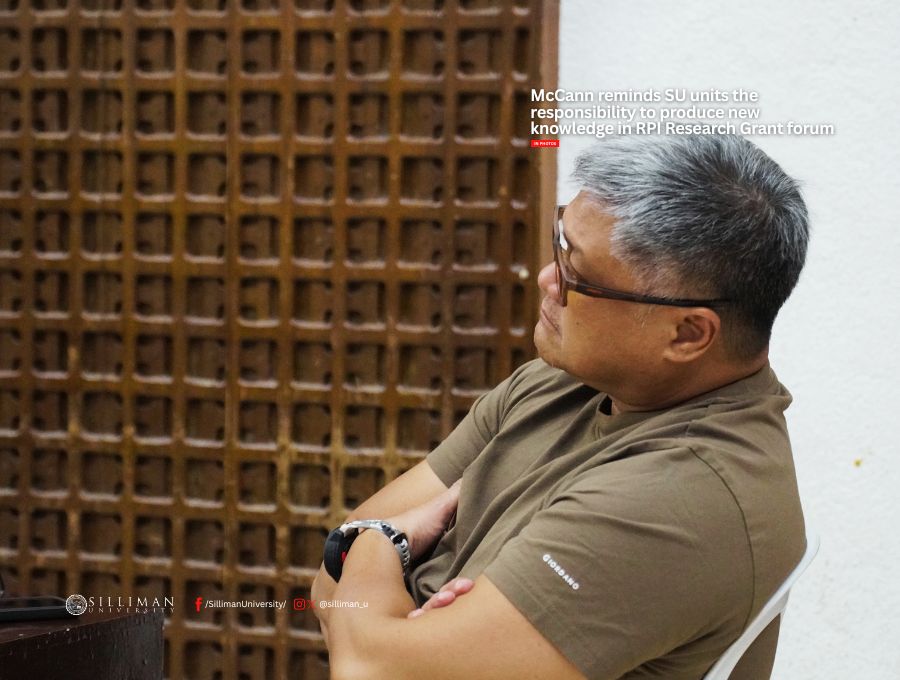
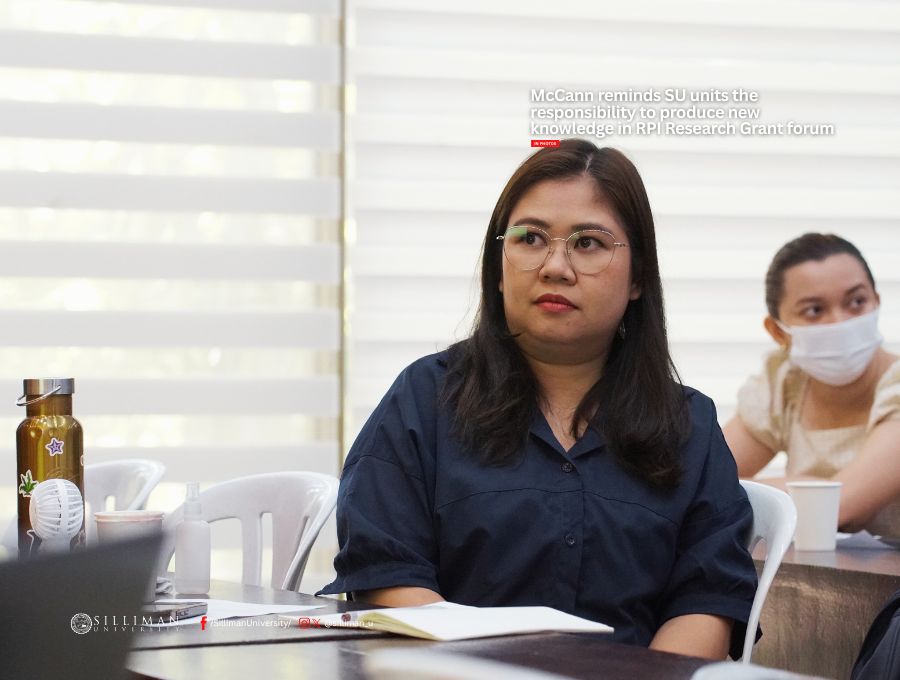
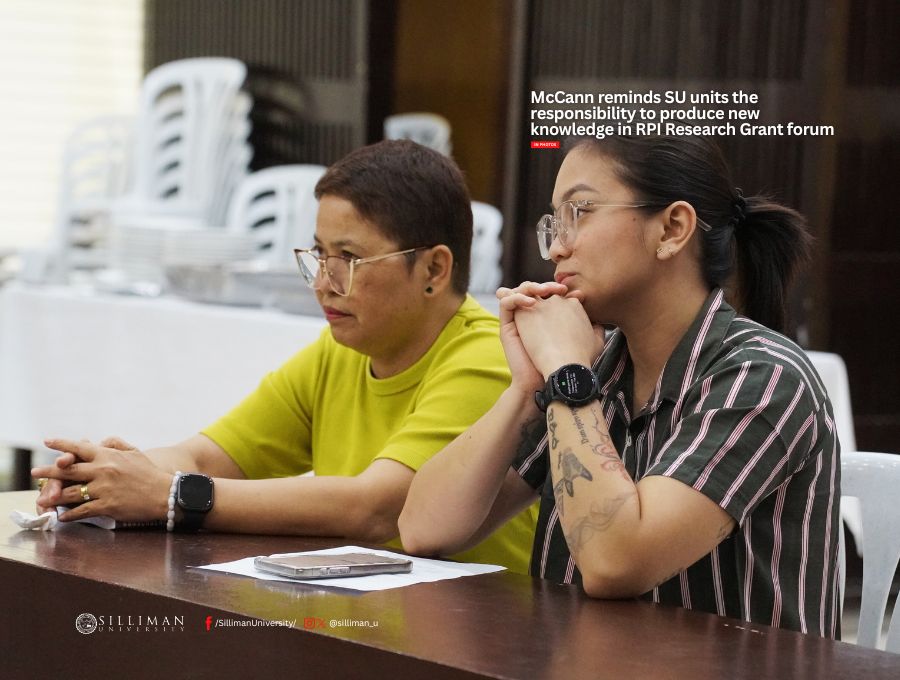
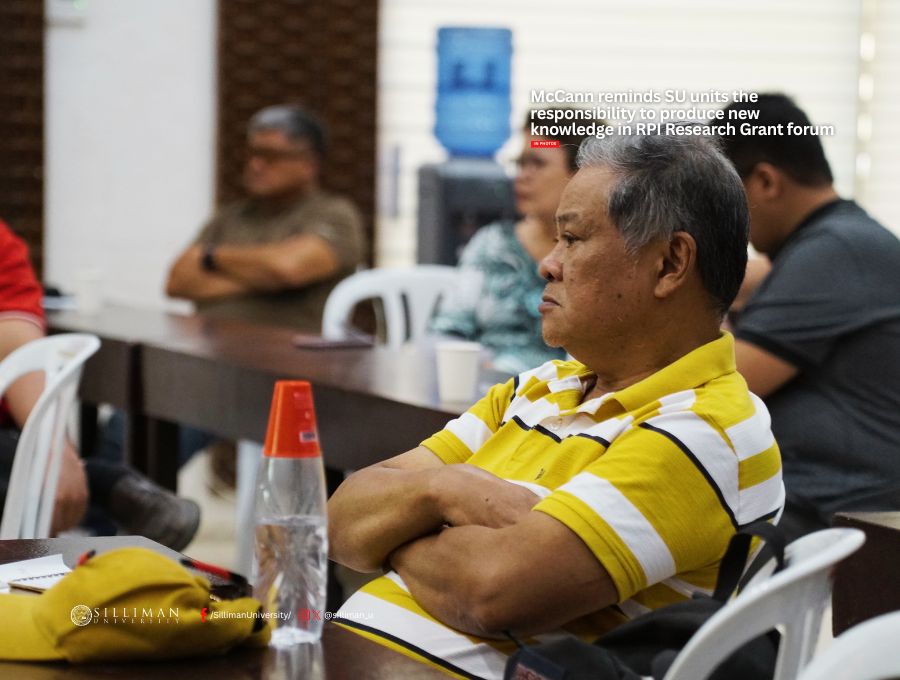
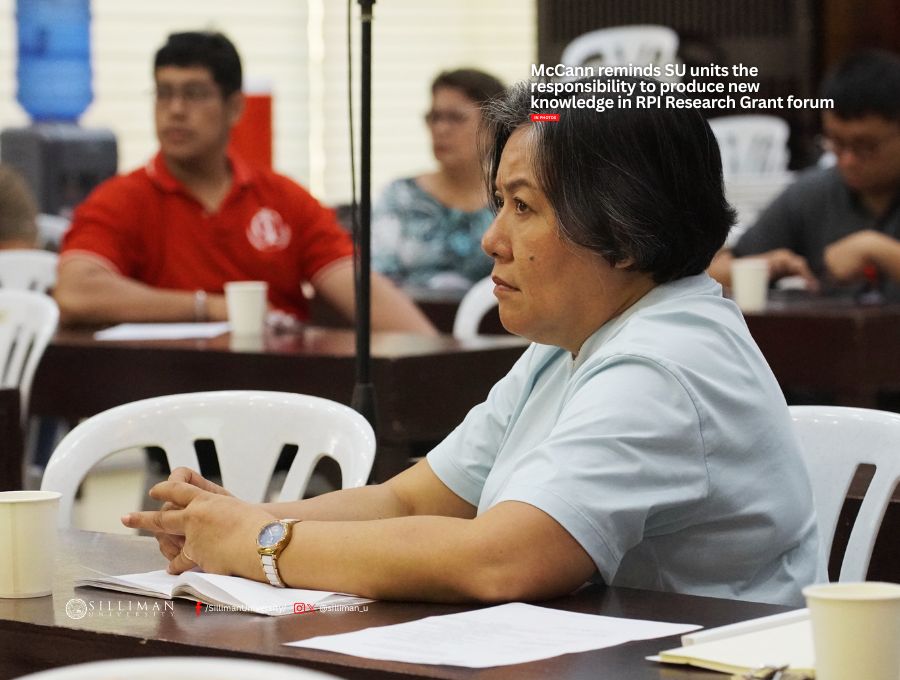
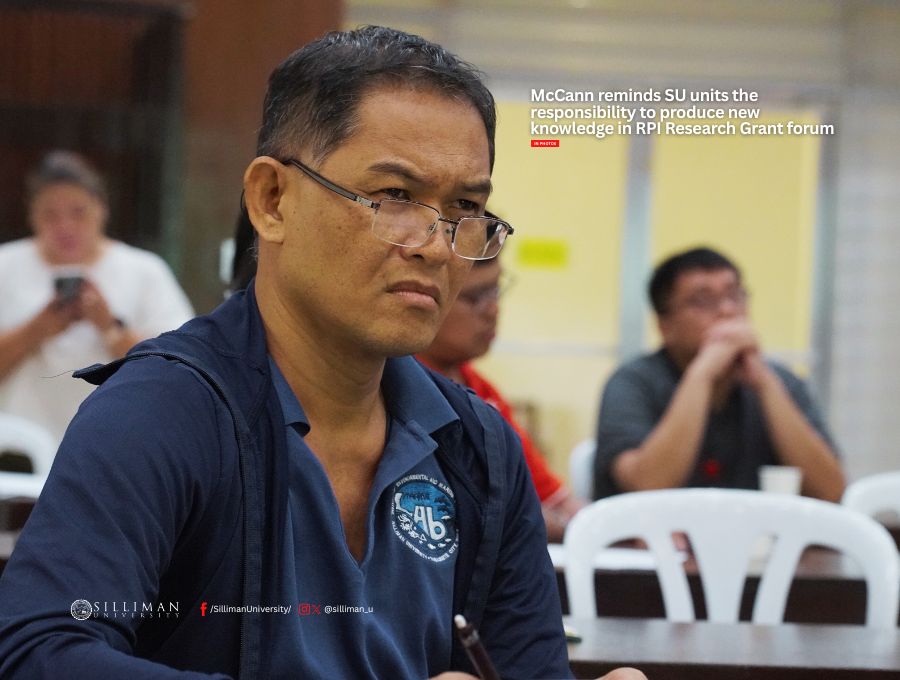
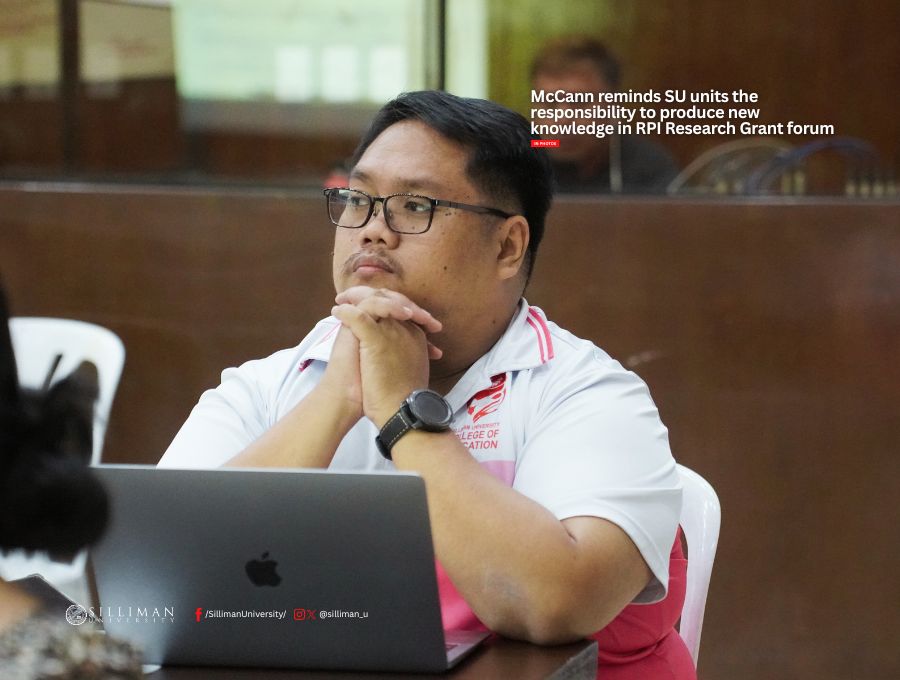
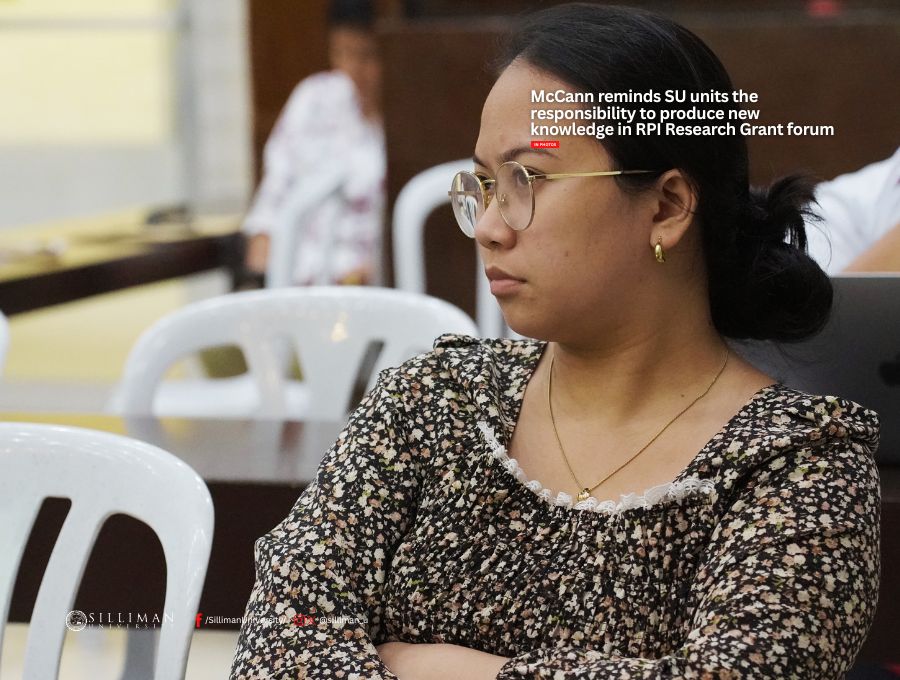
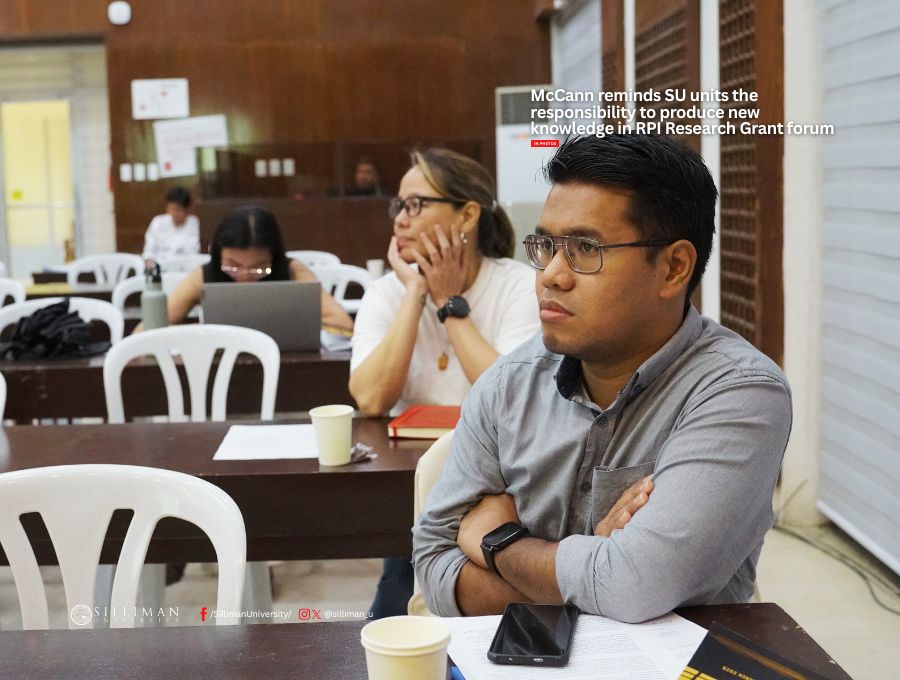
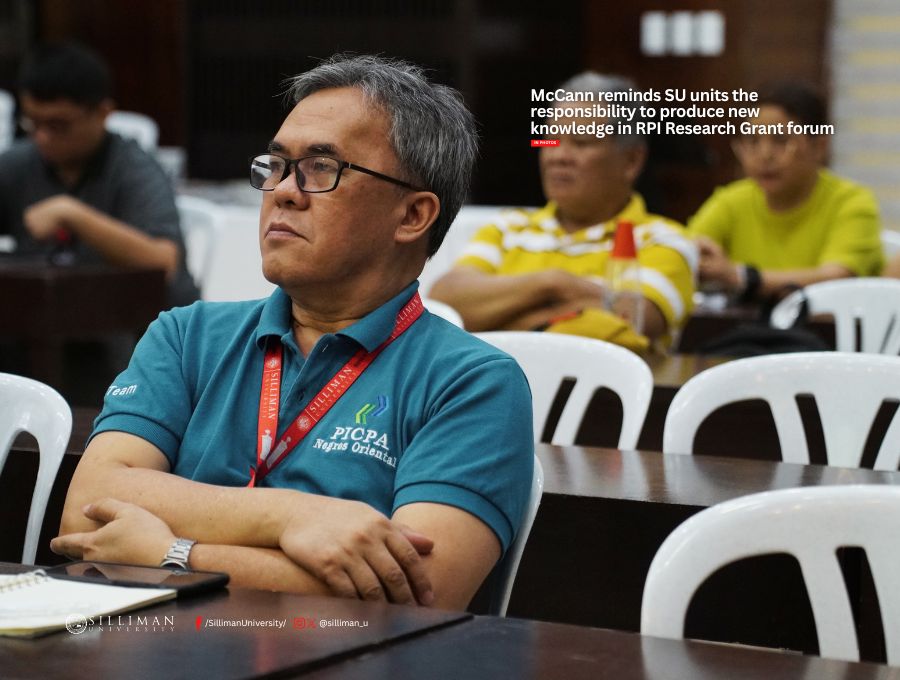
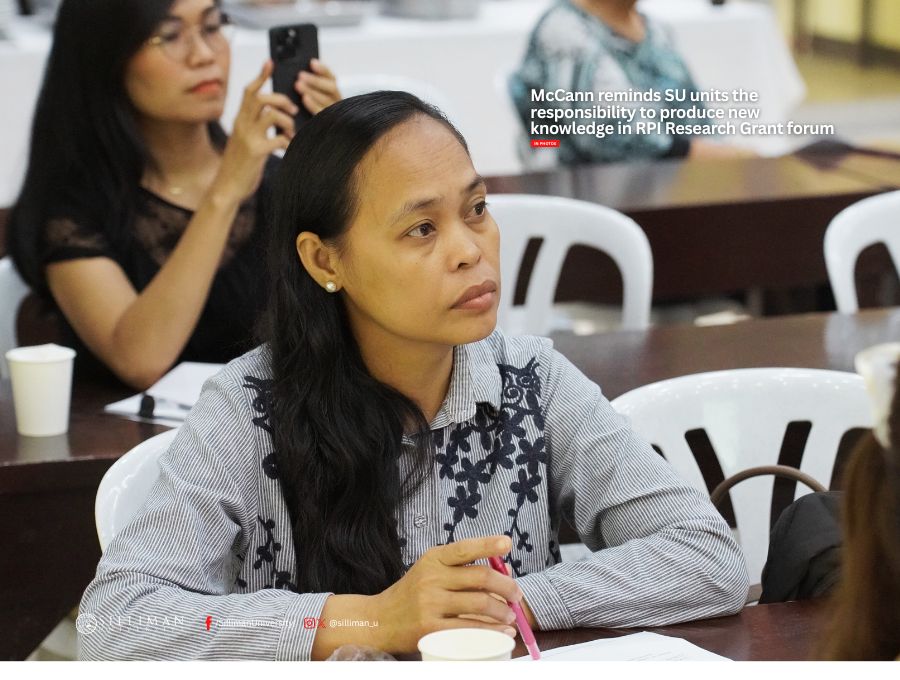
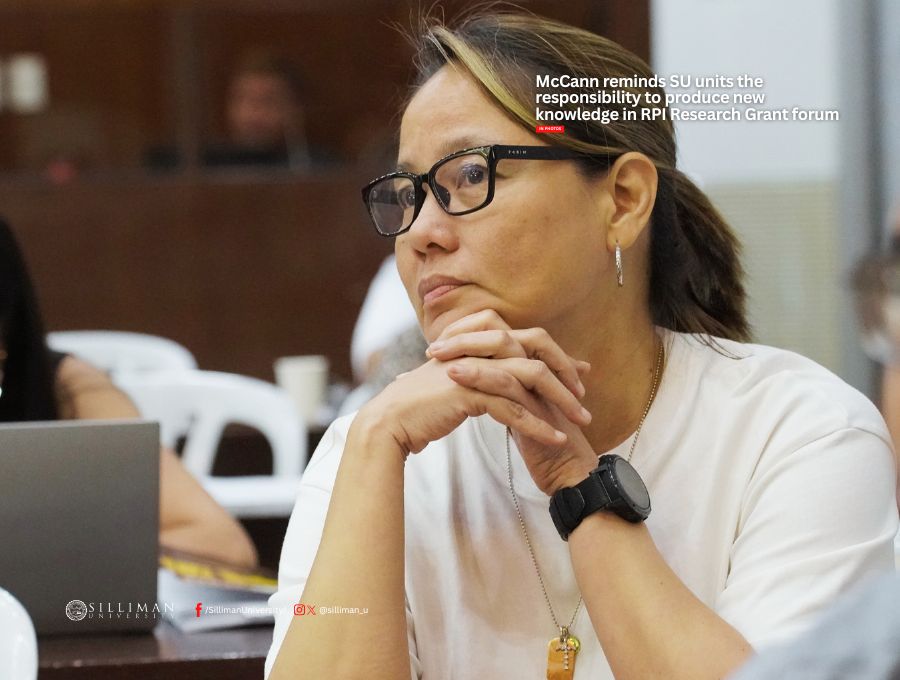
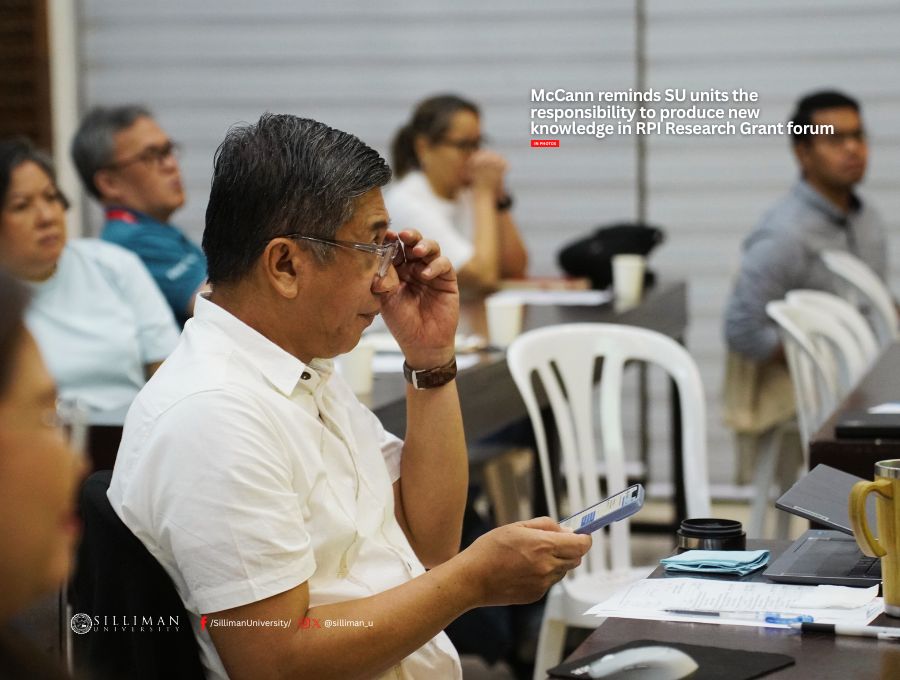
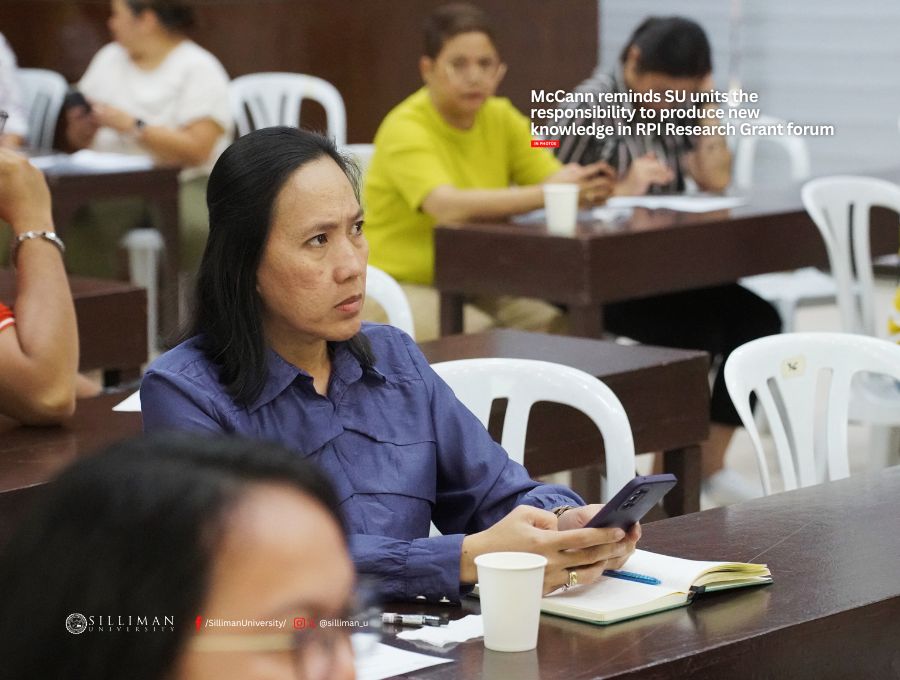
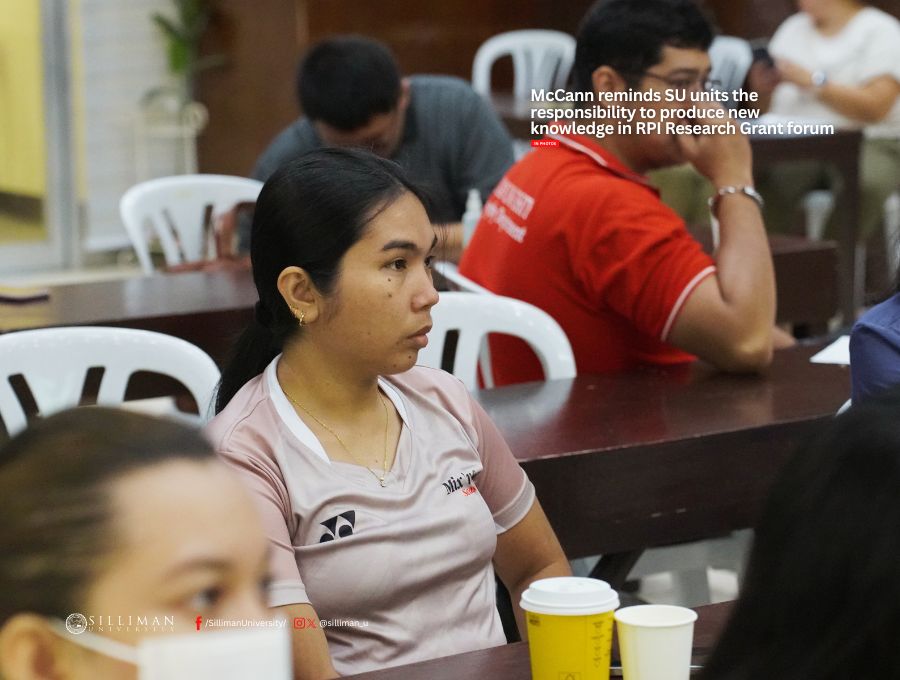
Silliman University convened faculty members, research leaders, and academic administrators at the Multipurpose Room (MPR) on March 18, 2026, for the DOST Research Grant Application Forum, an initiative aimed at strengthening the university’s research culture and preparing future grant applicants for more competitive proposal development.
Organized by the Research, Publication, and Innovation Office, the forum opened with a welcome message from RPI Executive Director Dr. Robert S. Guino-o II, who emphasized the gathering’s role in orienting faculty on the Department of Science and Technology research grant application process, guiding them through the required Grants-in-Aid forms and post-approval responsibilities, and encouraging collaboration on a proposed multidisciplinary study on microplastics and plastic pollution in the Negros Island Region.
In his remarks, Dr. Guino-o also underscored that while the 2026 DOST grant proposal deadline had already passed, the insights shared during the forum would be especially valuable for the university’s upcoming in-house research grant call on May 27, 2026. He noted that this annual grant opportunity is supported by Silliman University’s PhP 5 million allocation from the 5% research portion of the Academic Enhancement Fund, with proposals to be evaluated according to their alignment with the University Research Agenda, technical merit, and panel review.
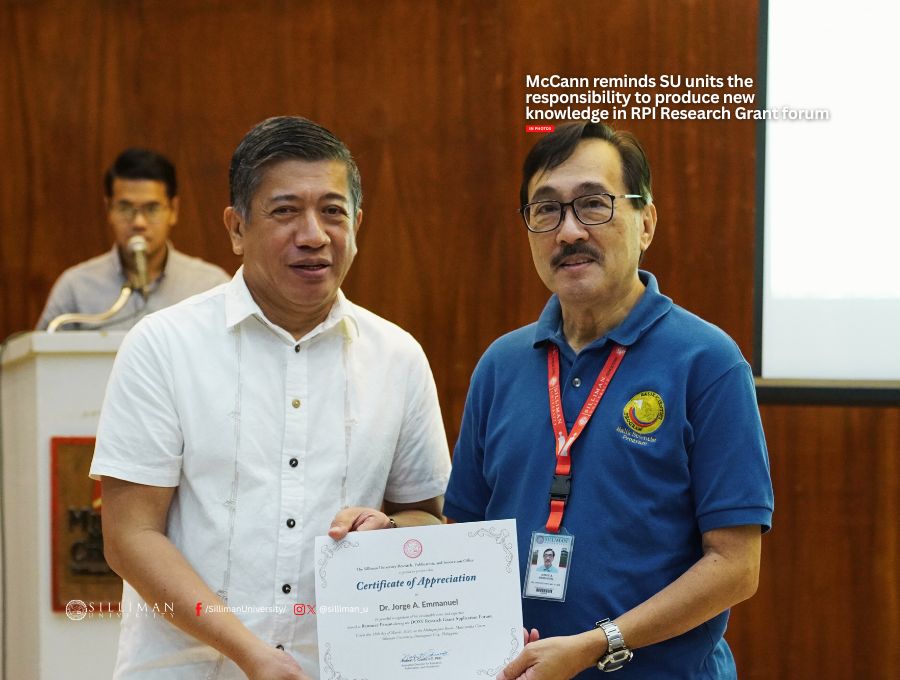
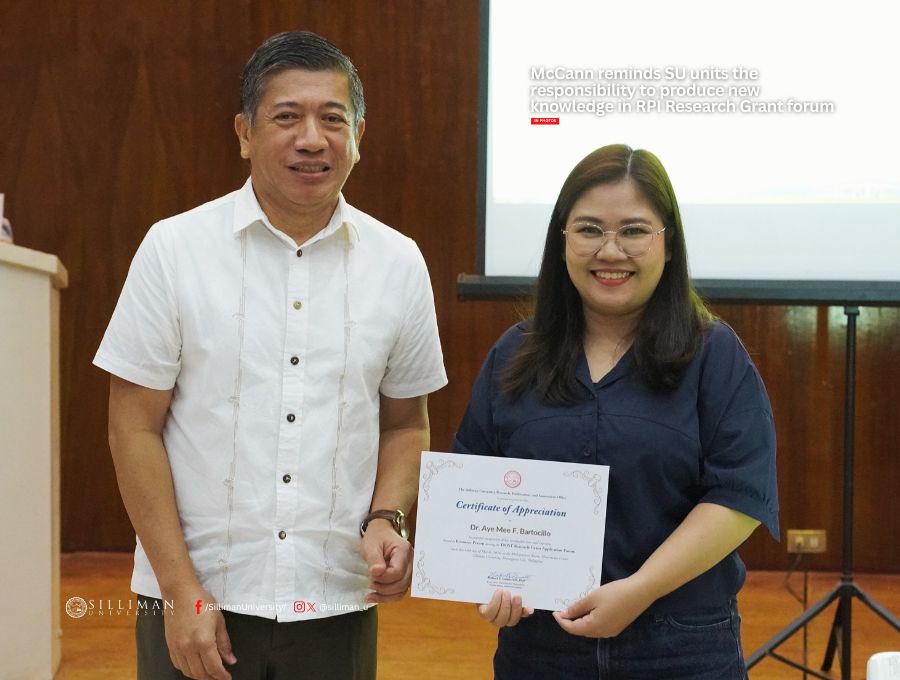
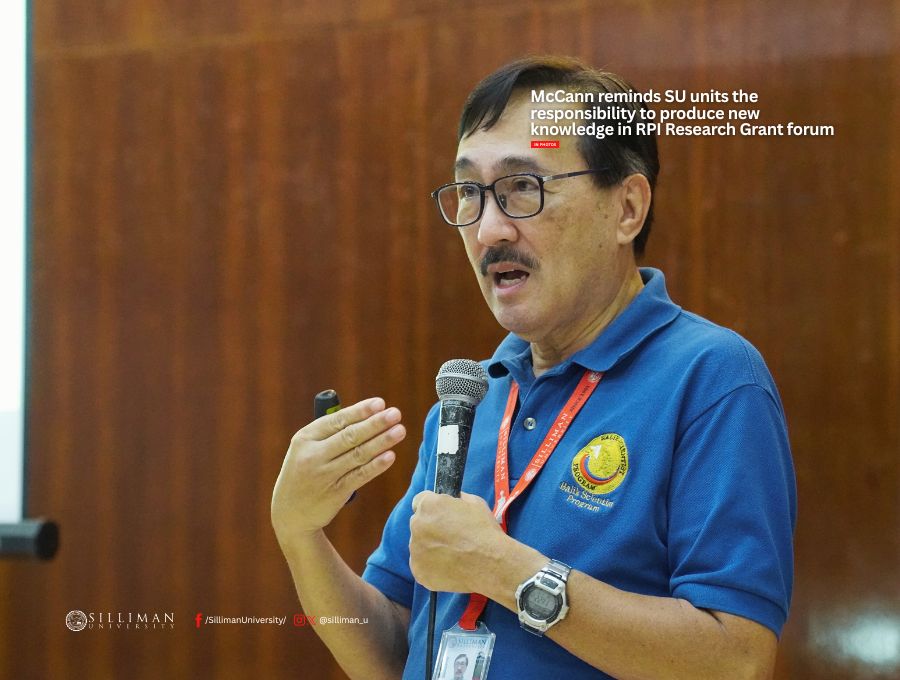
The program featured key presentations from experts and university leaders, including Dr. Aye Mee F. Bartocillo, DOST Balik Scientist Program Senior Science Research Specialist at Silliman University, who discussed navigating the DOST research grant application; Dr. Alana Leilani C. Narciso, dean of the College of Arts and Sciences, who led the relaunching of the Convergence Journal; and Dr. Jorge O. Emmanuel, SU Senior Research Faculty Fellow and former DOST Balik Scientist Program Senior Science Research Specialist, who presented the planned Silliman University proposal to the DOST GIA titled Hub for Multi-Disciplinary Microplastic and Plastic Pollution Research in the Negros Island Region.
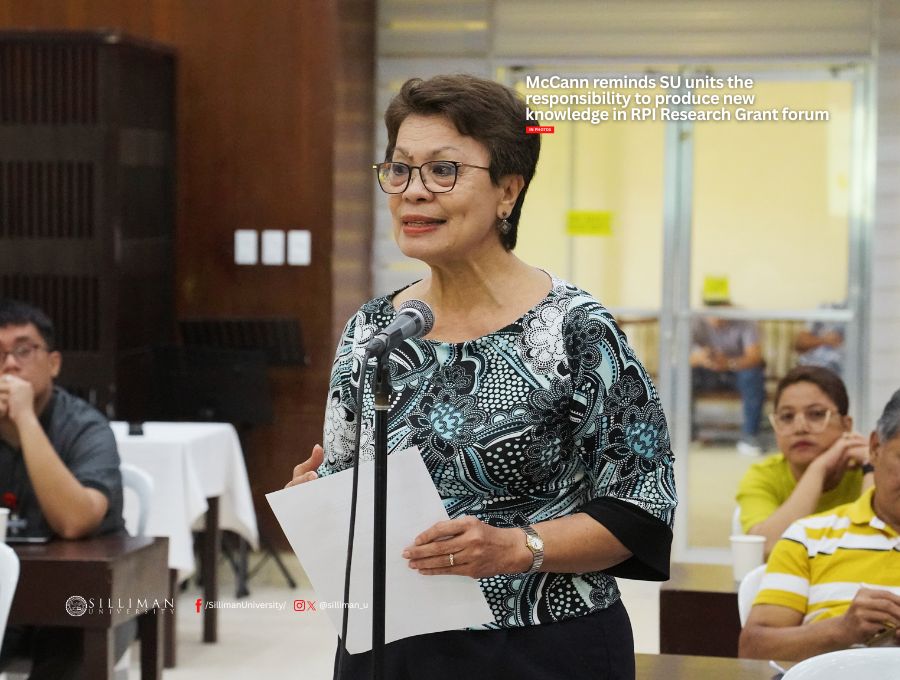
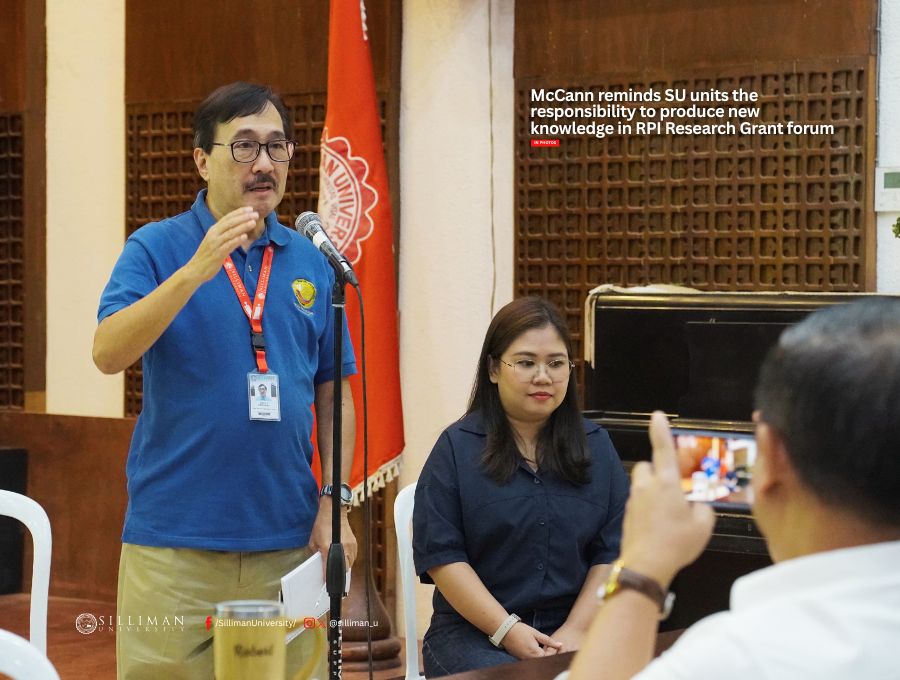
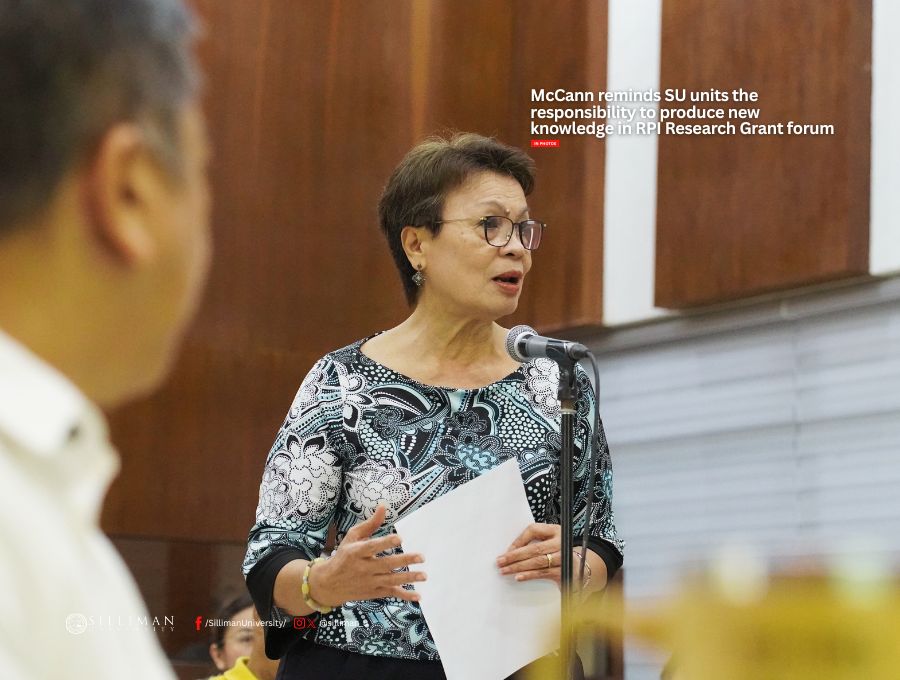
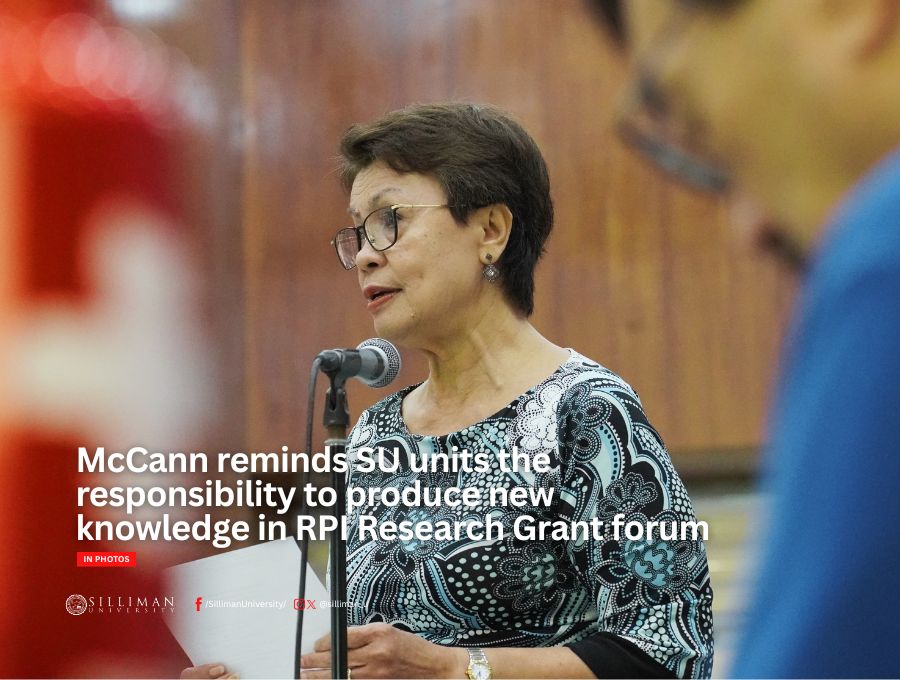
Dr. Betty Cernol McCann, SU president, also spoke at the event, highlighting the larger significance of research within the life of the university.
McCann underscored that Silliman University, as an academic community, is called not only to transmit knowledge from books and established literature but also to produce new knowledge that responds to present realities. She stressed that research is essential even in the university’s primary work of instruction, as existing theories and principles must continually be reexamined in light of current local conditions and emerging data. She also emphasized that research participation must extend beyond departmental interests to yield insights that benefit the university and society.
The university president also pointed to the broader relevance of the proposed multidisciplinary study, noting that research gains deeper value when linked to community engagement, policy, and governance. She highlighted the need to examine not only scientific and technological dimensions of environmental issues but also their social and cultural aspects, particularly in understanding human behavior, sustainability practices, and community response.
Citing Apo Island’s recognition for its zero-waste efforts, McCann noted the importance of returning to communities to study how such practices are sustained—or why they may falter over time—so that research can inform practical mitigation measures and policy directions. She further urged participants to turn ideas into concrete written proposals, reminding them that even the best concepts must be committed to paper to move forward as viable grant applications.
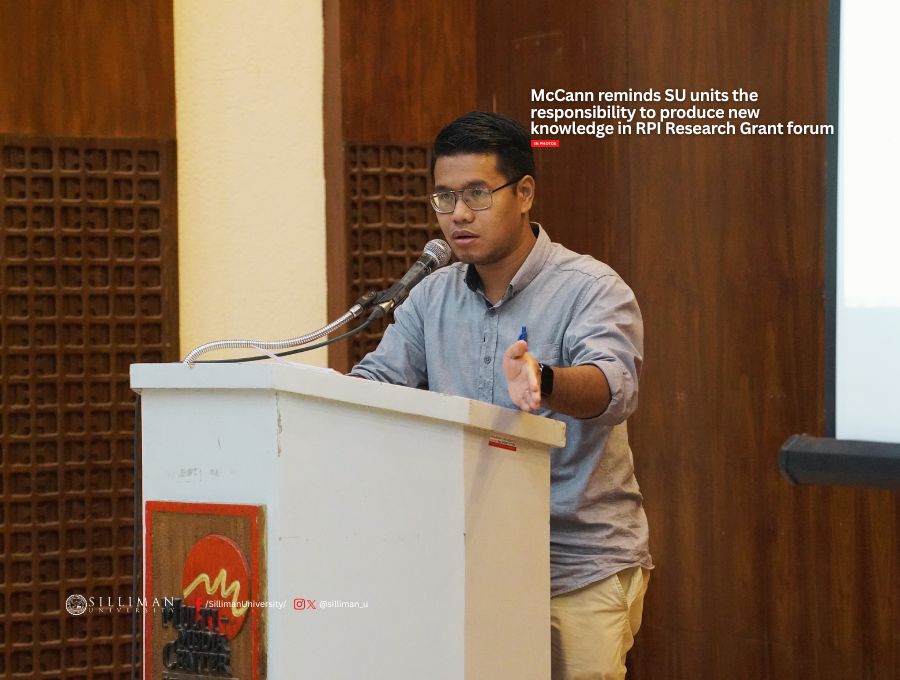
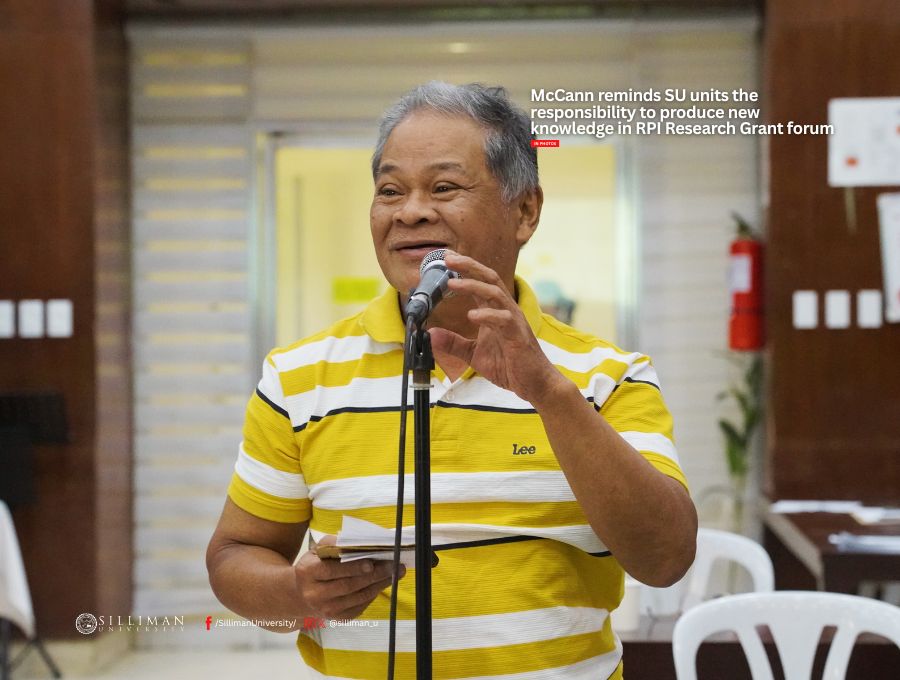
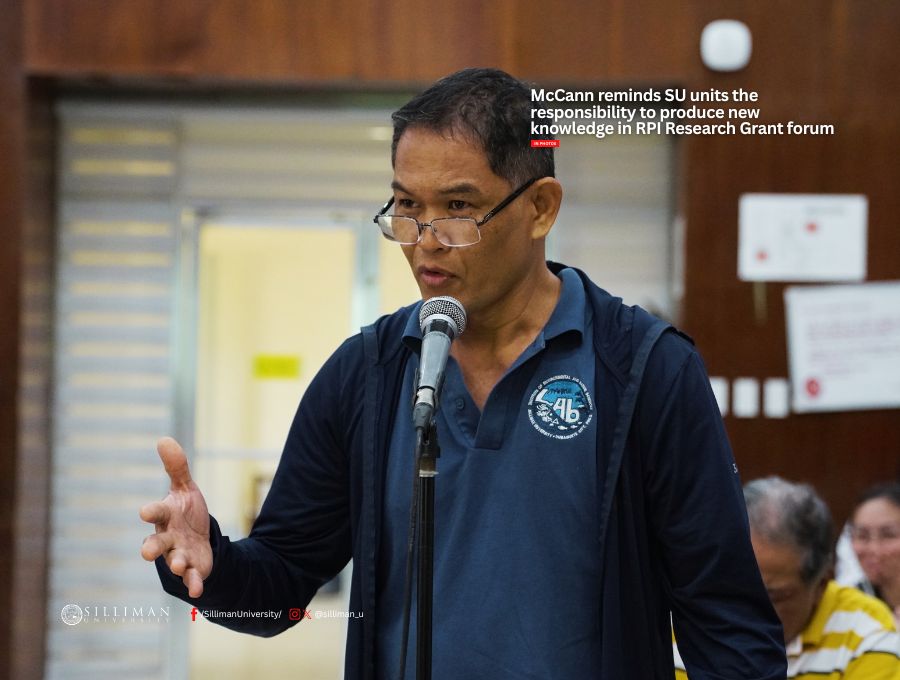
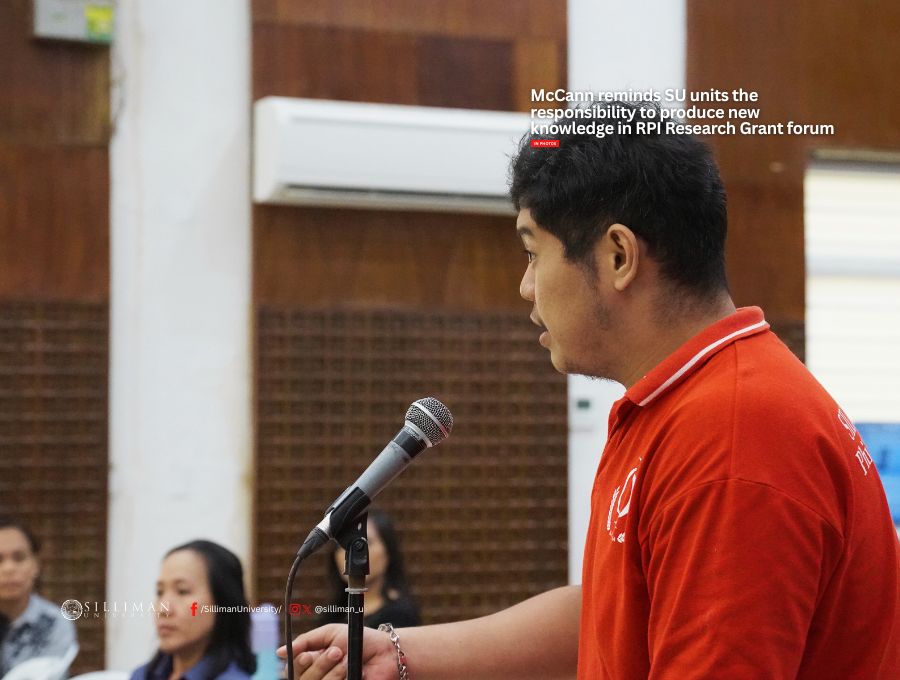
The forum concluded with a question-and-answer session, allowing participants to raise concerns, clarify procedures, and exchange ideas for future research collaboration.