ICETI 2026 Highlights Global Dialogue on Educational Technology and Innovation
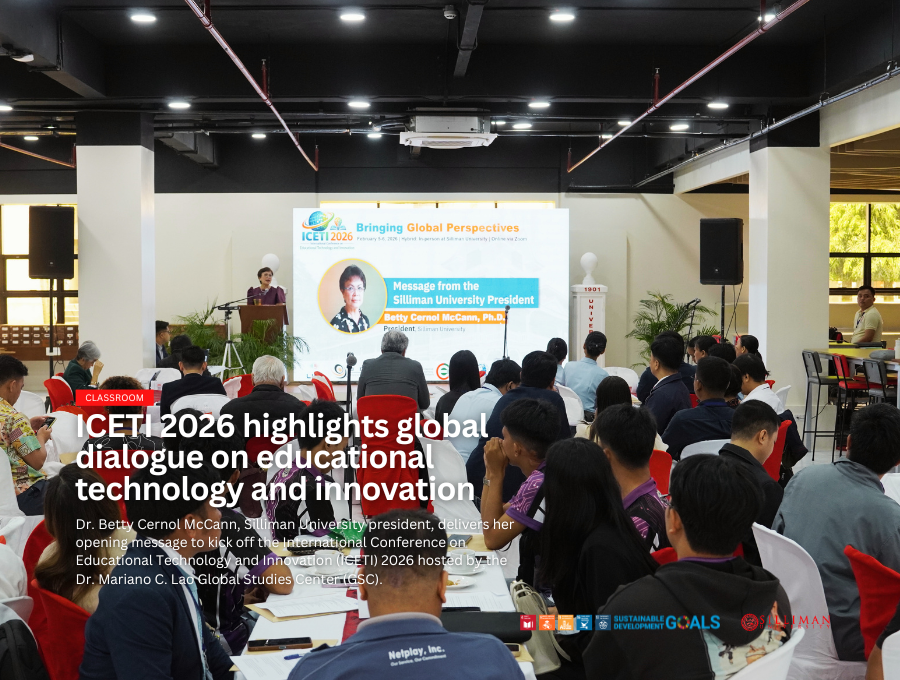
Silliman University (SU), through its Dr. Mariano C. Lao Global Studies Center (GSC), organized and hosted the International Conference on Educational Technology and Innovation (ICETI) 2026 on February 5, 2026, carrying the theme “Bringing Global Perspectives.”
The two-day conference gathered educators, researchers, and partner institutions from across the country and abroad to engage in dialogue on the evolving role of educational technology in teaching, research, and community engagement.
GSC Director and Conference Chair Dr. Dave E. Marcial underscored the rationale behind the conference, emphasizing the need for universities to adapt amid rapid digital transformation. He noted that educational innovation must be anchored in purpose while remaining responsive to global changes.
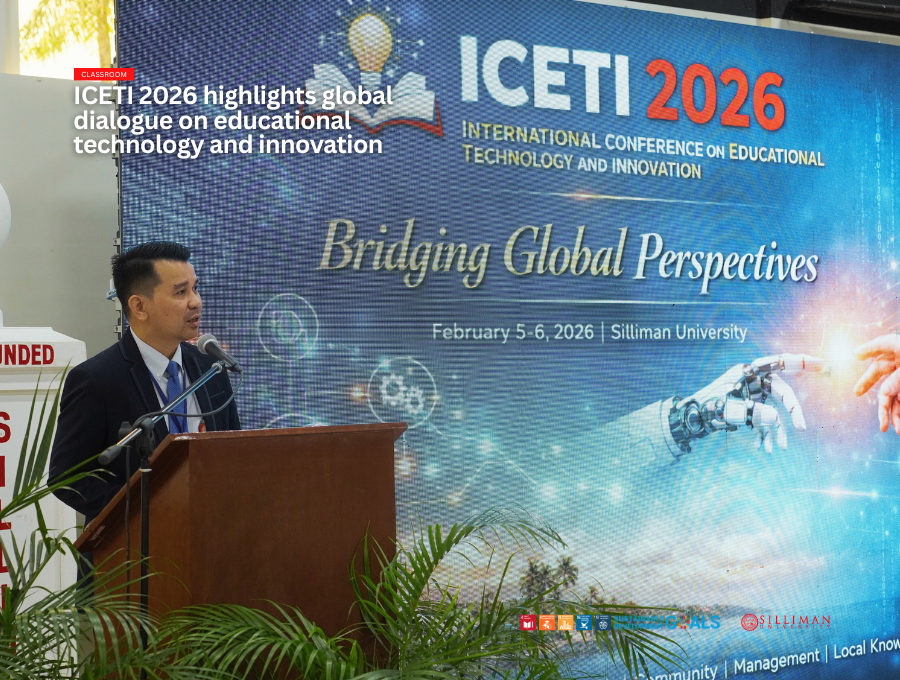
“This conference was designed as a platform for dialogue, reflection, and collaboration on how educational technology and innovation can transform teaching, learning, research, community extension, and preservation of our traditions,” Marcial explained.
ICETI 2026 aimed to bridge diverse contexts, disciplines, and experiences, bringing together ideas and real-world practices in an increasingly connected educational landscape.
According to Marcial, the conference received 143 abstract submissions, of which 89 were accepted after initial screening, and 60 full papers were subsequently evaluated based on innovation, methodology, and scholarly quality. Best paper awards are set to be announced at the conclusion of the conference, slated for February 21.
Marcial also highlighted the breadth of the conference program, which featured keynote and plenary sessions delivered both onsite and online, as well as parallel breakout sessions focusing on innovations in teaching and learning, digital ethics and responsible AI use in education, digital technologies in research and publication, community extension and service learning, school leadership and management transformation, and digital preservation of culture and local knowledge.
“Beyond presenting research, ICETI 2026 aims to foster partnerships and conversations that can lead to future projects, joint research, and meaningful innovation in education,” he said.
In her opening message, SU President Dr. Betty Cernol McCann emphasized the growing importance of educational technology in shaping modern learning ecosystems.
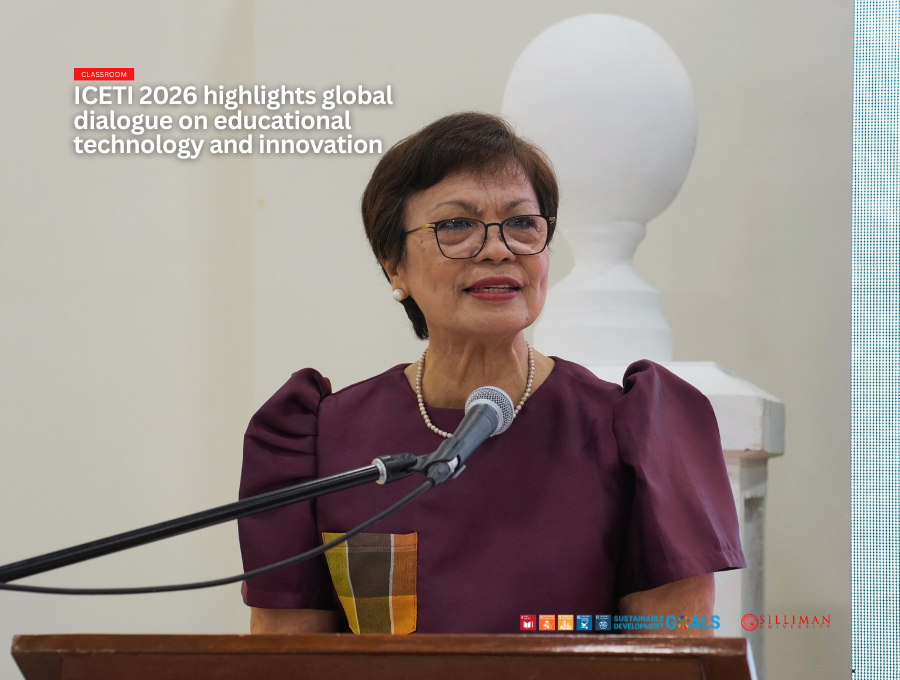
“Educational technology is no longer a peripheral support to teaching and learning. Educational technology has become a defining force in how knowledge is created, shared, and applied,” McCann said.
She pointed out that the educational landscape is being constantly reshaped by technological advancements, shifting learner expectations, and global disruptions, requiring institutions to rethink pedagogies and learning spaces.
“Innovation today is not simply about adopting the latest platforms or tools. Technology is about reimagining pedagogy, redesigning learning spaces, and renewing our understanding of what it means to educate the whole person in a complex and uncertain world,” she added.
McCann further stressed that meaningful educational technology programs require clarity of purpose, strong institutional culture and leadership, sustained investment in people, and global partnerships. She cited SU’s own initiatives, including its learning management system, the Global Studies Center, and the Transformative Learning Center, as part of its continuing efforts to integrate technology into teaching, research, and community service.
The president also highlighted the importance of ethical and inclusive innovation, noting that universities must remain guided by values related to access, data privacy, academic integrity, and equity.
“Technology is a powerful means, but education remains a profound human endeavor. Our task is not simply to keep up with change, but to shape it with wisdom, courage, and compassion,” McCann said.
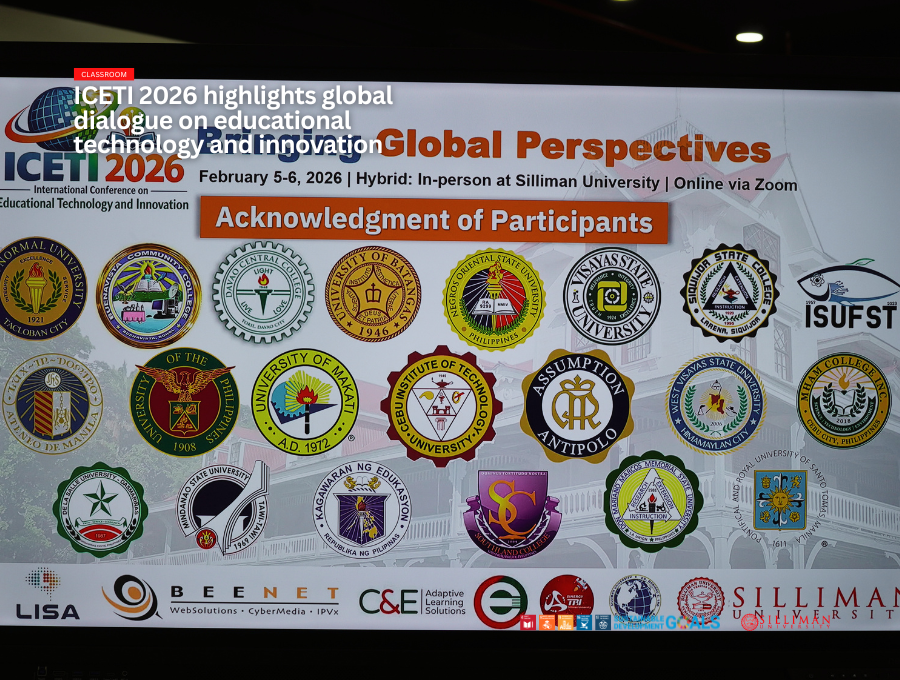
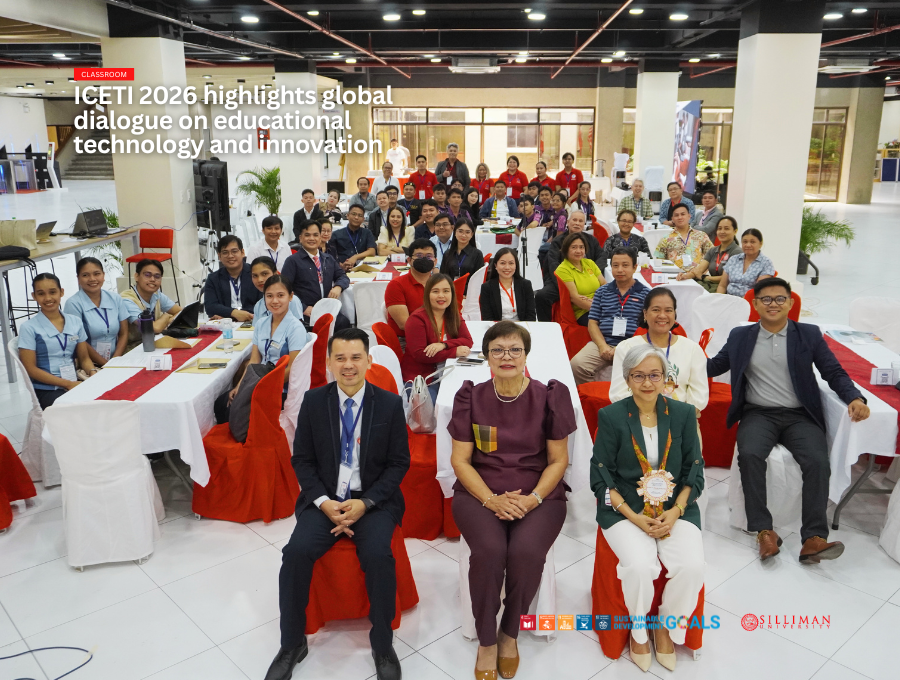
The first day of the hybrid conference drew participation from at least 20 institutions, including higher education institutions, schools, government agencies, and partner organizations in person and online, reflecting a shared commitment to advancing educational technology, innovation, and collaborative scholarship.
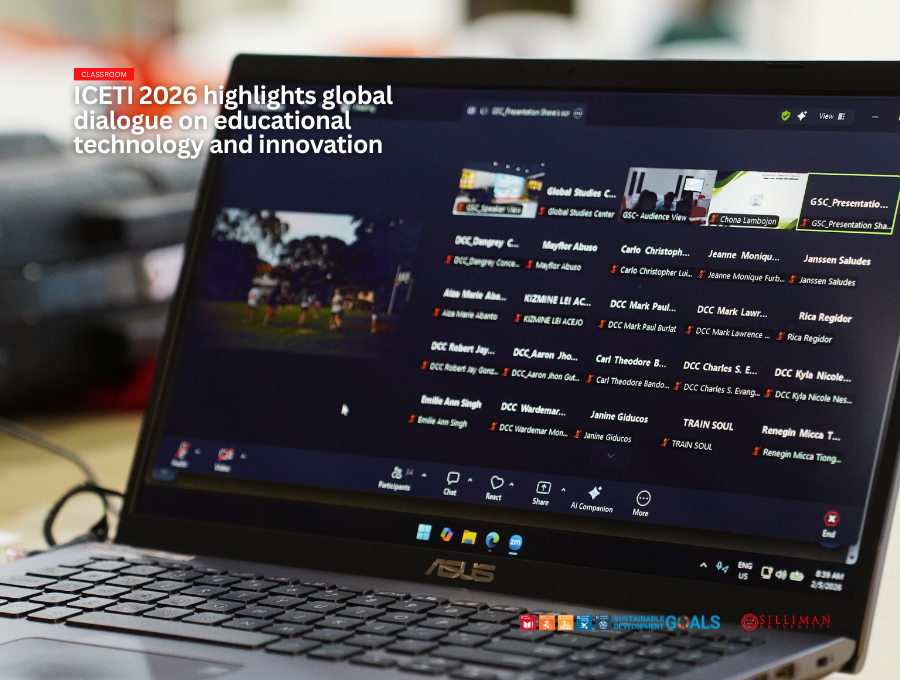
Due to Tropical Cyclone Wind Signal No. 2 in Dumaguete City last February 6, the second day of the conference has been rescheduled on February 21, 2026 (Saturday) and will be conducted fully online via Zoom, with all sessions following the same program, time slots, and session assignments, and onsite paper presentations transferred to the virtual platform.


