SU-GForest Project conducts biannual monitoring in Ticao Island
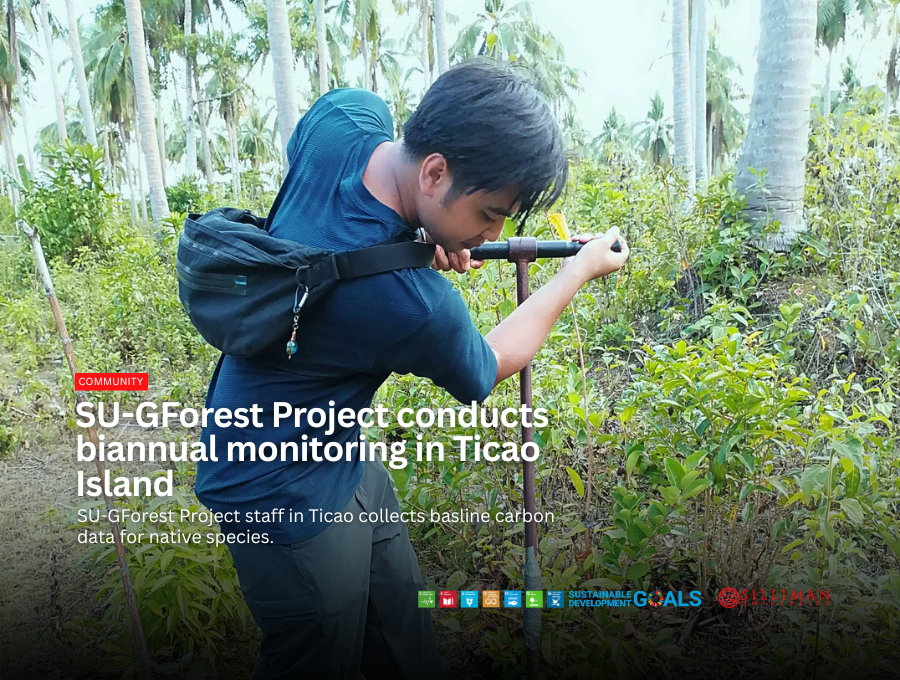
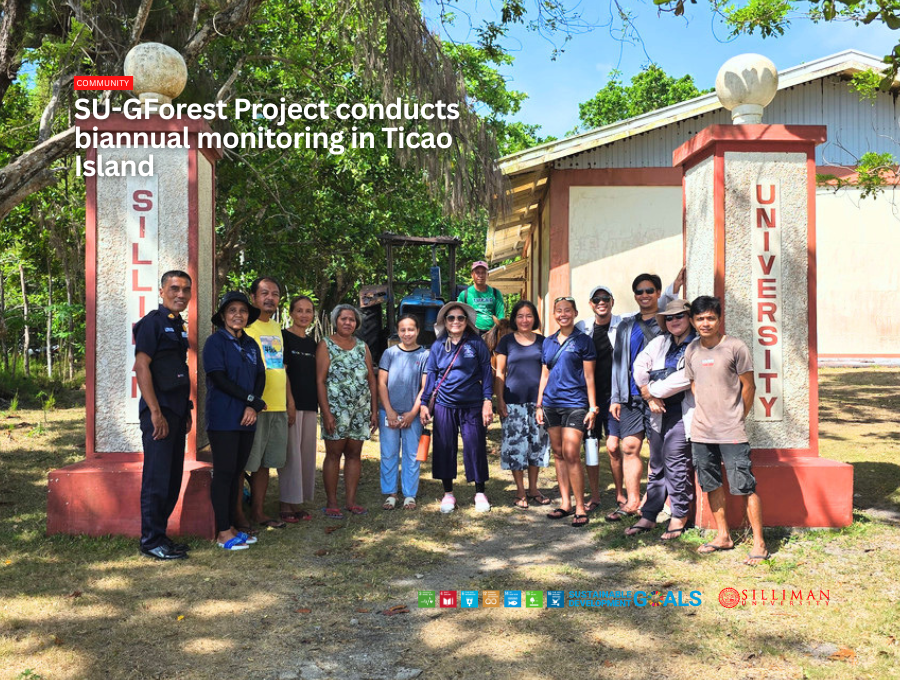
Silliman University’s SU-GForest Project Ticao conducted its biannual monitoring trip from May 6 to 15, 2026, at the Silliman University How Project site in Sitio Baladingan, Barangay Famosa, Ticao Island, Masbate, as part of its continuing efforts to ensure the long-term sustainability of its reforestation and carbon sequestration initiatives.
The monitoring team, led by Project Coordinator Dr. Hilconida P. Calumpong, carried out key field activities aimed at assessing project progress and strengthening local implementation. Team members included Clint G. Alvior, Logistics Coordinator; Floramae J. Neri, Field Operation Coordinator; Joaquin Lorenzo I. Hernandez, Project Staff; Pablina L. Cadiz, Blue Carbon Specialist; and Julia B. Javier, Project Staff.
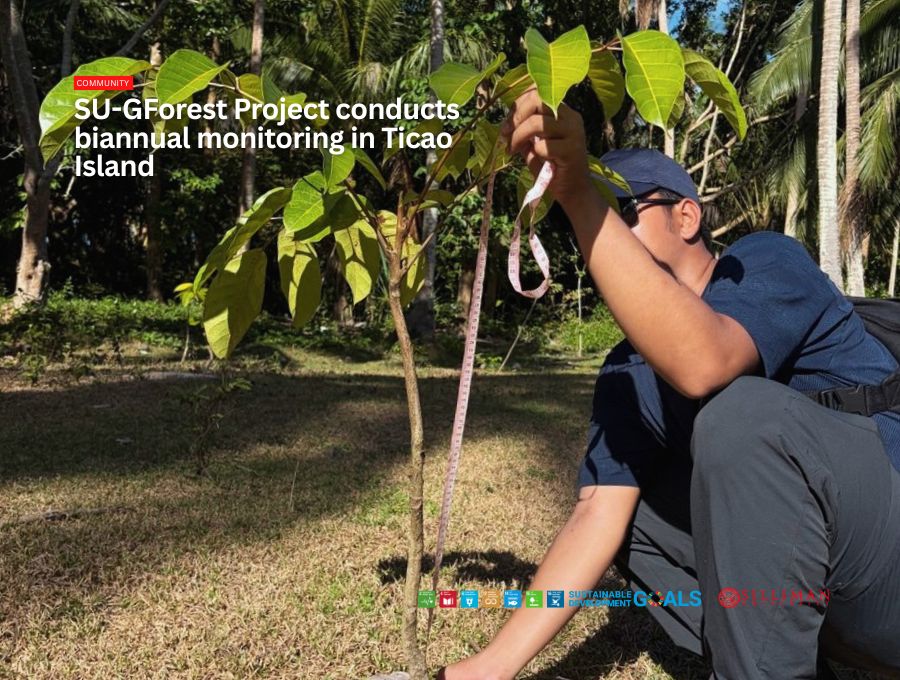
During the visit, the team monitored the survival and growth of cashew (Anacardium occidentale) and native tree seedlings previously planted across the site. They also expanded the project nursery, conducted training for local monitoring staff, and collected baseline blue carbon data to support future environmental assessments.
To date, the project has successfully planted 2,624 seedlings across Ticao Island. Of these, 67 percent are high-value fruit trees, including cashew (A. occidentale) and pili (Canarium ovatum). The remaining seedlings consist of a diverse mix of native tree species such as dangkalan (Calophyllum inophyllum), ugob (Artocarpus altilis), antipolo (Artocarpus blancoi), barayong (Afzelia rhomboidea), paraiso (Melia dubia), hamorawon (Vitex parviflora), kuyawyaw (Alstonia macrophylla), milipili (Canarium luzonicum), and bangkal (Nauclea orientalis).
The SU-GForest Project aims to reforest 100 hectares of limestone forest and agricultural land in Ticao Island, contributing to enhanced carbon sink capacity and biodiversity conservation while diversifying agricultural production and providing supplemental livelihood opportunities for farm workers and local communities.


