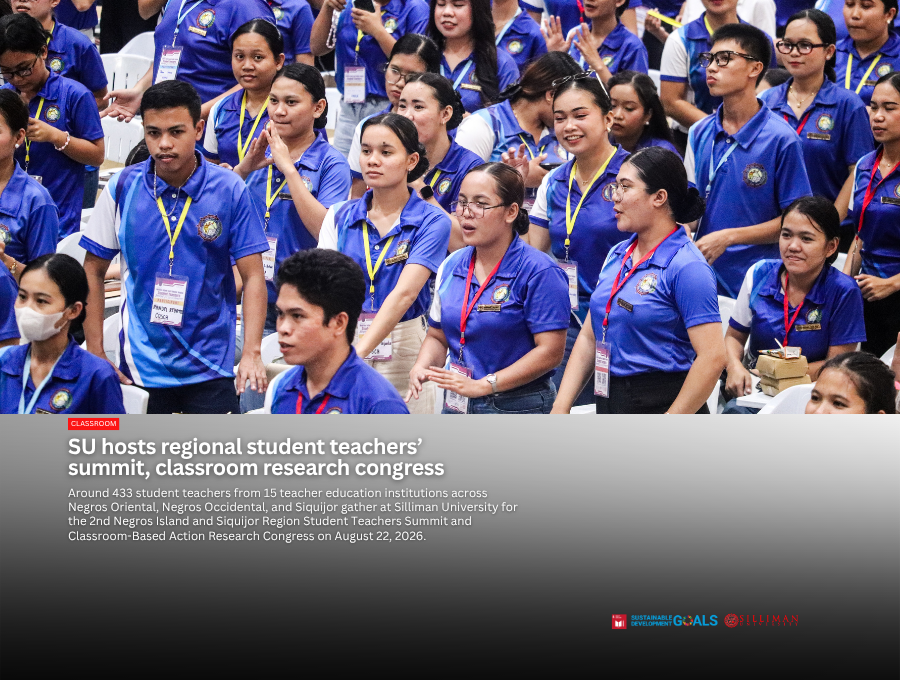
SU hosts regional student teachers’ summit, classroom research congress
The Silliman University (SU) College of Education gathered approximately 433 student teachers from 15 teacher education institutions across Negros Oriental, Negros Occidental, and Siquijor for the 2nd Negros Island and Siquijor Region Student Teachers Summit and Classroom-Based Action Research (CBAR) Congress on August 22, 2026, at the Silliman University Gymnasium, the IMTC AVT1 and the Multi-purpose Room.
The one-day gathering featured parallel presentations of completed CBAR of current and former student teachers, and specialty sessions on teaching and assessment; and plenary discussions on qualitative research and digital ethics.
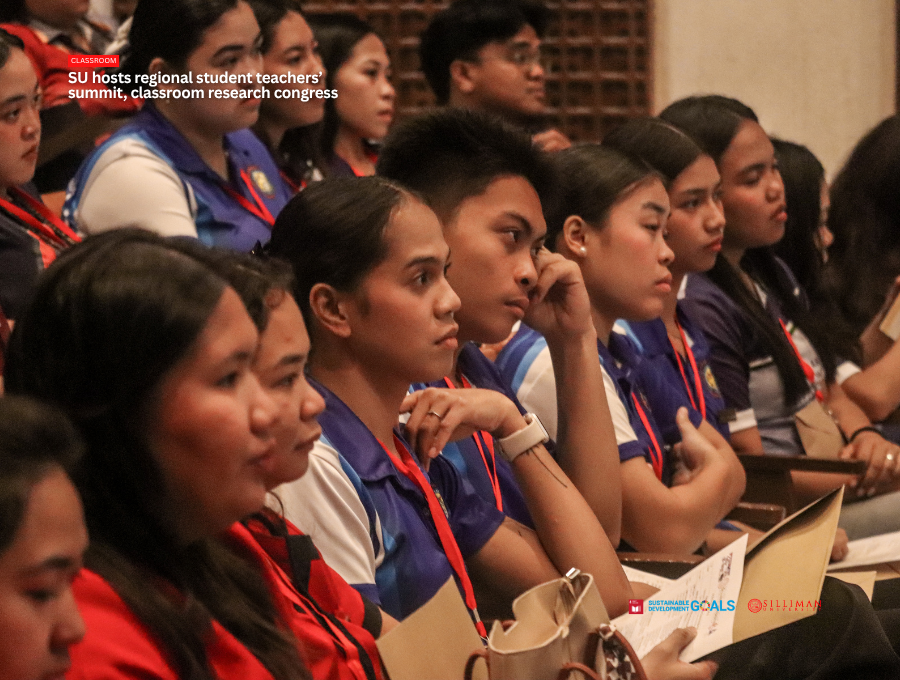
Participating teacher education institutions presented completed classroom-based action research papers, demonstrating how student teachers and future educators can transform classroom challenges, learner needs, and teaching experiences into systematic inquiry and evidence-based interventions.
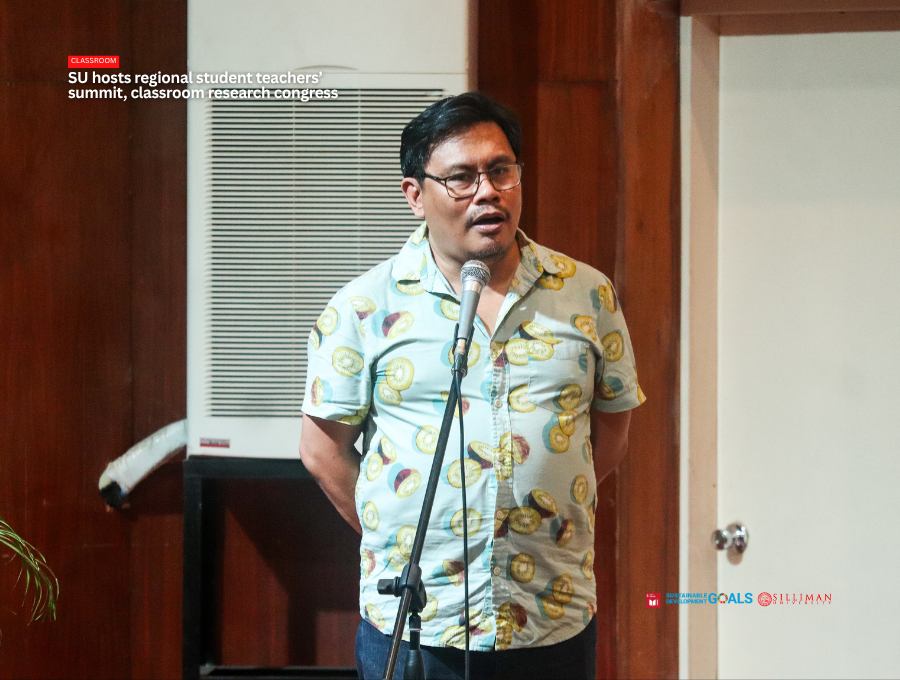
The Summit also featured three concurrent specialty sessions. Multi-awarded writer and SU Assistant Professor Ian Rosales Casocot led a session on “Writing and Teaching Children’s Literature.” Meanwhile, SU Junior High School Principal and experienced U.S. educator Assistant Professor Ivory V. Asunto facilitated a seminar-workshop on “Teach Like a Champion,” based on the Doug Lemov’s book on efficient and effective classroom instruction. Dr. Joshua S. Soldivillo, PEAC National Trainer and Capacity Building Officer of the SU Office of Quality Instruction and Excellence, conducted “Nuts and Bolts of Assessment,” providing practical insights into designing assessment tasks and using evidence of learning to inform instruction.
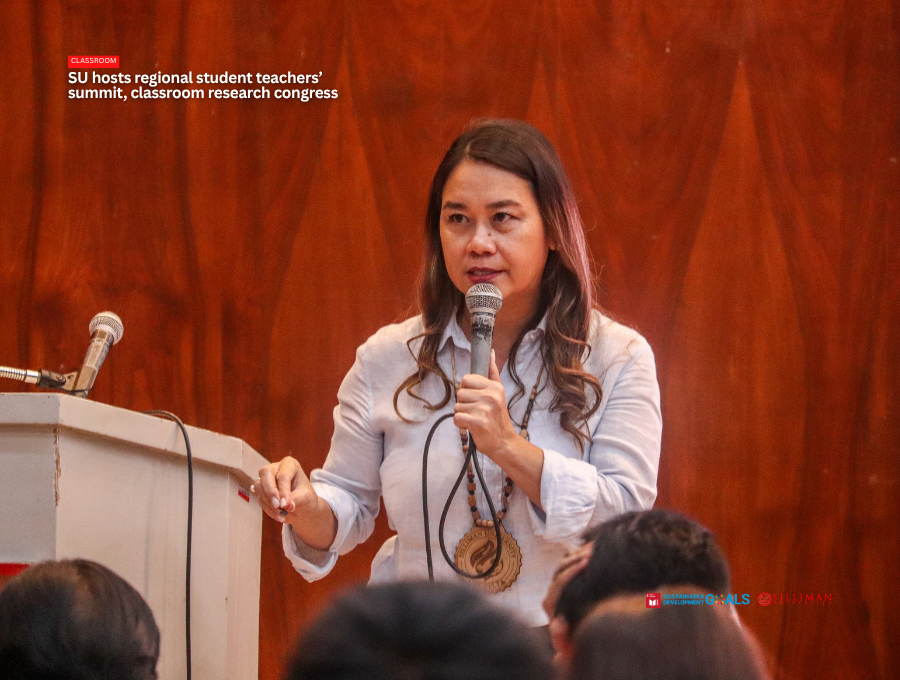
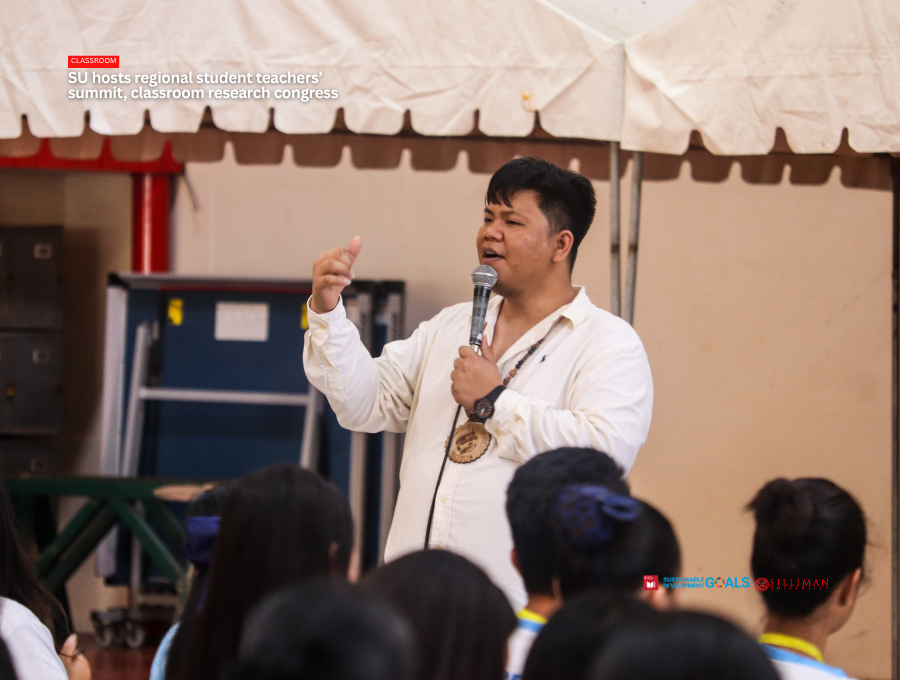
The afternoon plenary sessions focused on developing classroom-based action research proposals. Dr. Enrique G. Oracion, adjunct professor of SU, discussed the use of qualitative research in CBAR, while Dr. Dave E. Marcial, director of the Mariano Lao Global Studies Center, tackled digital ethics in classroom-based action research, emphasizing responsible data use, privacy, and respect for research participants.
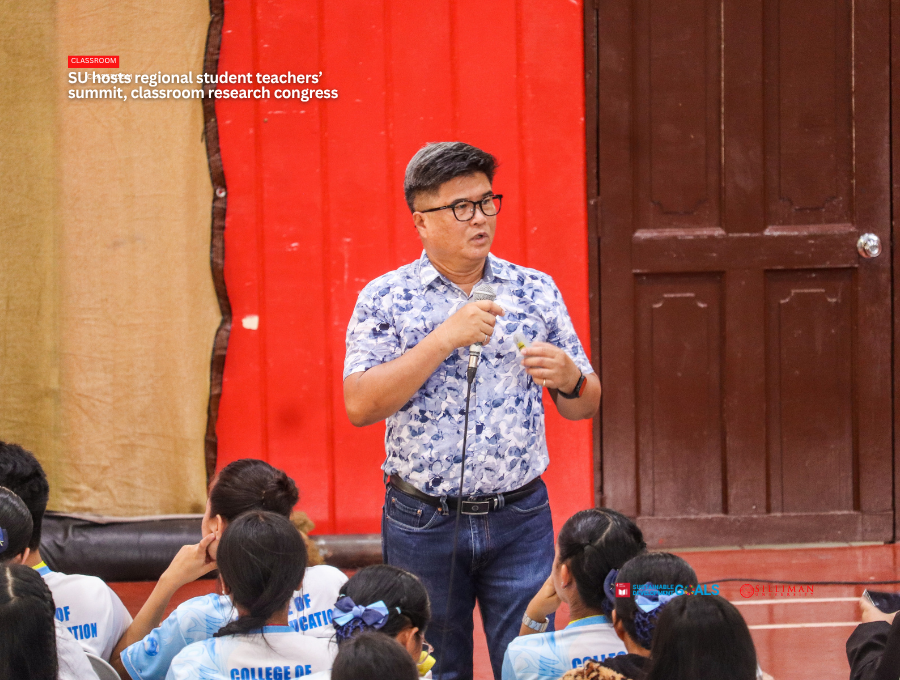
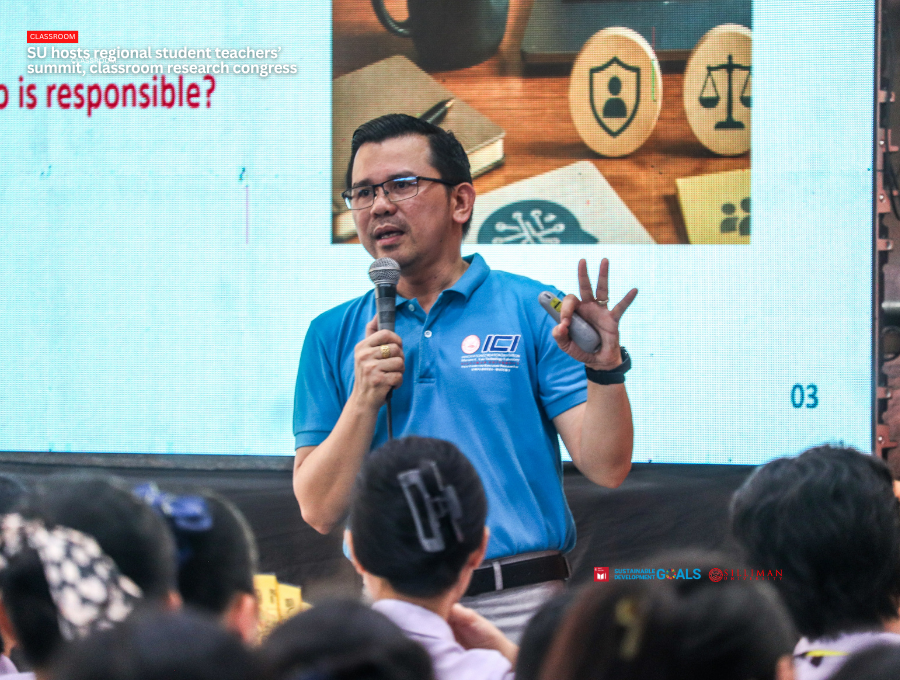
The discussions highlighted CBAR as a practical approach through which teachers can examine classroom experiences, gather evidence, and make informed improvements in teaching and learning.
College of Education Dean and Summit and CBAR Congress Convener Dr. Gina F. Bonior thanked the participating institutions, speakers, organizers, and student teachers for contributing to the success of the gathering. She reaffirmed the College’s commitment to strengthening teacher education through collaboration, professional learning, research, and engagement among teacher education institutions in the region.
The Summit and CBAR Congress emphasized that effective teaching requires more than the delivery of lessons. It also calls on teachers to reflect on their practice, ask meaningful questions, examine evidence, and act on what they learn.


